
Artificial intelligence Deployed
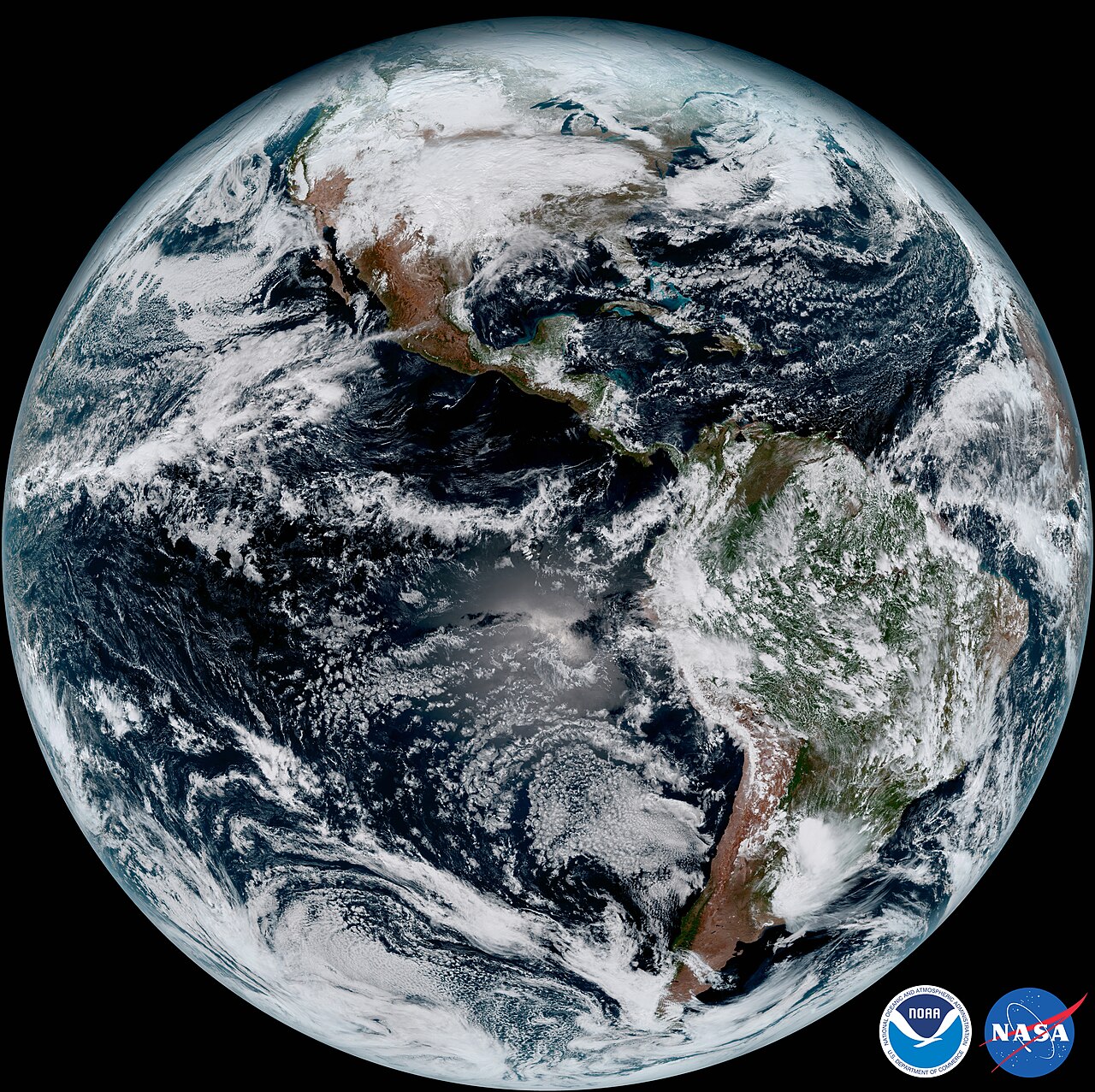
AI weather models: GraphCast
A graph neural network now rivals classical medium-range forecasts, and it depends on satellite observations.
Read the cardFive research results where artificial intelligence meets science: a language model that designs proteins, a model that proposes new materials, a hybrid climate model, a simulator for fusion machines, and a controller that keeps a fusion plasma stable. Models and machines aimed at Earth systems, materials, grids, proteins, and recycling, along with methane and fire observation, flood forecasts, and land maps from 2024 on. Weather models depend on satellites.
A graph neural network now rivals classical medium-range forecasts, and it depends on satellite observations.
Read the card
A model proposed hundreds of thousands of crystals that may be stable. Making them is work for the laboratory.
Read the card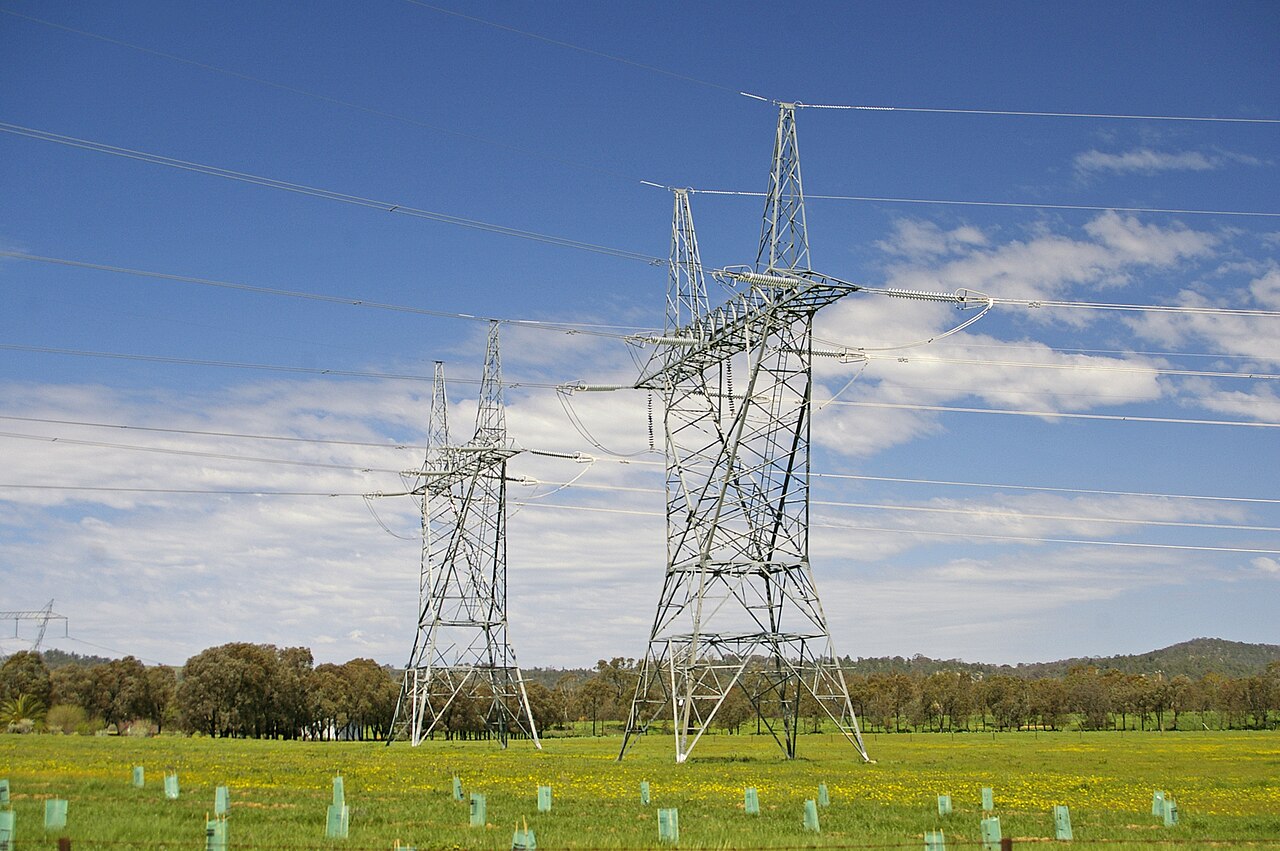
Better wind forecasts and dispatch tools shave reserves. The transformers and the rest of the physical grid stay in place.
Read the card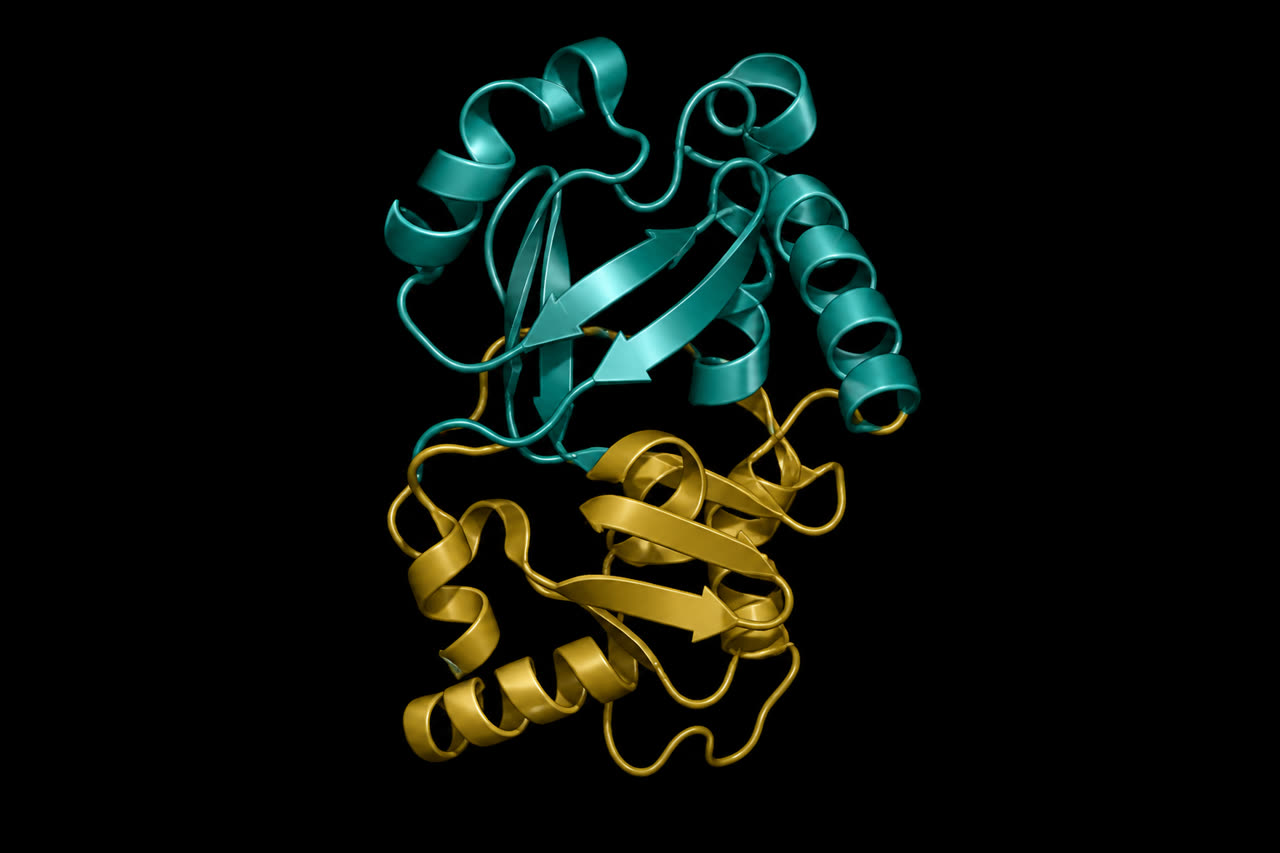
A 2024 model of proteins and their partners is now everyday laboratory software, used by millions of researchers. A working climate enzyme is a later laboratory step.
Read the card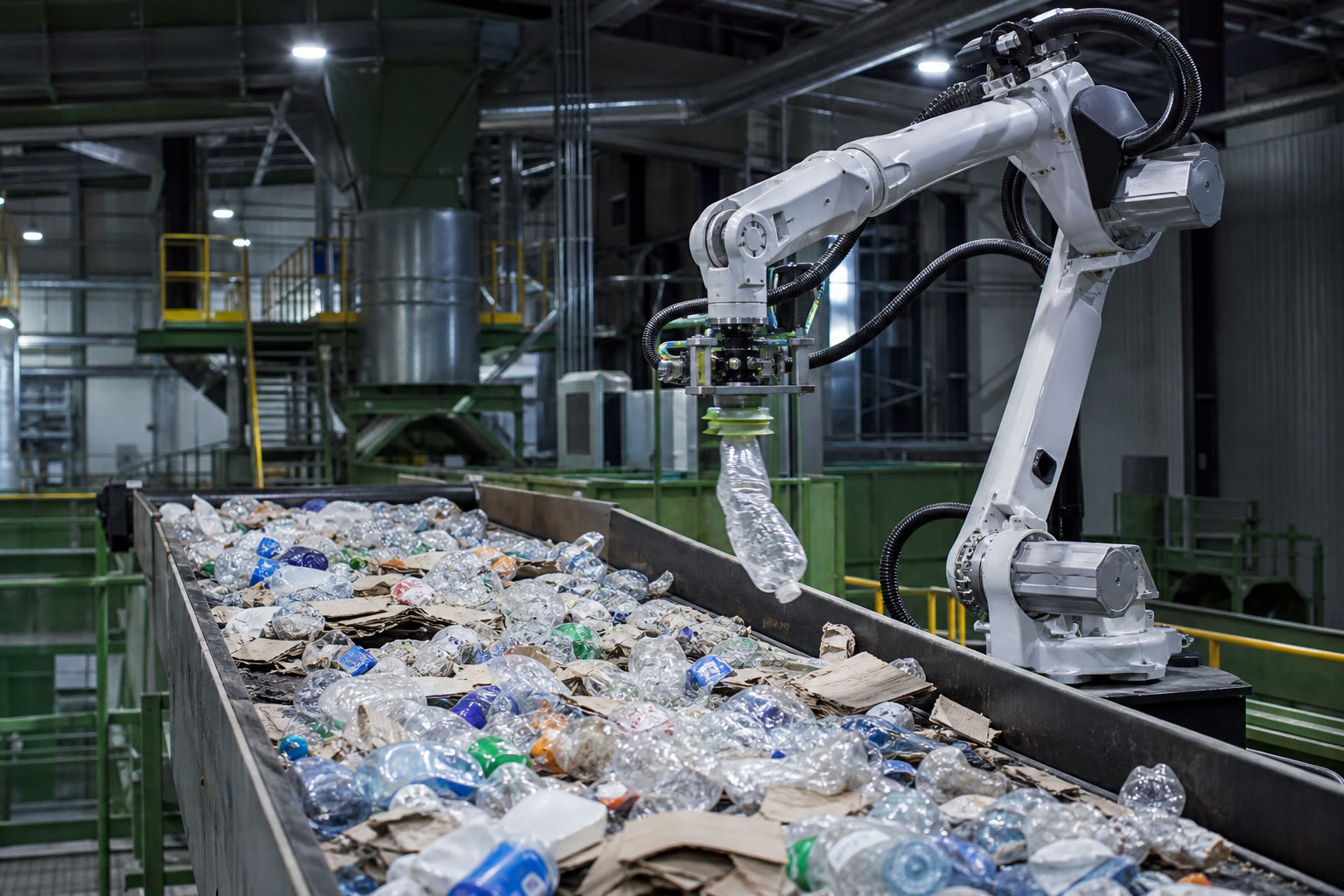
Cameras and arms already pick cartons and bottles on real sorting lines. A buyer for the sorted material is a separate question.
Read the card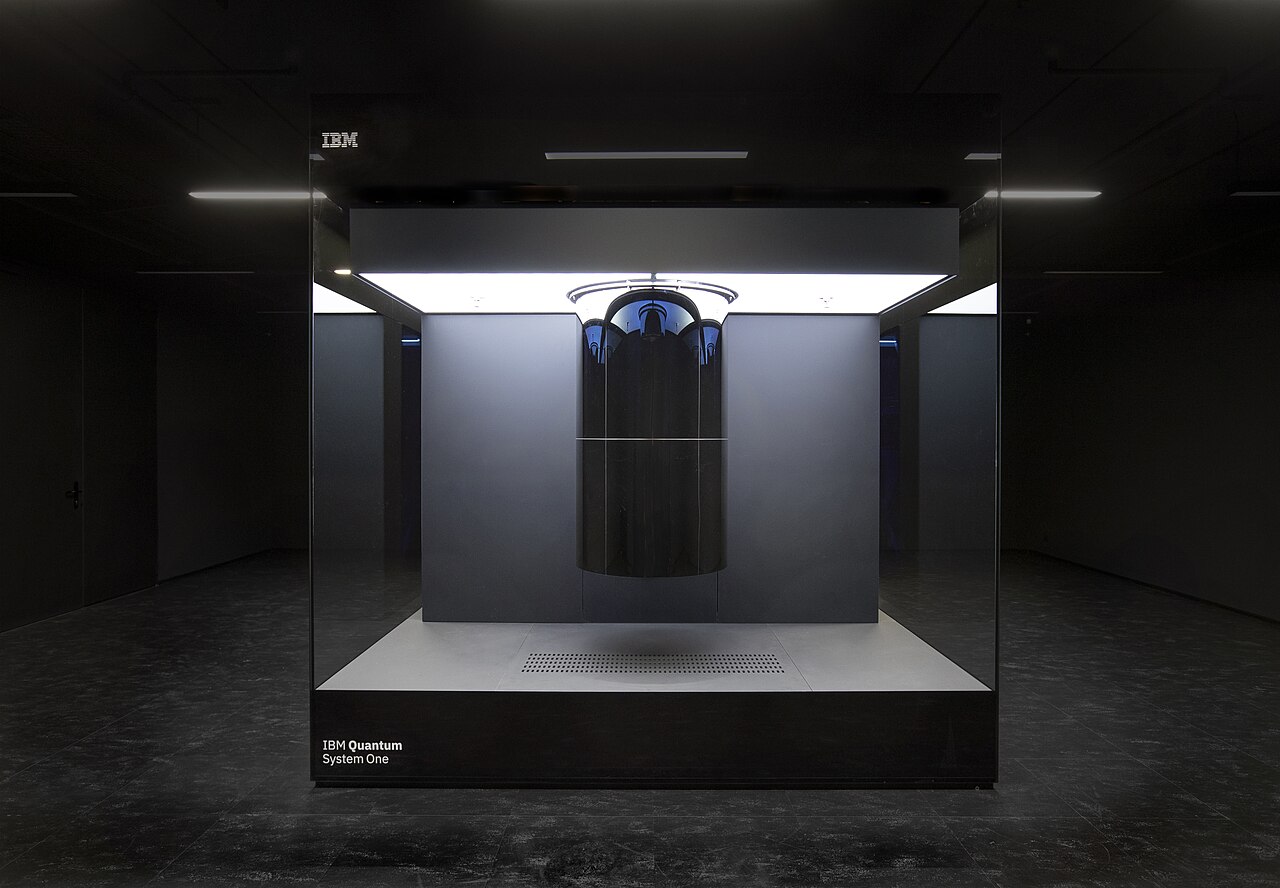
Public machines from IBM, Google, and IonQ keep adding qubits. Designing a climate catalyst with them is later work.
Read the card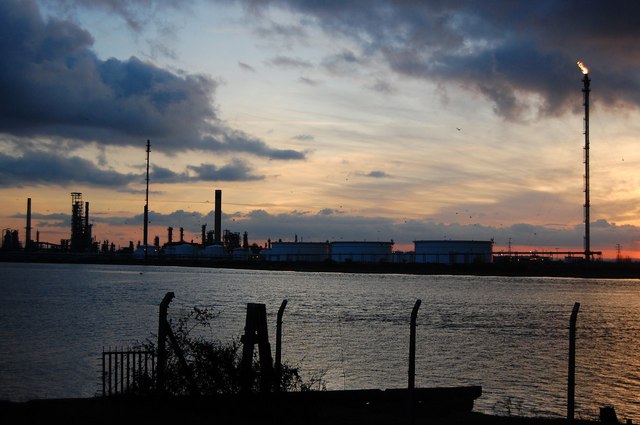
The August 2026 inventory put first-half global greenhouse gases 0.2 percent above 2025: a satellite-and-model estimate, not a court verdict.
Read the cardSource: Climate TRACE: v5.10 / first-half 2026 emissions (27 Aug 2026)
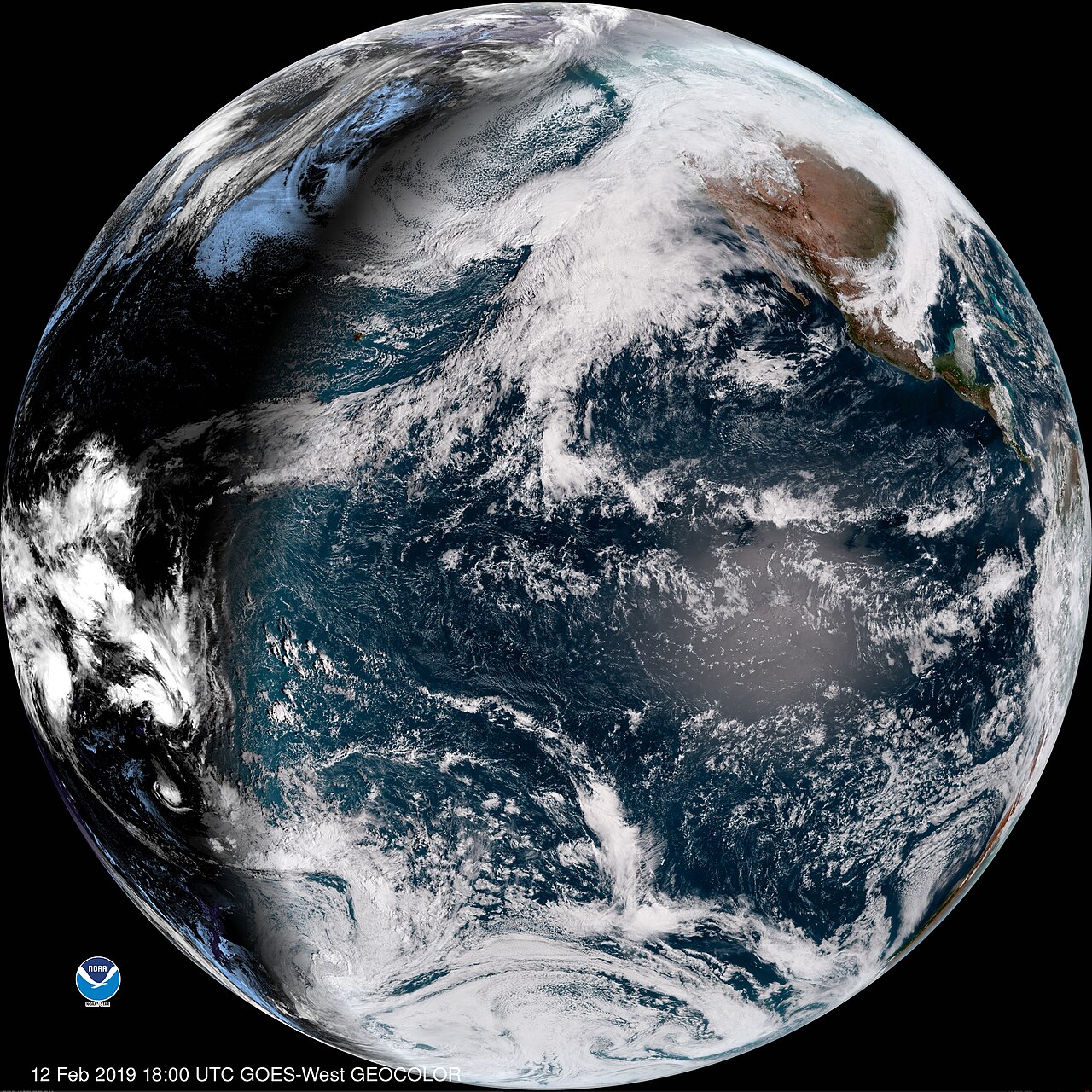
A September 2026 global weather model that ingests live satellites and refreshes every hour: still not your national warning service.
Read the cardSource: Google DeepMind: Introducing WeatherNext 3 (3 Sep 2026)
Europe’s operational AI forecast, updated in August 2025 with physics bounds so rain cannot go negative: running beside, not instead of, the physics model.
Read the cardSource: VAST Data: The weather model that taught itself physics (AIFS 1.1)
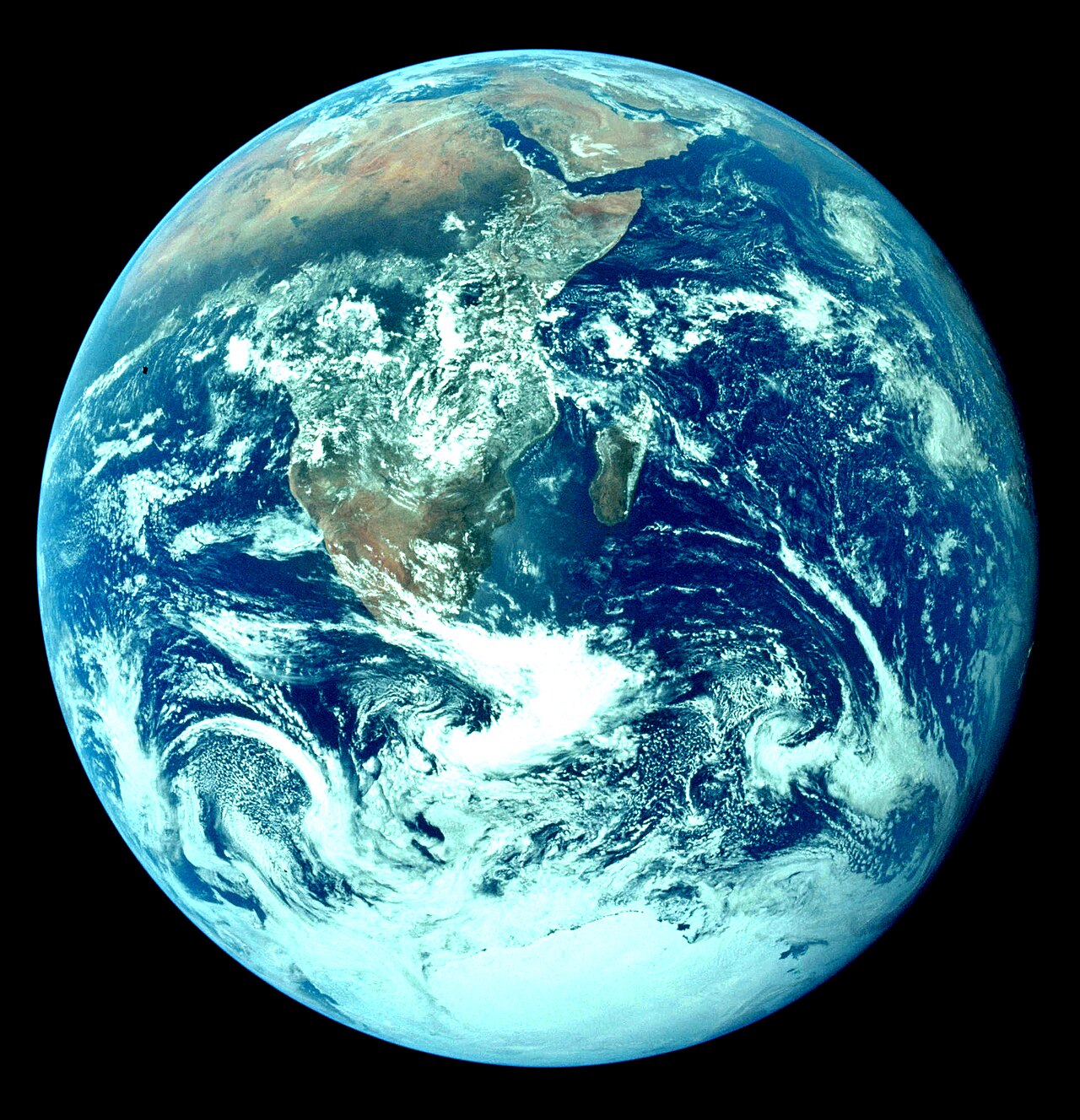
NASA and IBM trained an open model on years of Harmonized Landsat-Sentinel imagery. It is a starting weight, not an oracle.
Read the card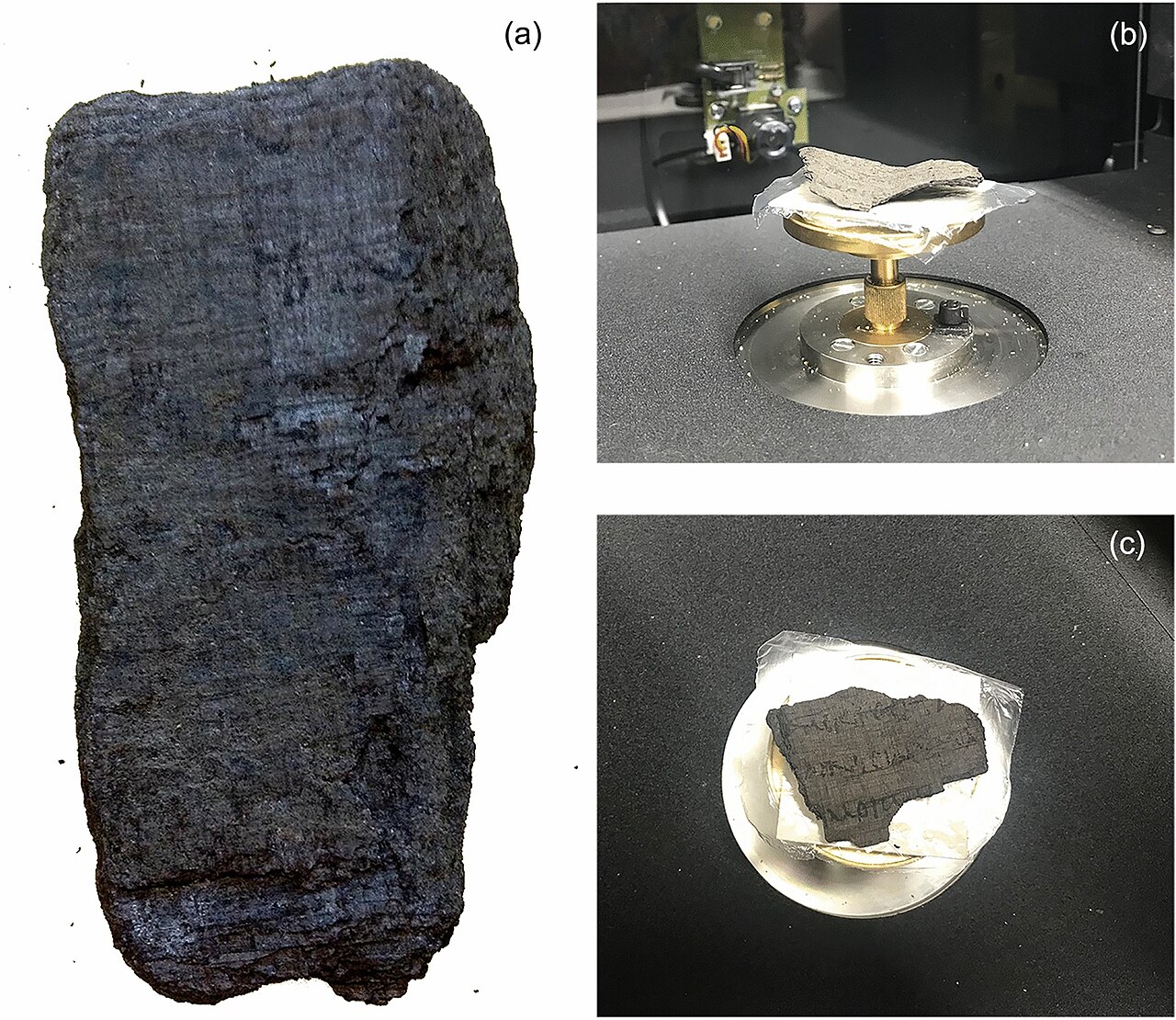
X-ray CT and machine learning recovered first passages in Feb 2024 and a full Herculaneum scroll in June 2026: a prize contest, not magic OCR of all antiquity.
Read the card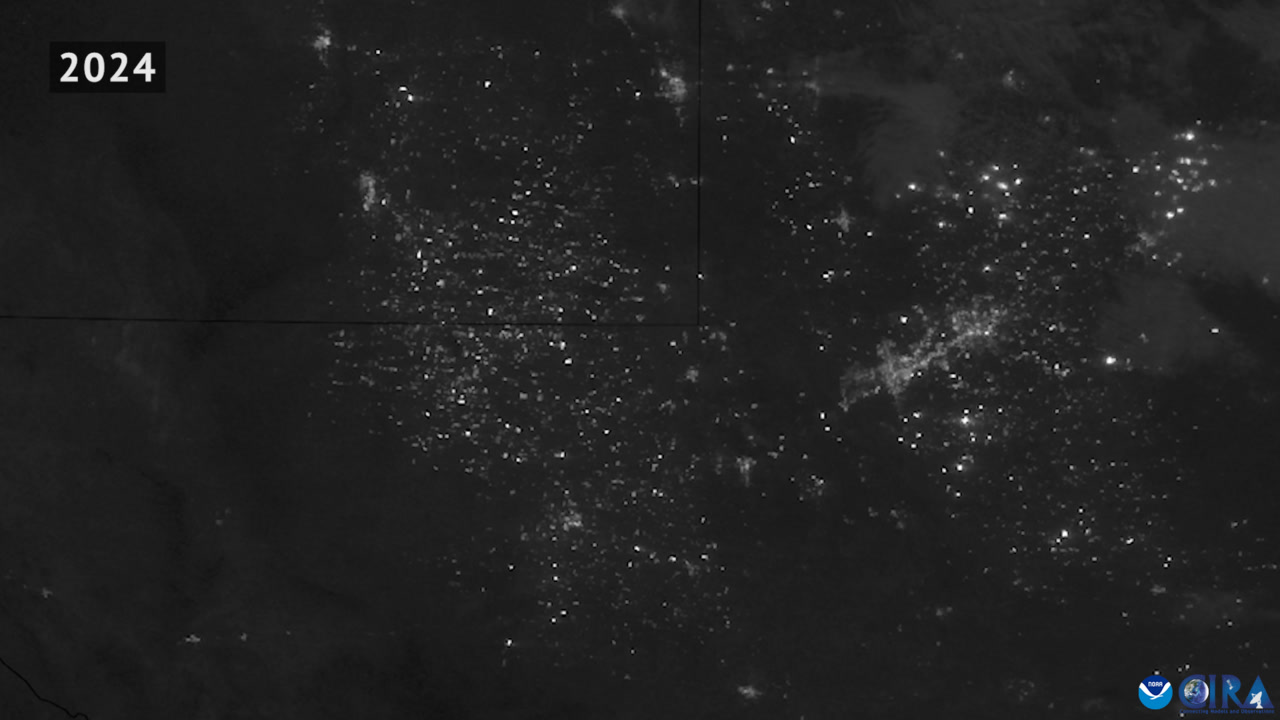
EDF’s MethaneSAT (launched 4 Mar 2024; lost contact 20 Jun 2025) mapped area + point methane over ~45 basins: data and ACP 2026 science remain public. Not Climate TRACE’s inventory product and not a weather model.
Read the card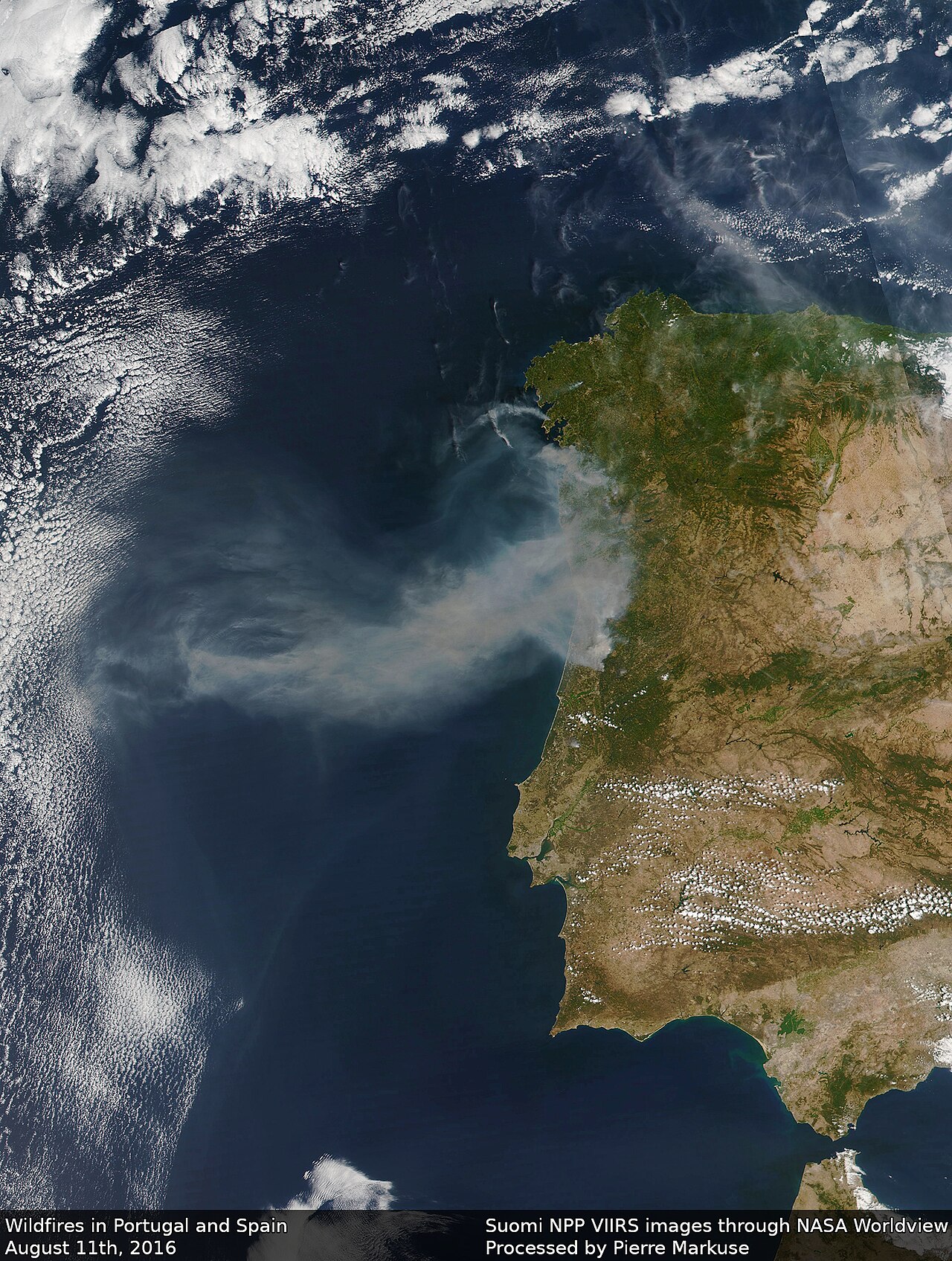
Earth Fire Alliance / Muon Space / Google Research FireSat: Protoflight Mar 2025; first three operational sats launched 7 Jul 2026 (Transporter-17). AI compares 5×5 m IR spots for early fire flags: not a weather FM and not Climate TRACE.
Read the cardSource: Earth Fire Alliance: first three operational FireSats reach orbit (7 Jul 2026)
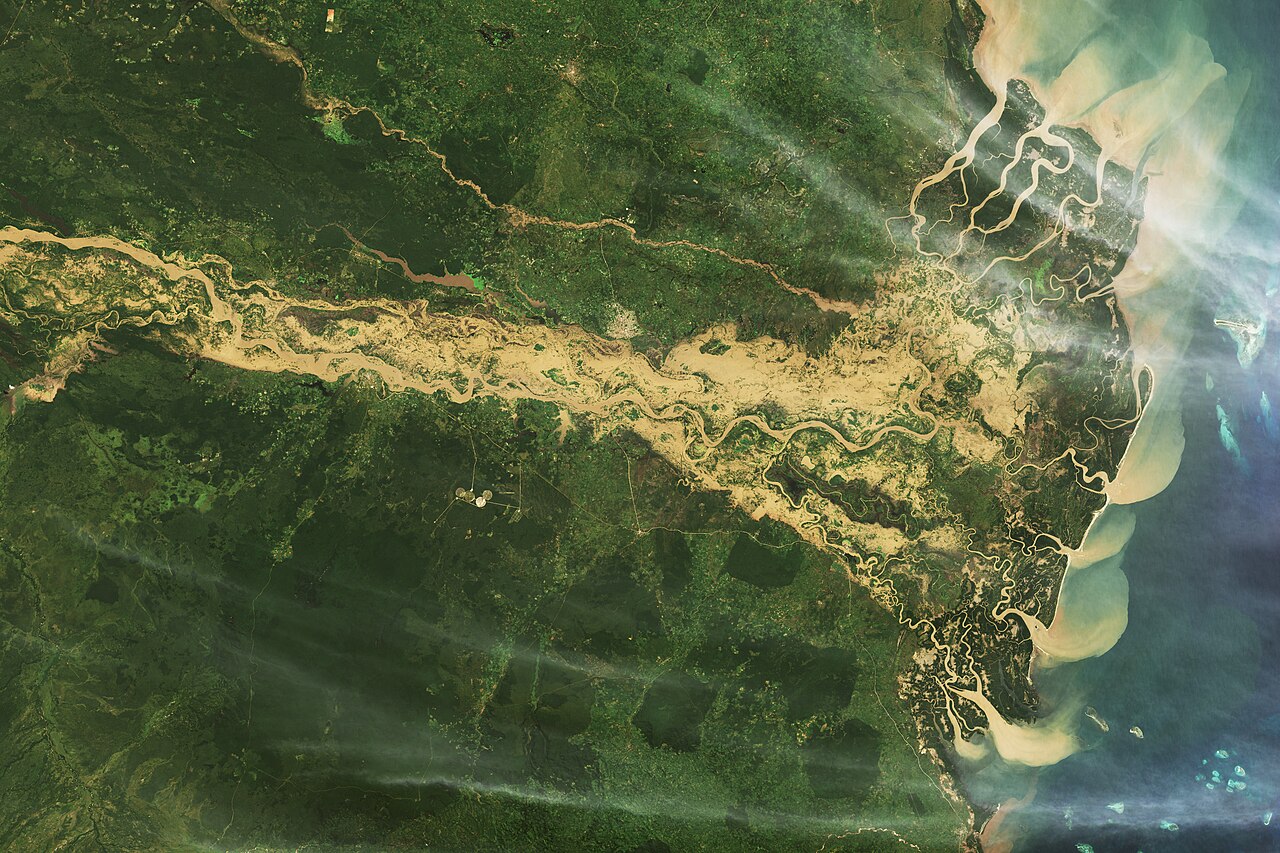
Google’s Flood Hub (Nature, 20 Mar 2024; coverage expanded Nov 2024 to 100+ countries / ~700M people) issues free AI riverine forecasts up to seven days ahead: hydrology, not GraphCast-style global weather.
Read the cardSource: Nearing et al., Nature: global flood prediction (20 Mar 2024)
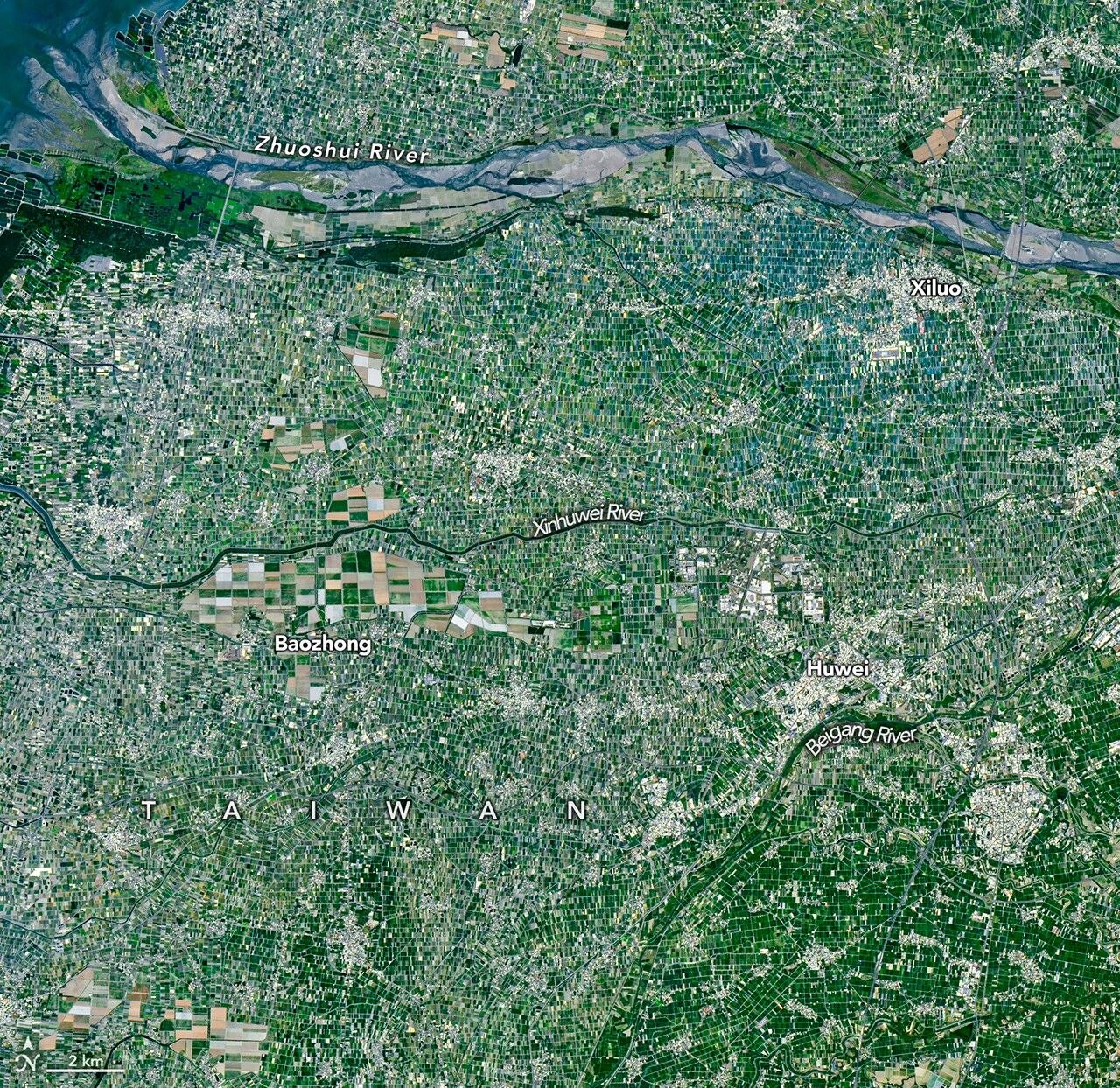
Google DeepMind’s AlphaEarth Foundations (30 Jul 2025) turns multi-sensor Earth data into 64-D embeddings at 10 m; annual Satellite Embedding V1 is in Earth Engine. A mapping foundation: not Prithvi HLS weights and not a weather forecast.
Read the cardSource: Google DeepMind: AlphaEarth Foundations (30 Jul 2025)
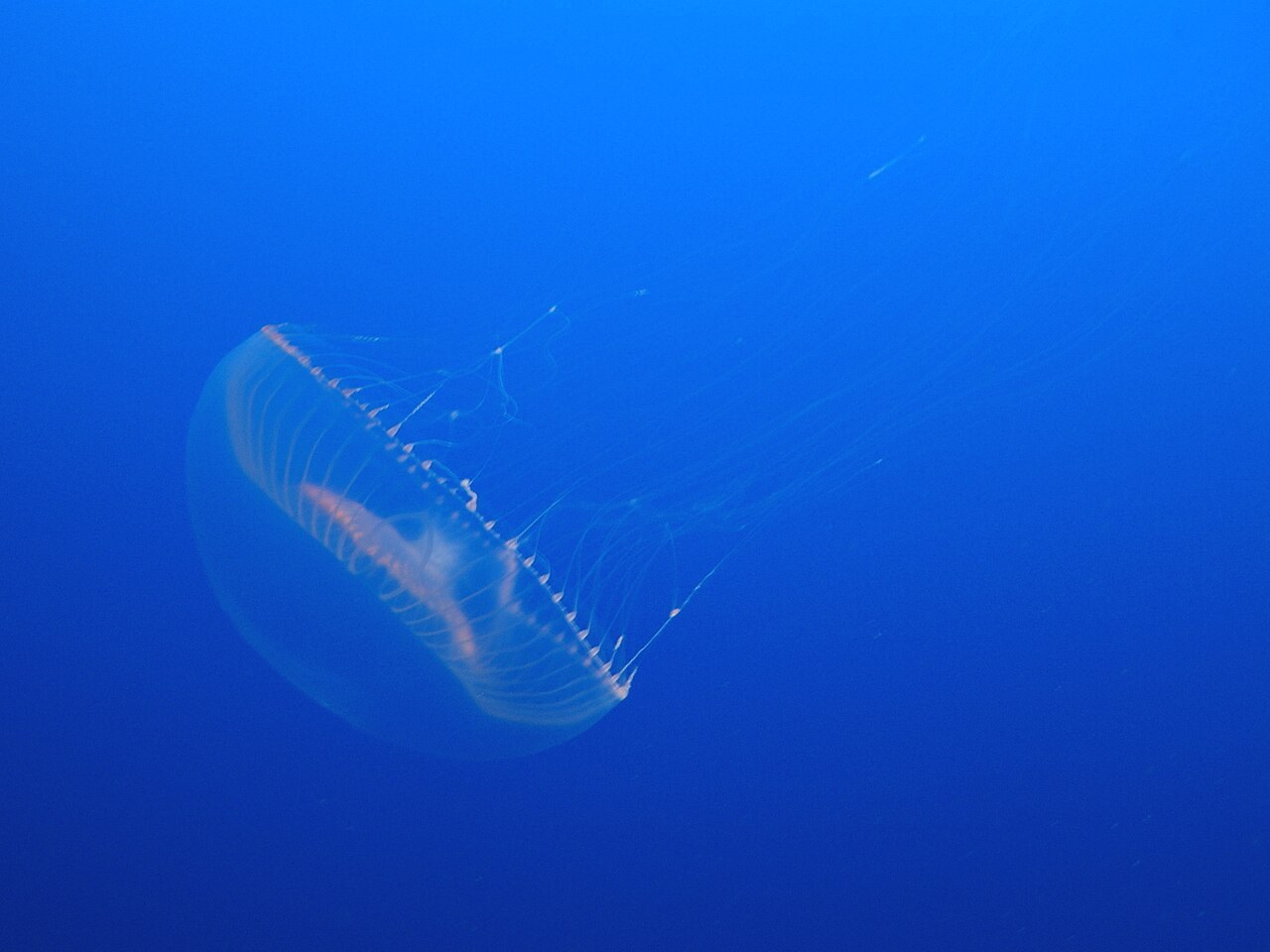
In January 2025 the journal Science published ESM3, an artificial intelligence model from the company EvolutionaryScale that reads and writes proteins. Asked to design a glowing protein, it produced one that matches its closest natural relative at only 58 percent of positions, a gap the authors compare to about 500 million years of evolution.
Read the card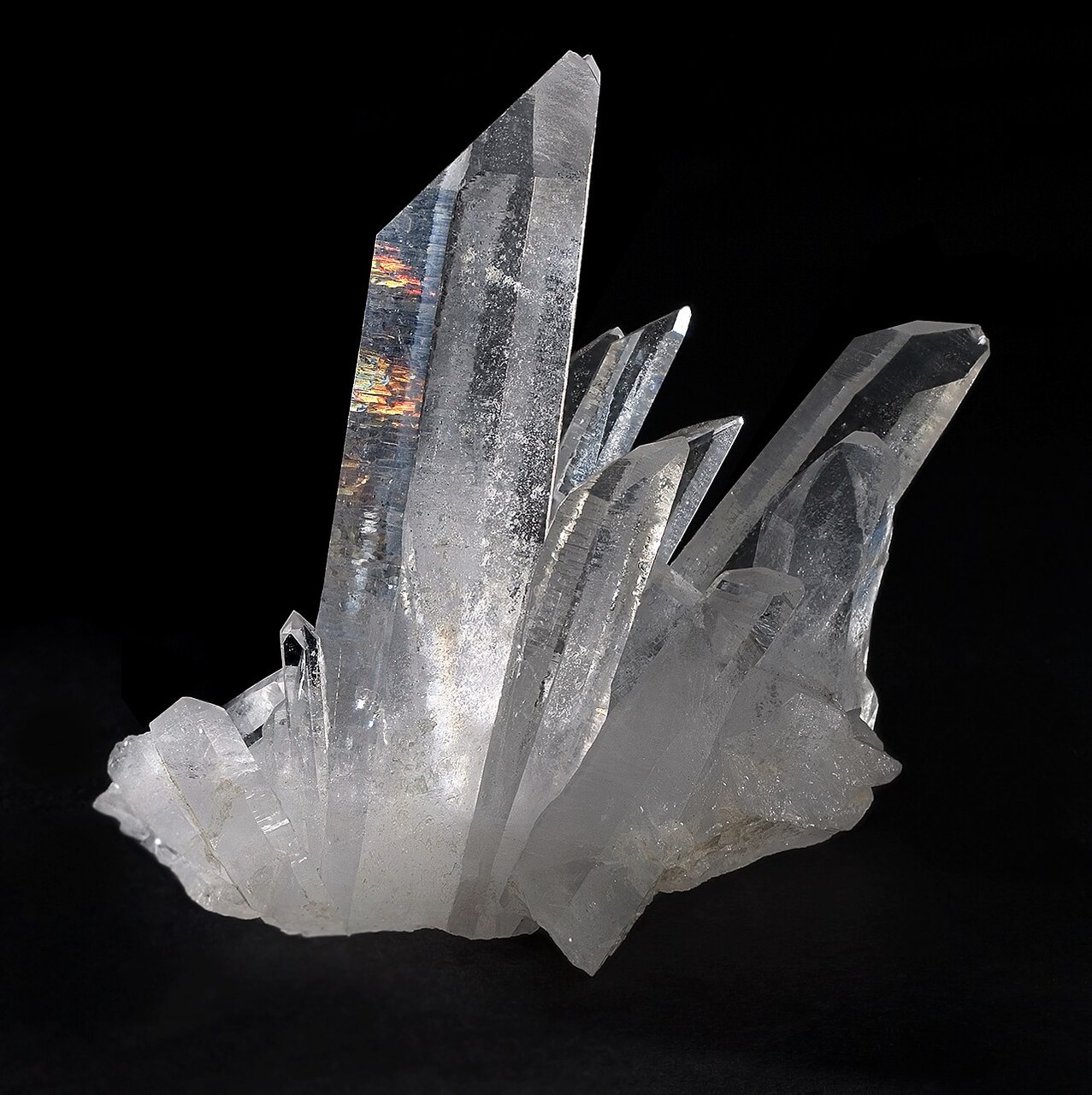
On 16 January 2025 the journal Nature published MatterGen, an artificial intelligence model from Microsoft that proposes new crystals for a chosen property, designing them from scratch. One proposed material was made in a laboratory, and its resistance to being squeezed, estimated from laboratory tests, came within 20 percent of the 200 gigapascal target.
Read the card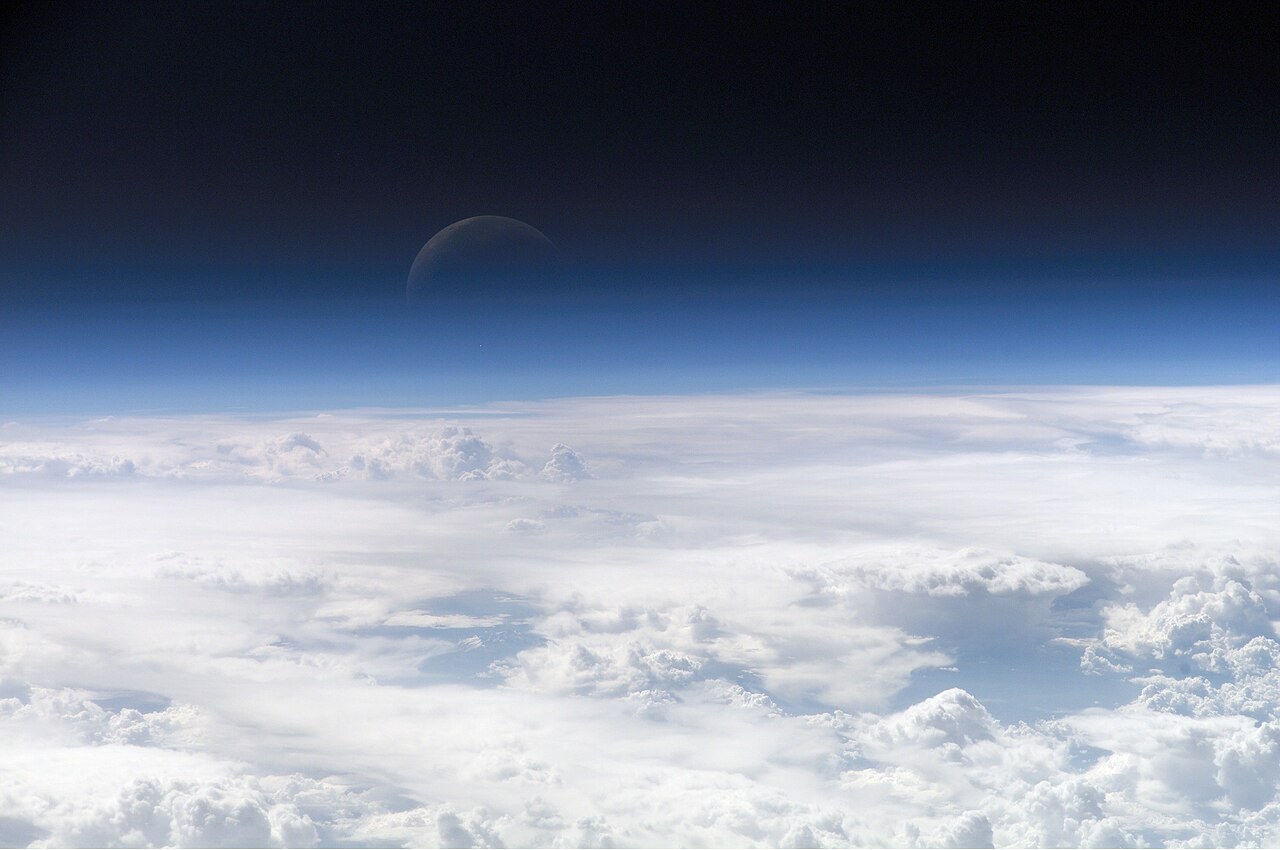
On 22 July 2024 the journal Nature published NeuralGCM, a Google Research model that keeps the physics of large-scale air movement and uses a neural network for clouds and other small-scale processes. Run over 40 years of the past, its temperature error was 0.25 degrees Celsius, against 0.75 for standard atmosphere-only models, and it ran more than 3,500 times faster than a detailed physics model.
Read the card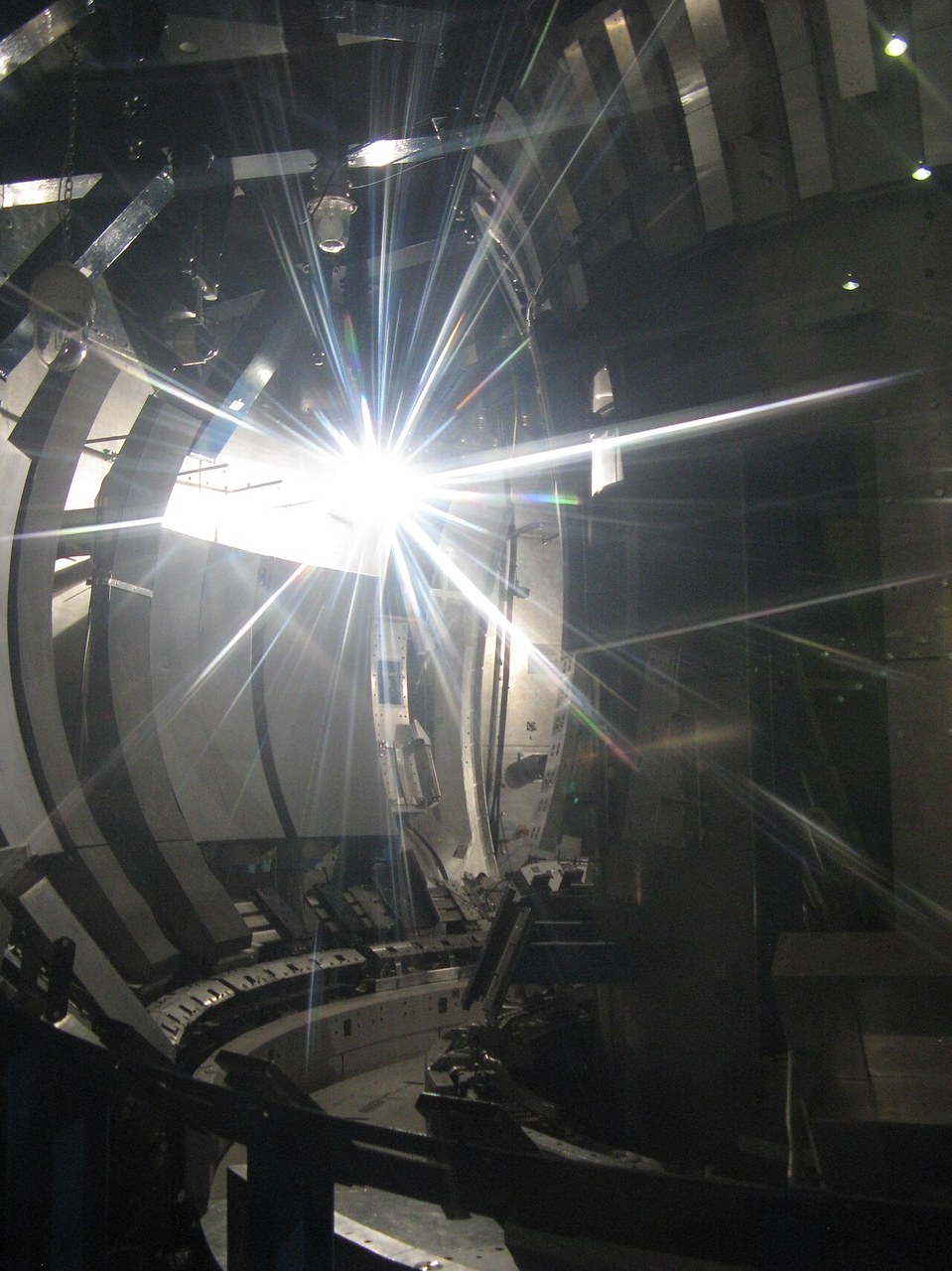
In May 2024 Google DeepMind released TORAX, a fast open-source simulator of the hot gas inside a fusion machine. On 16 October 2025 Google DeepMind and Commonwealth Fusion Systems announced a partnership to use it, together with artificial intelligence, to plan how their SPARC machine will be run.
Read the card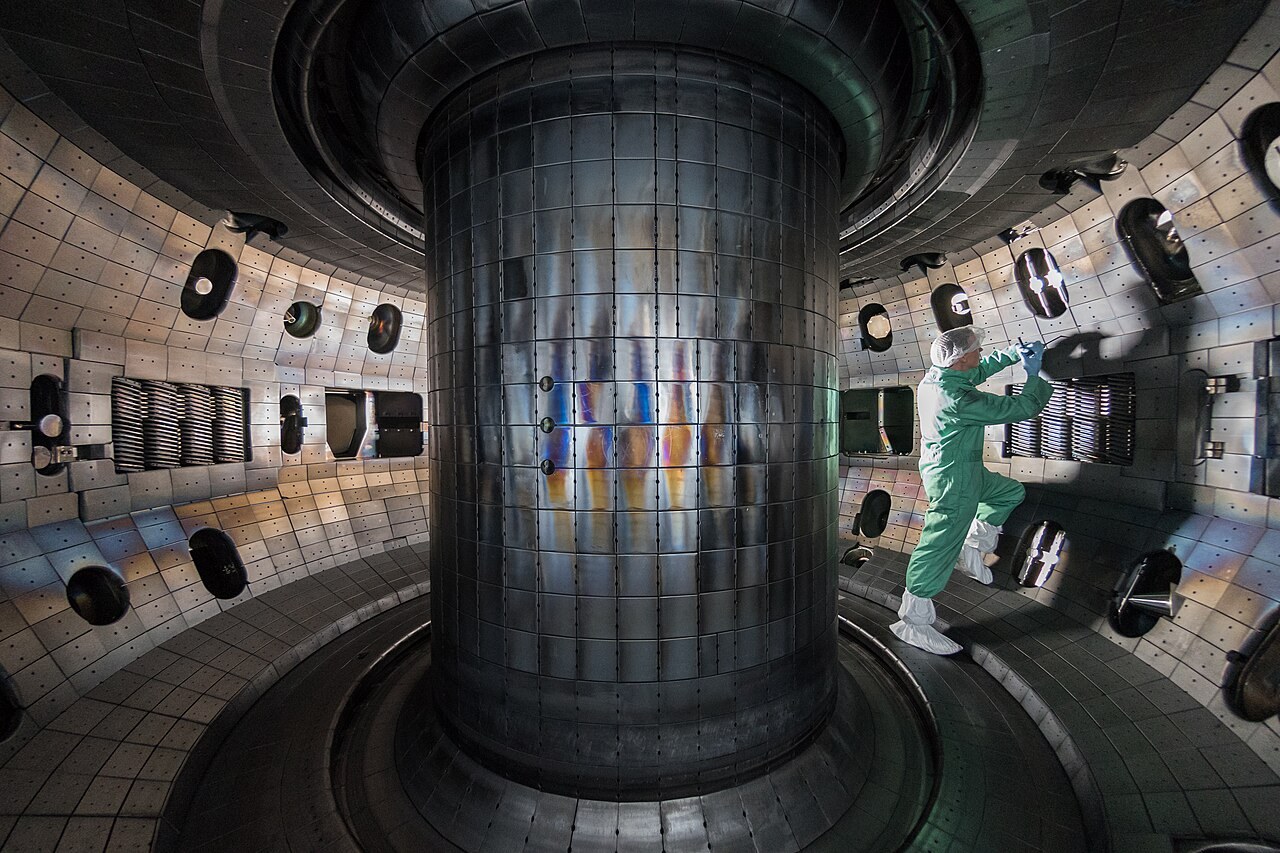
On 21 February 2024 the journal Nature published an experiment on the DIII-D tokamak in California in which an artificial intelligence controller learned by trial and reward to adjust heating and plasma shape in real time, keeping the predicted risk of tearing, a leading cause of plasma collapse, under a chosen limit.
Read the card