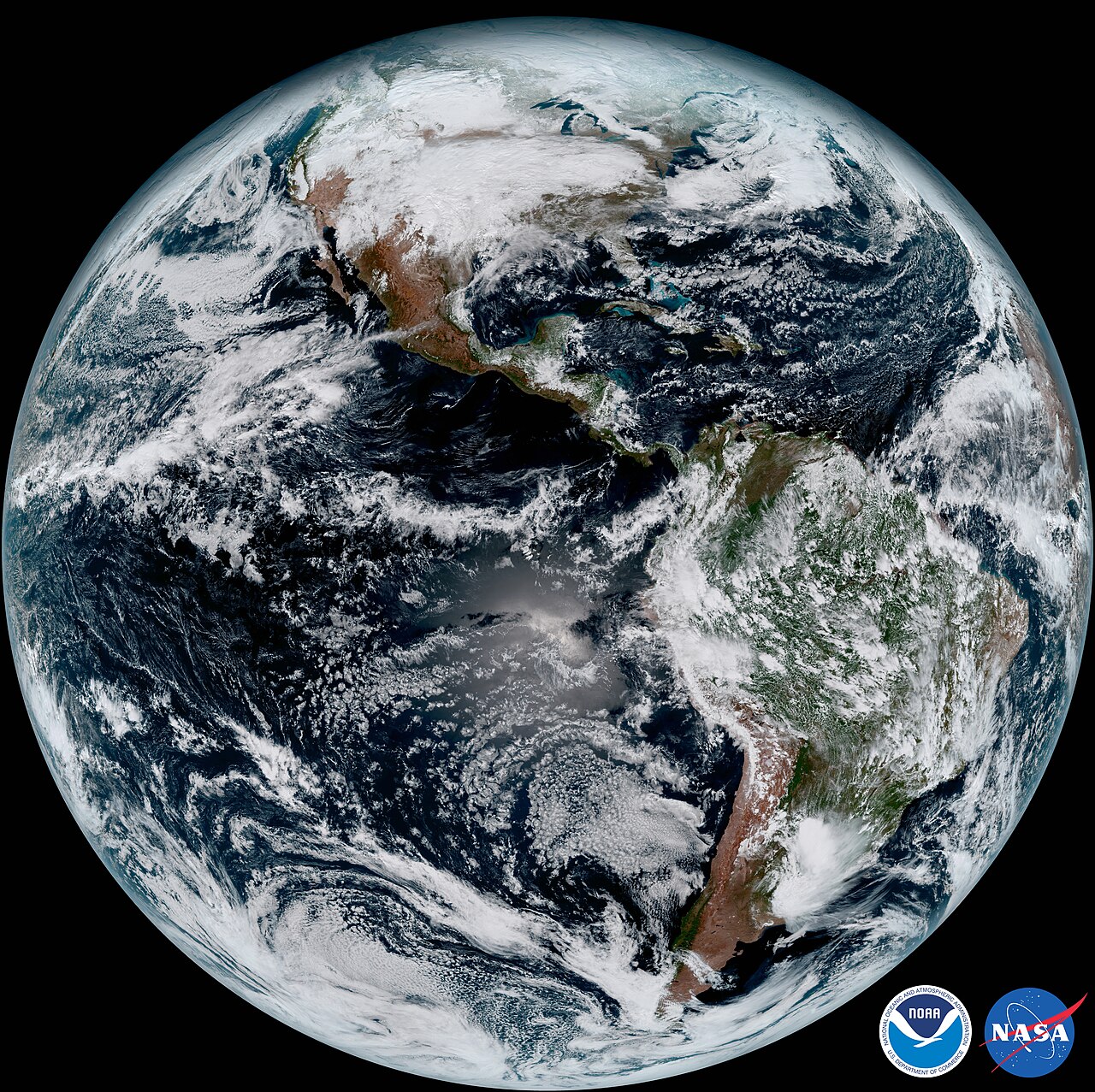
Image: NOAA ( Public domain )
.jpg)
What it is
GraphCast (Google DeepMind, Science, 2023) is a machine-learning model that predicts global weather about ten days ahead from a graph of the atmosphere, trained on ECMWF reanalysis. FourCastNet (NVIDIA) and Pangu-Weather (Huawei) are cousins. Meteorological services now run such models alongside, not instead of, physics codes.
Problem it targets
Weather and seasonal risk drive farms, grids, and disaster response. Faster, cheaper forecasts help: especially where supercomputers are scarce. Climate change still needs physics models of the slow ocean and ice; a 10-day ML forecast is not a 2100 projection.
How it works
The model learns mappings from past states to future states. It does not “understand” fluid dynamics; it approximates them. Skill is measured against ECMWF analysis, not against a press demo. When the training world shifts, the model can fail in new ways.
Status and players
Google DeepMind; ECMWF (data and comparison); NVIDIA FourCastNet; Huawei Pangu-Weather; national weather services testing ML cores.
Risks and limits
Over-trust, weak extremes, and skipping the observing system (satellites, radiosondes) that makes any model honest. AI weather is infrastructure, not a chatbot.
Sources
Lam et al., Science, 14 November 2023 (GraphCast); DeepMind GraphCast page. Skill is measured against ECMWF systems, not a press demo.