
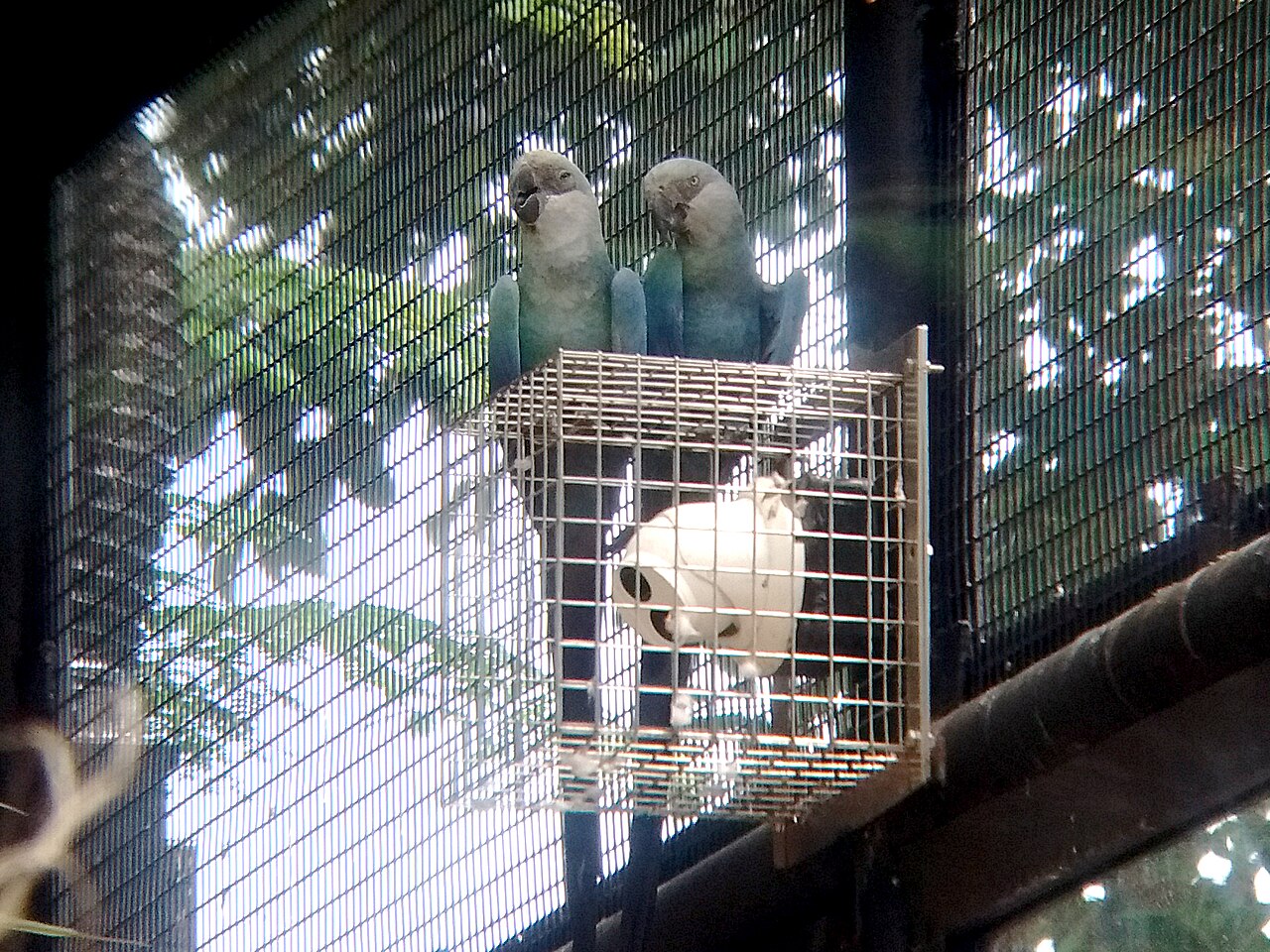
EW Extinct in the Wild global assessment
Spix’s macaw
Cyanopsitta spixii
Extinct in the wild, then a small reintroduction: still not a self-sustaining Caatinga population.
Read entryGone. Most entries are clearly human-caused. A few Late Pleistocene megafauna include climate as a second, honestly stated cause.
Each animal is shown at full size, with the smaller animals behind it.
Heightm
Lengthm
1 of 1
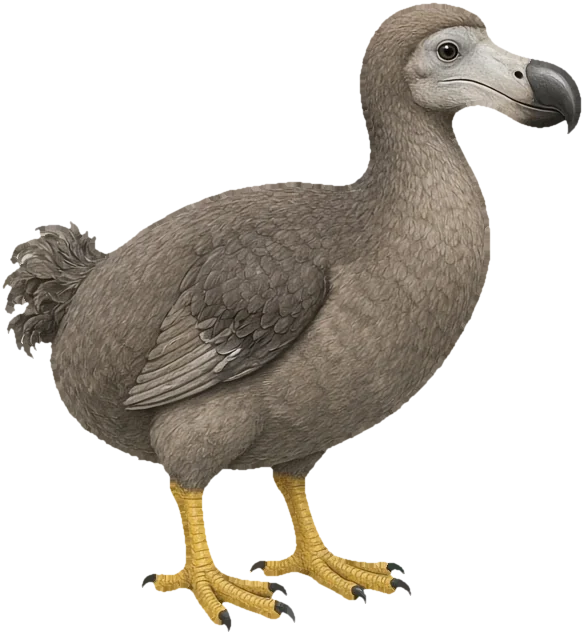
Standing height 67 cm, Bill to tail tip 70 cm The last confirmed sighting on Mauritius was in 1662, and the species was probably gone by 1690.
Fix Planet illustration
Swipe or press the arrow keys
Dodo, 1 of 1. Standing height 67 cm. Bill to tail tip 70 cm.
Heightm
Lengthm
1 of 4
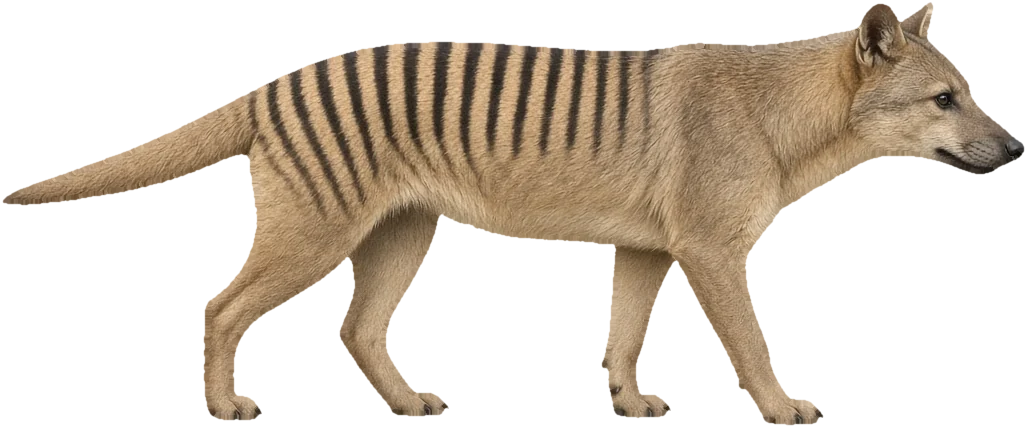
Shoulder height 58 cm, Nose to tail tip 1.6 m The last known thylacine died at Hobart Zoo in Tasmania in 1936, and the species was declared extinct in 1982.
Fix Planet illustration
Swipe or press the arrow keys
Thylacine, 1 of 4. Shoulder height 58 cm. Nose to tail tip 1.6 m.
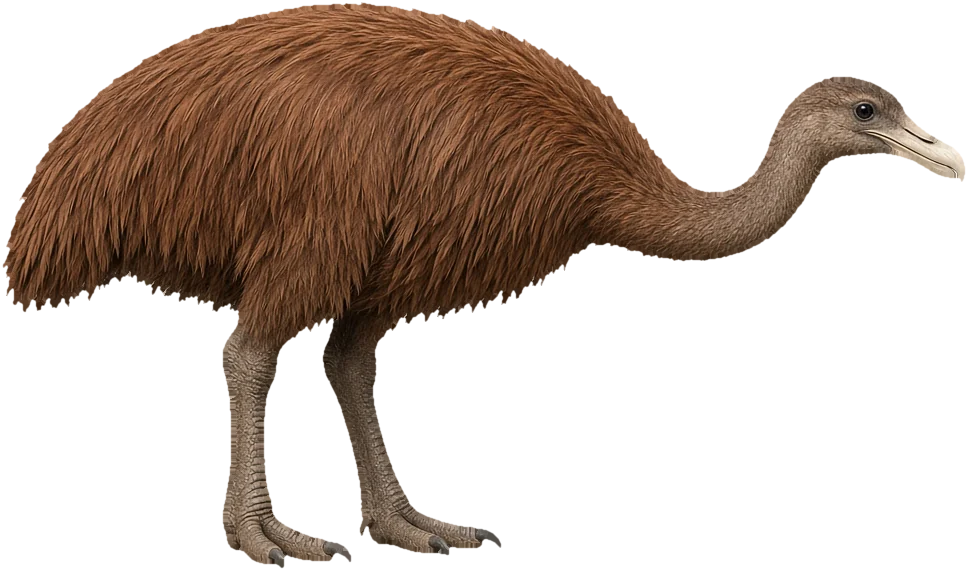
For these animals no exact measurements exist. The sizes shown are approximate reconstructions made by scientists from bones and models, and each one names its source.
Heightm
Lengthm
1 of 1
Reconstruction
Back height about 2.0 m, Bill to tail tip about 3.5 m This bird was hunted to extinction by the first people of New Zealand.
Estimate: Scott Hartman, Skeletal Drawing: Dinornis robustus
Fix Planet illustration
Swipe or press the arrow keys
South Island giant moa, 1 of 1. Back height about 2.0 m, Bill to tail tip about 3.5 m This bird was hunted to extinction by the first people of New Zealand.
Cyanopsitta spixii
Extinct in the wild, then a small reintroduction: still not a self-sustaining Caatinga population.
Read entry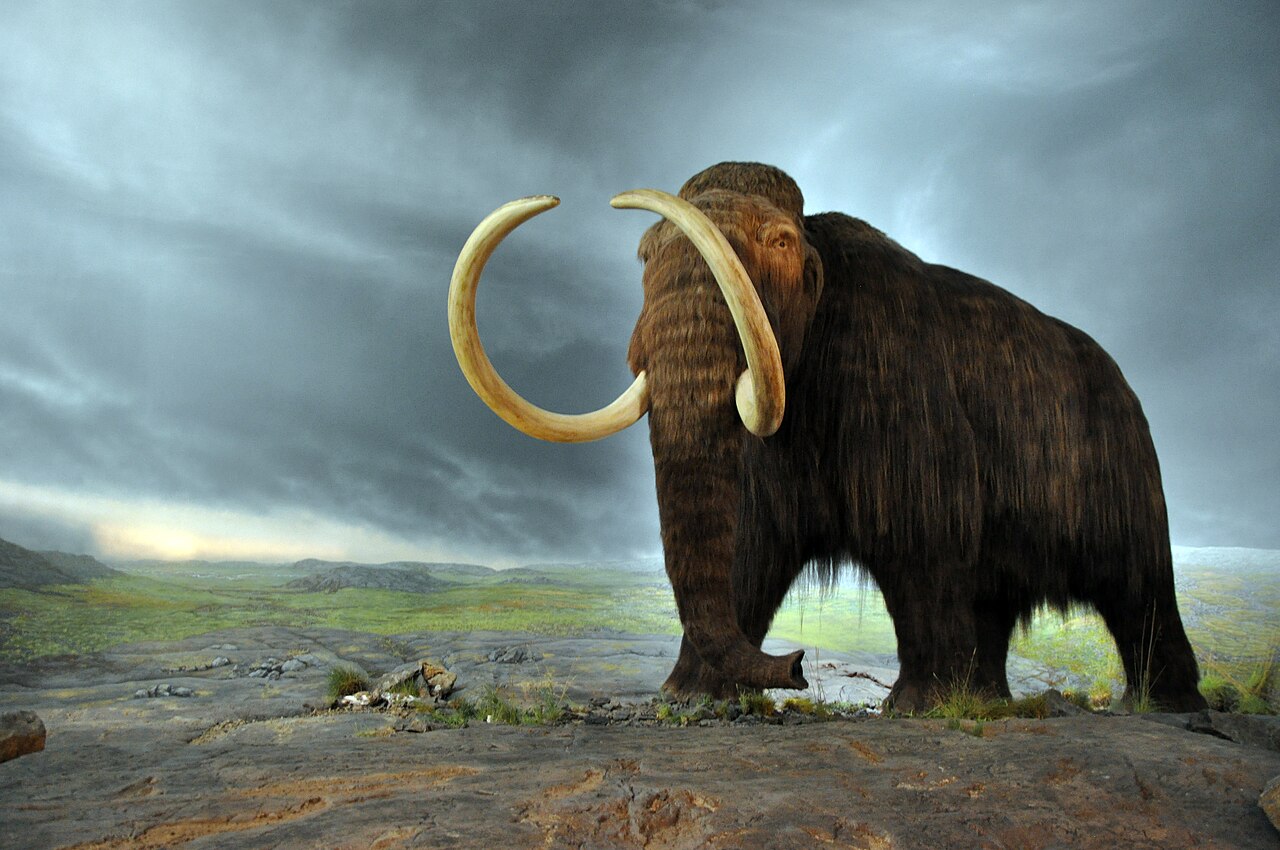
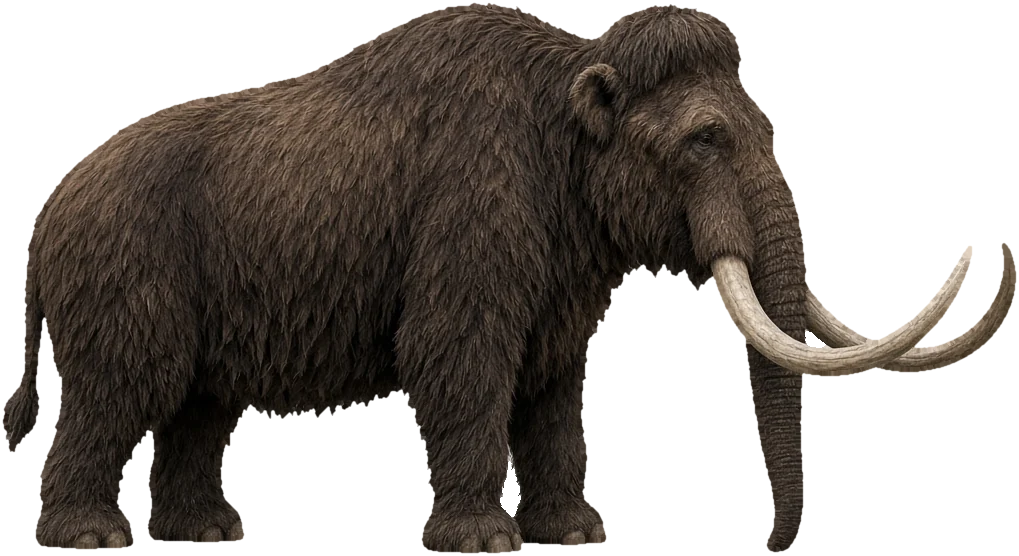
Mammuthus primigenius
A Late Pleistocene giant of the north: climate and people both belong in the ending.
Read entry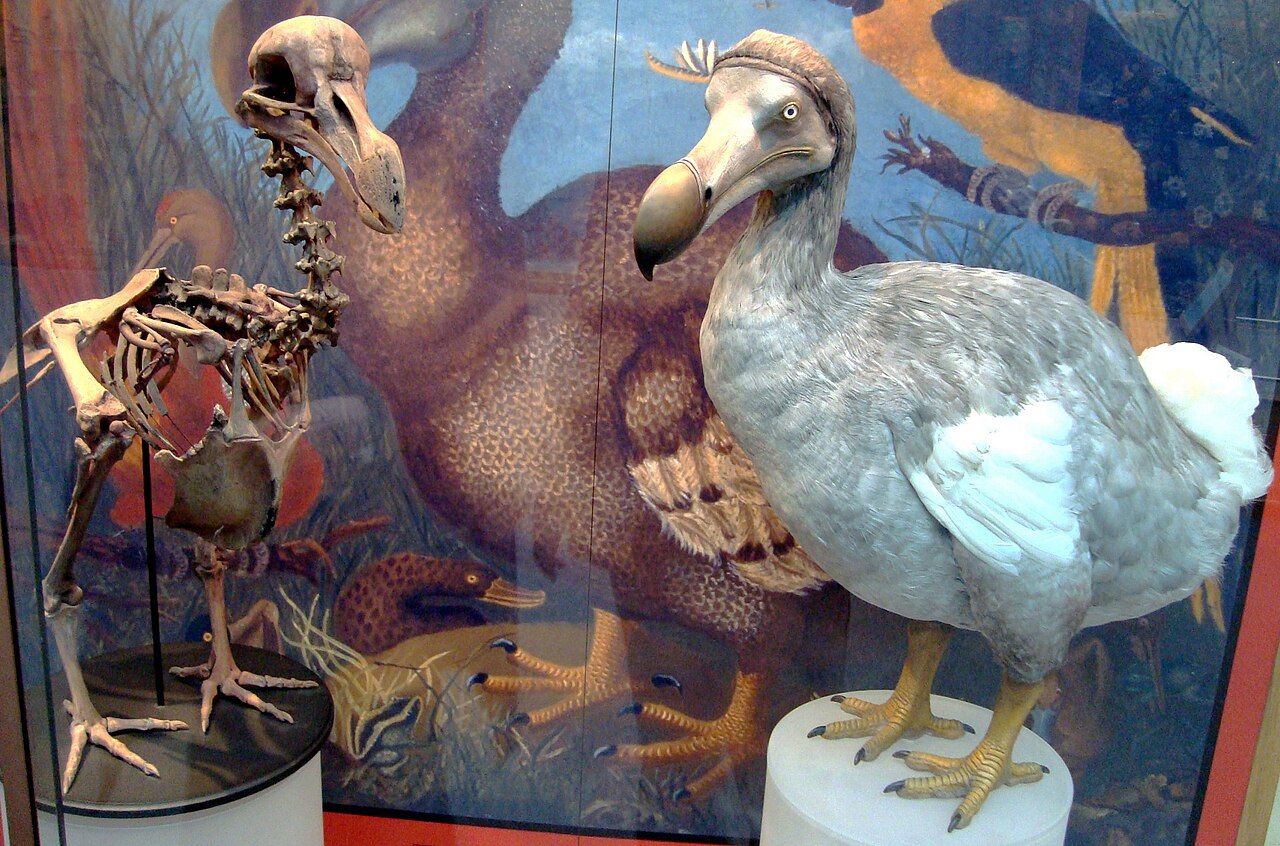
Raphus cucullatus
A flightless pigeon of Mauritius, gone within about a century of permanent European settlement.
Read entry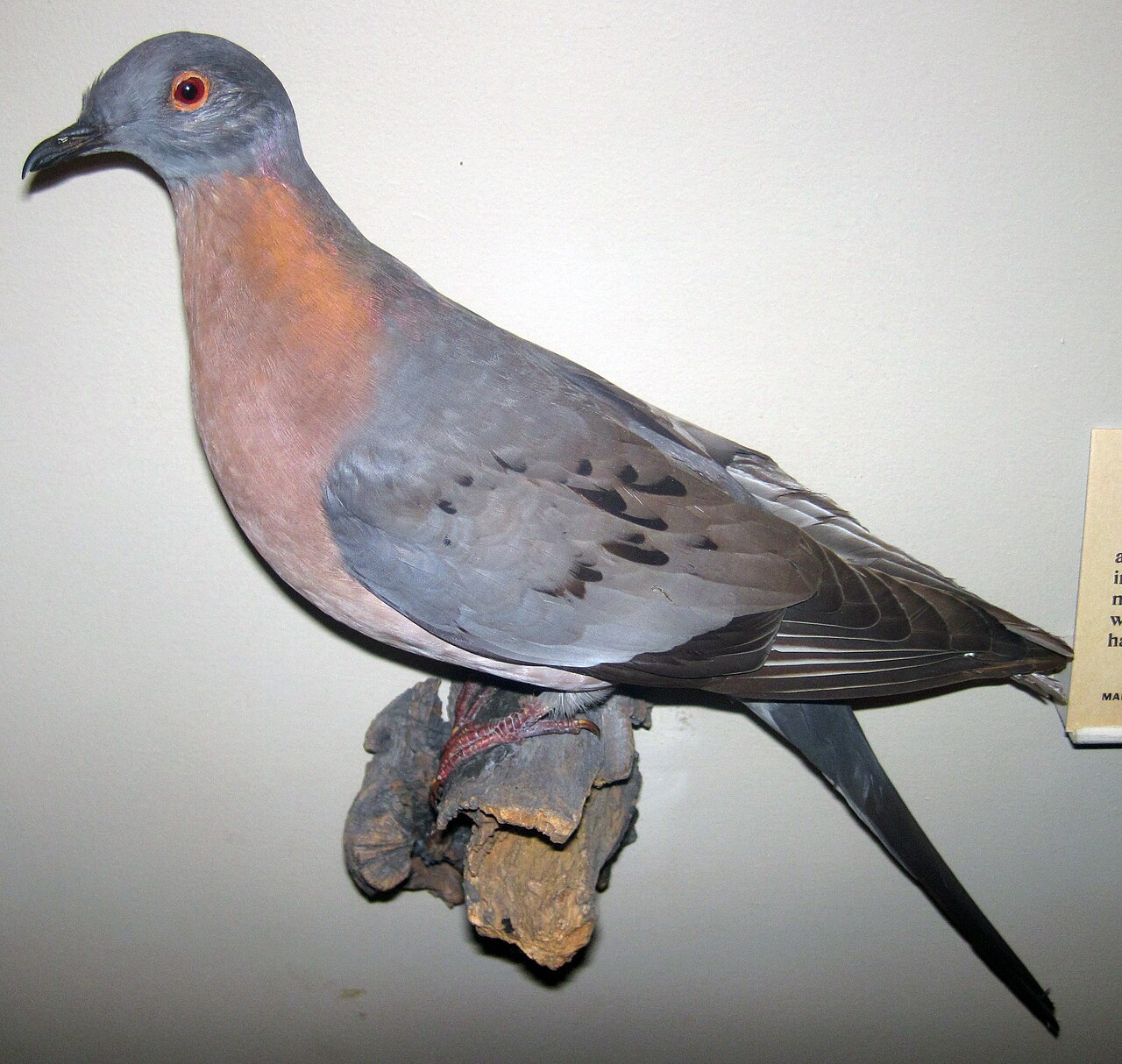
Ectopistes migratorius
Once perhaps the most numerous bird in North America; the last captive bird died in 1914.
Read entry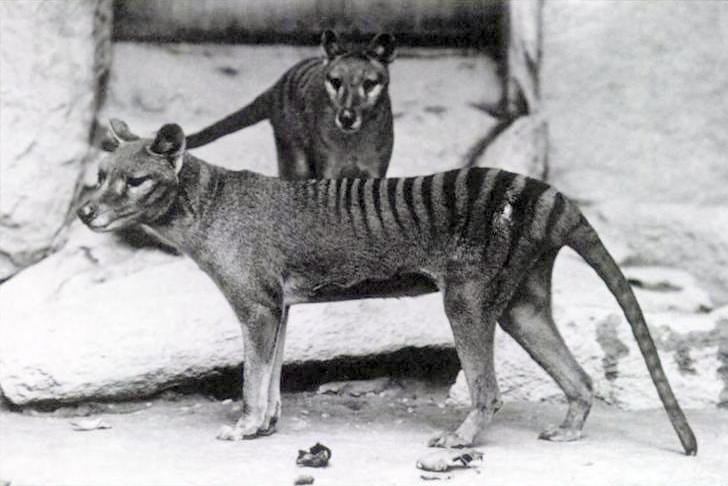
Thylacinus cynocephalus
The striped marsupial predator of Tasmania: last captive animal died in 1936.
Read entry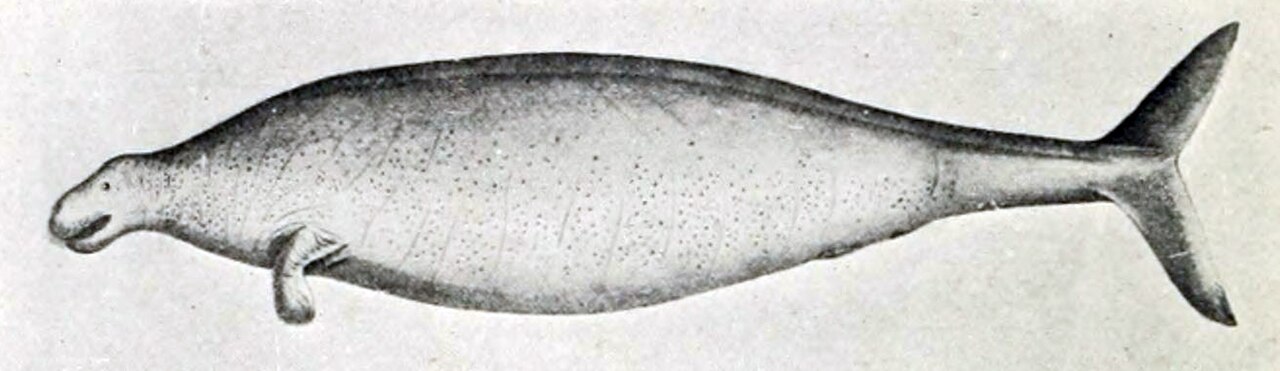
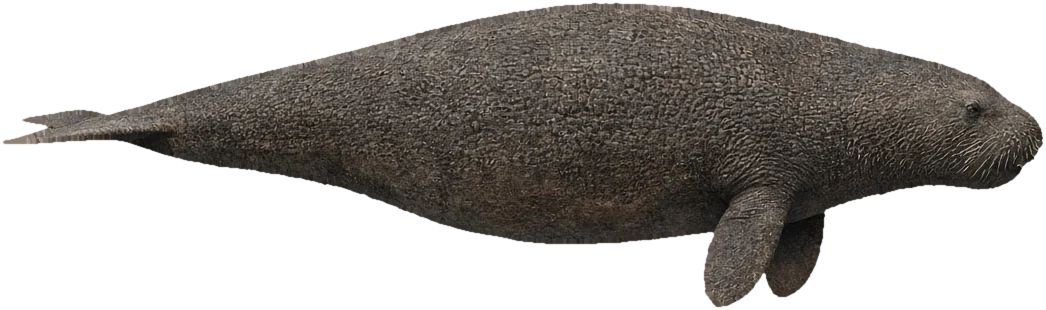
Hydrodamalis gigas
Described in 1741; hunted out by 1768: about 27 years after Europeans found it.
Read entry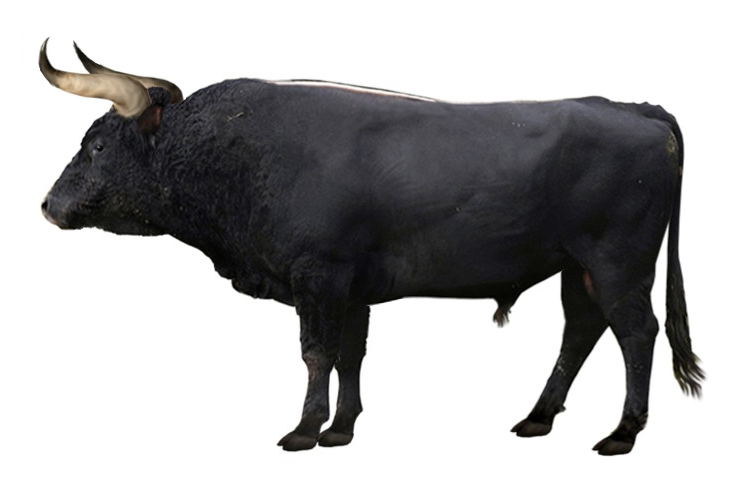
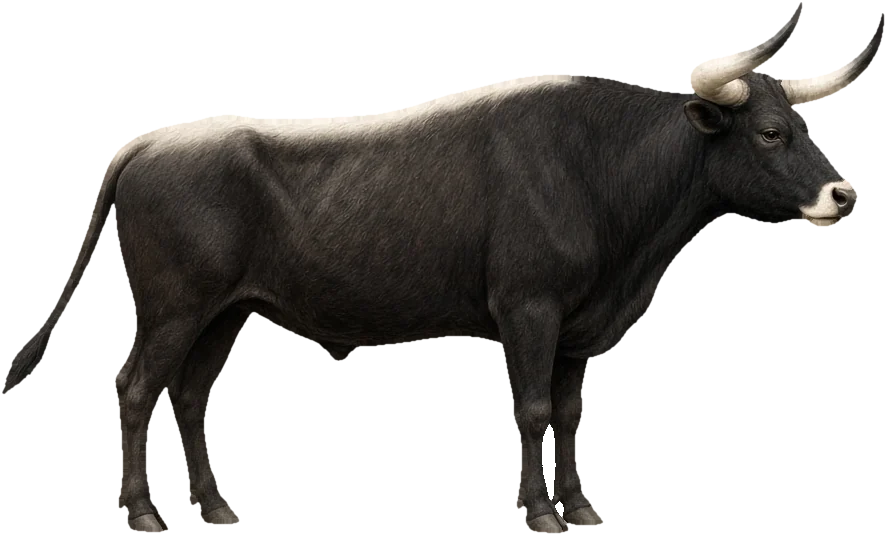
Bos primigenius
The wild ancestor of cattle; the last recorded animal died in Poland in 1627.
Read entry
Pinguinus impennis
A flightless North Atlantic seabird; the last confirmed pair was killed in 1844 for a collector.
Read entry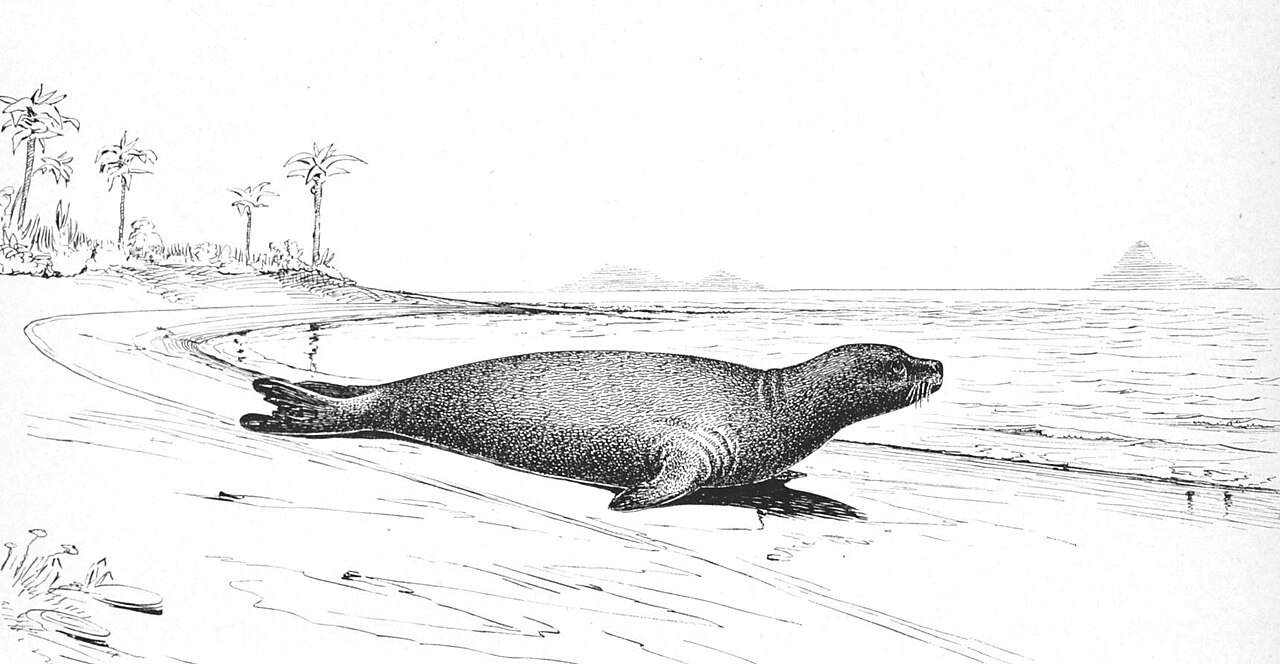
Neomonachus tropicalis
The only seal native to the Caribbean; last confirmed sighting 1952, declared extinct later.
Read entry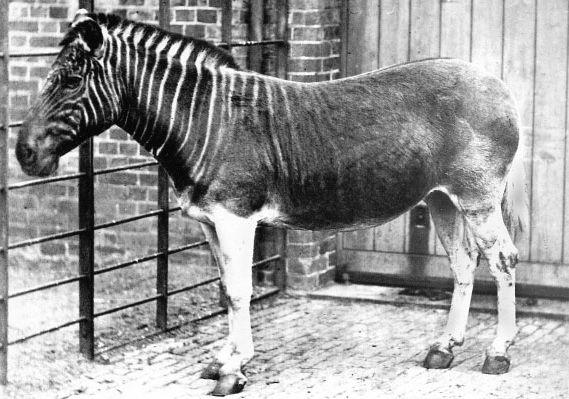
Equus quagga quagga
A South African zebra subspecies shot out in the wild; the last captive mare died in 1883.
Read entry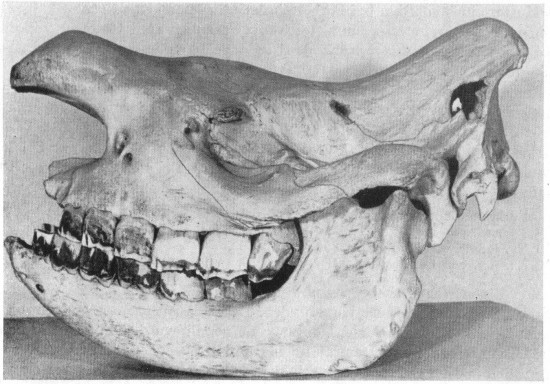
Diceros bicornis longipes
A West African black-rhino subspecies declared extinct by IUCN in 2011 after poaching.
Read entry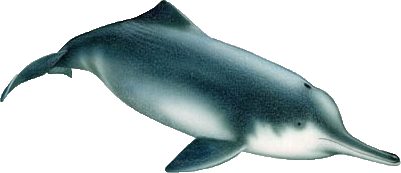
Lipotes vexillifer
The Yangtze river dolphin: no confirmed sighting since 2002; IUCN still says possibly extinct.
Read entry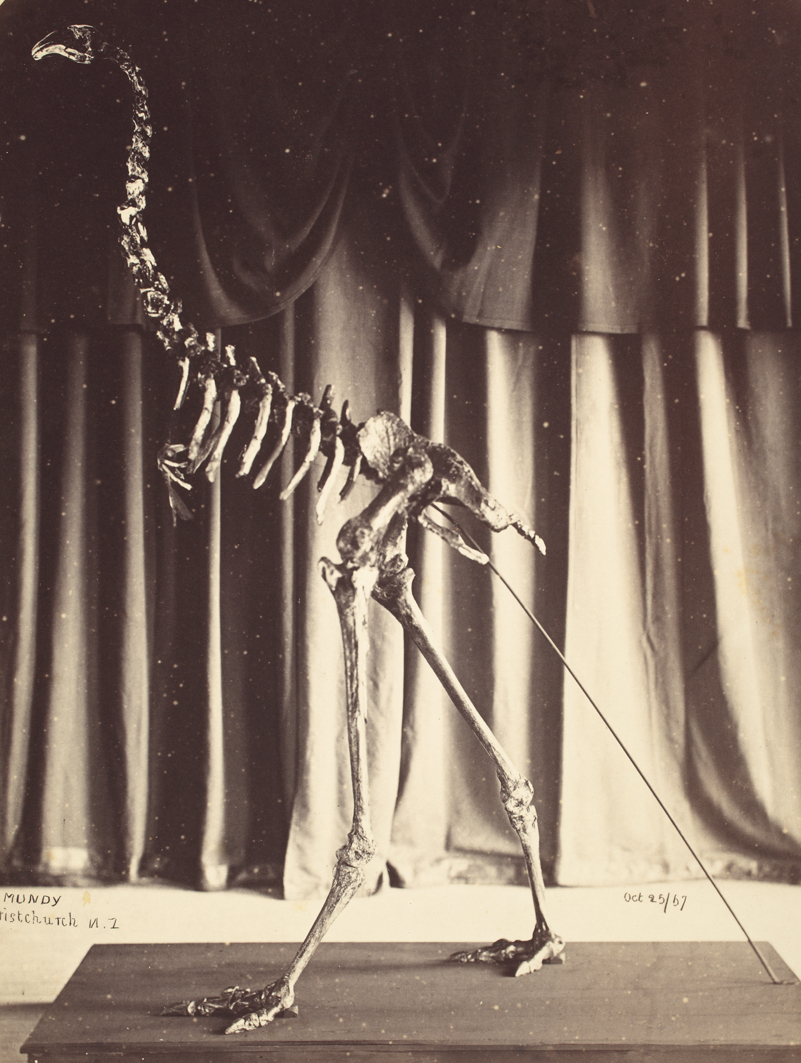
Dinornis robustus
New Zealand’s giant flightless birds, gone within about two centuries of human arrival.
Read entry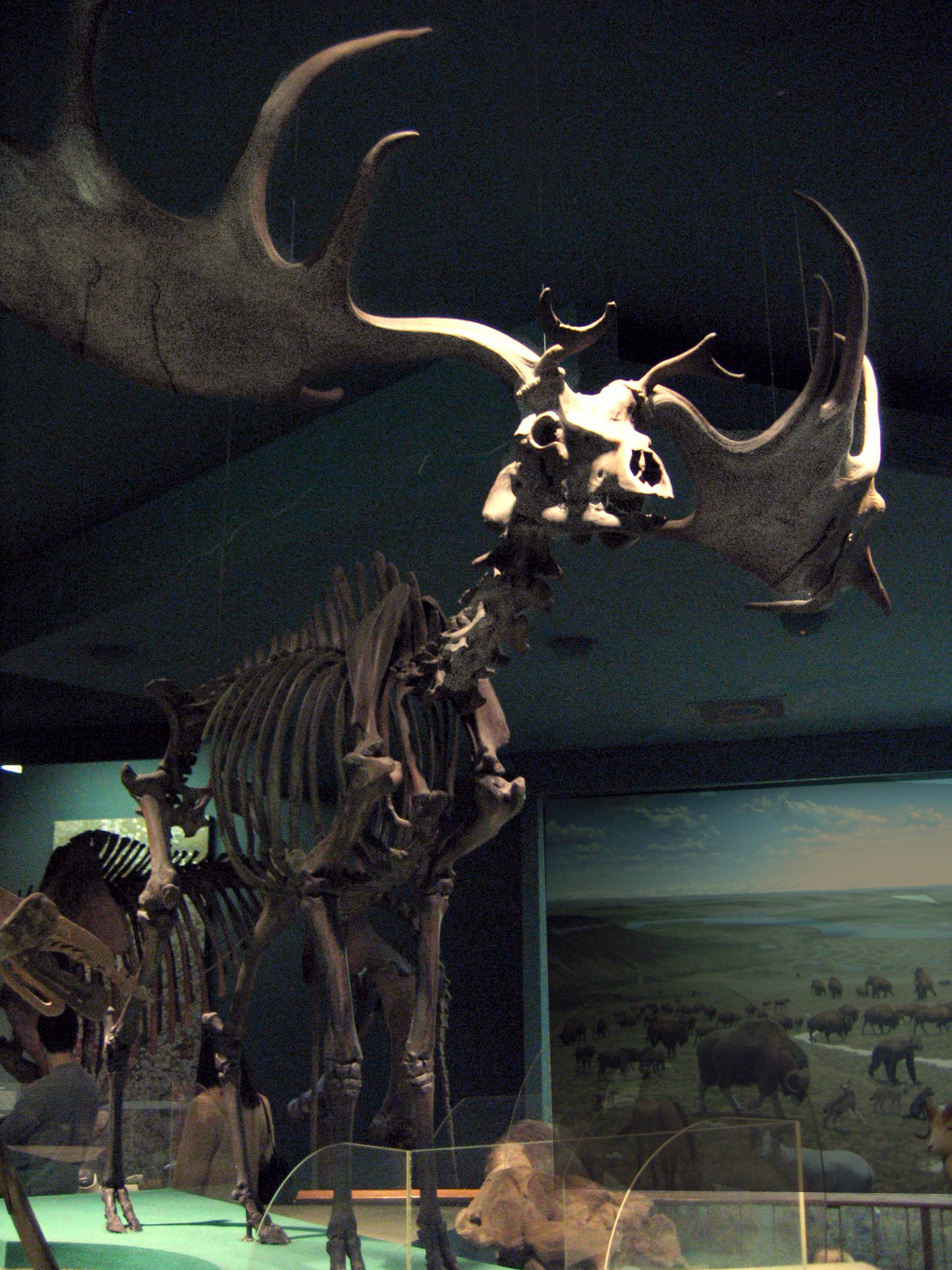
Megaloceros giganteus
A giant deer of Ice Age Eurasia: gone from Ireland with a cold snap, last holdouts in Siberia in the mid-Holocene.
Read entry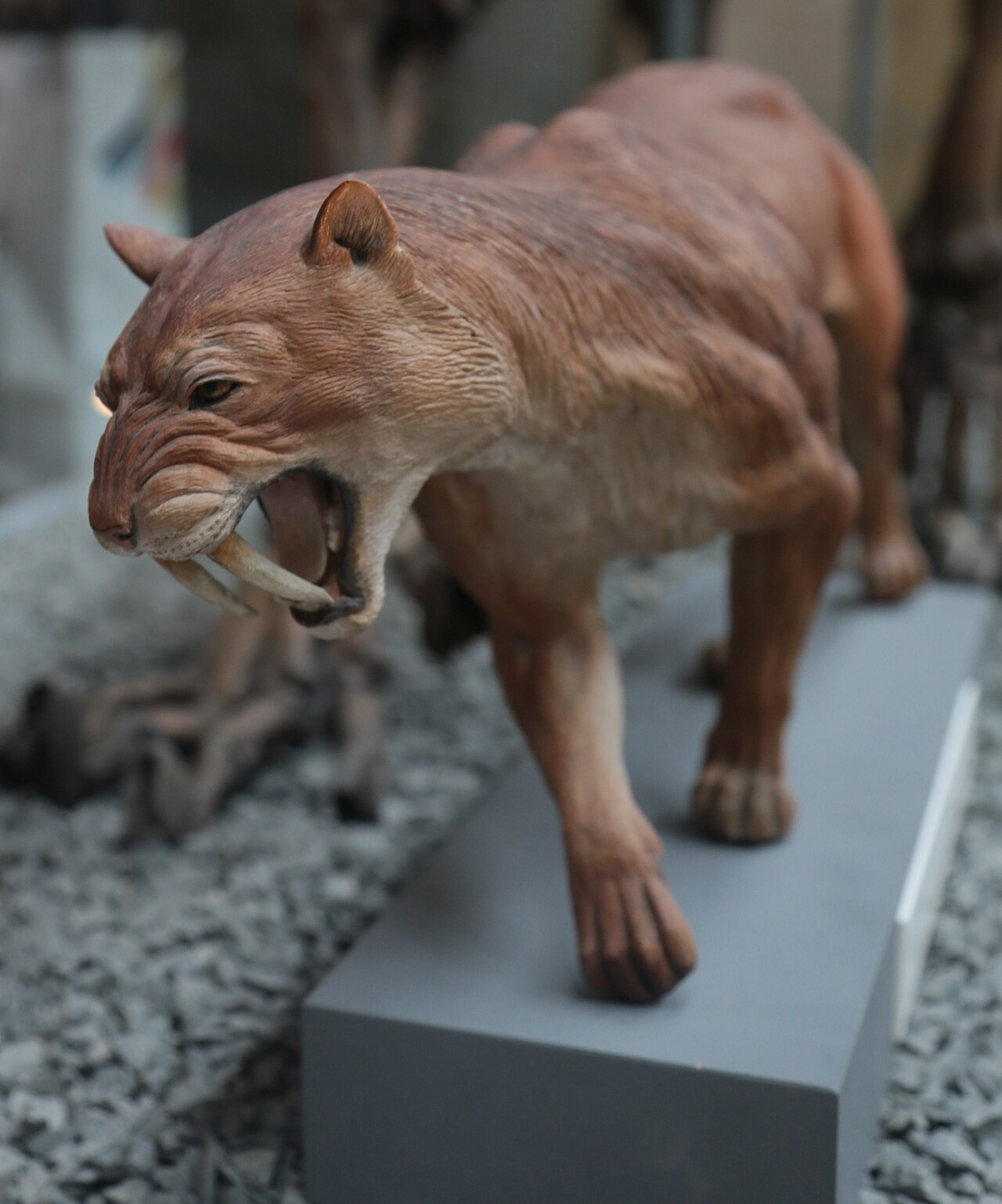
Smilodon fatalis
The La Brea sabertooth of North America: extinct with other American megafauna after people arrived.
Read entry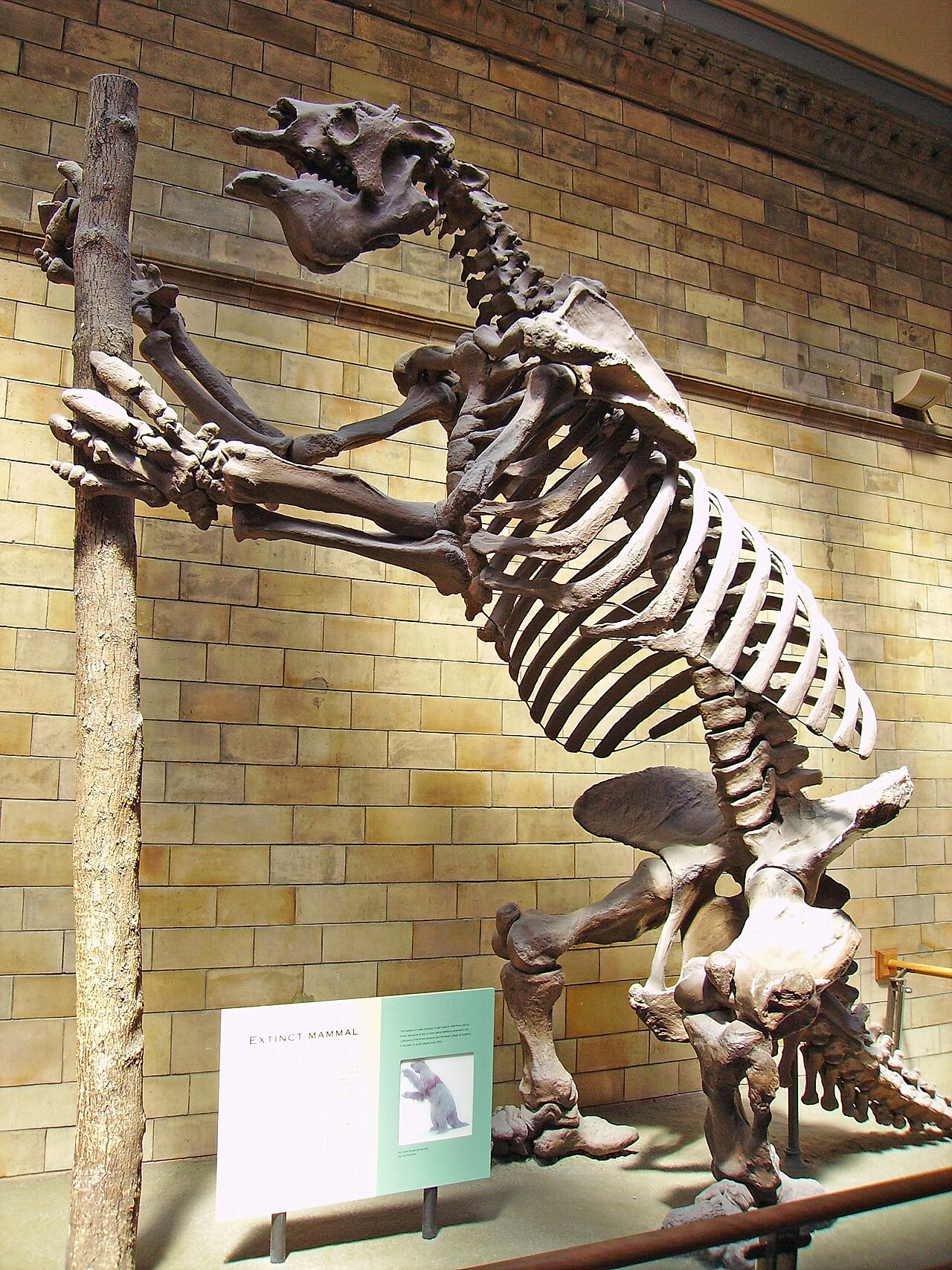
Megatherium americanum
An elephant-sized South American sloth; butchered bones show people hunted it before it vanished.
Read entry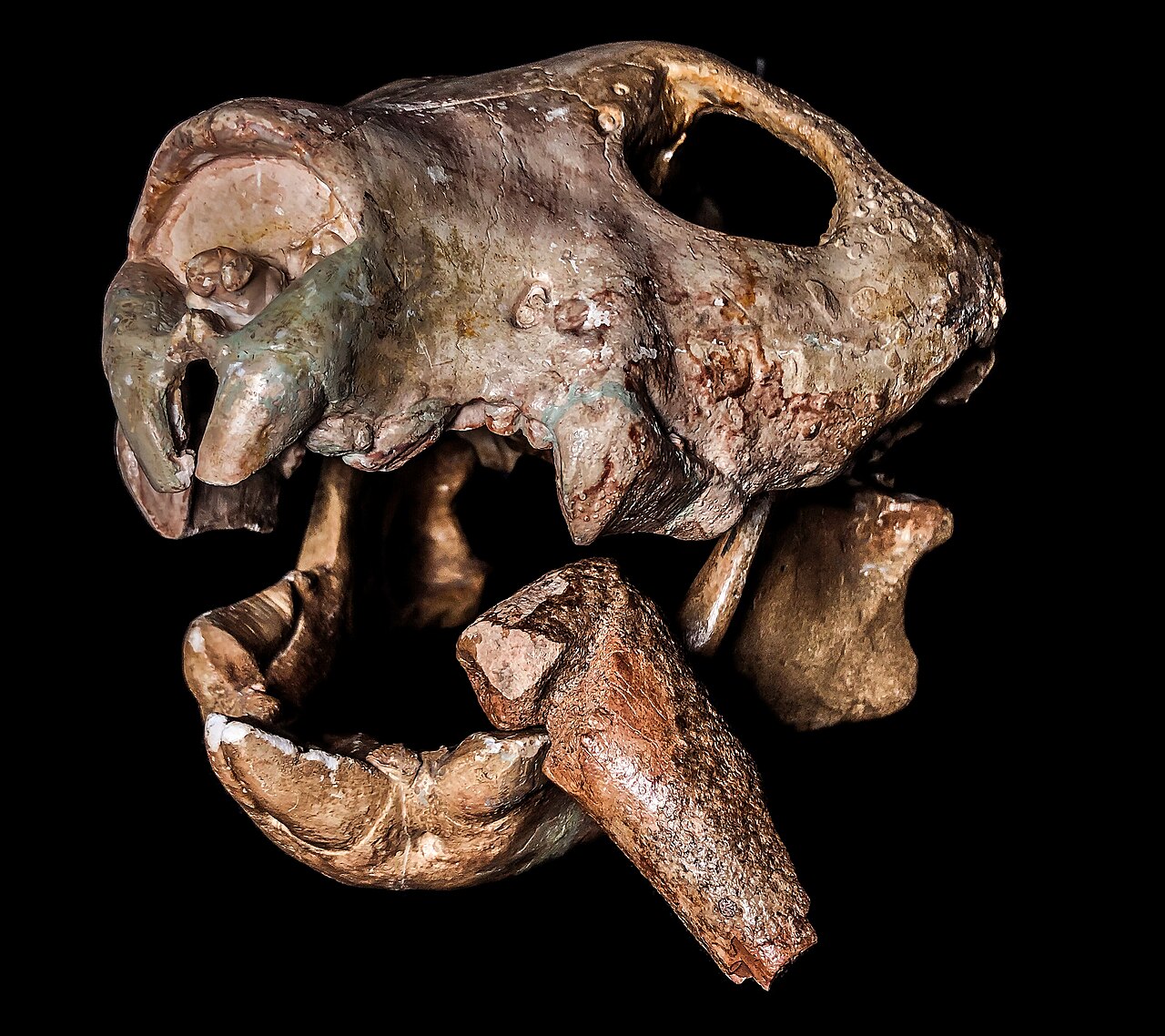
Thylacoleo carnifex
Australia’s largest marsupial carnivore: gone in the same 50-40 thousand-year window as the rest of the continent’s megafauna.
Read entry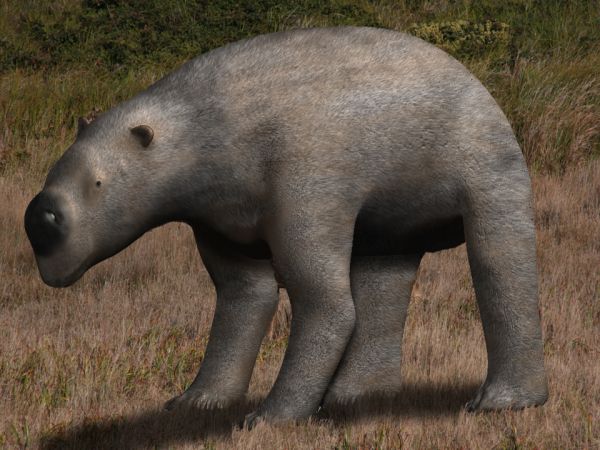
Diprotodon optatum
The largest marsupial ever: a rhino-sized browser of Pleistocene Australia, gone with the rest of the megafauna.
Read entry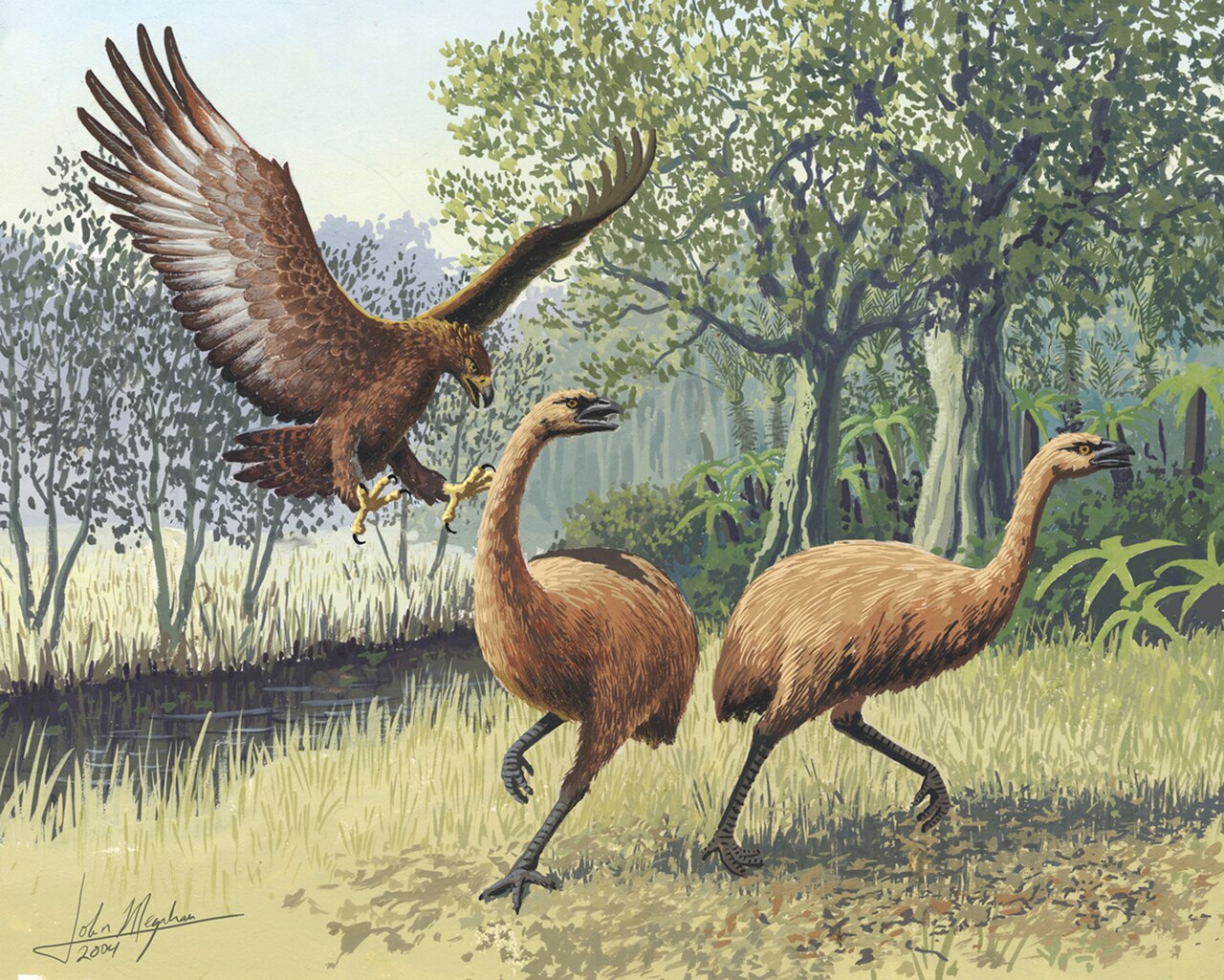
Hieraaetus moorei
The largest eagle known; it hunted moa, then vanished when people removed its prey.
Read entry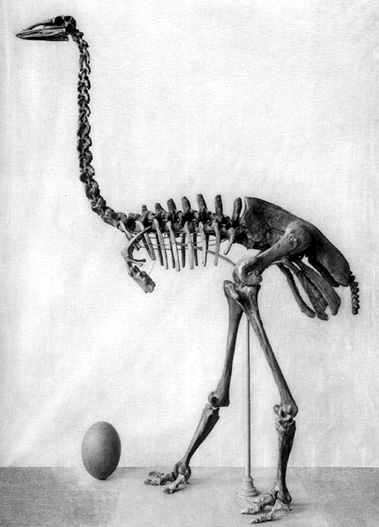
Aepyornis maximus
Madagascar’s giant flightless birds, hunted and robbed of eggs after people settled the island.
Read entry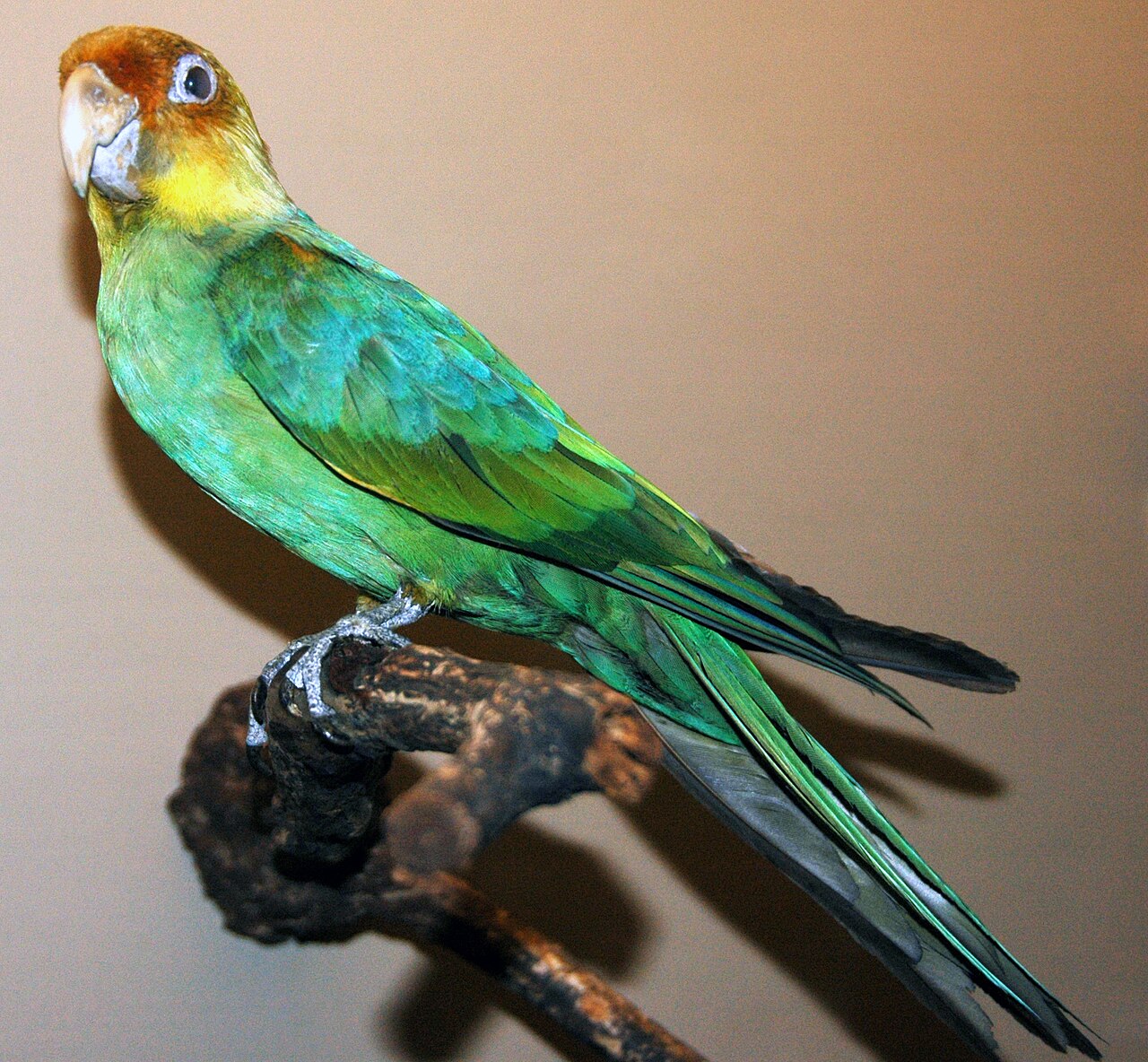
Conuropsis carolinensis
The only parrot of the eastern United States; the last captive bird died in 1918, in the same zoo as the last passenger pigeon.
Read entry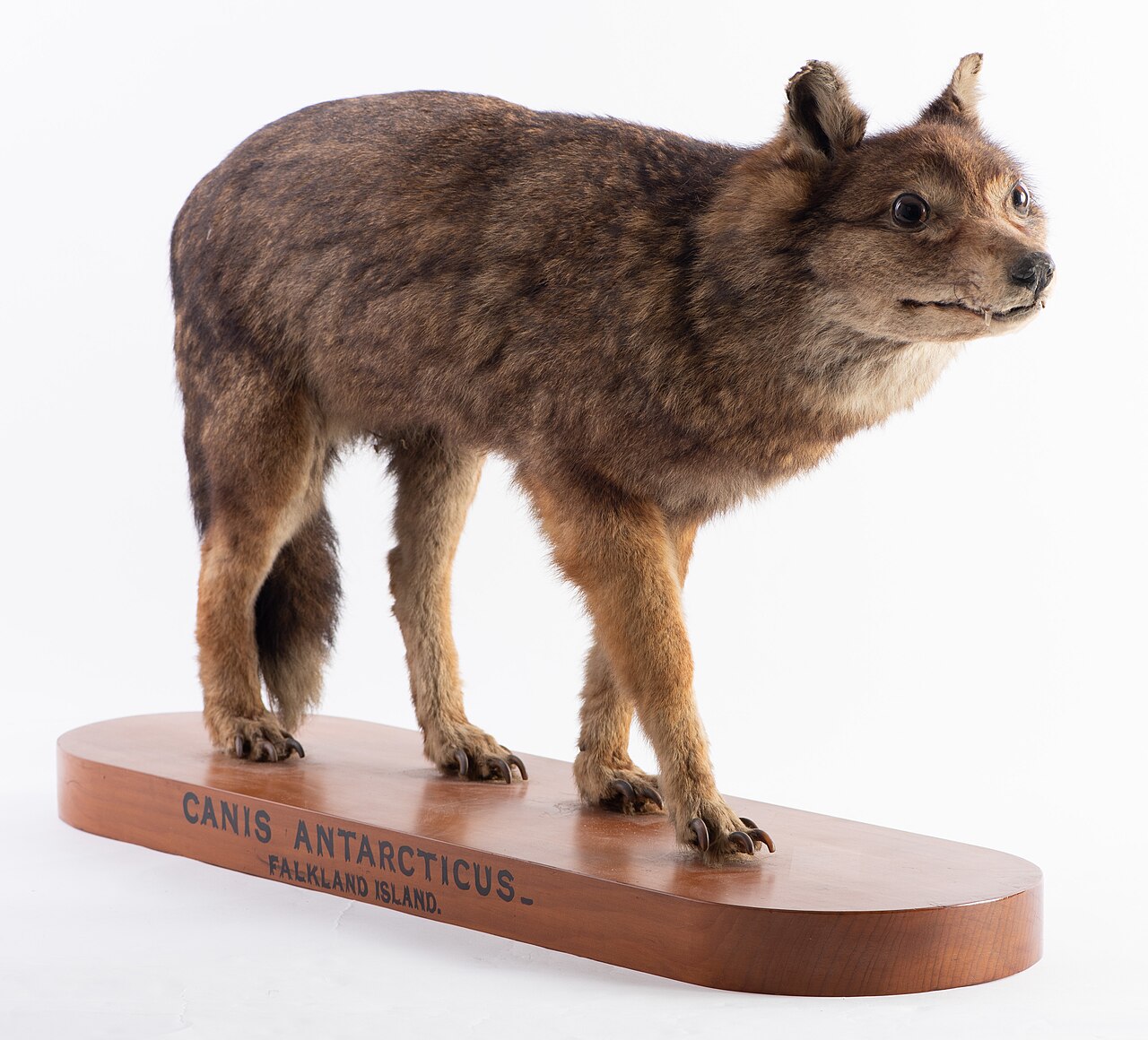
Dusicyon australis
The only native land mammal of the Falklands; Darwin saw it, and settlers finished it in 1876.
Read entry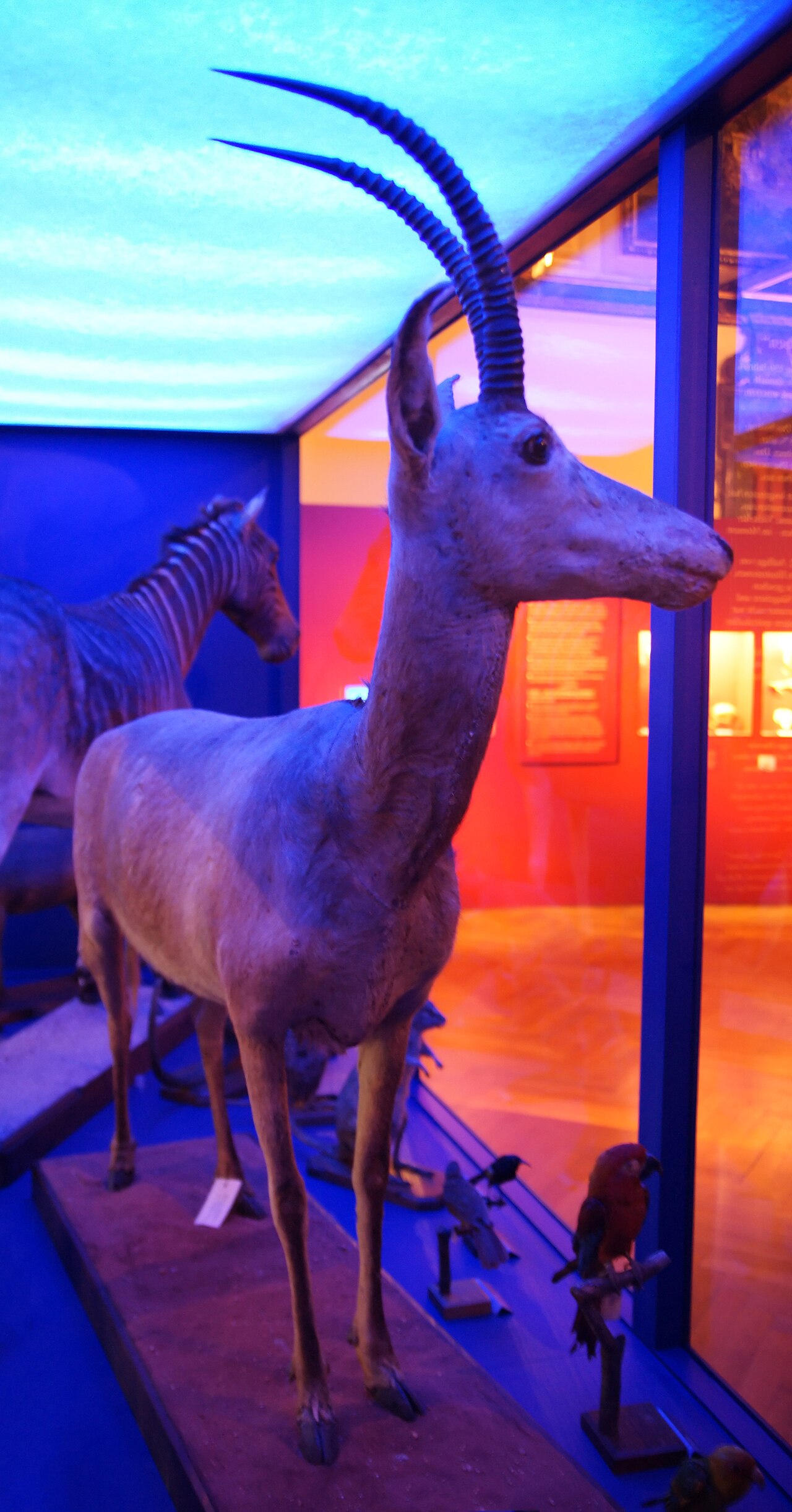
Hippotragus leucophaeus
The first large African mammal wiped out in historical time: gone from the Cape around 1800.
Read entry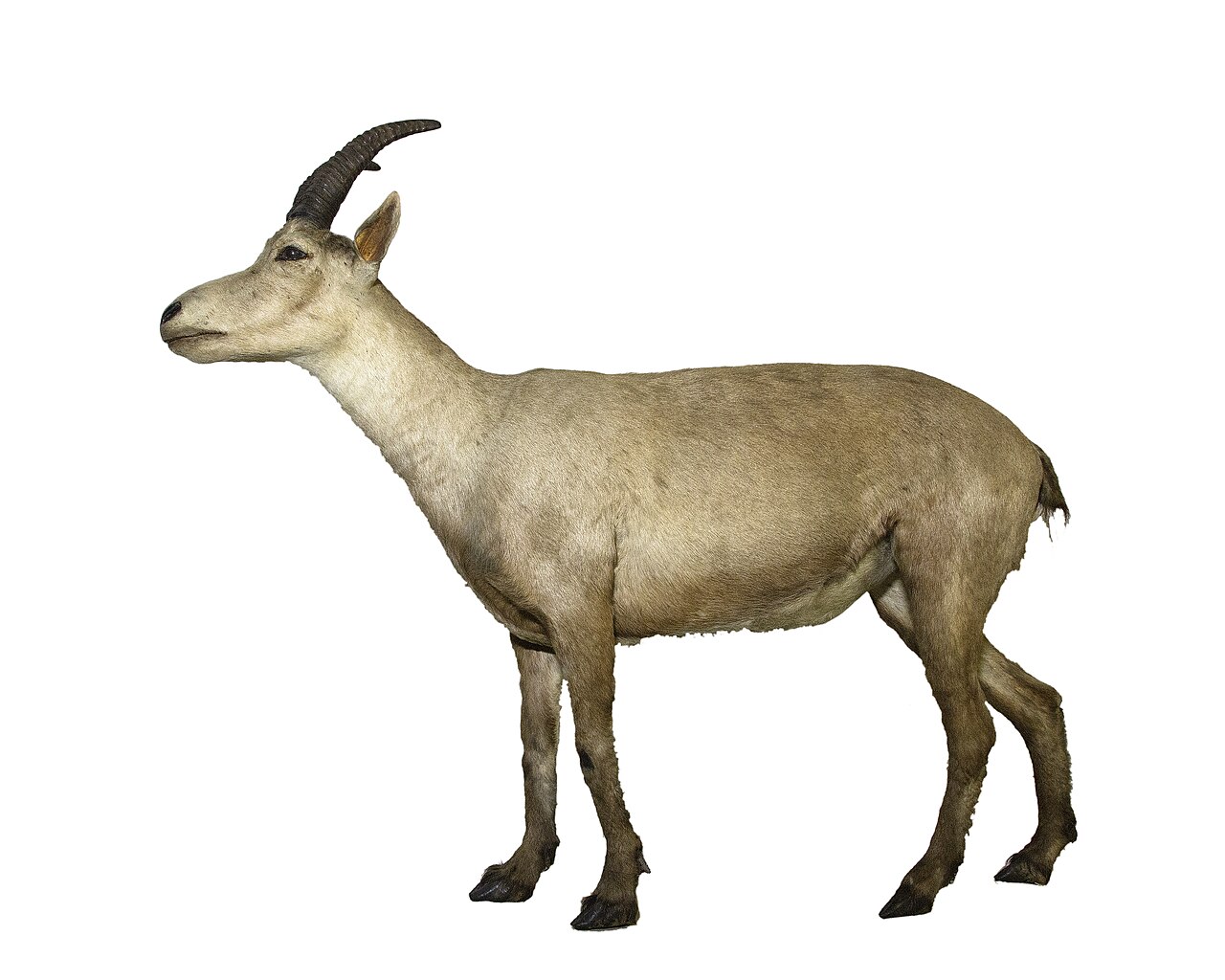
Capra pyrenaica pyrenaica
A Pyrenean subspecies of Iberian ibex; the last wild female died in 2000. A clone born in 2003 lived minutes.
Read entry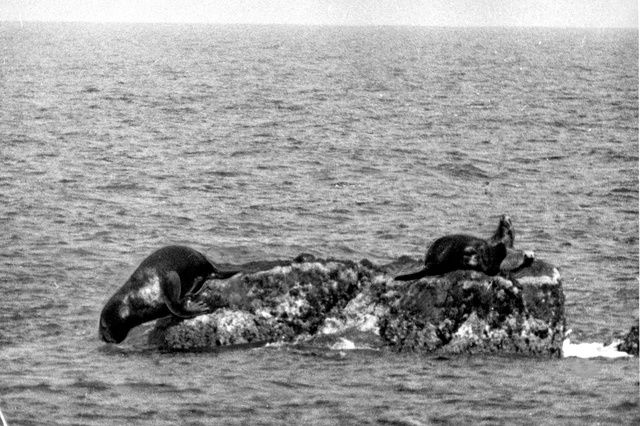
Zalophus japonicus
Hunted out of the Sea of Japan; last reliable colony counted in the 1950s.
Read entry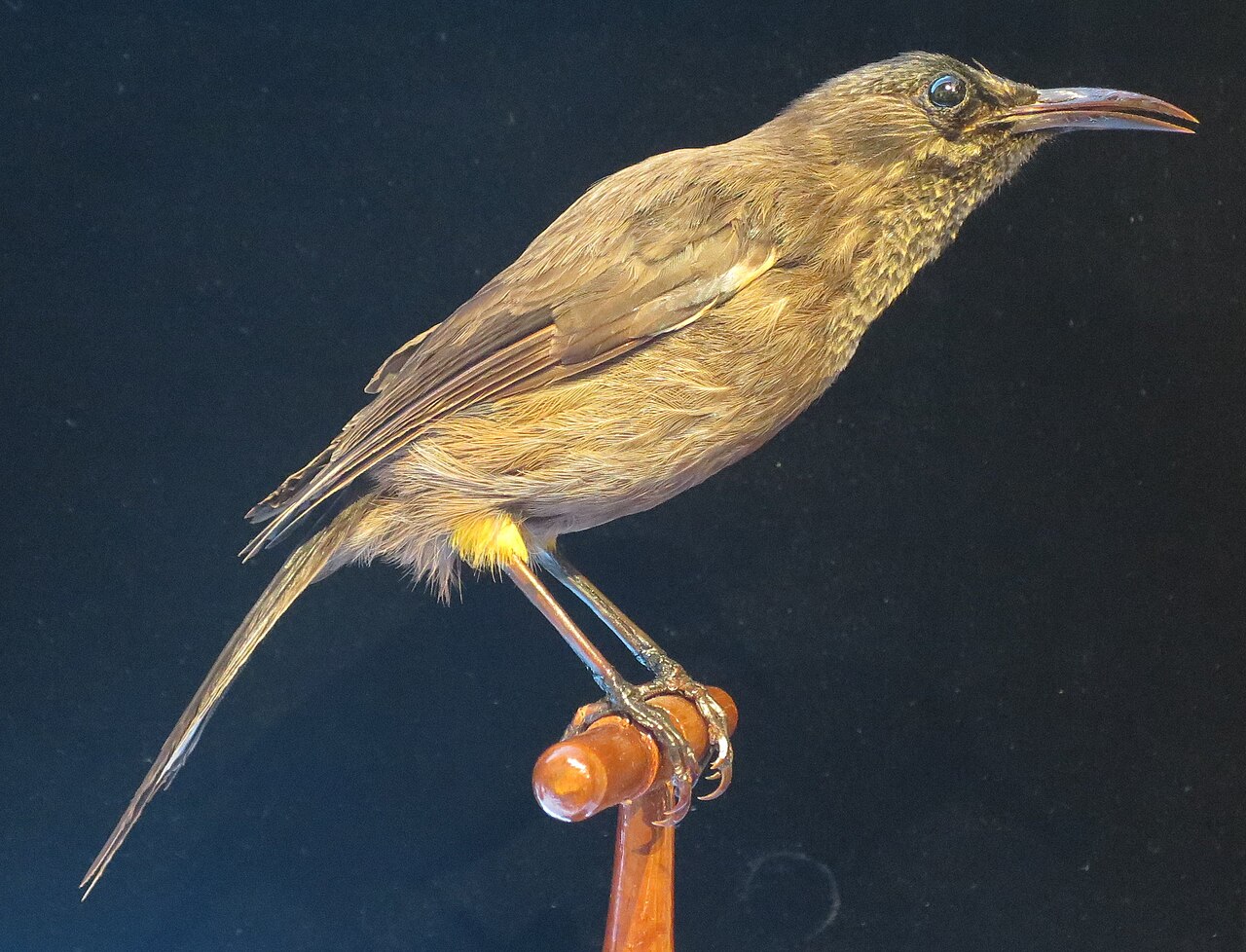
Moho braccatus
The last Hawaiian honeyeater; a lone male was recorded singing in 1987, answering no mate.
Read entry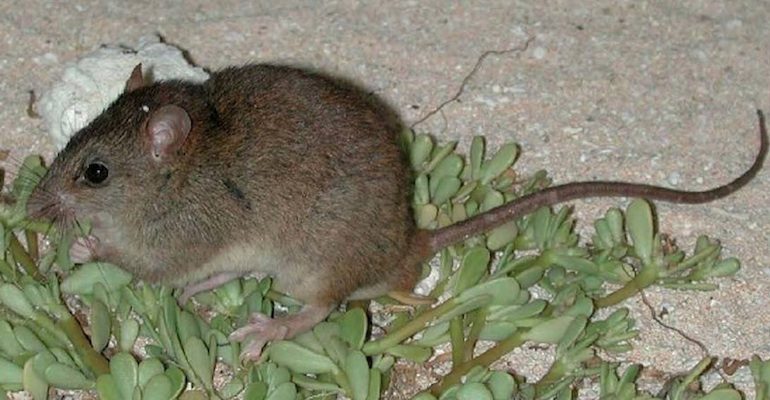
Melomys rubicola
A rodent of one tiny coral cay: the first mammal extinction widely attributed to human-caused climate change.
Read entry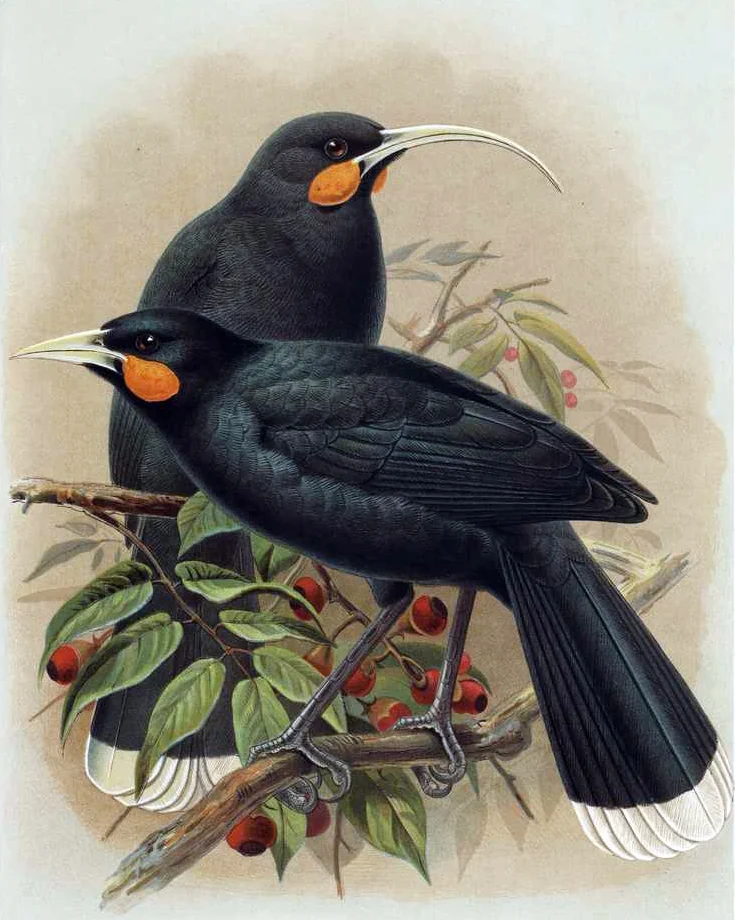
Heteralocha acutirostris
A New Zealand forest bird whose male and female had completely different bills.
Read entry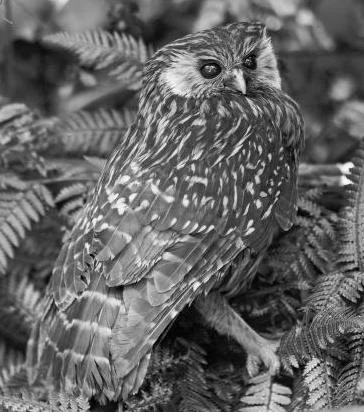
Sceloglaux albifacies
A New Zealand owl named for its loud call, often compared to a person laughing.
Read entry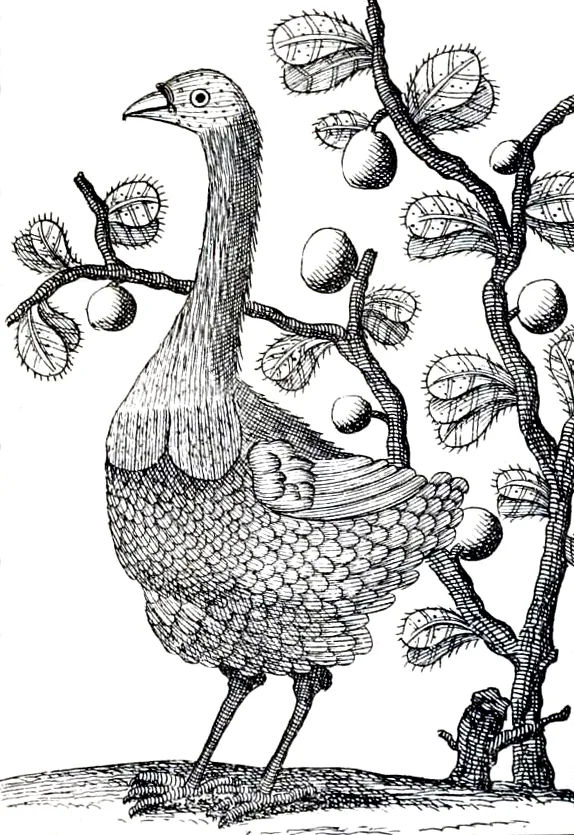
Pezophaps solitaria
A tall, flightless cousin of the dodo that fought with bony knobs on its wings.
Read entry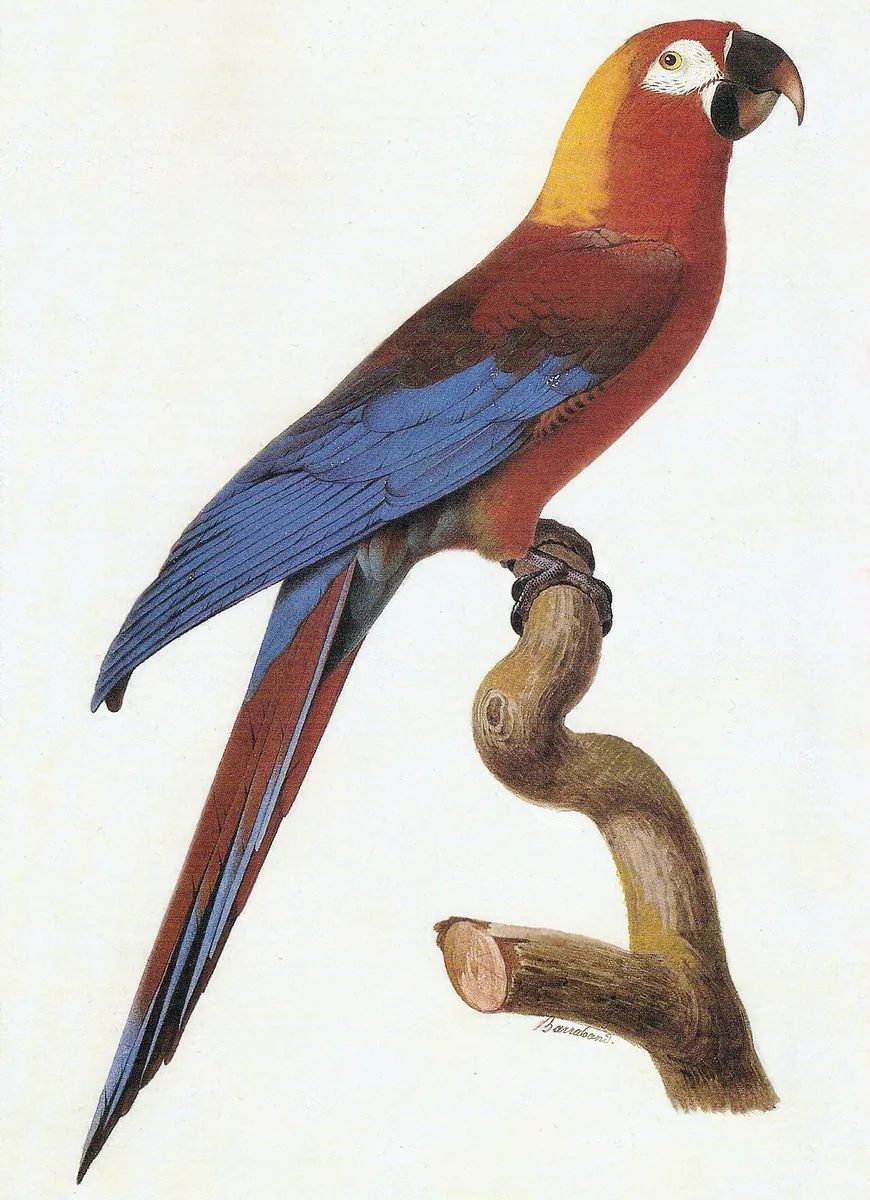
Ara tricolor
A small red, orange and yellow macaw that lived only in Cuba.
Read entry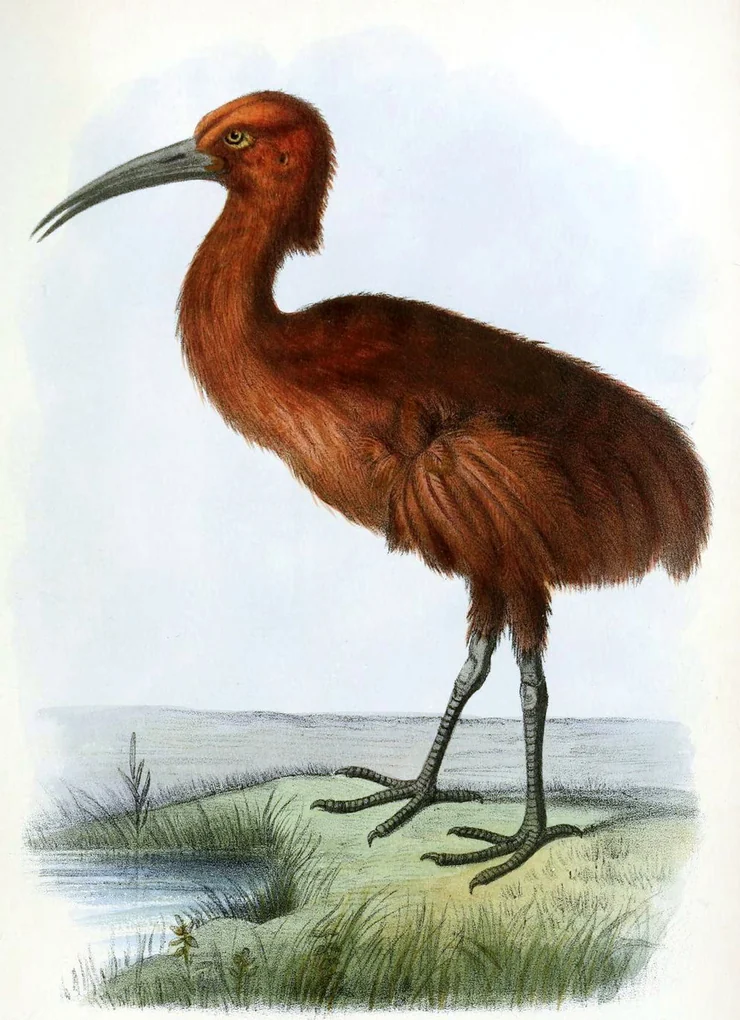
Aphanapteryx bonasia
A flightless reddish bird of Mauritius that sailors could catch by waving a red cloth.
Read entry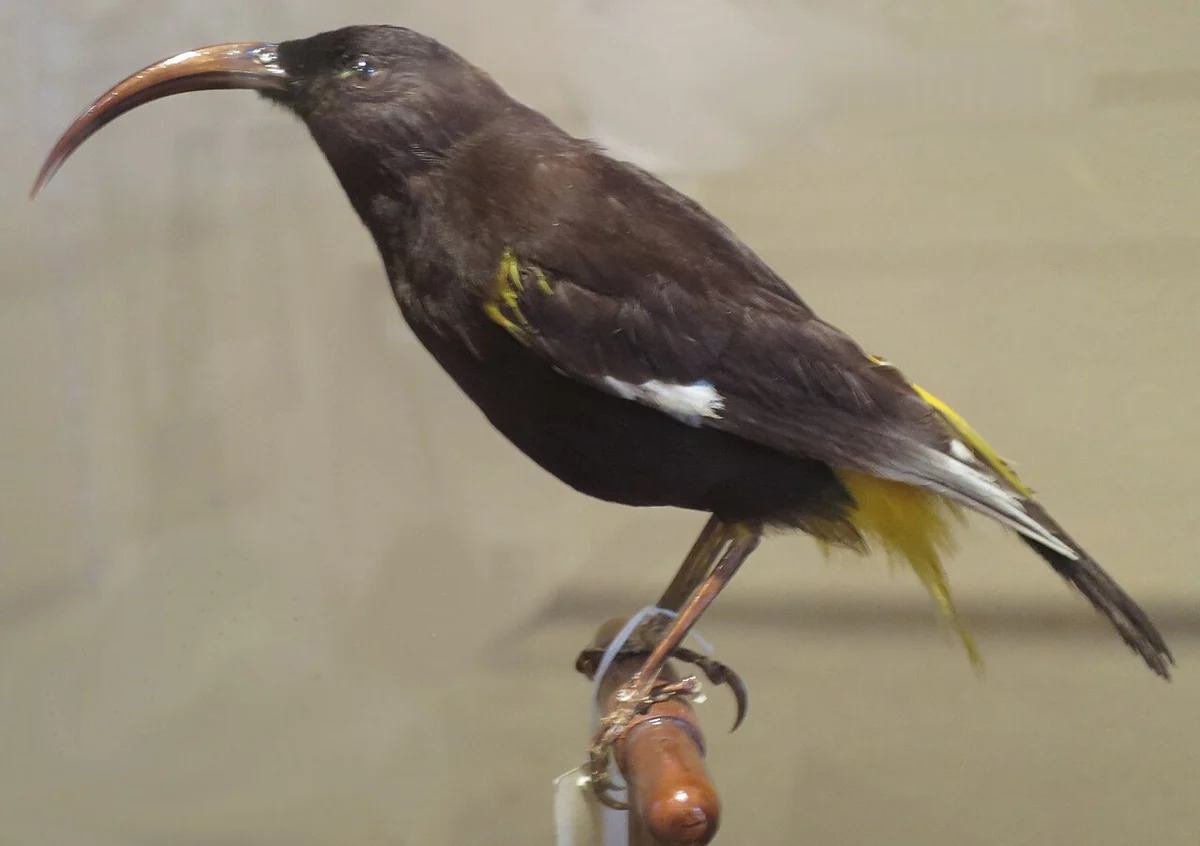
Drepanis pacifica
A black and gold honeycreeper whose feathers covered the cloaks of Hawaiian kings.
Read entry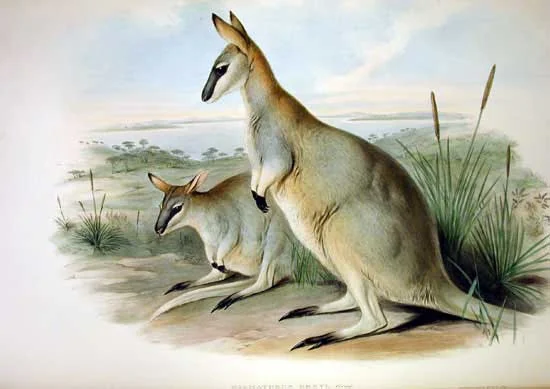
Macropus greyi
Possibly the most graceful and fastest of all wallabies, gone within 85 years of European settlement.
Read entry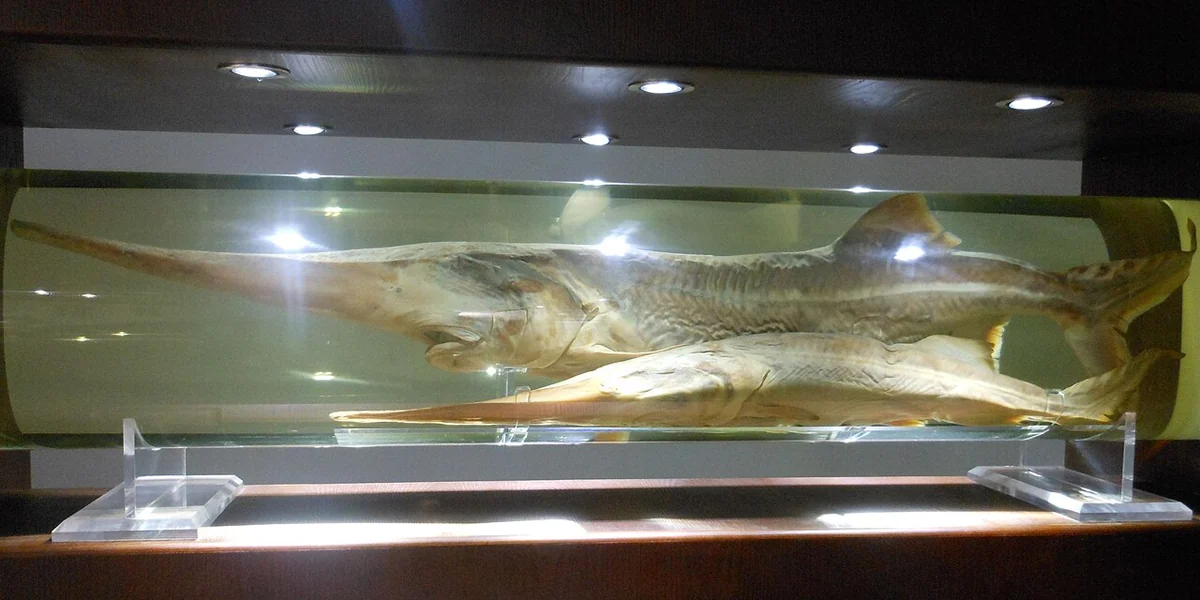
Psephurus gladius
One of the largest freshwater fish in the world, with a long sword shaped snout.
Read entry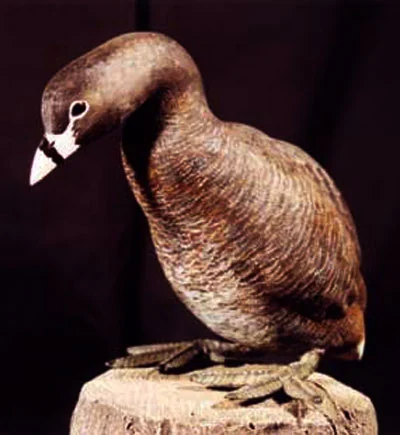
Podilymbus gigas
A large, almost flightless grebe that lived on a single volcanic lake in Guatemala.
Read entry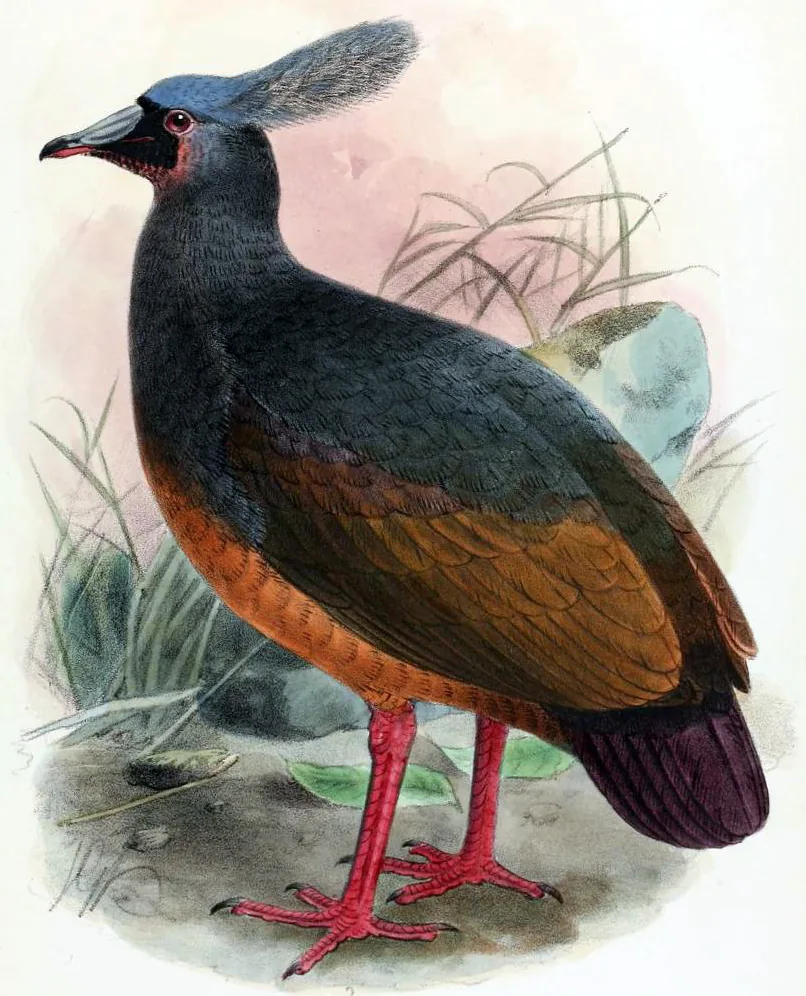
Microgoura meeki
A crested ground pigeon from the Solomon Islands known only from six birds and one egg.
Read entry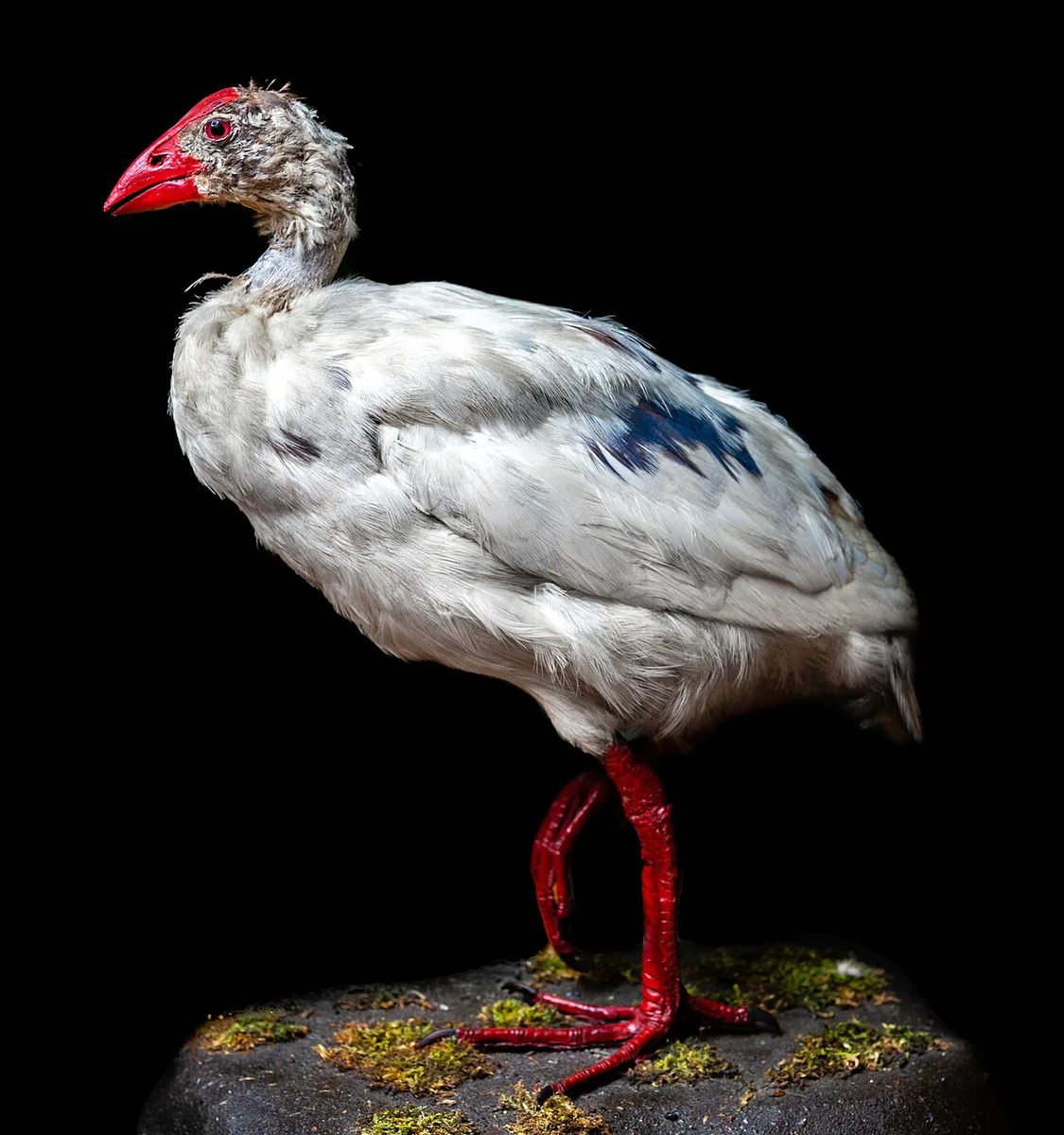
Porphyrio albus
A white, flightless relative of the takahē known from just two museum skins.
Read entry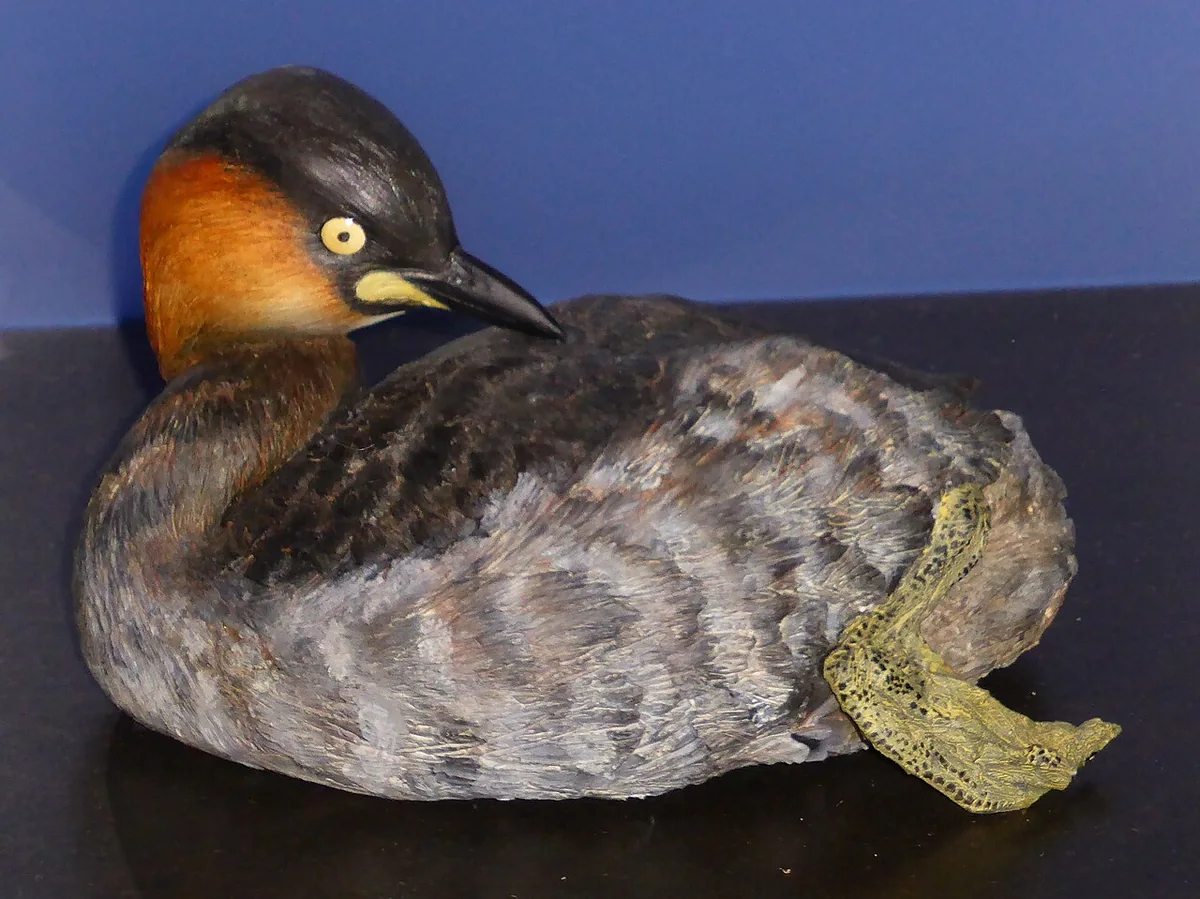
Tachybaptus rufolavatus
A small diving bird of one lake in Madagascar, lost to fishing nets and introduced fish.
Read entry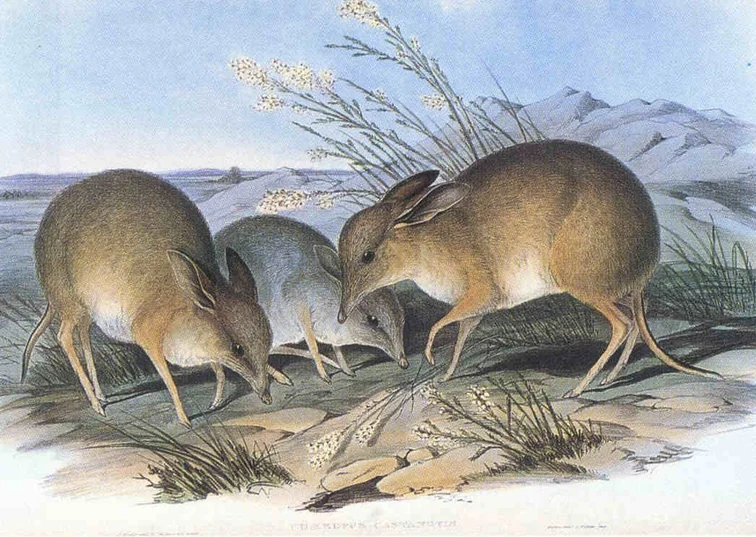
Chaeropus ecaudatus
A small marsupial of the Australian desert with feet like tiny hooves.
Read entry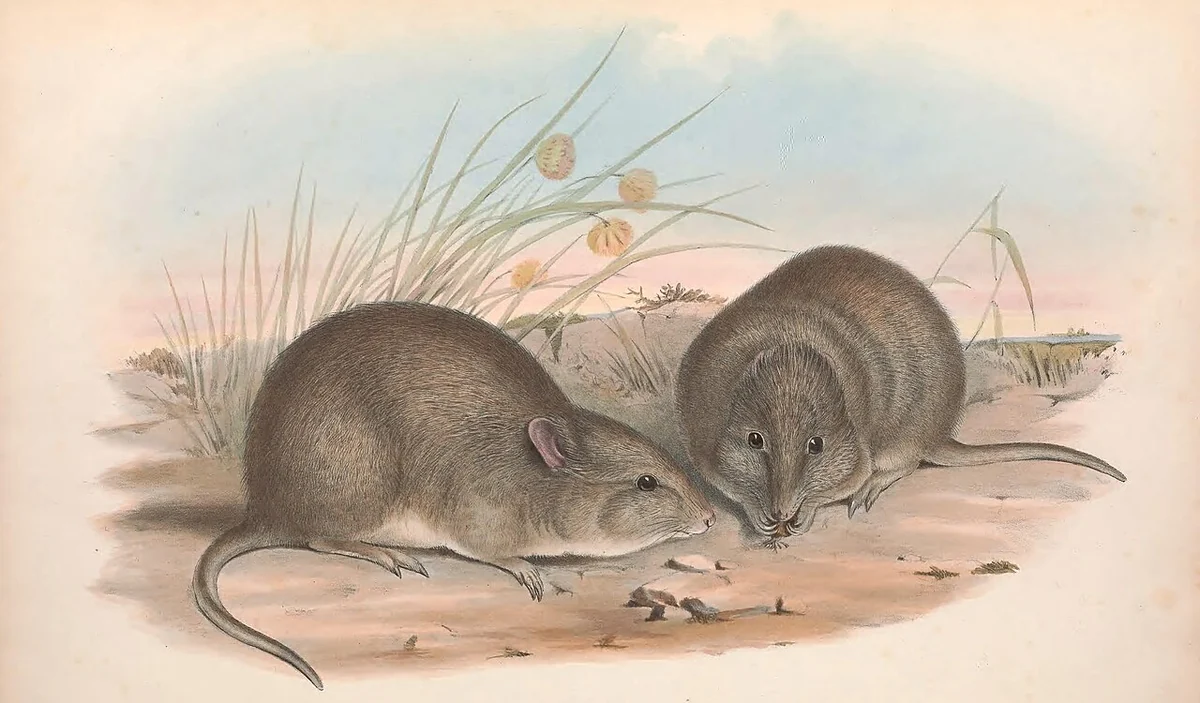
Potorous platyops
A small rat kangaroo of south western Australia, known from only a handful of specimens.
Read entry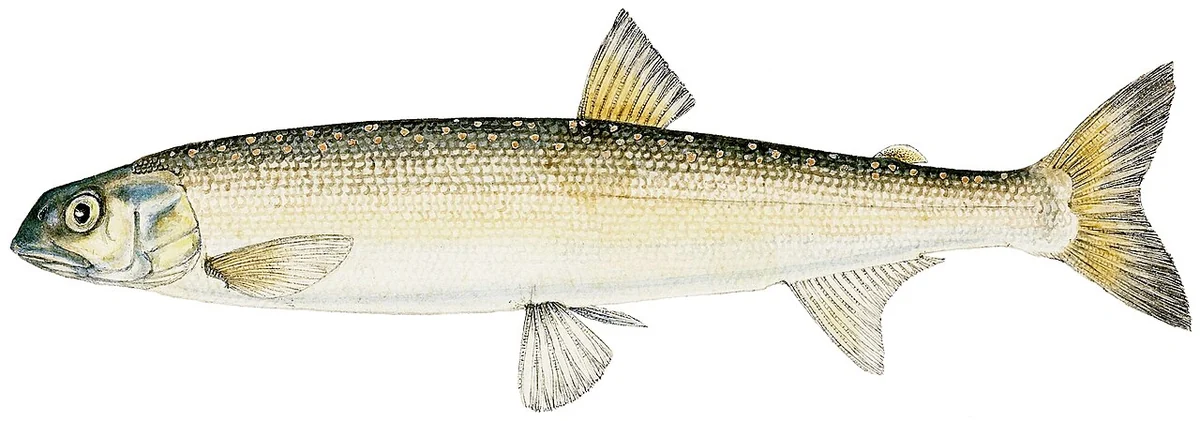
Prototroctes oxyrhynchus
A river fish of New Zealand that Māori once caught by the basketful.
Read entry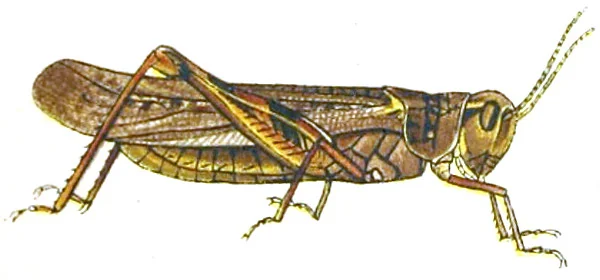
Melanoplus spretus
Its swarms once darkened the North American sky, and then it vanished within a few decades.
Read entry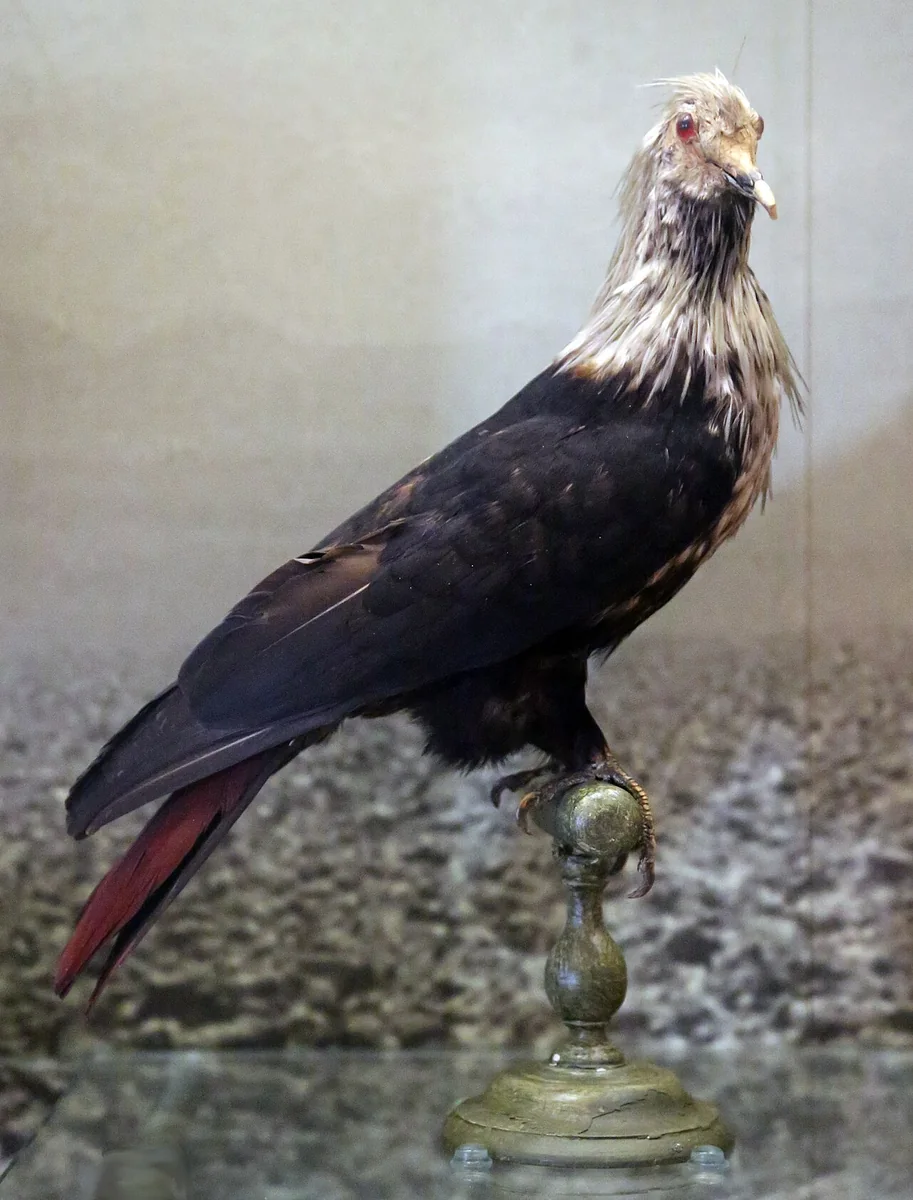
Alectroenas nitidissimus
A blue, white and red pigeon of Mauritius, tame enough to be caught by hand.
Read entry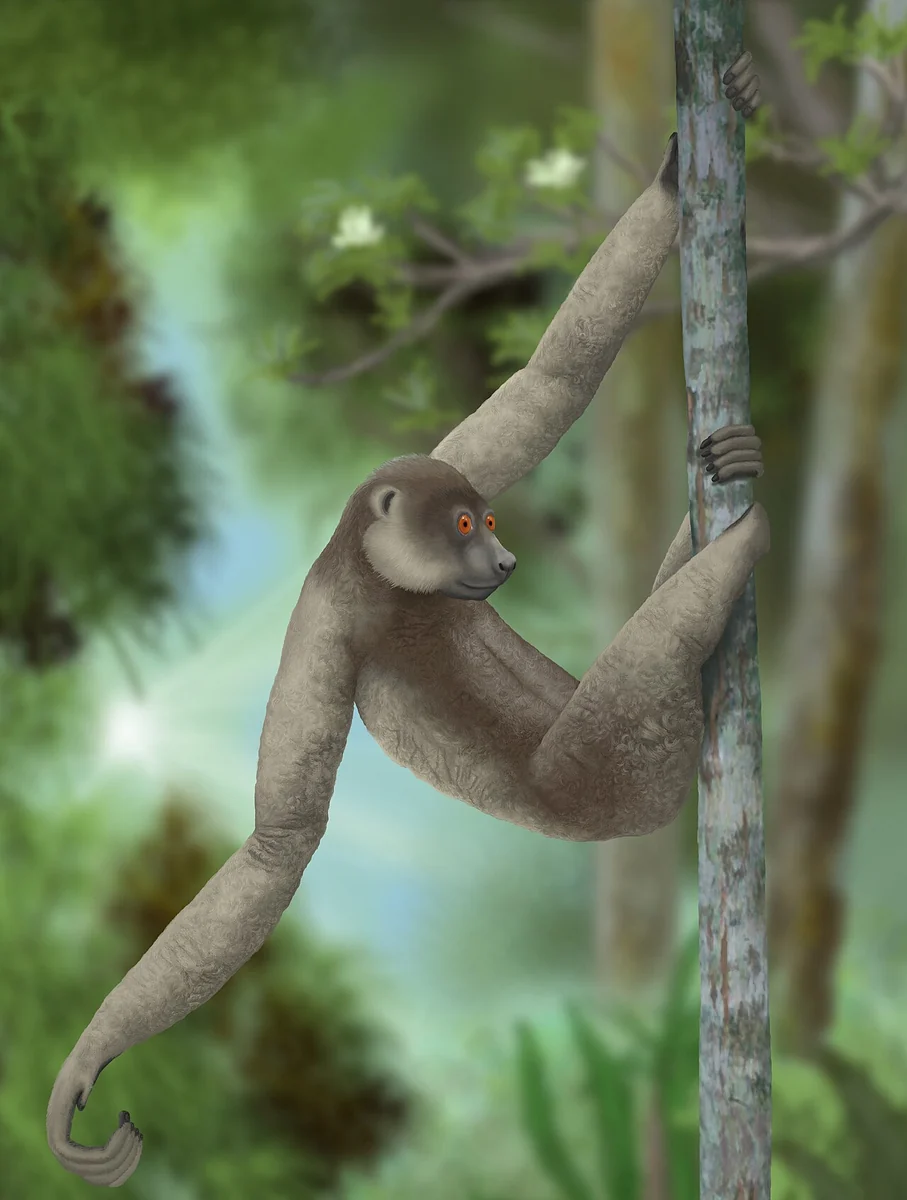
Palaeopropithecus ingens
A giant sloth lemur of Madagascar that hung upside down from branches like a sloth.
Read entry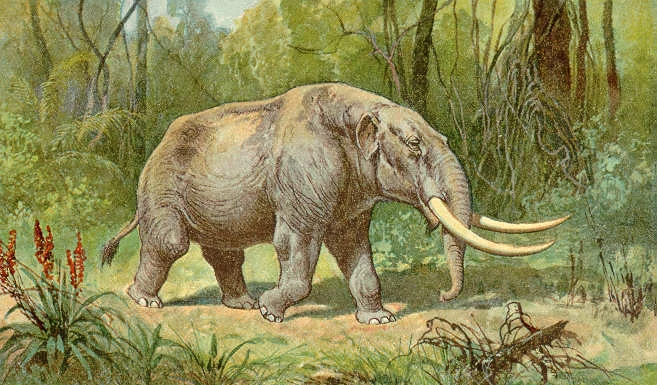
Mammut americanum
A shaggy forest relative of elephants that people of the first American cultures hunted.
Read entry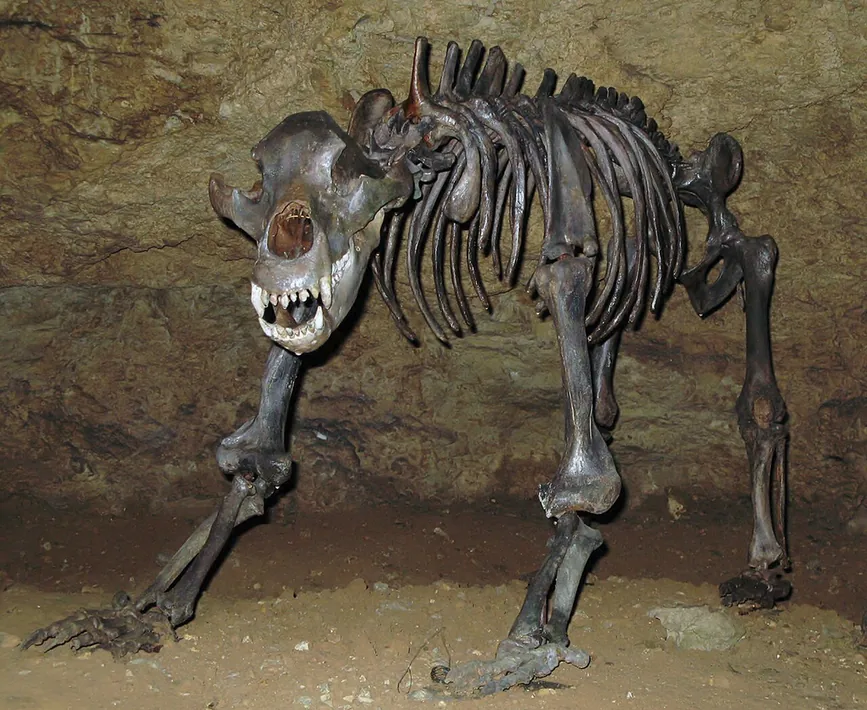
Ursus spelaeus
A huge, mostly plant eating bear that slept through the winter in Europe’s caves.
Read entry