← Solutions

Water

Harvesting, reuse, desalination, leak control, disinfection, recharge, and living filters already in use.

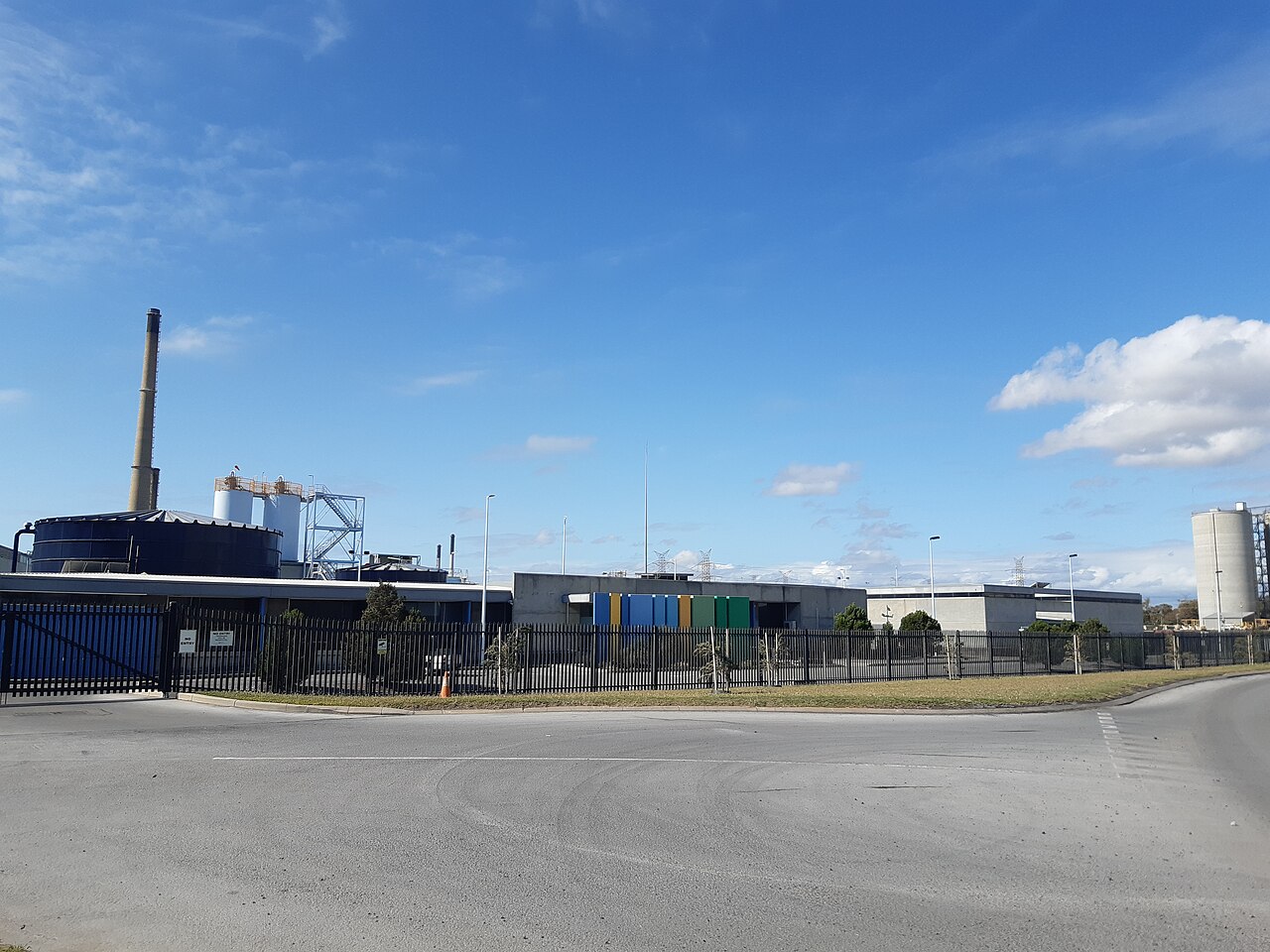
Perth Seawater Desalination Plant beside a fenced access road under a blue sky
Water

Reverse-osmosis desalination

Coastal thirst beside salt water

Problem
Cities can sit on a coast and still run dry. Drought, overdrawn rivers, and growing demand hit drinking water first.
Fix
Reverse-osmosis plants push seawater through membranes and already supply cities in Israel, Spain, Australia, the Gulf, and California. Pairing them with wind or solar cuts the fossil power bill. The plants still use energy, brine must be diluted, and desalination is not a license to waste freshwater inland.
Read →

Source: Water Corporation (WA): Desalination

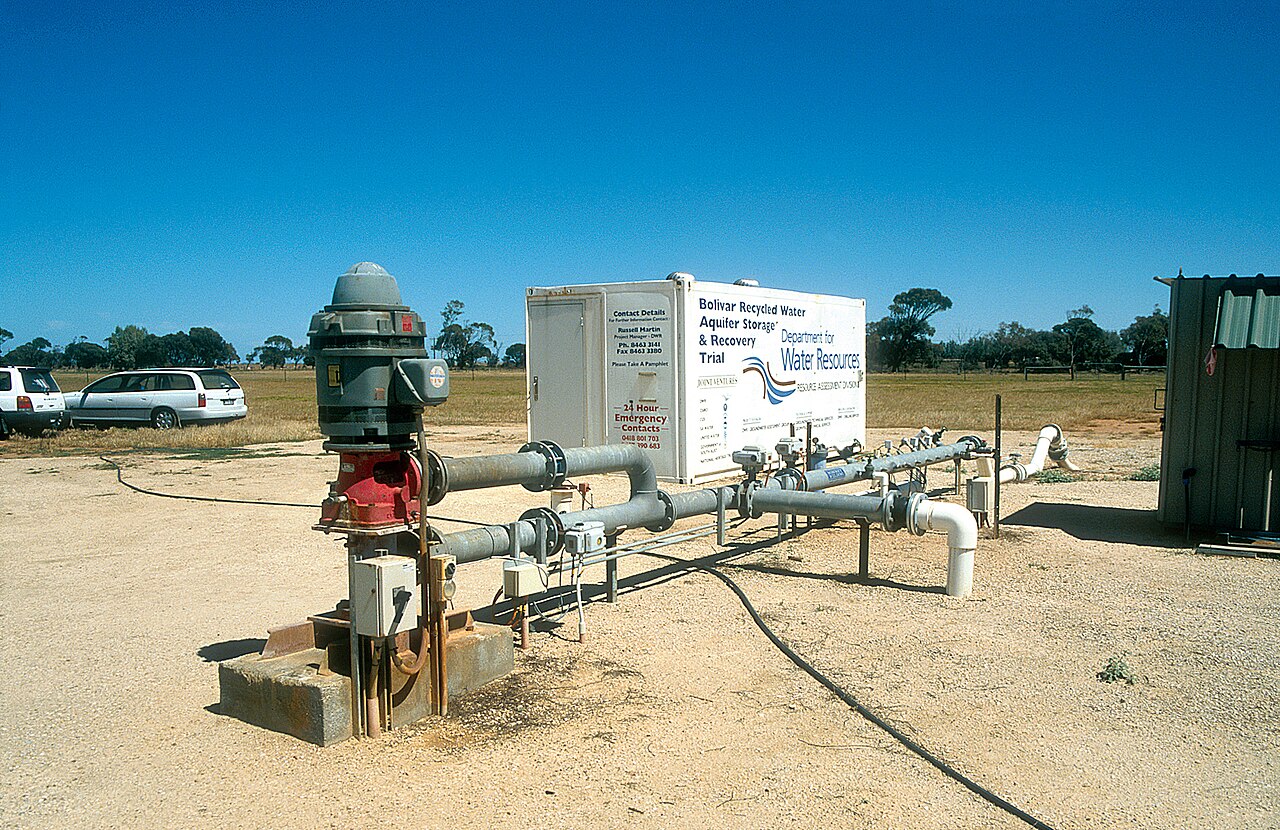
Pipes, a pump, and a labeled container at the Bolivar recycled-water aquifer storage and recovery trial in South Australia
Water

Managed aquifer recharge

Emptying groundwater

Problem
Wells drop when cities and farms take groundwater faster than rain puts it back. Empty aquifers mean dry taps, sinking land, and no reserve in drought.
Fix
Managed aquifer recharge puts treated stormwater, river water, or recycled wastewater into basins and wells so the ground store refills. Orange County’s Groundwater Replenishment System, Perth’s recycling scheme, and spreading grounds in Arizona already run at city scale. The pictured Bolivar site in South Australia was a recycled-water aquifer storage-and-recovery trial of the same class. It needs clean source water, the right geology, and years of monitoring: it is not a new river.
Read →

Source: Orange County Water District: GWRS

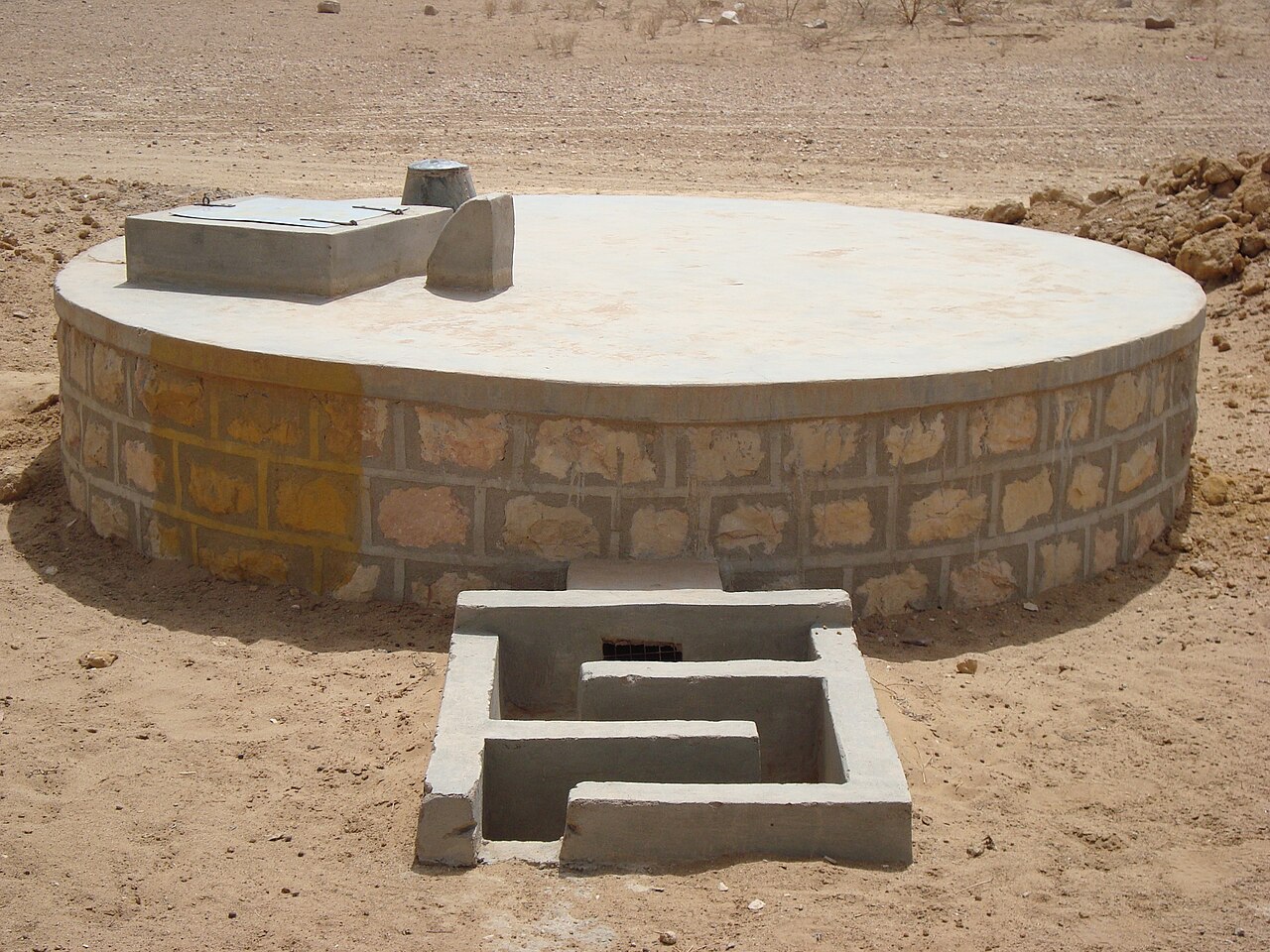
A covered masonry rainwater cistern standing in dry ground in India
Water

Rainwater harvesting

Dry taps beside a wet roof

Problem
Houses and public buildings shed rain into gutters while wells and tankers struggle. In many towns the roof is the nearest catchment, but open barrels breed mosquitoes and dirty first-flush water.
Fix
WHO’s sanitary-inspection advice treats rooftop collection and covered storage as a household water source that still needs first-flush diversion, a closed tank, and regular cleaning. The method is ordinary in dry and monsoon climates. It is not a new river: yield follows the roof and the rain, and poorly kept stores can make people sick.
Read →

Source: WHO: Rainwater collection, storage and management advice sheet (PDF)

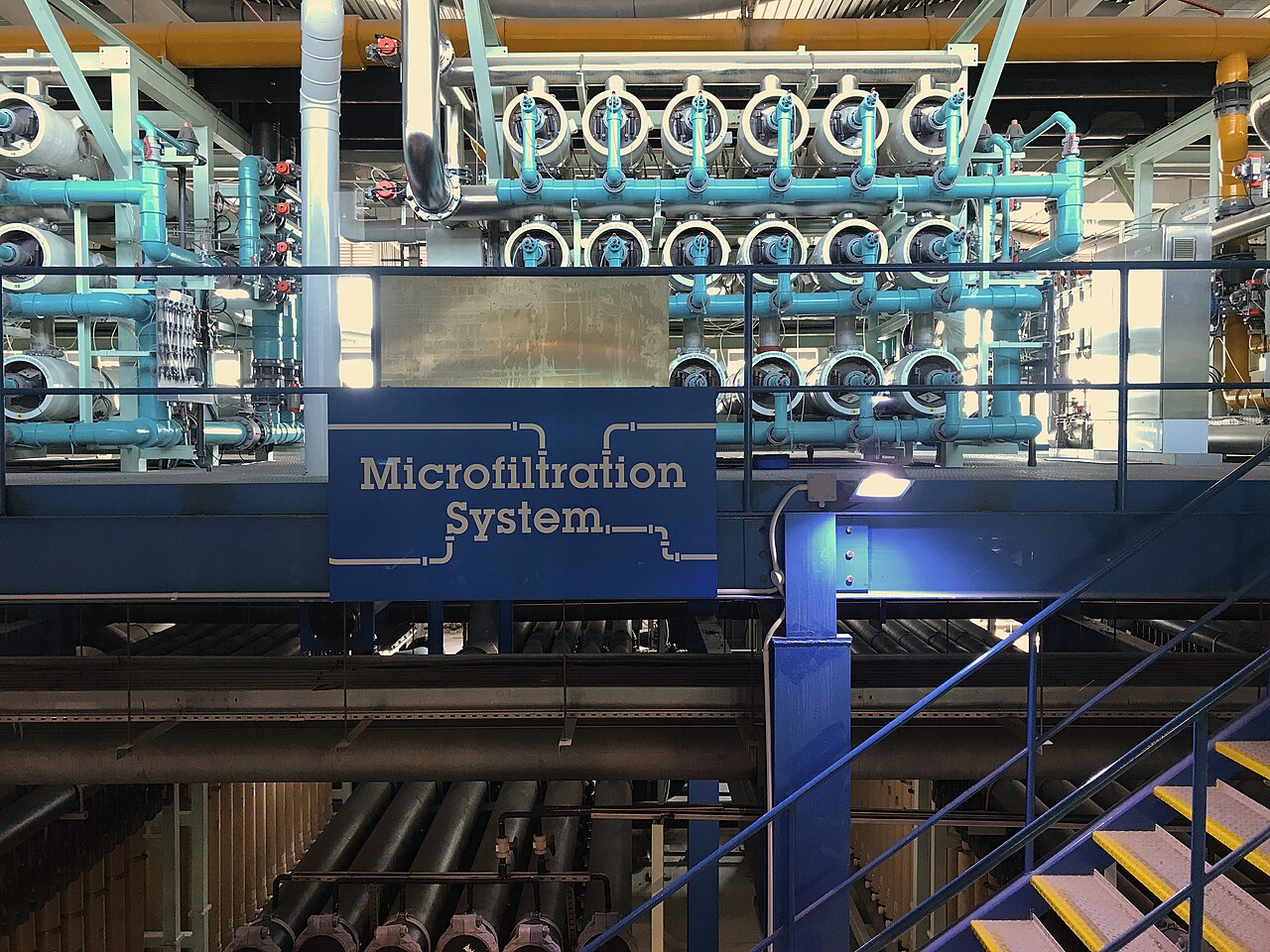
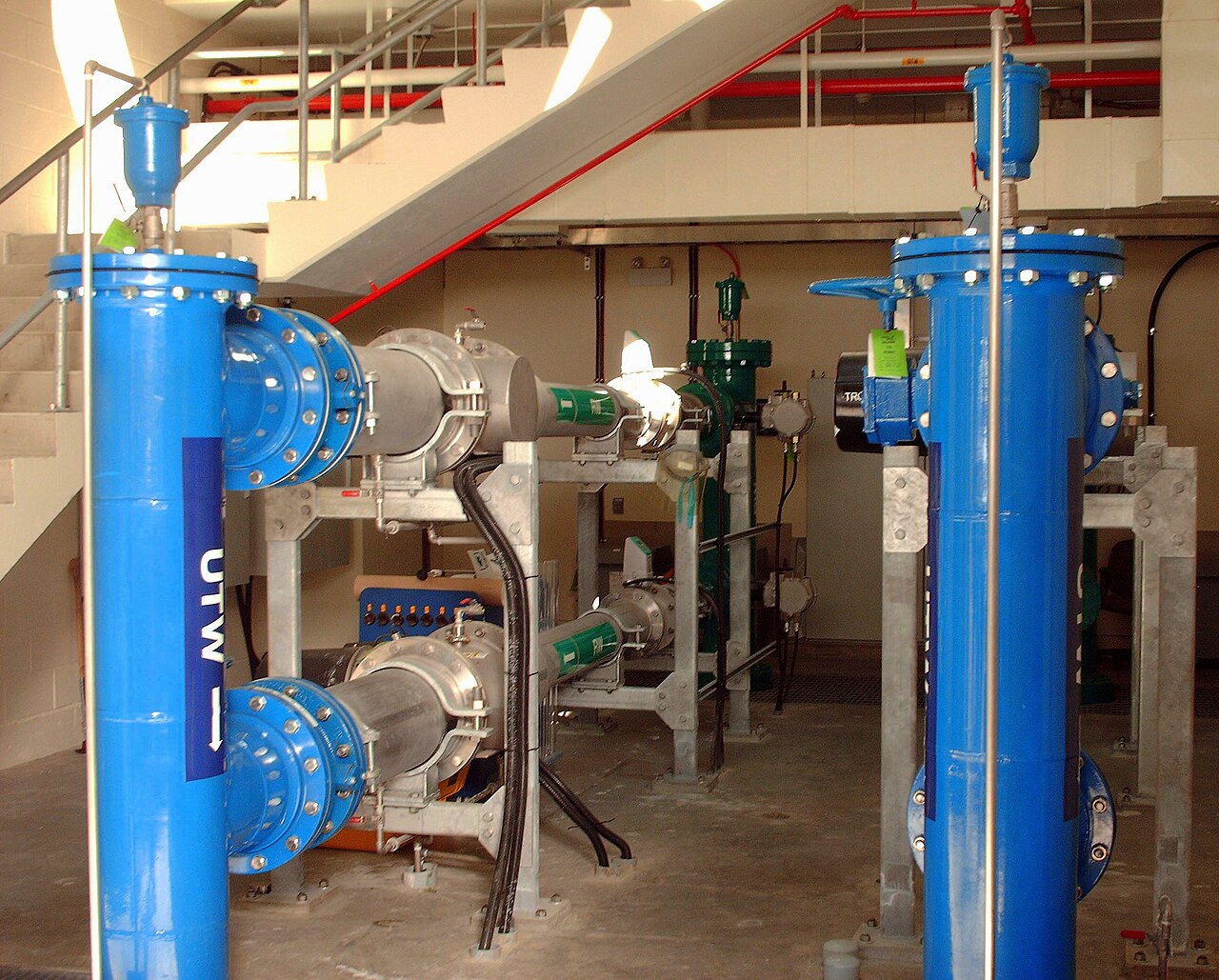
Blue microfiltration vessels and pipes labeled Microfiltration System at Bedok NEWater Factory
Water

Reclaimed wastewater / NEWater

Cities that run out of catchment

Problem
A dense city can use more freshwater than its reservoirs and imports can reliably supply. Treated used water is then discarded to the sea while taps stay at risk in drought.
Fix
Singapore’s PUB recycles treated used water through micro- or ultrafiltration (or a membrane bioreactor), reverse osmosis, and ultraviolet disinfection: branded NEWater. PUB says four plants are in operation. Most of the water goes to industry and cooling; in dry periods some is blended into reservoirs and treated again before it becomes tap water. Reuse needs tight treatment and public trust. It does not make a city independent of catching rain or using less.
Read →

Source: PUB Singapore: NEWater

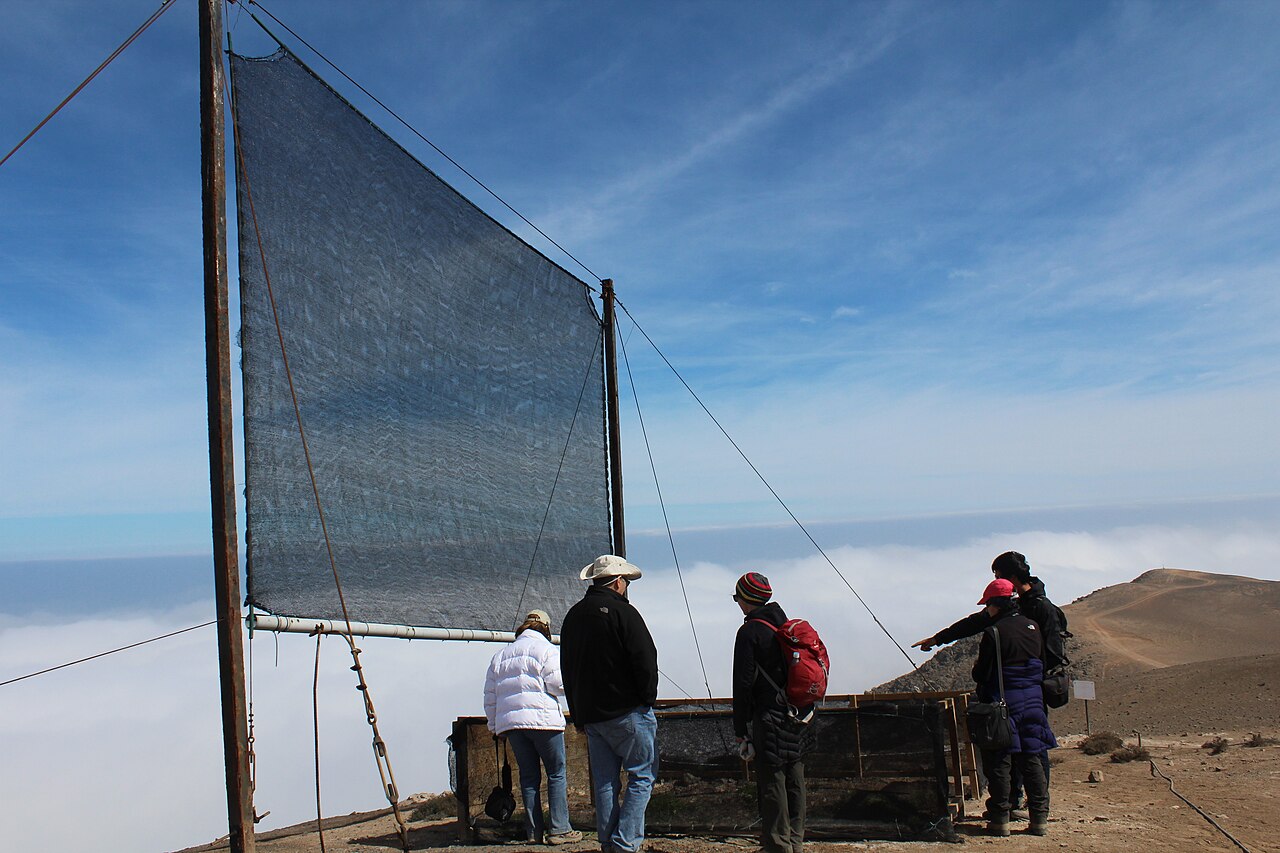
A rectangular mesh fog collector on a dry ridge at Alto Patache, Chile, with people standing beside it above the cloud layer
Water

Fog harvesting

Cloud on the ridge, no well in the village

Problem
High, dry coasts and ridges can sit in frequent fog while groundwater and piped water stay out of reach. The moisture is in the air, not in a river.
Fix
Large mesh collectors intercept fog droplets. FogQuest, a charity founded in 2000, helped build collectors in places such as Tojquia in Guatemala, Chile’s Atacama sites, and Falda Verde; it now mainly mentors new projects and notes that its project pages are no longer kept current. Yield depends on wind, mesh, and fog days. Collectors need local upkeep. They are a ridge technology, not a city supply.
Read →

Source: FogQuest: current projects

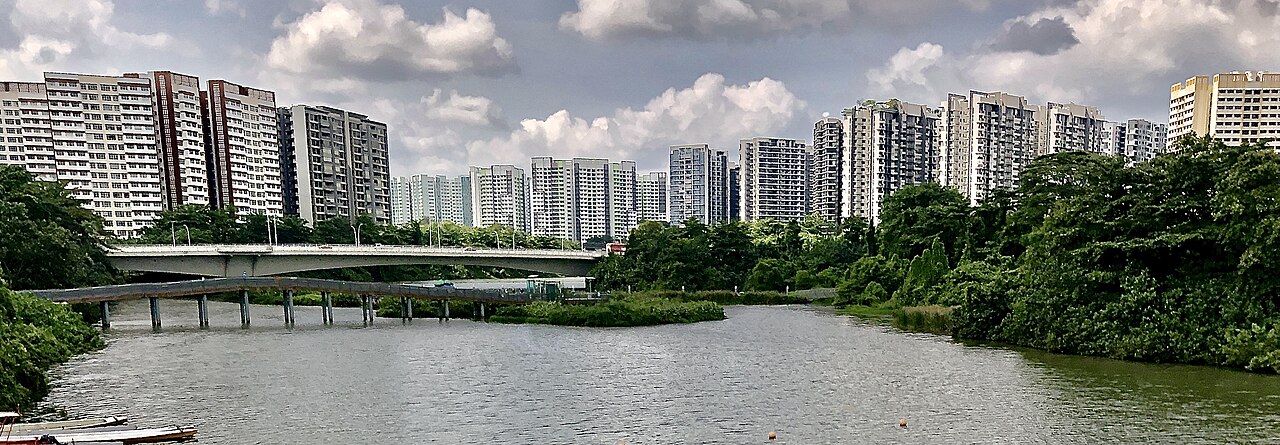
Sengkang Floating Wetland in Singapore: a planted mid-channel strip in a reservoir, with a bridge and high-rises beyond
Water

Constructed floating wetlands

Nutrients in ponds that cannot become land wetlands

Problem
Stormwater basins and wastewater lagoons collect nutrients and algae. A land-based wetland needs space and changes flood storage. Many existing ponds have neither.
Fix
Constructed floating wetlands are pontoon modules whose plant roots hang in the water, hosting biofilms that take up nutrients and trap particles. CSIRO describes them as a recent retrofit for stormwater and wastewater and is piloting systems on a lagoon at Cowes, Phillip Island, and on an urban channel in Salisbury, South Australia. They are pilots, not a replacement for a treatment plant, and plants must be harvested or they return what they stored.
Read →

Source: CSIRO: Constructed floating wetlands

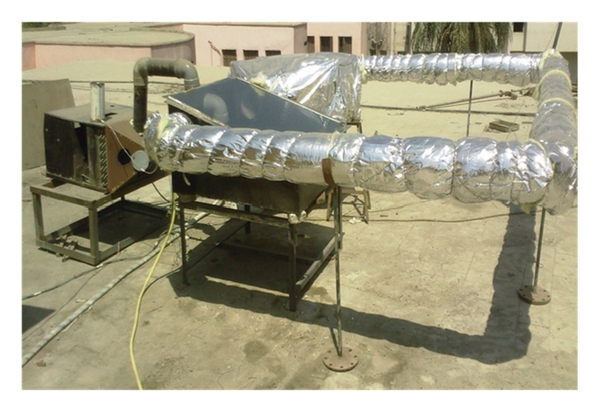
A rooftop solar still in Cairo with an insulated duct loop around a dark evaporator box
Water

Solar still / passive solar desalination

Salt water and sun, no grid

Problem
Coastal and island households can have seawater and sunlight but no power for a reverse-osmosis plant. Hauling or boiling water is the daily fallback.
Fix
A solar still evaporates saline water under a transparent cover and condenses the vapour as freshwater: an old, small-scale method. In 2020 MIT and Shanghai Jiao Tong University demonstrated a multi-stage passive still on an MIT rooftop that reused condensation heat between layers. That work is a research prototype, not a municipal plant. Still output follows sun and area; it does not replace membrane desalination for a city.
Read →

Source: MIT News: passive solar-powered water desalination (2020)

A technician listens for a leak on a street water main in Saint-Maurice-de-Beynost with a correlator and a ground microphone
Water

Non-revenue water / DMA leak reduction

Treated water lost in the pipes before the meter

Problem
Utilities produce drinking water that never reaches a billed tap: leaks, theft, and bad meters waste the catchments already under stress.
Fix
Utilities cut physical and commercial losses with district metered areas, pressure management, and active leak detection: saving water already treated. Distinct from drip irrigation (farm) and from rain gardens (street runoff).
Read →

Source: World Bank: Reducing water losses

Onsite greywater treatment: settling tanks with a grease trap, a planted bed, and storage tanks
Water

Onsite greywater reuse

Potable water used once, then discarded from the building

Problem
Buildings send lightly used sink and shower water to the sewer while toilets and irrigation still take potable supply.
Fix
Treated greywater from sinks, showers, and laundry reused on-site for toilets or irrigation at building or district scale: EPA’s onsite non-potable reuse track. Distinct from Singapore NEWater (municipal full reclaim) and from rooftop rainwater harvesting.
Read →

Source: U.S. EPA: Onsite Non-Potable Water Reuse Resources

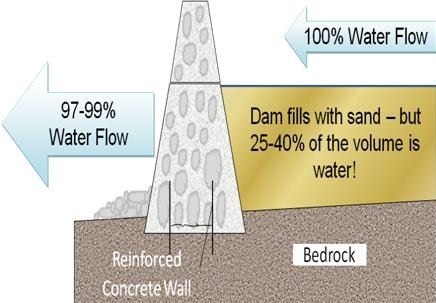
Diagram of a sand dam: a low wall across a sandy riverbed, with water stored in the sand and a hand pump on the bank
Water

Sand dams

Seasonal rivers that vanish while villages still walk for water

Problem
Seasonal sandy rivers run for days then leave dryland villages walking hours for water while the bed looks empty.
Fix
A low masonry wall across a seasonal sandy river traps sand; water is stored in the pores of the sand bank: low-evaporation dryland storage already used in Kenya and elsewhere. Distinct from managed aquifer recharge (basins/wells) and from rooftop rainwater harvesting.
Read →

Source: Practical Action: Sand dams