

Non-revenue water / DMA leak reduction
Utilities produce drinking water that never reaches a billed tap: leaks, theft, and bad meters waste the catchments already under stress.

What it is
Treated drinking water is lost in the pipes before a meter records it. Leaks, theft, and bad meters waste water from catchments that are already under stress. Utilities cut those physical and commercial losses with district metered areas, pressure management, and active leak detection, saving water that has already been treated. The work is on the drinking-water network, not drip irrigation on a farm and not a rain garden for street runoff.
How it works
A district metered area bounds a piece of the network so the utility can compare water that enters the zone with water that is billed. Pressure management keeps surplus pressure from opening leaks. Active leak detection listens for the breaks. A one-off patch, without the zones and the pressure control, does not hold the savings.
Where it already runs
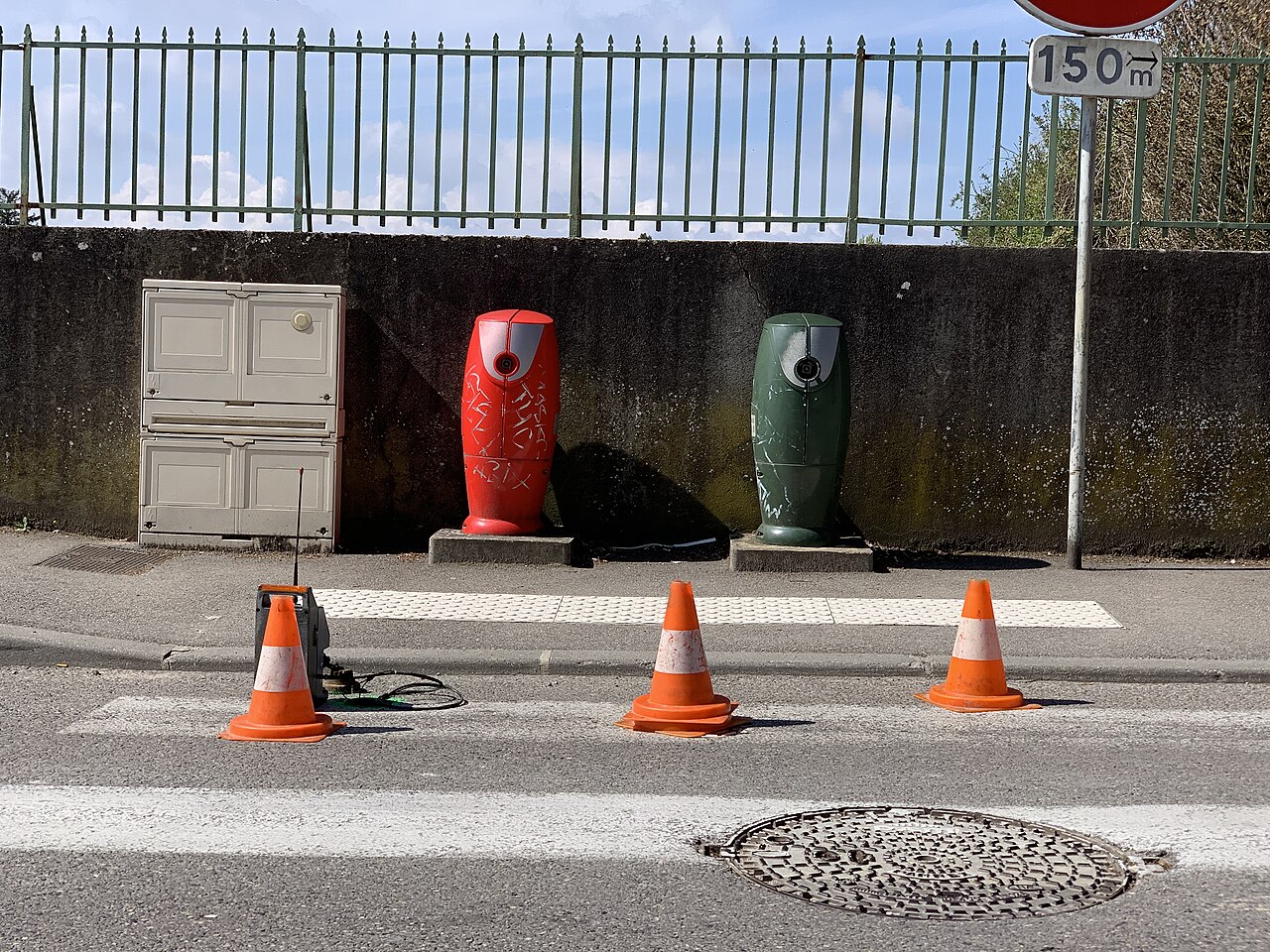
The World Bank’s brief on reducing water losses and the International Water Association’s water-loss work describe this as ordinary utility practice. The photograph is an acoustic leak search on a street main in Saint-Maurice-de-Beynost, France: that class of detection, not a named World Bank project.
Limits: what it does not fix
Needs maps, meters, and sustained crews. A one-off pipe patch without district metered areas and pressure control does not hold savings.
Sources
Links are for verification. The article stays on Fix Planet.