

Reverse-osmosis desalination
Cities can sit on a coast and still run dry. Reverse-osmosis plants push seawater through membranes and already supply cities in Israel, Spain, Australia, the Gulf, and California.

What it is
Membrane desalination, usually reverse osmosis, forces saline water through a semi-permeable membrane. Salt and many other dissolved solids stay behind; fresher water comes out. Cities can sit on a coast and still run dry. Drought, overdrawn rivers, and growing demand hit drinking water first. Reverse-osmosis plants push seawater through membranes and already supply cities in Israel, Spain, Australia, the Gulf, and California.
USGS’s Water Science School describes desalination as the process that turns saline water into fresh water. Ocean water is about 35,000 parts per million of dissolved salt. Reverse osmosis is one industrial method; distillation is the older one. USGS notes that current large-scale processes are expensive and energy-intensive. Pairing plants with wind or solar cuts the fossil power bill. The plants still use energy.
How it works
Intake water is screened and pretreated so silt and organisms do not foul the membranes. High-pressure pumps then push the feed against spiral-wound membrane elements. Fresh permeate is post-treated for corrosion control and disinfection. The leftover stream is brine: saltier than the sea, and must be diluted and discharged under a permit, or it harms the local marine life.
Energy is the operating cost that does not go away. Recovery of pressure from the brine (energy-recovery devices) is standard on modern seawater trains. Brackish groundwater needs less pressure than ocean water. A plant is a factory: membranes age, intakes clog, and the product water is only as reliable as the power and the spare parts.
Where it already runs
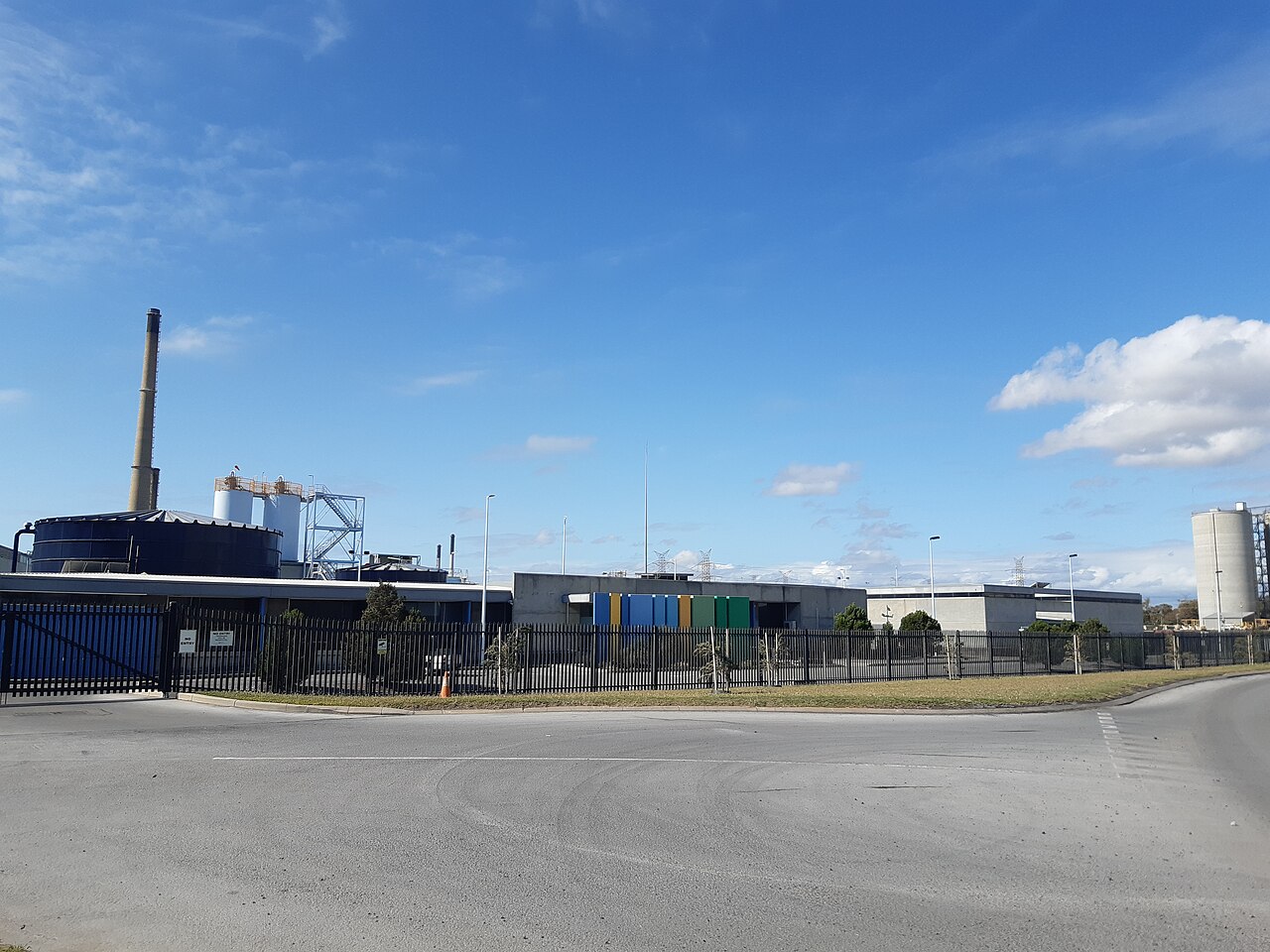
Water Corporation in Western Australia runs seawater reverse-osmosis plants as a climate-independent slice of Perth’s supply. The Perth Seawater Desalination Plant stands at Kwinana. The Southern Seawater Desalination Plant stands at Binningup. Both are named, operating works on the agency’s desalination pages: not proposals.
USGS notes that more than 300 million people globally receive water from desalination plants (International Desalination Association figure on that page). North America’s largest, the Claude “Bud” Lewis Carlsbad plant near San Diego, is cited there at 50 million gallons a day. The world’s largest named on the same page is Jebel Ali in Dubai. Israel, Spain, and Gulf states run large seawater fleets. Those are municipal factories, not household stills.
Limits: what it does not fix
Brine must be diluted. An outfall that dumps a saltier plume on a shallow coast is a local marine problem. Intakes can kill larvae. Energy use is real even when the plant is paired with wind or solar: the electrons still have to arrive when the pumps run.
Desalination is not a licence to waste freshwater inland. It does not refill an overdrawn aquifer a hundred kilometres from the coast. It does not make irrigation cheap. USGS is plain that cost and energy are why the world does not desalinate everything. Treat a coastal RO plant as a drought-proof municipal source with a brine and power bill: not as a planetary freshwater machine.
Sources
Links are for verification. The article stays on Fix Planet.