

Onsite greywater reuse
Buildings send lightly used sink and shower water to the sewer while toilets and irrigation still take potable supply.

What it is
Treated greywater from sinks, showers, and laundry is reused on site for toilets or irrigation, at the scale of a building or a district. The U.S. EPA groups this under onsite non-potable water reuse. It is not Singapore NEWater, which is city-scale reclaim into industry and reservoirs, and it is not rooftop rainwater harvesting.
How it works
Lightly used water is kept separate from toilet waste, treated to match the end use, and returned to flushing or irrigation inside the same building or district. Cross-connections with the drinking-water pipes are the hazard the plumbing has to prevent. It is not a drinking-water source.
Where it already runs
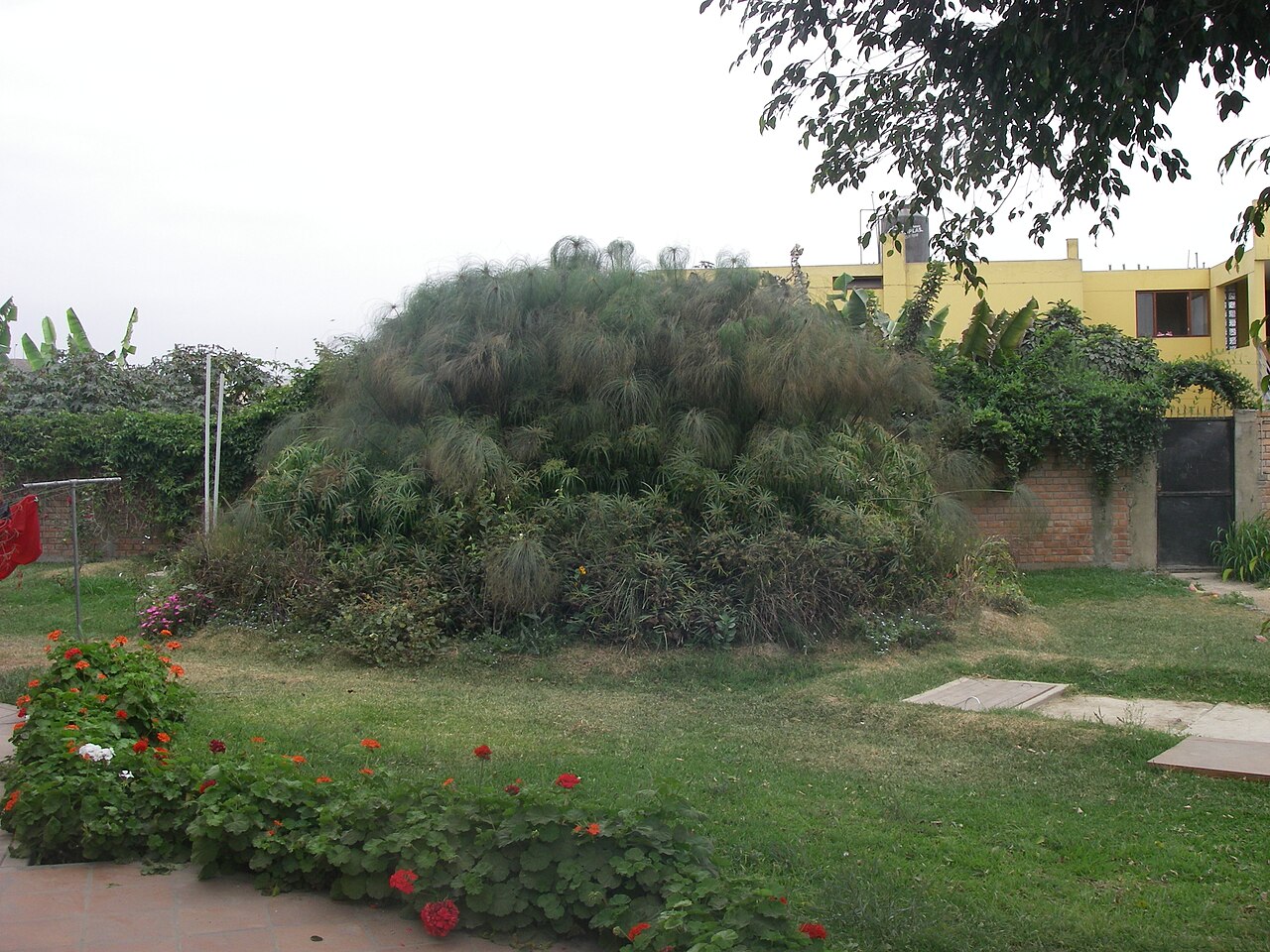
EPA’s onsite non-potable reuse pages describe the practice. The photograph shows one such train: settling tanks with a grease trap, a planted bed, and storage tanks. The planted bed is part of that building-scale treatment, not a river wetland and not a municipal reclaim plant.
Limits: what it does not fix
Cross-connection risk and local codes. Treatment must match the end use. Not a drinking-water source.
Sources
Links are for verification. The article stays on Fix Planet.