Solutions

Forests

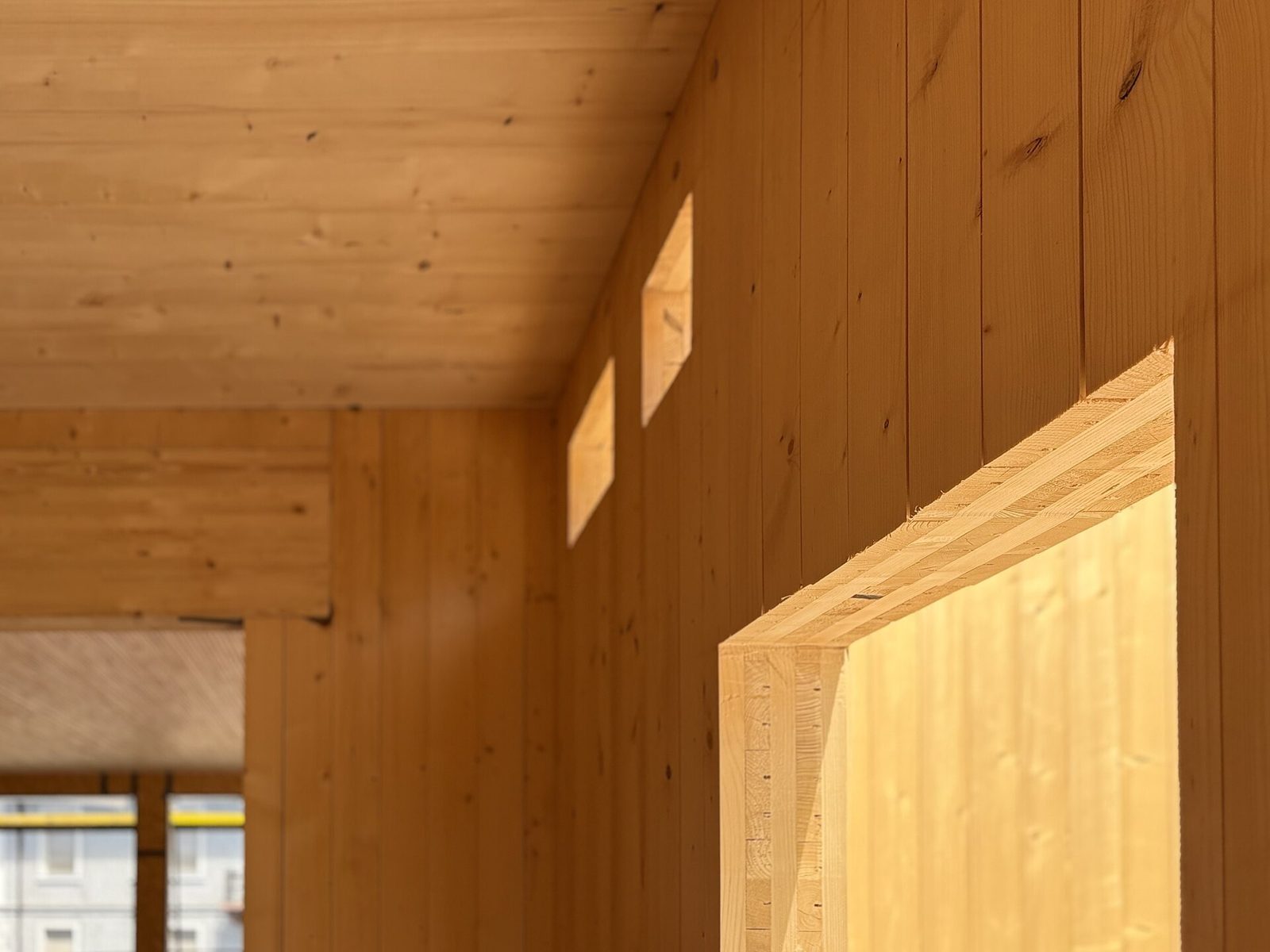
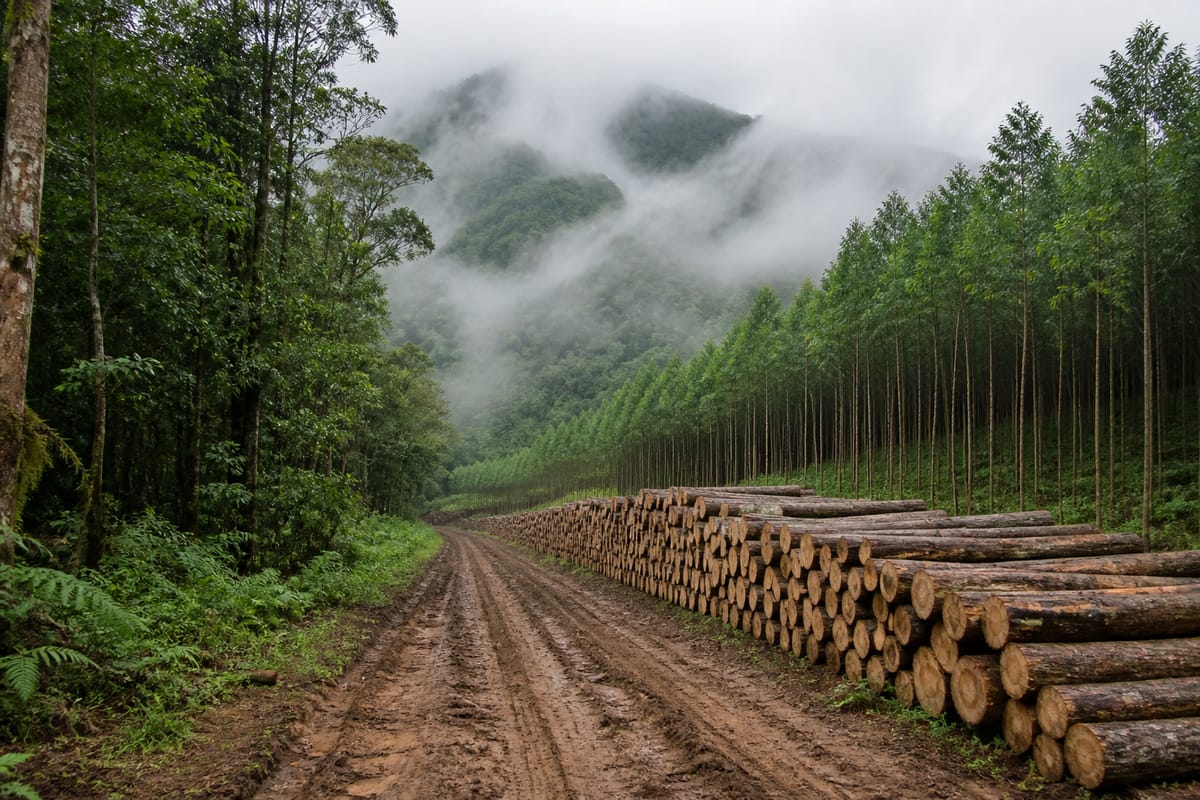
Regeneration, agroforestry, careful logging, and fire-smart practice that keep forests working. Also here: forest certification, payments for reduced deforestation and forest degradation, closer-to-nature forestry, enrichment planting in logged forest, and mass timber for buildings.

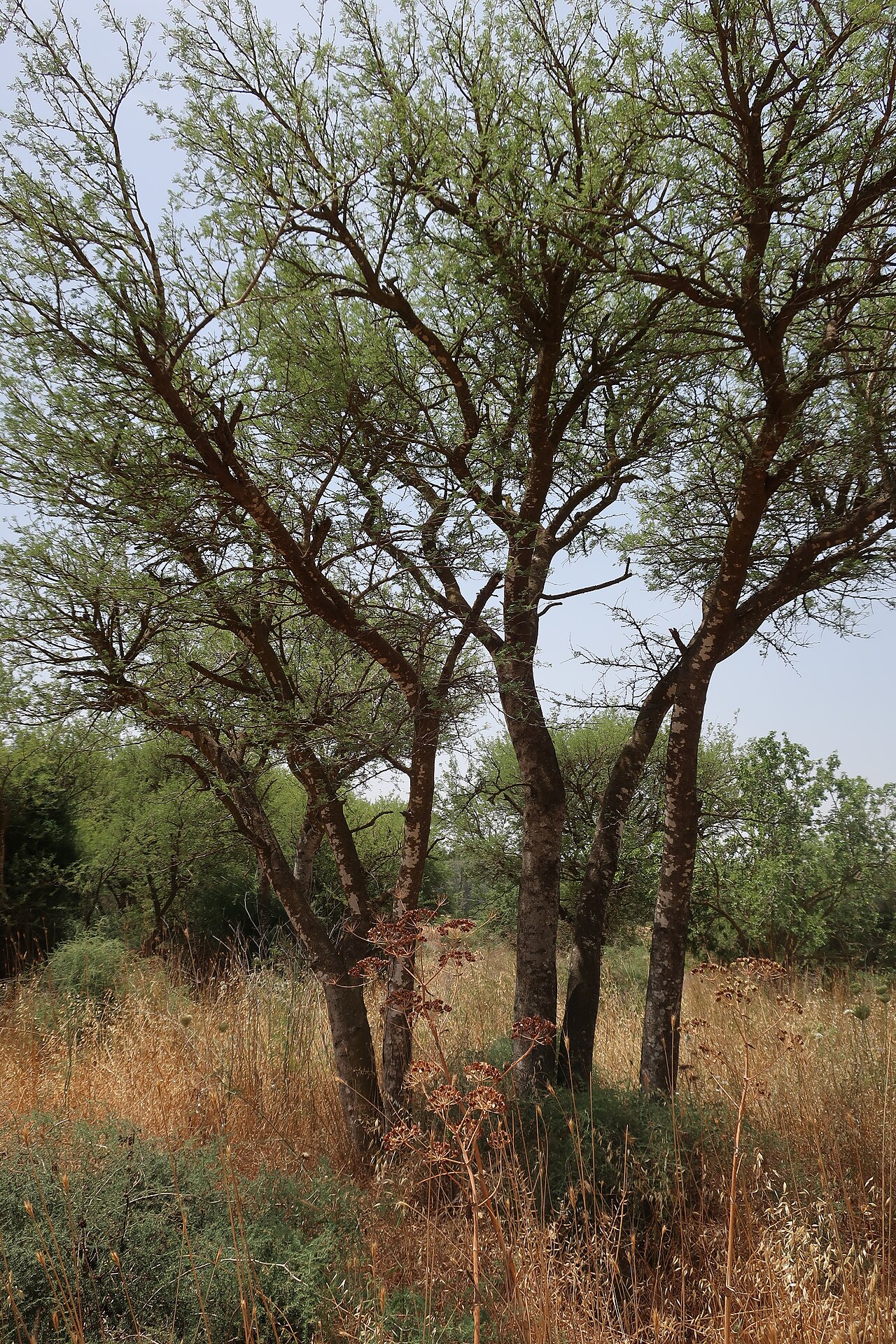
Winterthorn trees (Faidherbia albida) with a feathery green canopy standing in dry golden grass
Forests

Assisted natural regeneration

Cleared dryland woodland

Problem
After cutting and cropping, dry landscapes often stay bare because sprouts are grazed or burned before they can become trees. Trucking in seedlings then fails in the same heat.
Fix
Assisted natural regeneration protects living stumps and roots so trees return from what is already in the soil. Farmer-managed natural regeneration in the Sahel, especially winterthorn (Faidherbia albida) parklands in Niger and neighboring countries, has brought farm trees back at landscape scale. It still needs local rights, grazing control, and time.
Read

Source: FAO

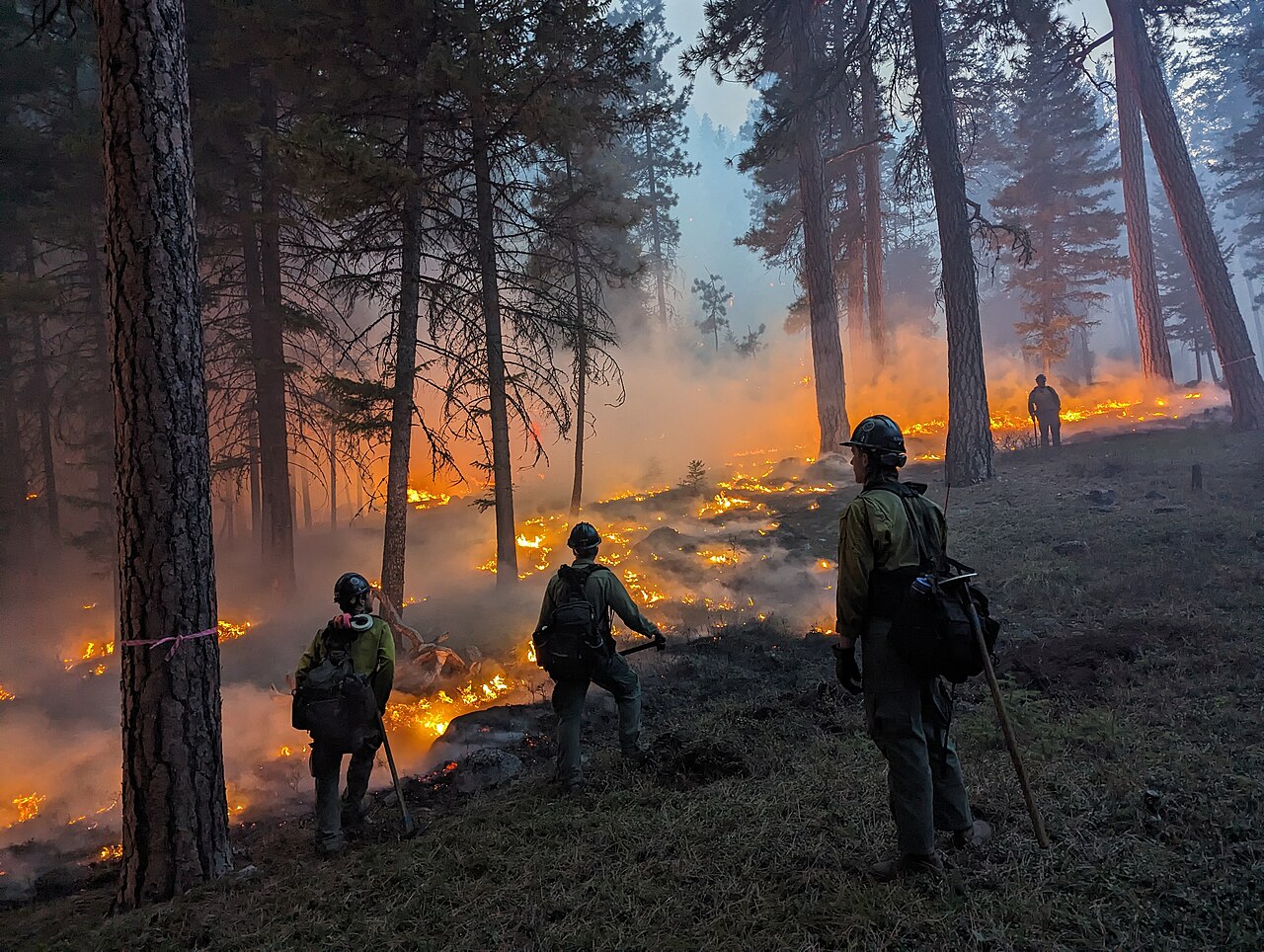
Wildland firefighters in protective gear watching a low prescribed burn move through a conifer stand
Forests

Prescribed fire

High-severity wildfire

Problem
A century of putting out every fire left dense fuel in many temperate forests. When weather is extreme, those stands burn hotter and kill trees that used to survive lighter fire.
Fix
Prescribed burns and thinning restore frequent, low-intensity fire. Forest services and Indigenous practitioners use them in the western United States, Australia, and parts of Europe, when the weather is right, to reduce fuel. Treat them as landscape maintenance.
Read

Source: National Wildfire Coordinating Group

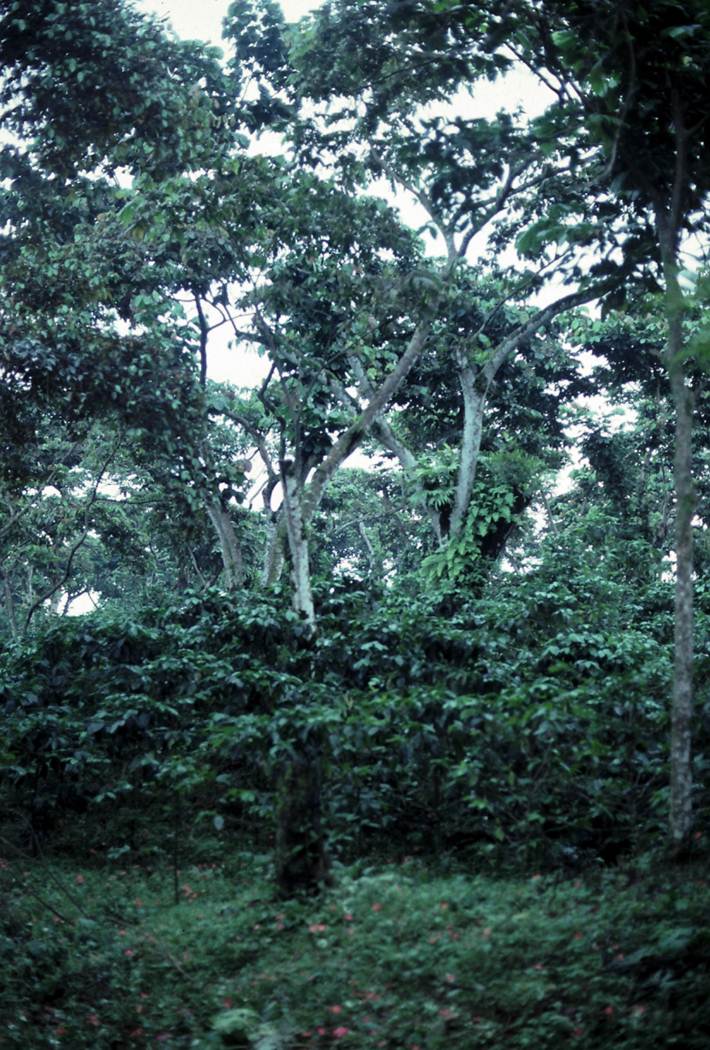
Coffee shrubs growing under a tall shade-tree canopy in a traditional plantation
Forests

Shade coffee and cocoa

Forest converted to commodity crops

Problem
Full-sun coffee and cocoa plantations replace forest canopy, cut bird habitat, and often need more fertilizer and irrigation. Demand still drives new clearing at forest edges.
Fix
Traditional and certified shade systems grow coffee or cocoa under a tree canopy that holds soil, birds, and some forest structure. They are ordinary agriculture in parts of Latin America and West Africa. Prices at the forest edge and the care of the audit still shape what that canopy protects.
Read

Source: Smithsonian

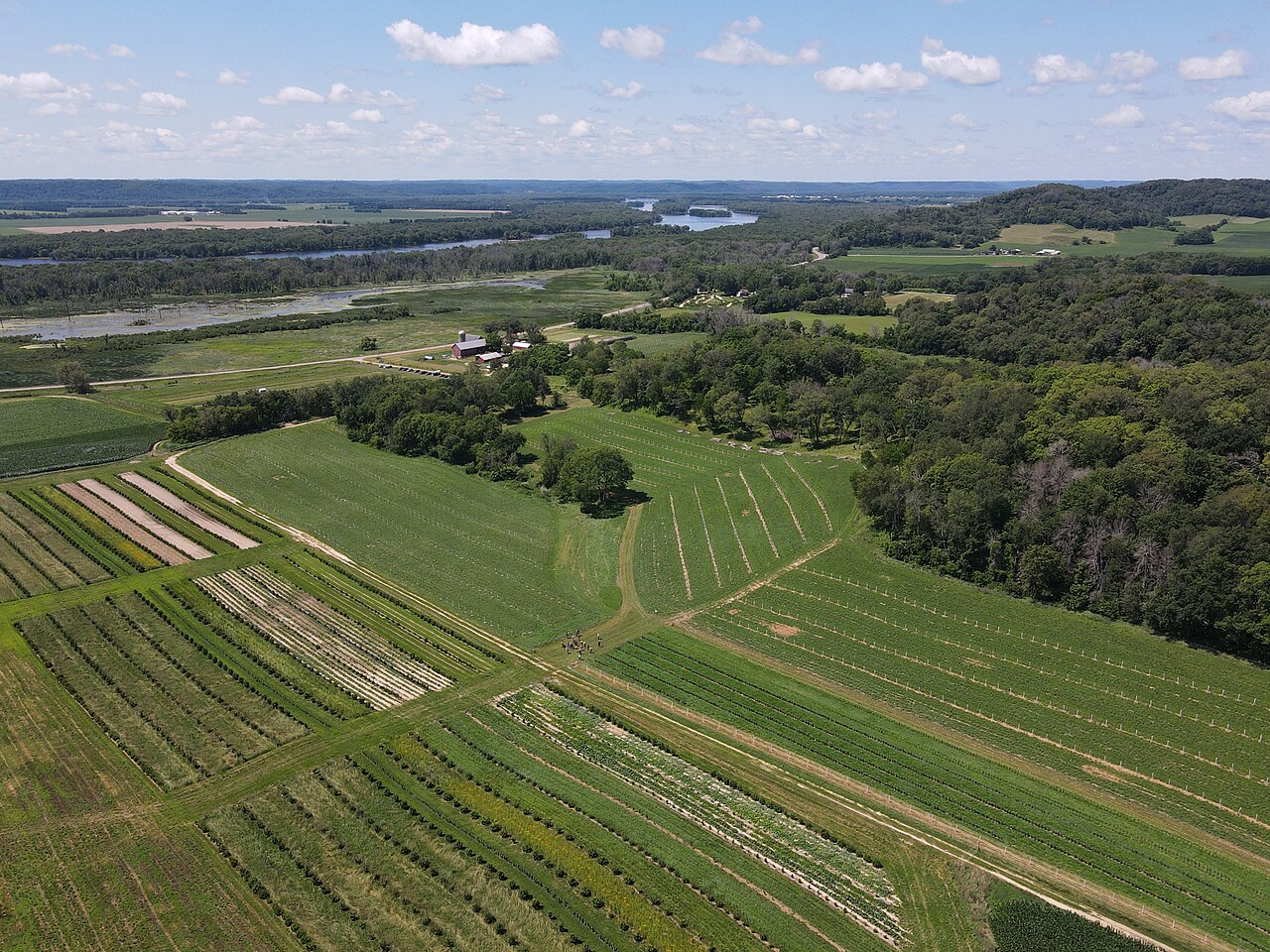
Aerial view of alley-cropping plots and young tree rows on a Savanna Institute farm beside the Wisconsin River
Forests

Agroforestry

Fields without trees

Problem
Clearing trees from cropland and pasture leaves soil, shade, and fodder thinner. Farms then lean harder on fertilizer, irrigation, and feed brought from elsewhere.
Fix
Agroforestry puts trees back with crops and livestock: alley cropping, silvopasture, homegardens, and related systems. The Food and Agriculture Organization of the United Nations treats three main types and highlights examples such as the Amazonian Chakra in Ecuador. Trees need rights, time, and design.
Read

Source: FAO

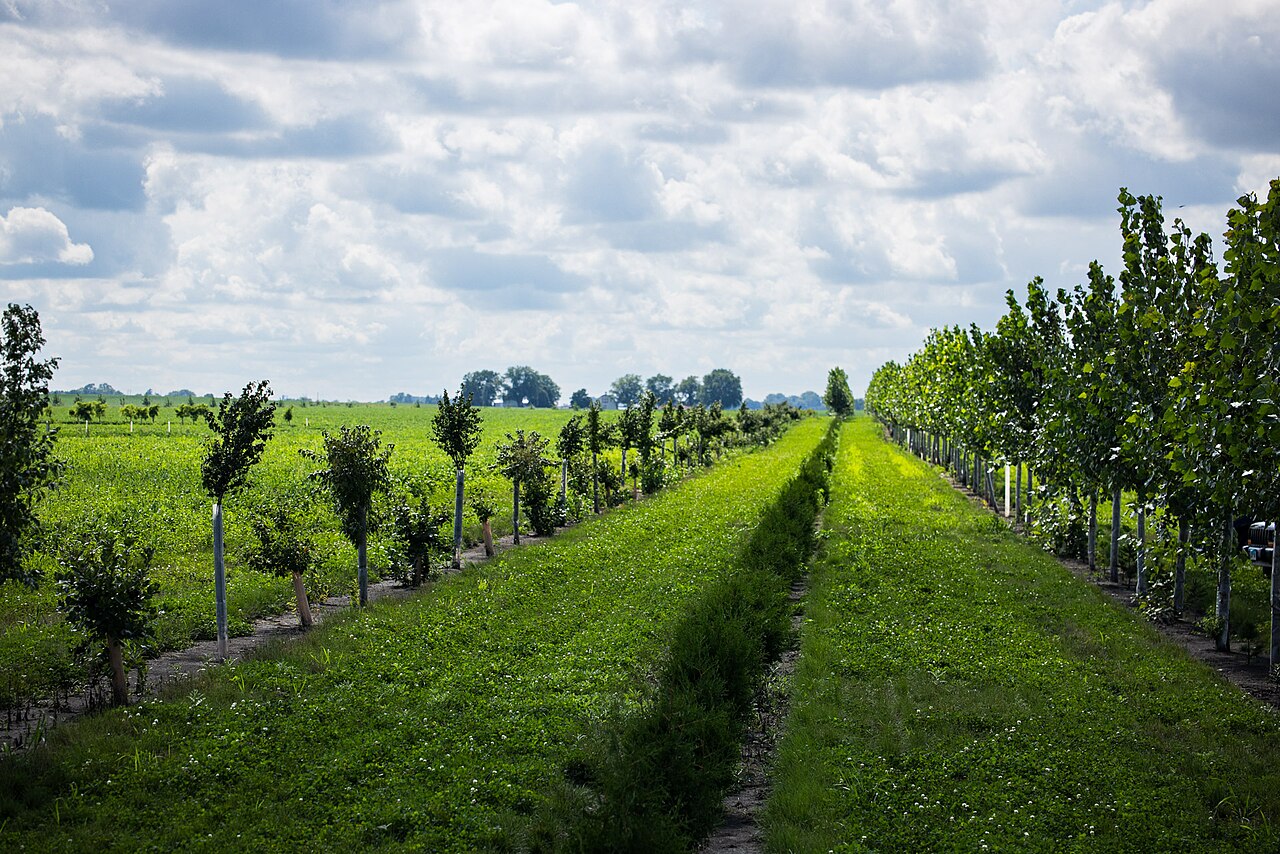
Two young rows of staked trees forming a windbreak across a green Illinois field
Forests

Windbreaks / shelterbelts

Wind that dries soil and stresses livestock

Problem
Open fields and yards take the full force of wind. Soil blows, snow drifts onto roads, and animals burn more feed in cold weather.
Fix
The U.S. Department of Agriculture National Agroforestry Center describes windbreaks, also called shelterbelts, as linear plantings of trees and shrubs laid out for a purpose: field protection, livestock shelter, living snow fences, or farmstead screening. Height, density, gaps, and orientation decide what they do. They are farm infrastructure, and they need maintenance.
Read

Source: National Agroforestry Center

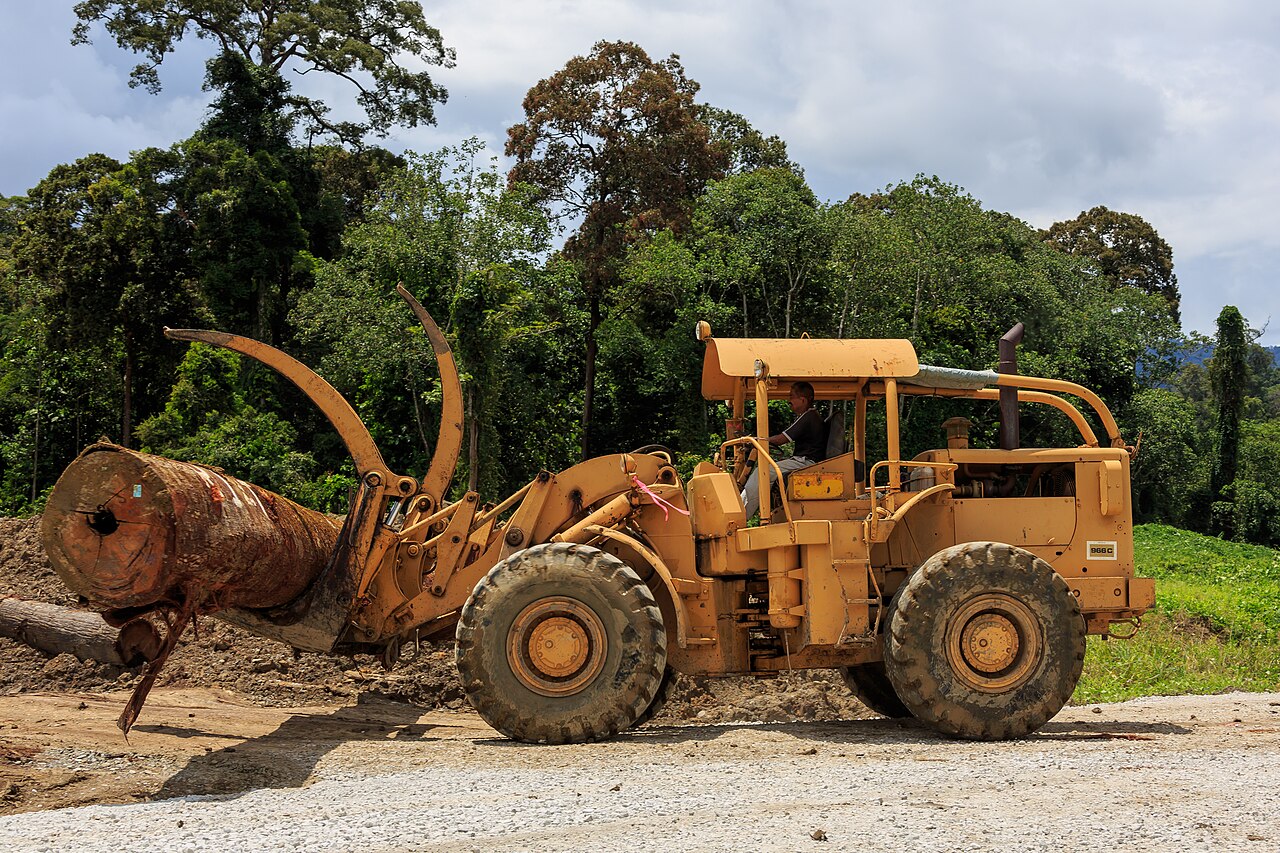
A yellow loader carrying a log at a timber camp in Tawau District, Sabah, with forest behind
Forests

Reduced-impact logging

Logging that wrecks the residual stand

Problem
Conventional tropical harvest often means poorly planned skid trails, felled trees hung in climbers, and damage to the trees left behind. The next crop and the soil pay first.
Fix
Reduced-impact logging is planned harvesting: pre-harvest mapping, directional felling, and controlled skid trails. Food and Agriculture Organization case work traces early systems in Sarawak and later trials in Suriname, Guyana, Cameroon, and elsewhere. Research found lower damage and, in some cases, lower cost, but many firms still do not change practice.
Read

Source: FAO

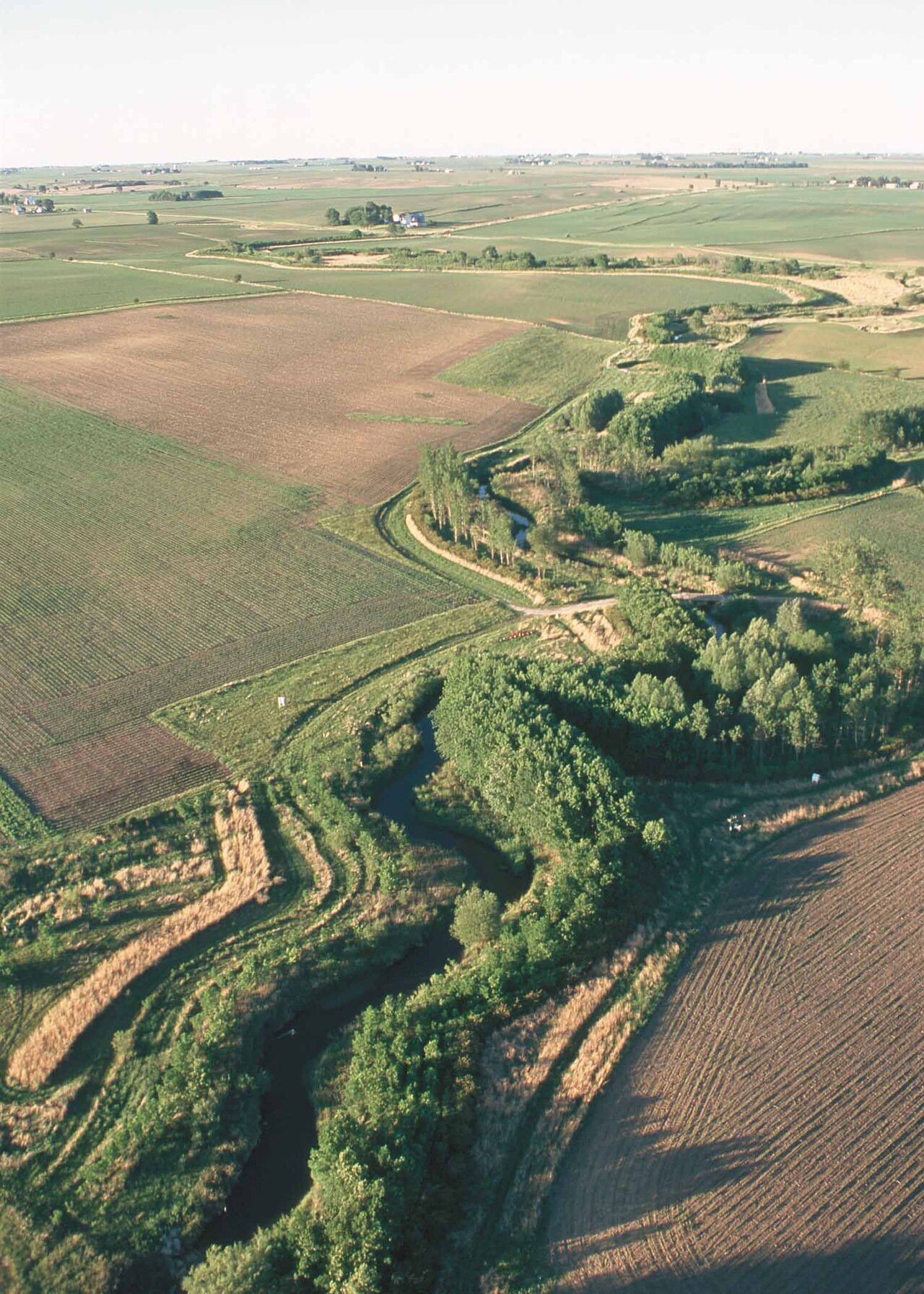
Aerial view of a wooded riparian buffer along a winding creek through farmland in Story County, Iowa
Forests

Riparian forest restoration

Bare banks, hotter streams

Problem
When streamside trees are cleared for fields or lots, banks erode, nutrients wash in, and summer water warms. Fish and the channel lose the shade and roots that held the edge.
Fix
The U.S. Department of Agriculture Climate Hubs describe maintaining or restoring forest and other cover in riparian zones: mixed plantings, no-harvest or limited-harvest buffers, and bank stabilization. The aim is shade, woody debris, and soil held by roots. It is local work along the bank.
Read

Source: Climate Hubs

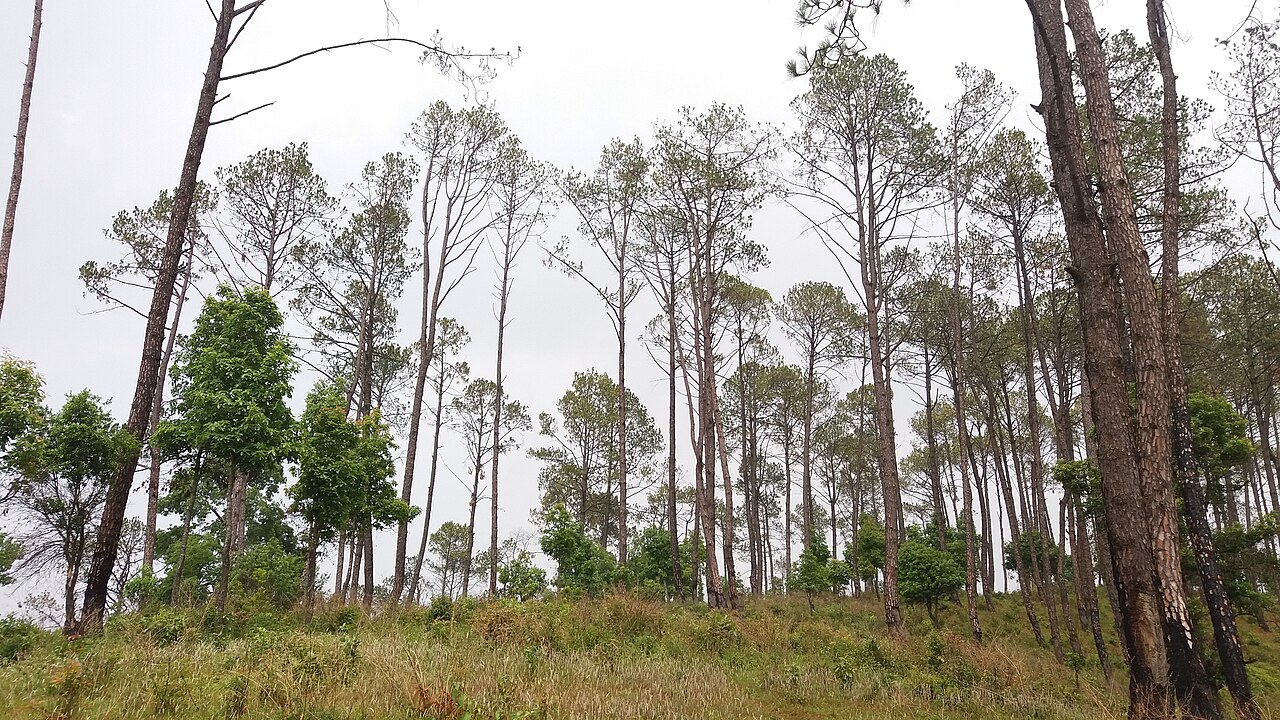
Tall pines and broadleaf trees on a grassy slope in Badikhel community forest, Lalitpur, Nepal
Forests

Community forestry

Forests managed far from the people who live in them

Problem
When use rights sit only with a distant office, nearby households have little reason to guard a forest they cannot legally use. Illegal cutting and weak upkeep follow.
Fix
Nepal’s community forestry gives community forest user groups local management rights. The Food and Agriculture Organization of the United Nations and the Federation of Community Forestry Users Nepal treat the model as a widely cited example of people-centered forest governance. It still needs accountable groups, markets that leave the stand standing, and space for women and Indigenous users.
Read

Source: Community forestry users, Nepal