
Ecology Pilot
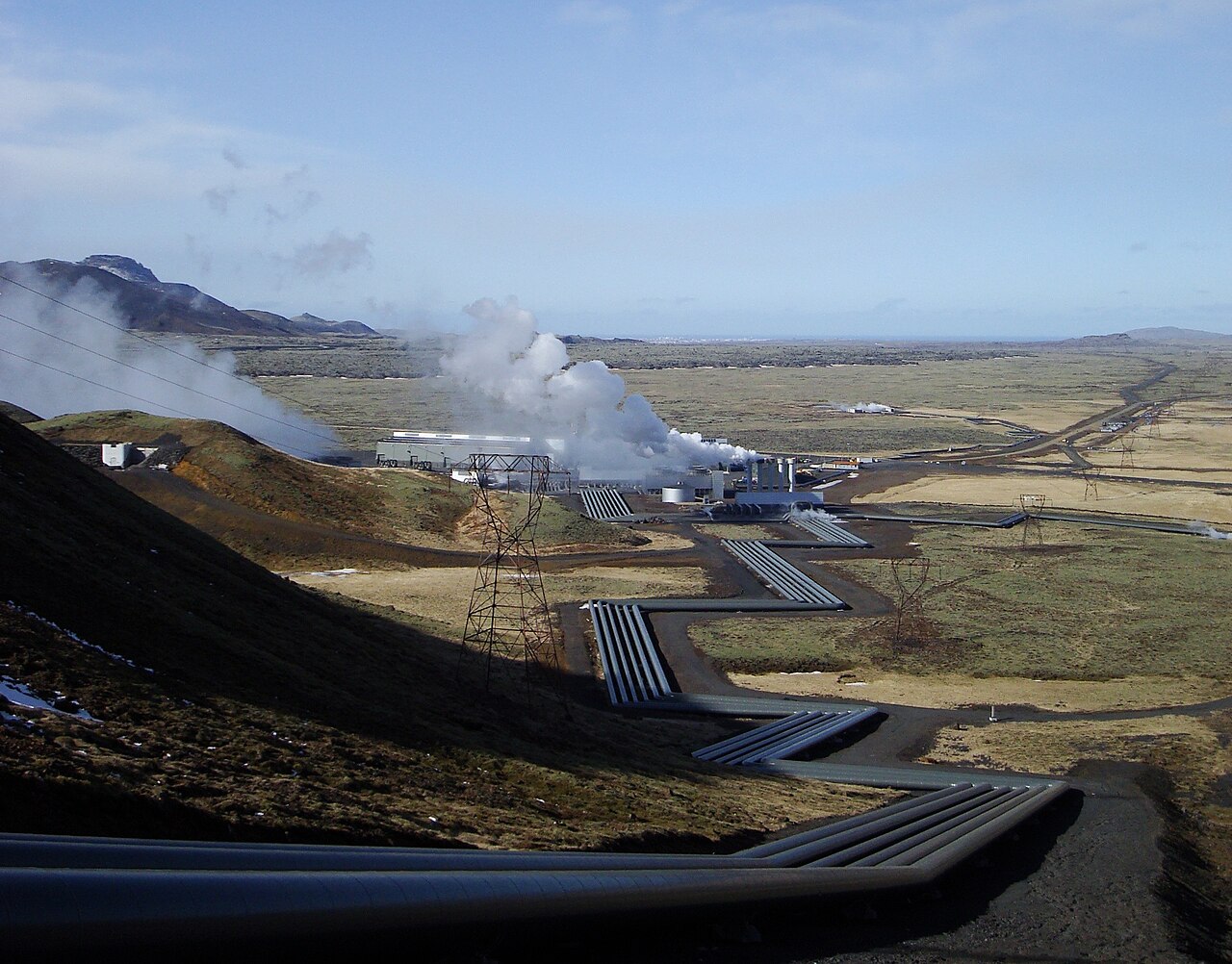
Direct air capture: Climeworks
Fans and filters pull CO₂ from ambient air. The plants exist; the tonnes are still small.
Read the card →Carbon removal, circular enzymes, coral husbandry, and now biodiversity evidence, nature-risk screens, and ocean-colour missions from 2024 on.
Fans and filters pull CO₂ from ambient air. The plants exist; the tonnes are still small.
Read the card →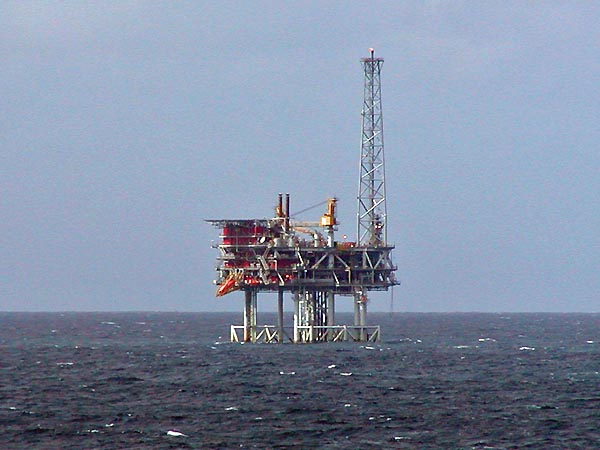
CO₂ from factories, shipped and injected under the North Sea. The first industrial volumes moved in 2025.
Read the card →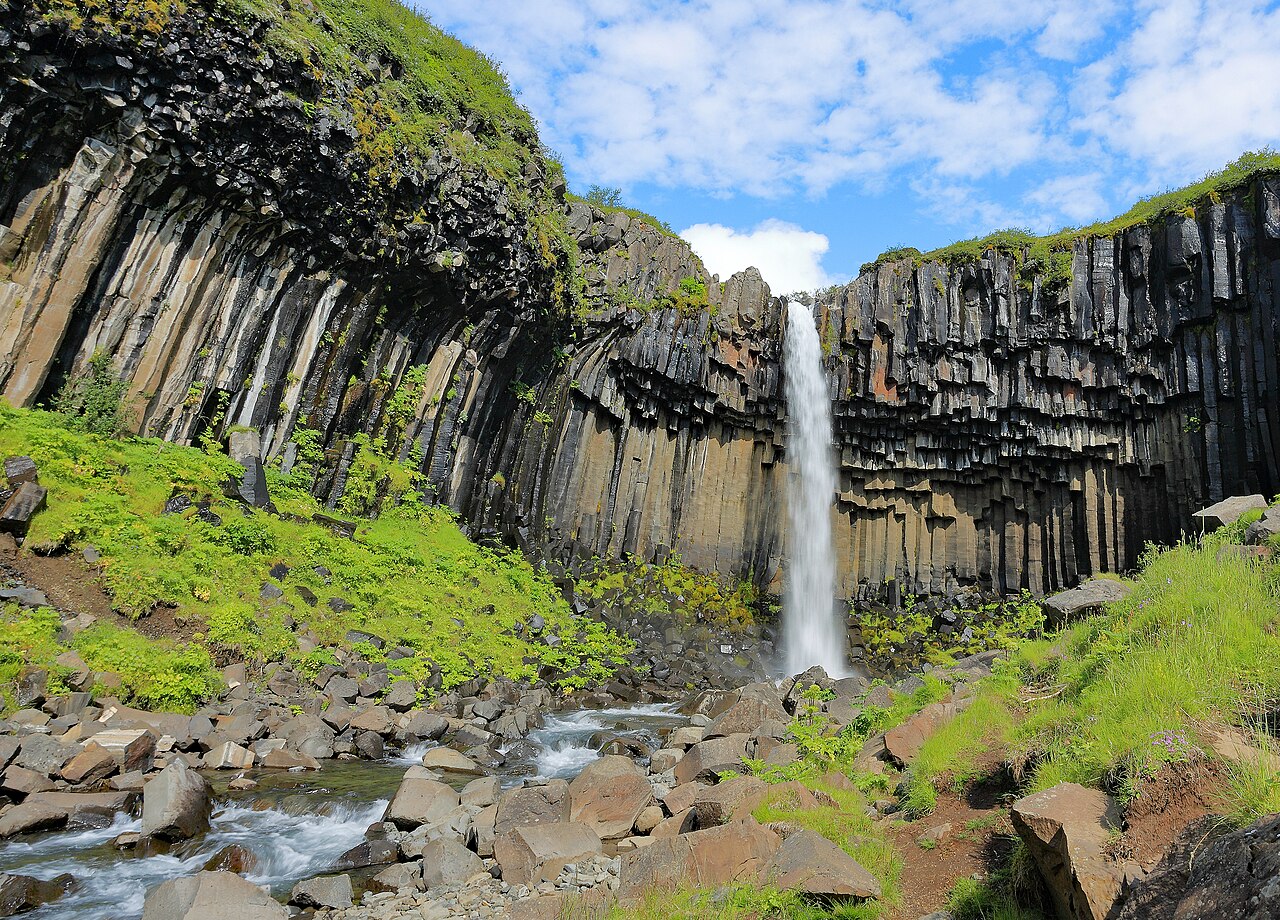
Dissolve CO₂ in water, inject it into basalt, and chemistry does in years what sediments take millennia to do.
Read the card →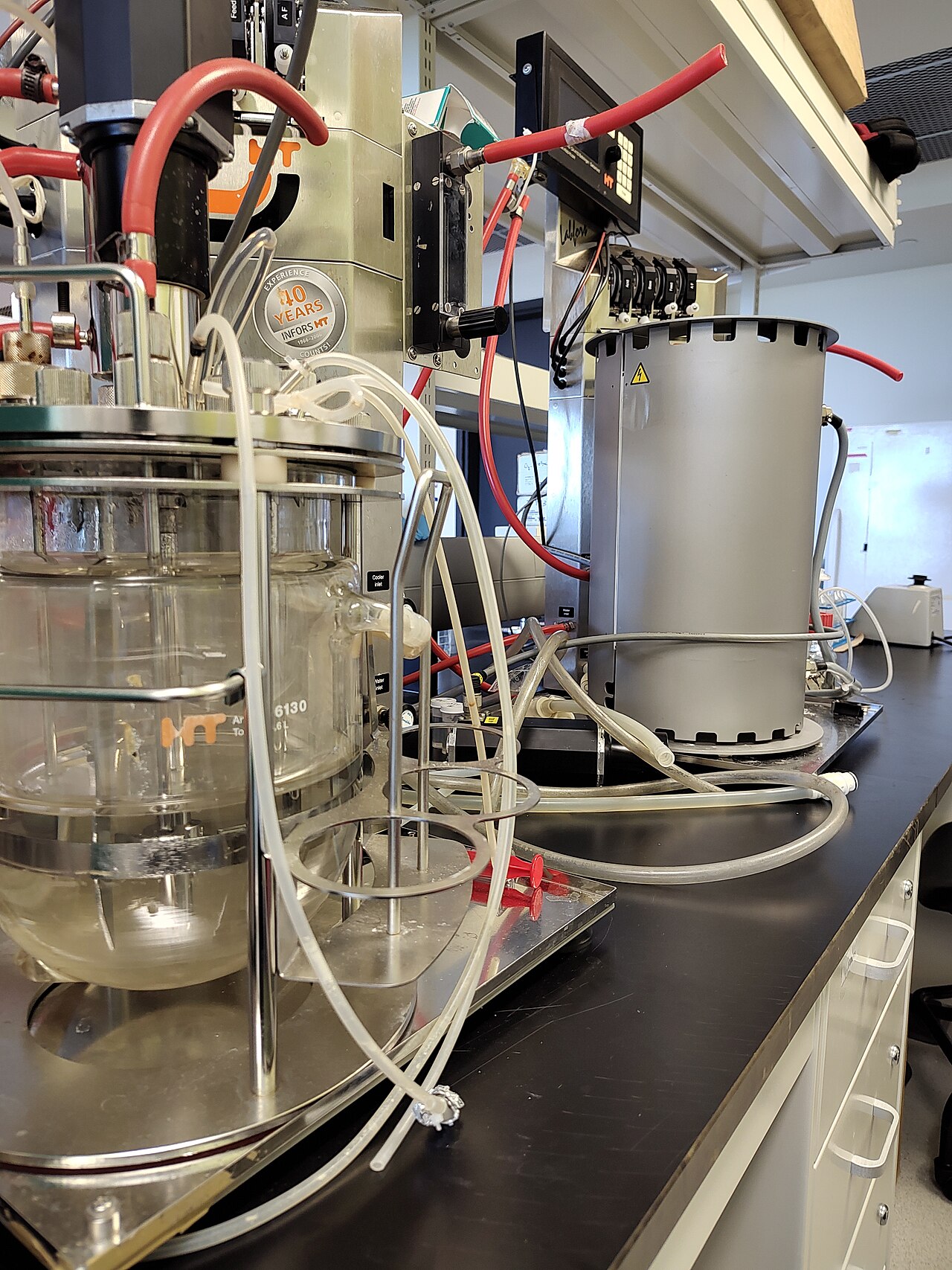
Microbes, not cows, make some of the proteins we eat: if the sugar, power, and taste hold up.
Read the card →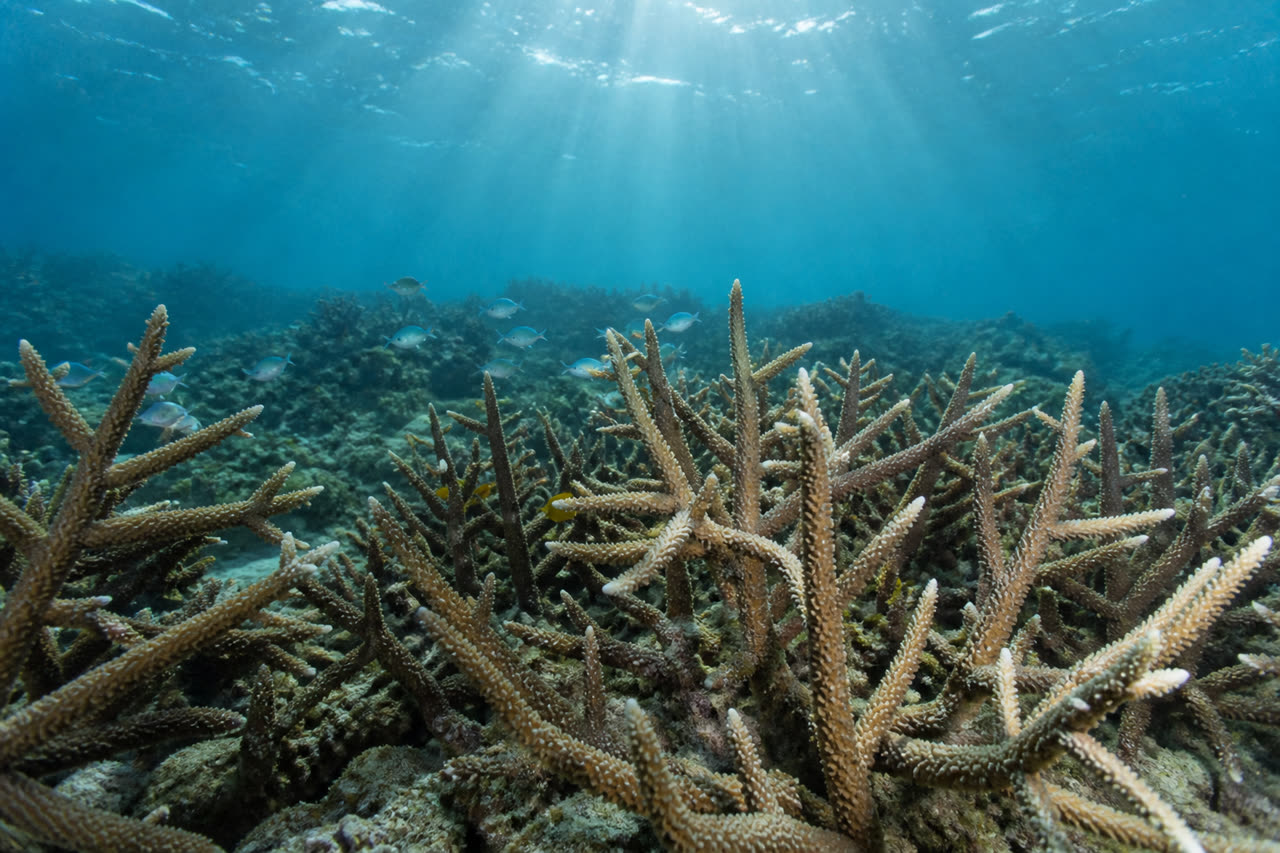
Nurseries, larval seeding, and reef frames can regrow coral on a bay. They cannot outrun a hot ocean alone.
Read the card →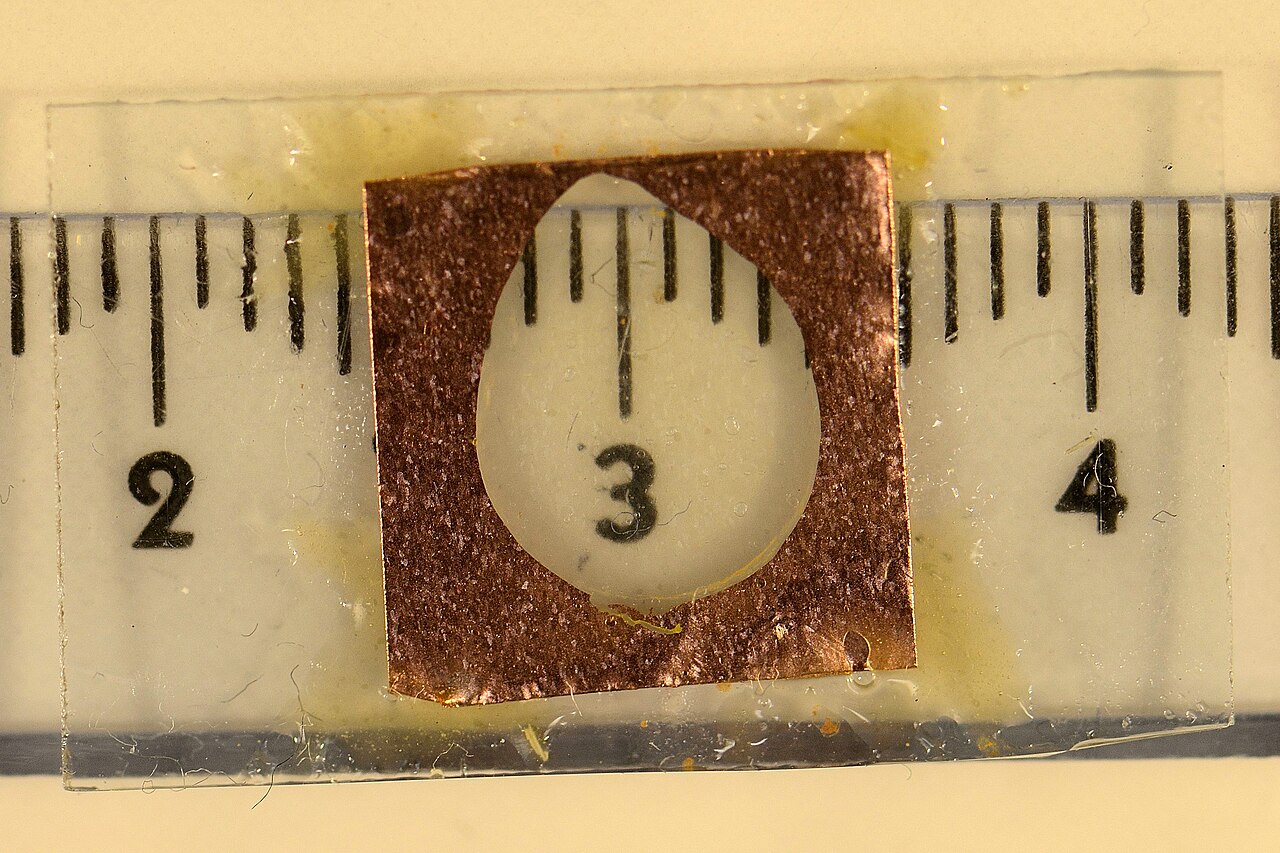
Atom-thin sheets and tailored pores promise cheaper desalination and cleaner separations: mostly still in the lab.
Read the card →Source: Nair et al., Nature, 2012: graphene-oxide water permeation
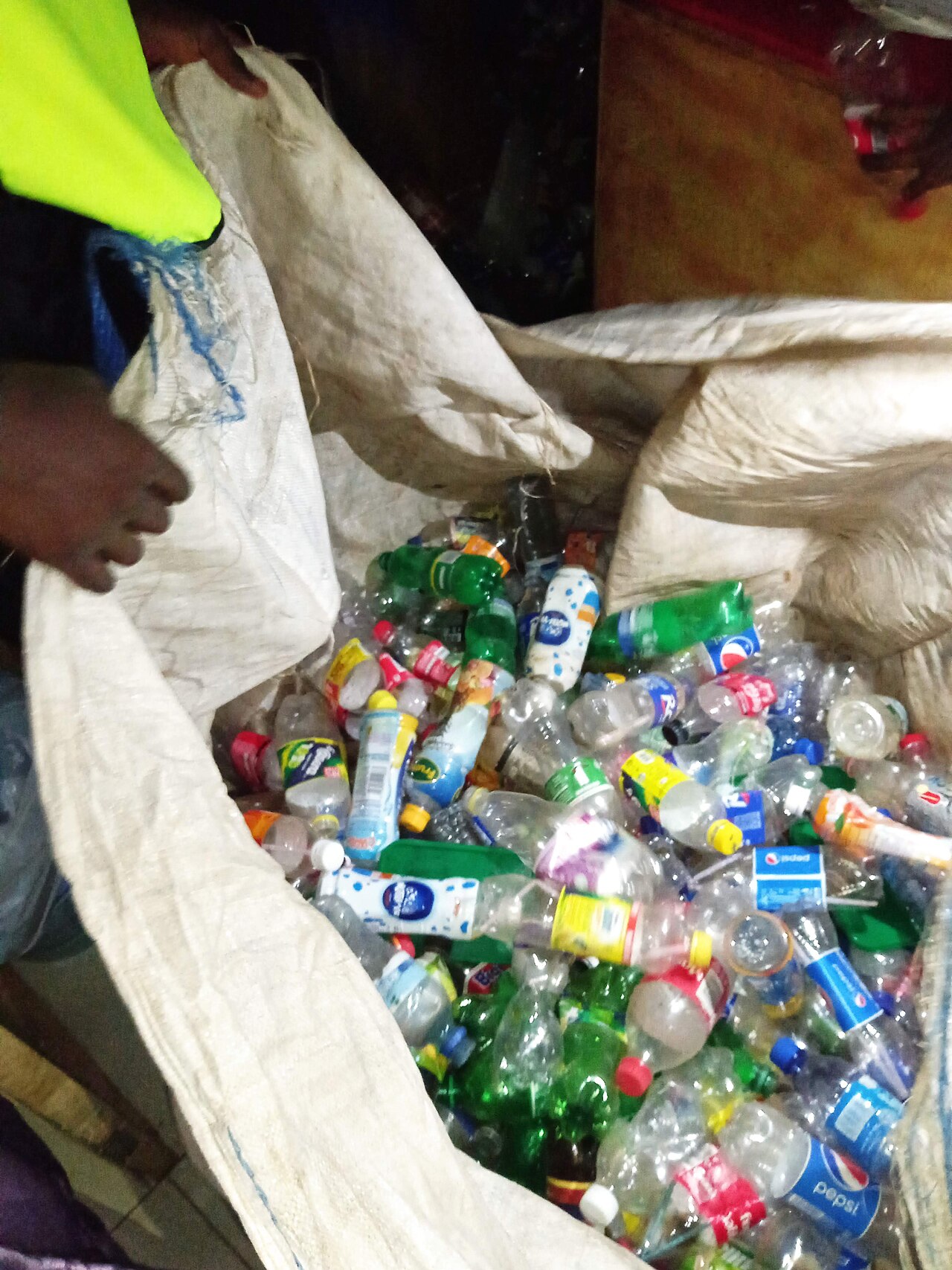
An enzyme can unzip PET back to monomers. A full-scale plant is still a financing and engineering problem.
Read the card →Source: Yoshida et al., Science, 2016: Ideonella sakaiensis PETase
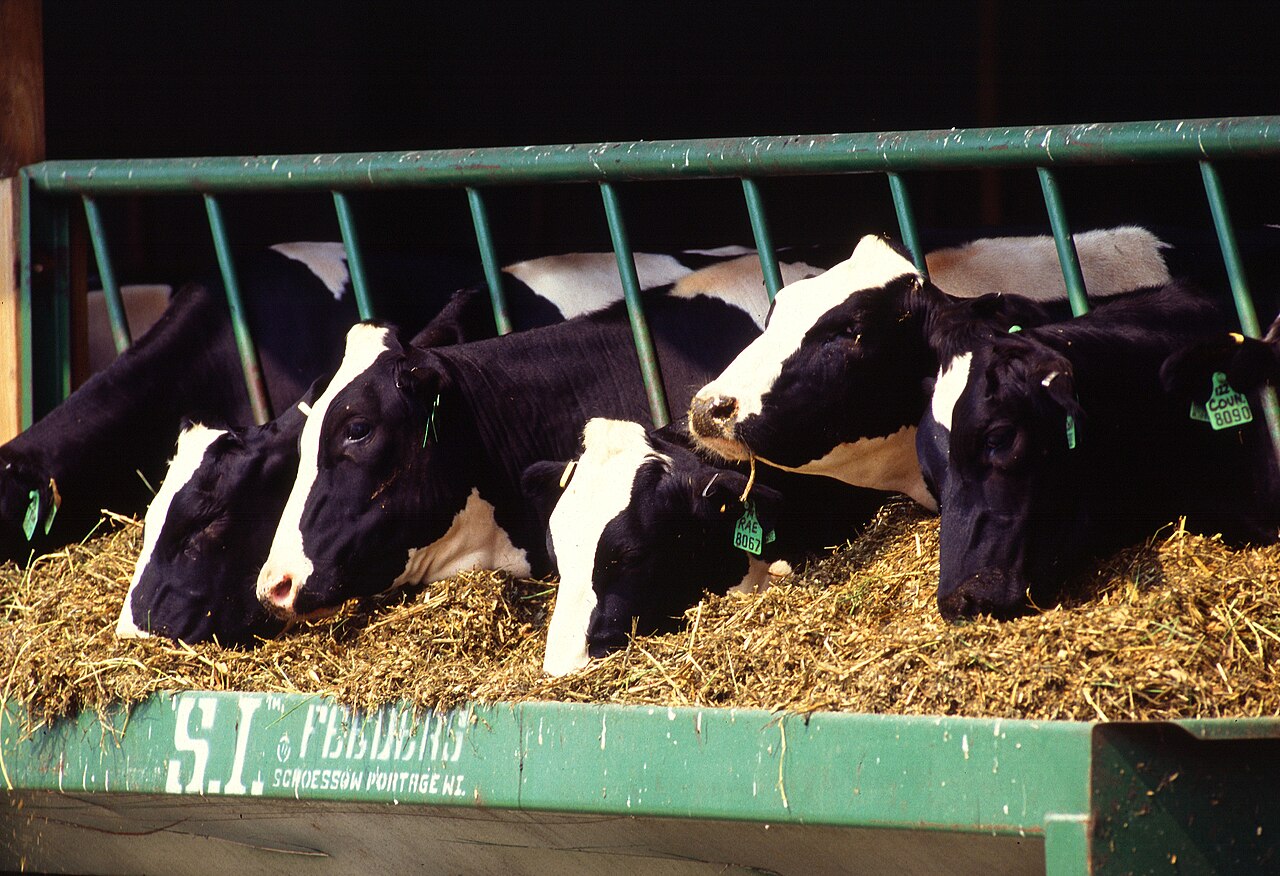
Eighteen months on 162 Dutch farms: about 20,000 cows: still show methane down about 30 percent, with the same milk and herd routine.
Read the card →Source: dsm-firmenich: 20,000 cows, 18 months in the Netherlands
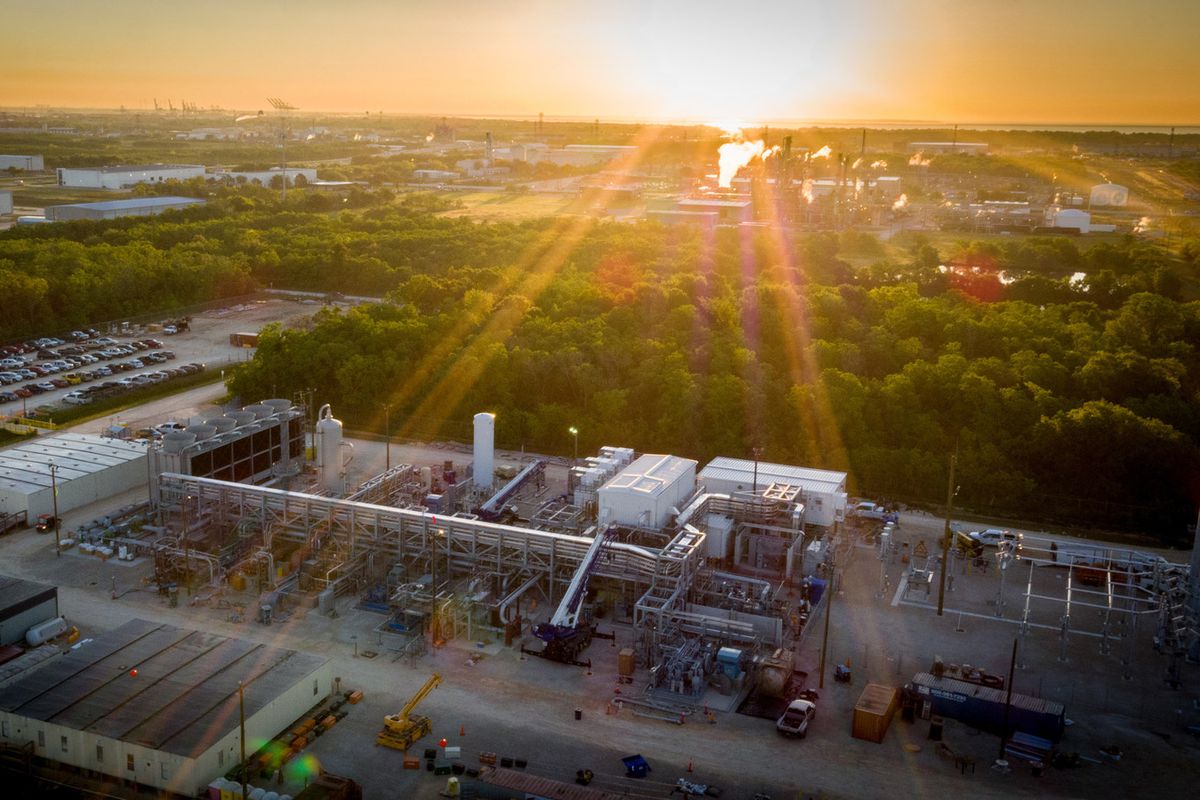
In June 2026 a Canadian hub delivered North America’s first verified direct-air-capture credits: 14 tonnes stored, not a megaton plant.
Read the card →Source: Reuters: Deep Sky delivers North America’s first DAC credits (29 June 2026)
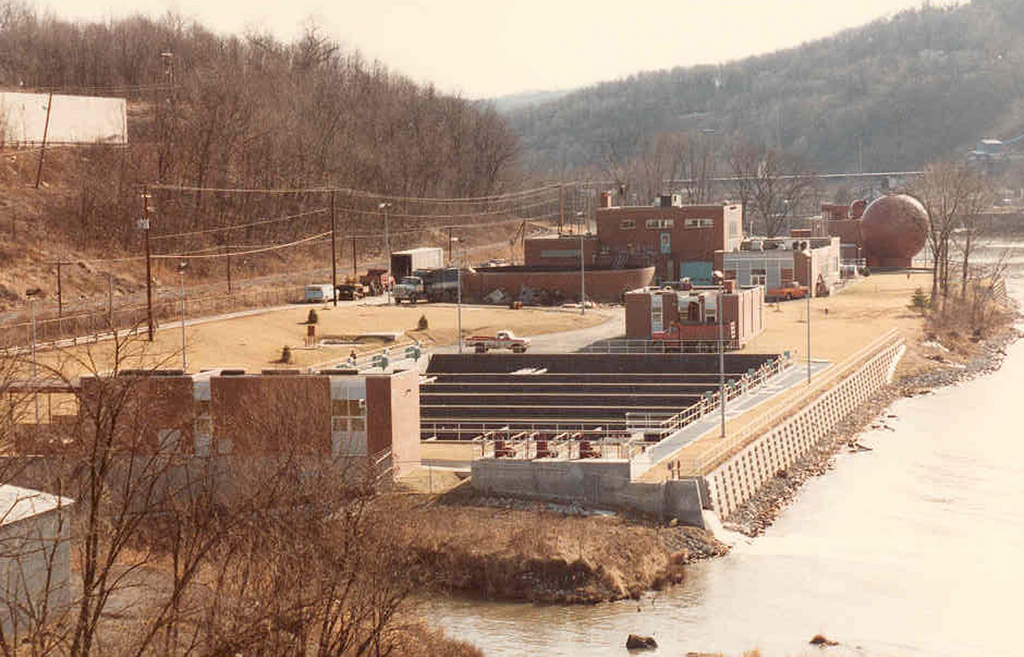
A New Jersey hybrid DAC unit entered service in 2026: up to 450 tonnes of CO₂ a year and a claimed water coproduct: a demo, not a climate-scale plant.
Read the card →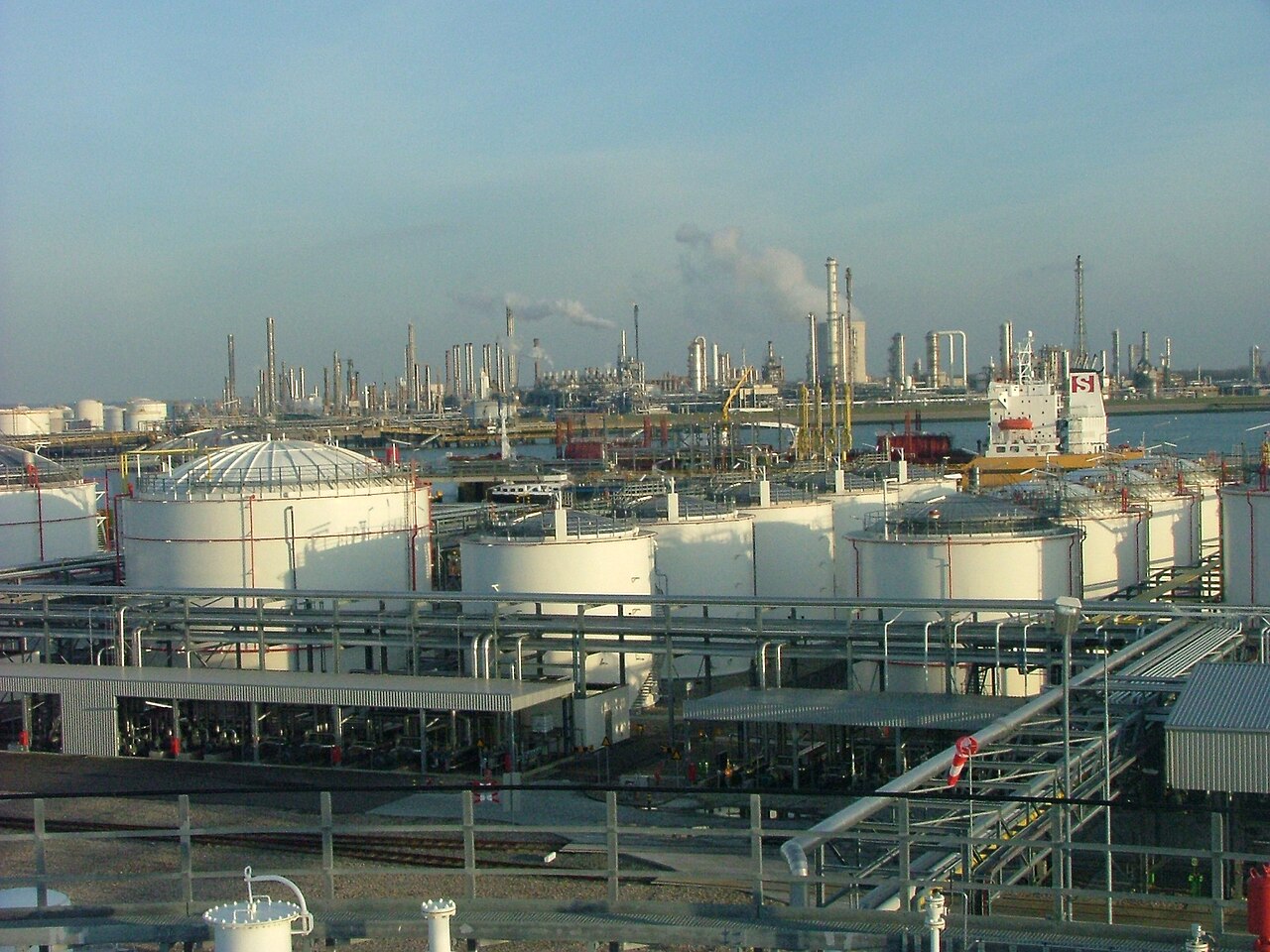
Europe’s largest industrial capture hall, opened in September 2026: up to 800,000 tonnes a year from ammonia, shipped to Norway: point-source CCS, not air removal.
Read the card →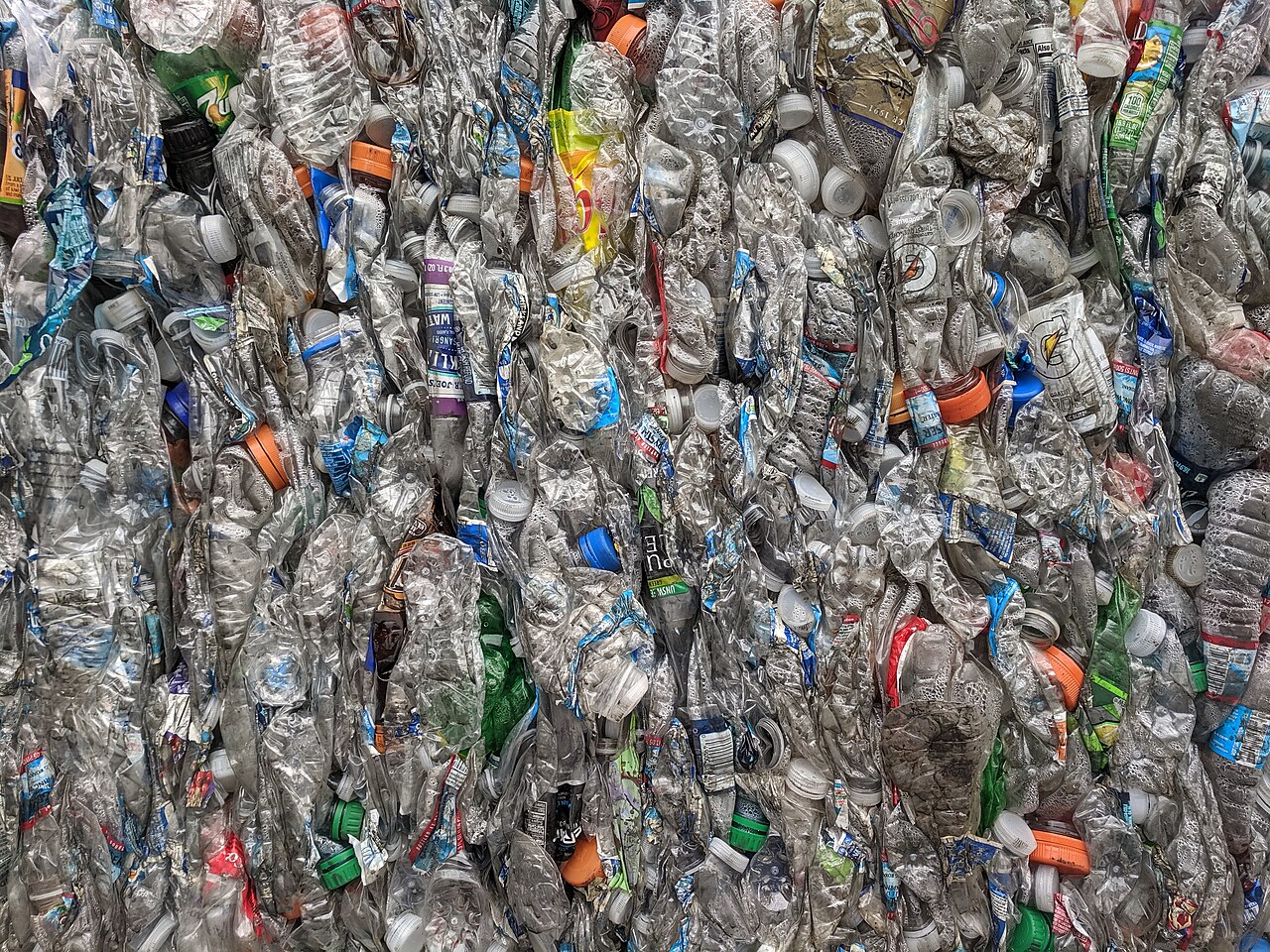
Australia’s first enzymatic recycling plant is open in New South Wales. Infinite loops still need collection, offtake, and a second, larger factory.
Read the card →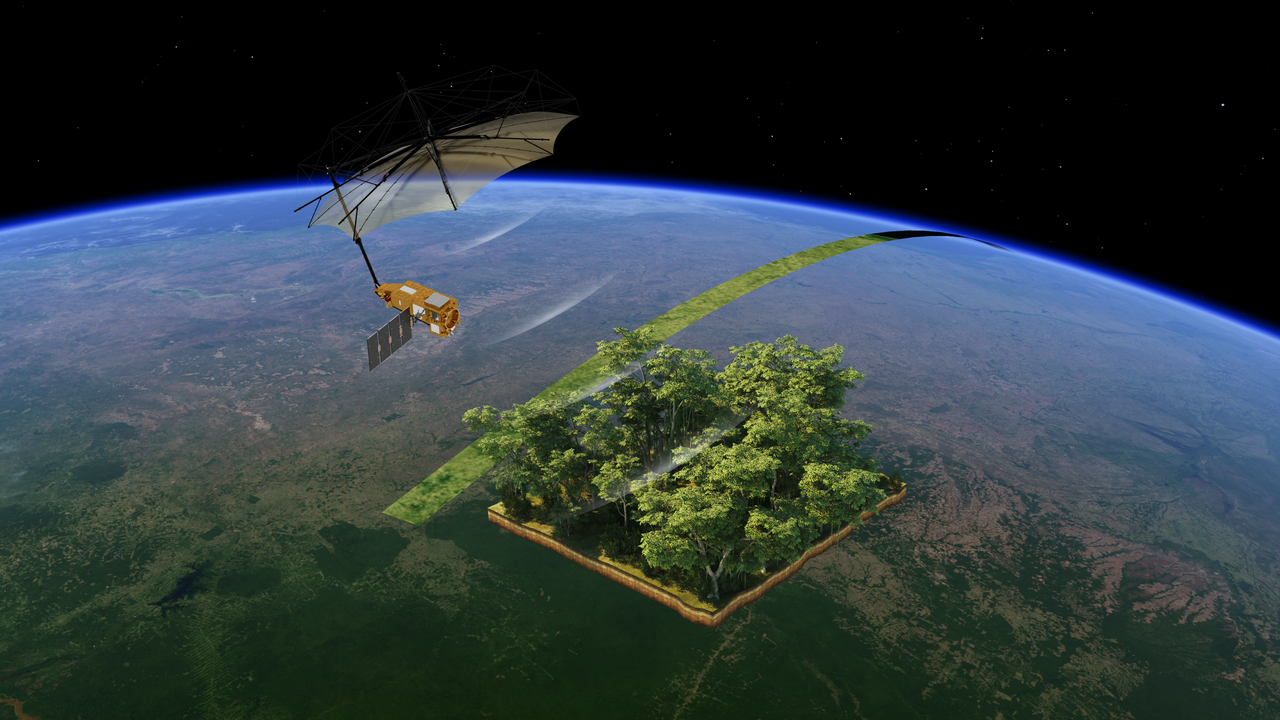
The first P-band radar in space, built to map forest biomass and the carbon in trees: not a weather model and not an emissions inventory.
Read the card →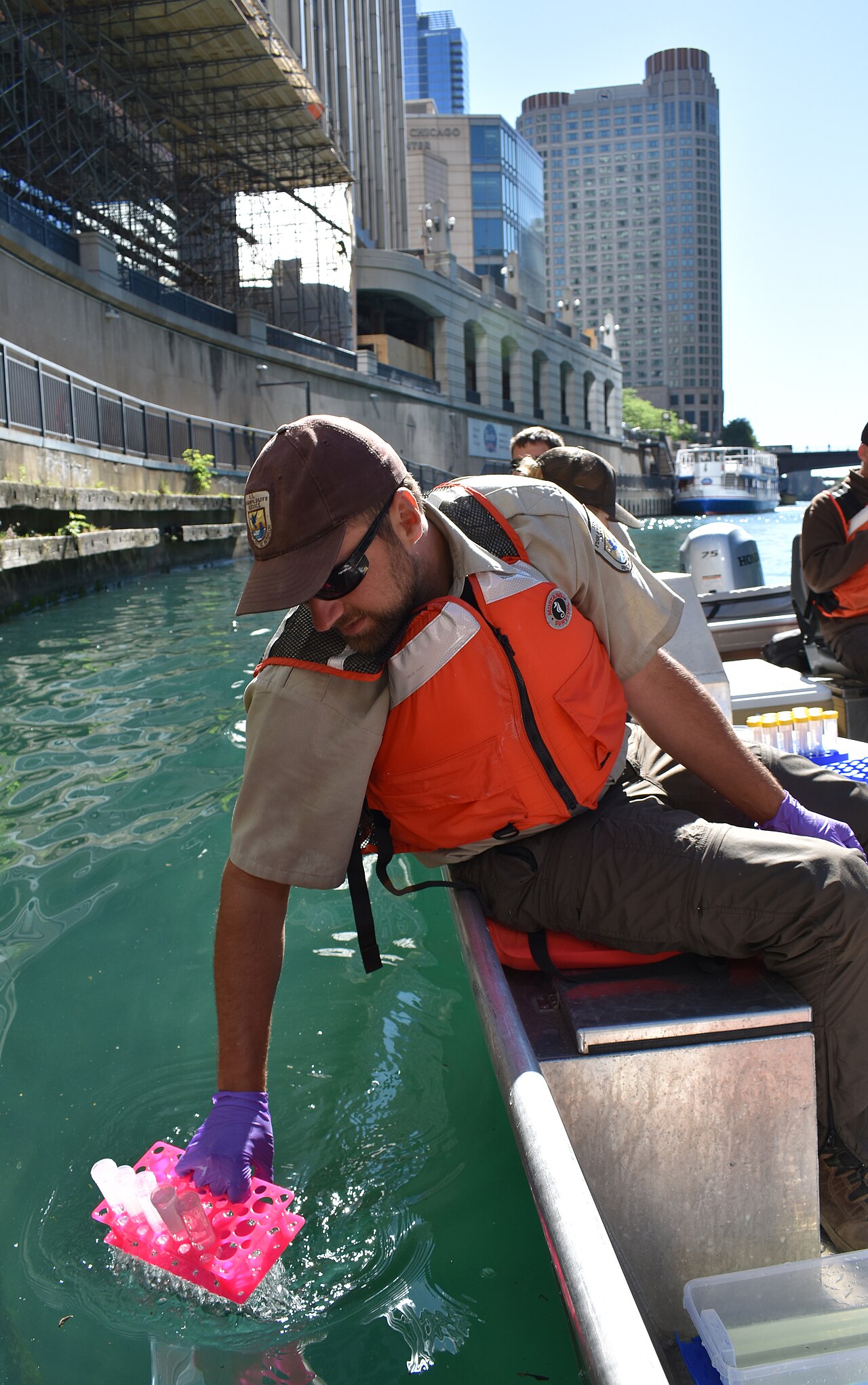
Environmental DNA and bioacoustics, tied into NatureMetrics’ Nature Intelligence Platform (Habitat Insights 2025; Portfolio Assessment 2025), turn water and soil samples into species lists for TNFD-style reporting: not coral gardening and not DAC.
Read the card →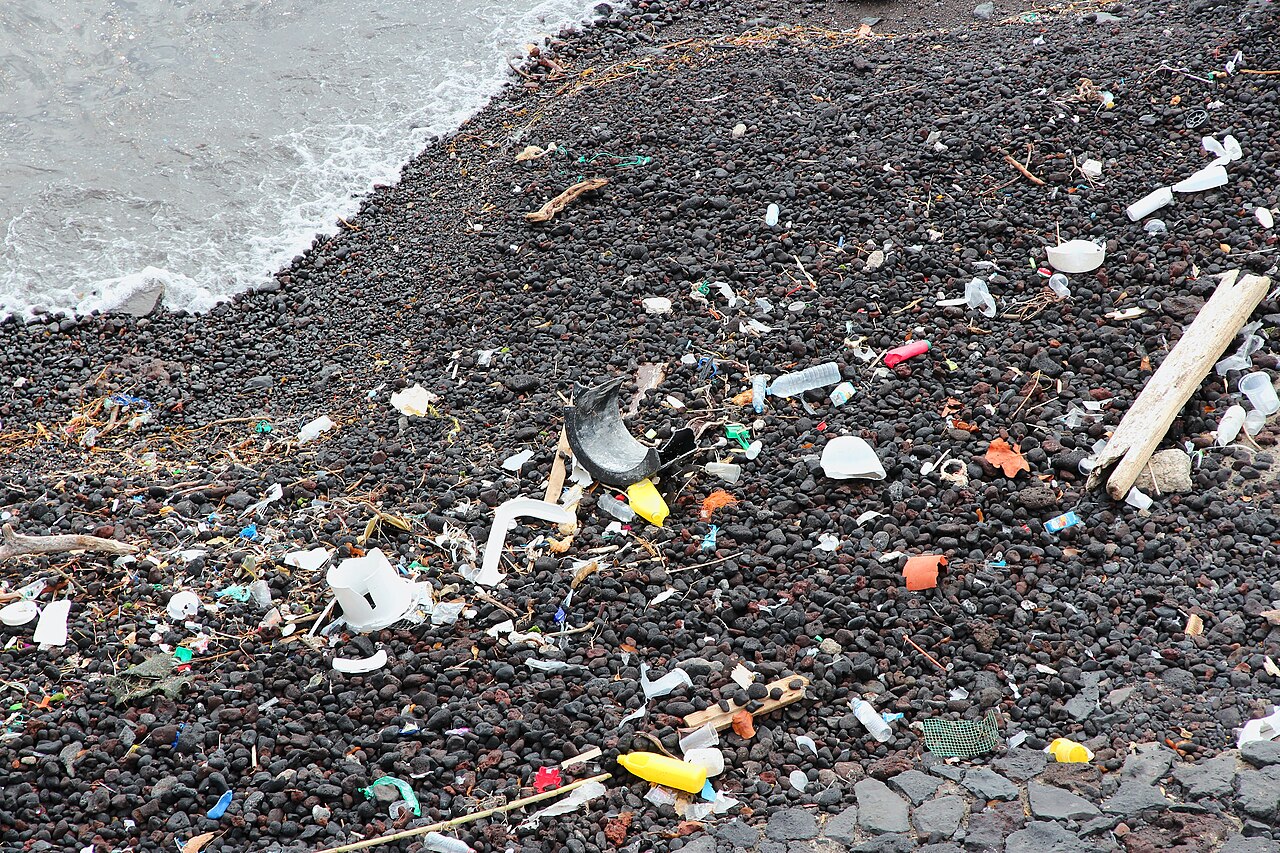
ESA- and JRC-backed work (Nature Communications, June 2024) showed Sentinel-2 can map floating litter windrows across the Mediterranean: hotspots and seasonal pulses, not a plastic-eating enzyme plant.
Read the card →Source: Cózar et al., Nature Communications, 2024: marine litter from space
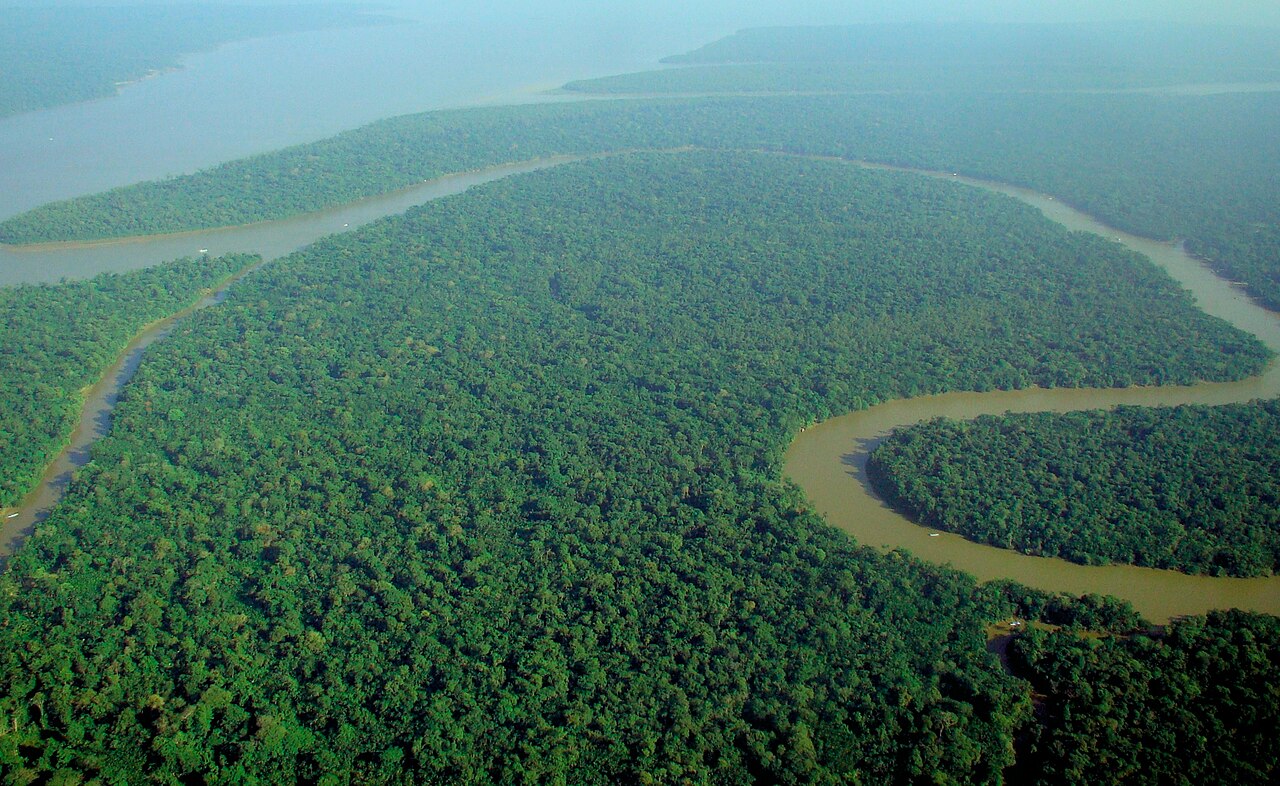
ENCORE (Global Canopy / UNEP FI / UNEP-WCMC): free TNFD-referenced screening of sector dependencies and impacts on nature; major knowledge-base upgrade July 2024. Not a DAC plant and not an eDNA lab.
Read the card →Source: ENCORE: Exploring Natural Capital Opportunities, Risks and Exposure
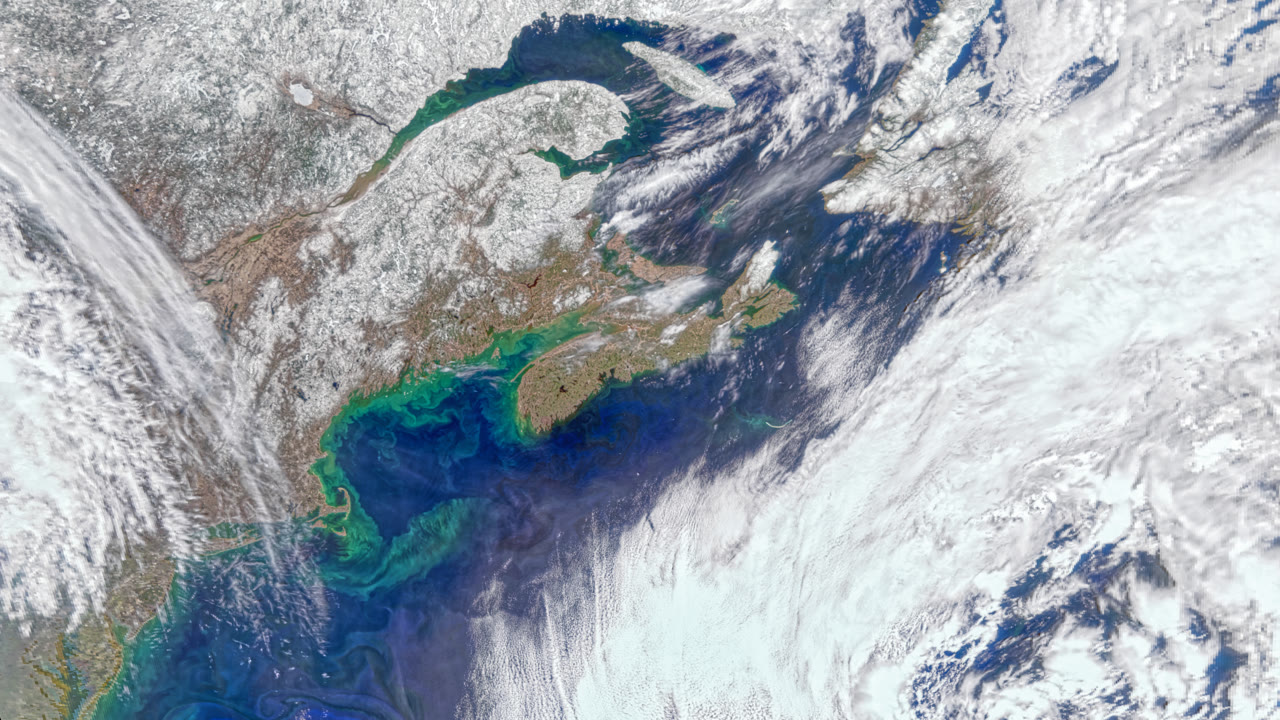
NASA’s PACE satellite (launched 8 Feb 2024; public data from April 2024) uses a hyperspectral Ocean Color Instrument plus polarimeters to map phytoplankton communities, aerosols, and clouds together: not forest biomass radar (ESA Biomass) and not litter windrows.
Read the card →