

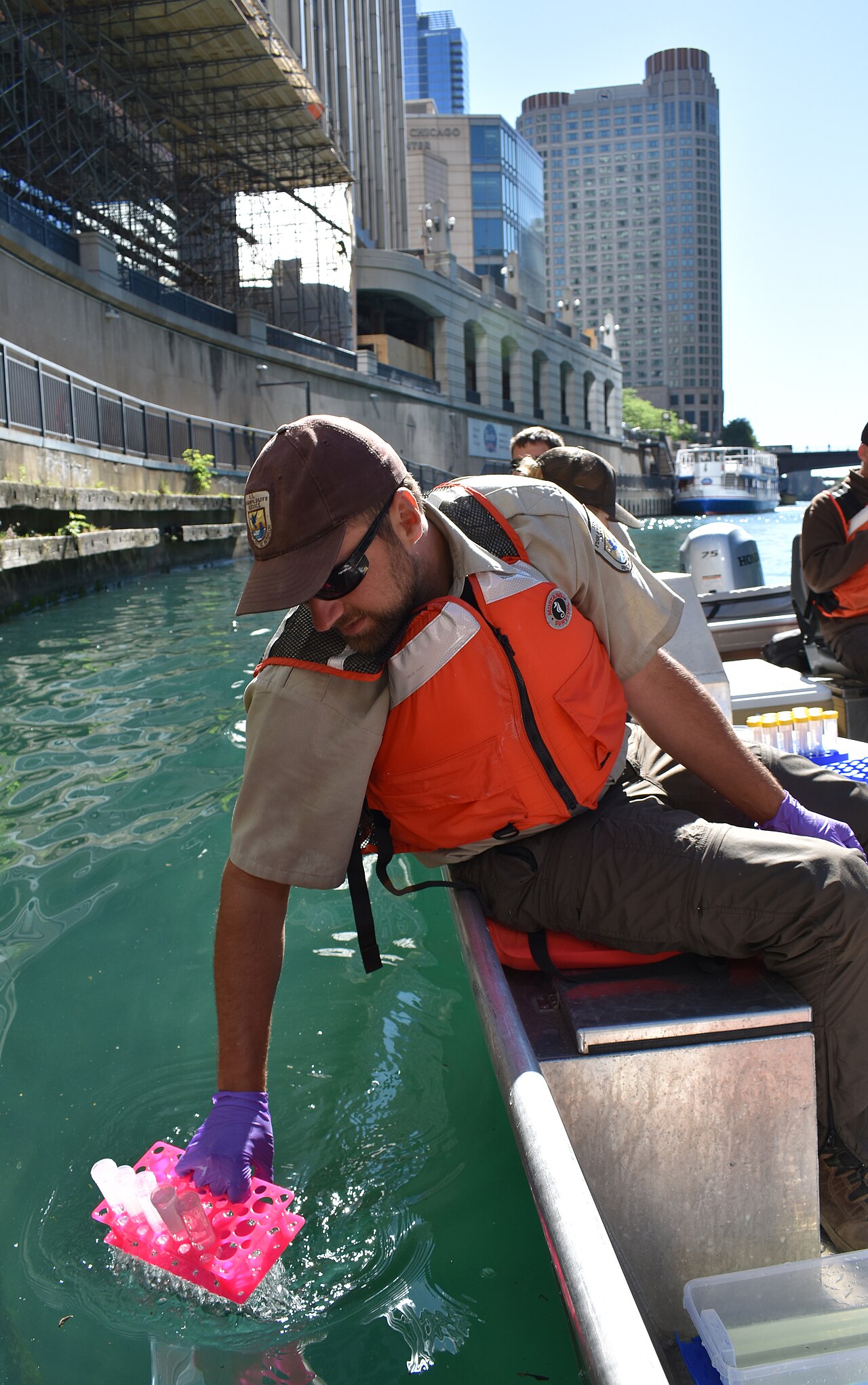
Image: Monica Blaser, U.S. Fish and Wildlife Service, Midwest Region ( Public domain )

What it is
Environmental DNA (eDNA) methods detect species from genetic traces in water, soil, or air. NatureMetrics packages sampling, lab analysis, and a portfolio dashboard (Nature Intelligence Platform) used for nature-risk and disclosure work. Releases in 2024-2026 include autonomous aquatic sampling partnerships, Habitat Insights (geospatial habitat assessment, announced early 2025), and AI-assisted Portfolio Assessment.
Problem it targets
Permits and nature reports still lean on slow, patchy field surveys while regulators and lenders ask for comparable biodiversity evidence across whole site portfolios.
How it works
Field teams or autosamplers collect filtered water or soil. Labs amplify and sequence marker genes. Bioinformatics match reads to reference libraries. Geospatial layers and predictive scores sit beside the species evidence so operators can screen many sites before deep surveys.
Status and players
NatureMetrics, on commercial deployments for mining, renewables, and infrastructure clients (company public materials). Parallel public science includes the U.S. National Aquatic eDNA Strategy (2024), which pushes shared standards for aquatic invasive-species and biodiversity monitoring.
Risks and limits
eDNA detects genetic traces, not abundance or animal health by itself. A positive hit is not a census. False negatives and positives, DNA carried downstream, and thin reference libraries can mislead. A commercial dashboard is not a substitute for field ecology where regulators demand it.
Sources
NatureMetrics Nature Intelligence Platform and the Habitat Insights launch; USGS news on the National Aquatic eDNA Strategy. Screening and evidence, not a full biodiversity survey.