

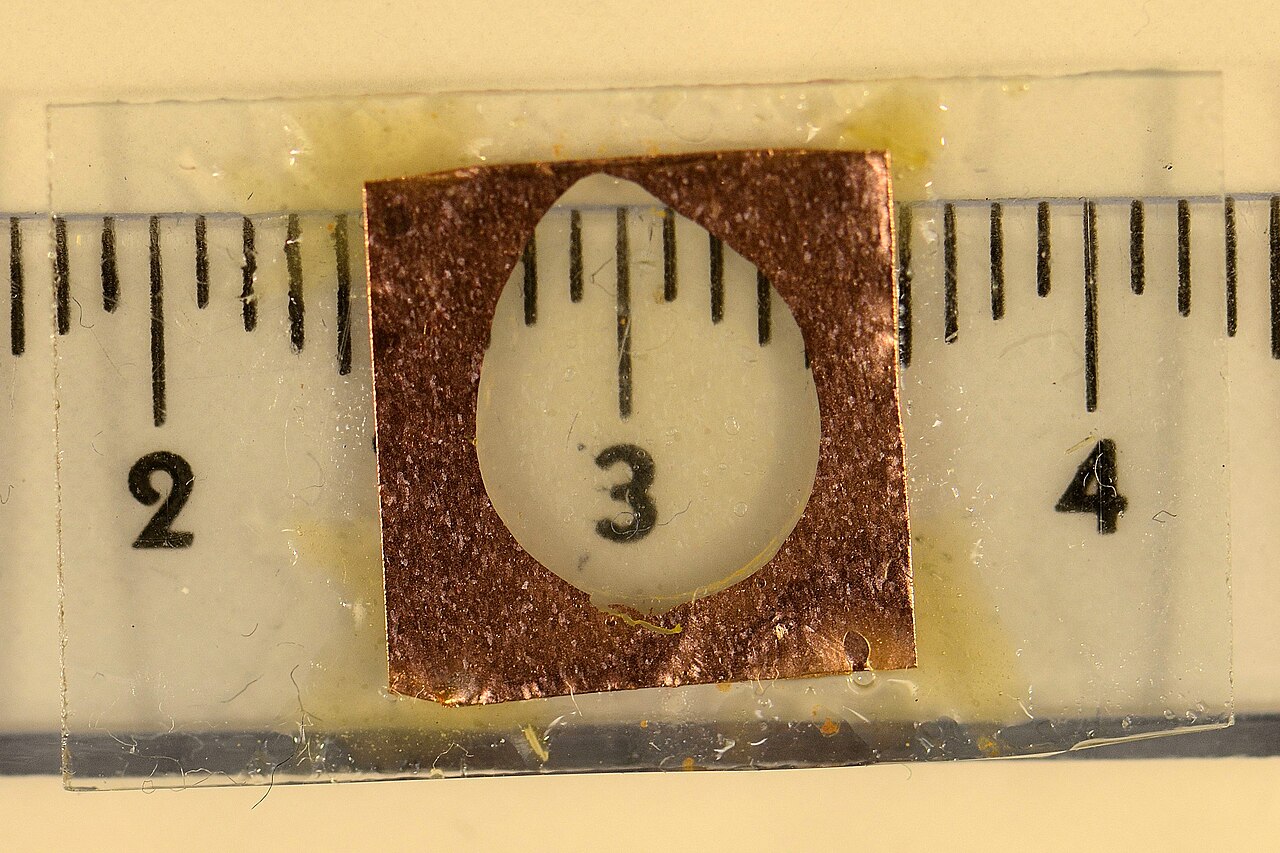
Image: Tavo Romann ( CC BY-SA 4.0 )

What it is
Nanotechnology here means membranes whose pores or surface chemistry are designed at the nanometre scale: graphene oxide laminates, carbon-nanotube pores, thin-film composites with nanoparticle fillers. The hope is higher flux and better salt or contaminant rejection than today’s polymer reverse-osmosis sheets.
Problem it targets
Desalination and wastewater reuse already work, and they eat energy and fouling chemicals. A better membrane would cut the power and the cleaning. The same toolkit is studied for CO₂ separation and for electrolyzer and fuel-cell layers.
How it works
Researchers stack flakes or grow pores so water (or a target gas) passes and salts do not. Lab coupons often look excellent. Modules that last years in Red Sea or municipal wastewater are rarer. Commercial RO remains dominated by polyamide films, not wonder materials.
Status and players
University of Manchester graphene work; NREL and national-lab membrane programs; companies making thin-film nanocomposite RO (a modest, real product class). Treat “graphene will desalinate the world” headlines as hope, not inventory.
Risks and limits
Scaling a square-centimetre film to a square-kilometre plant, plus chlorine, biofilm, and cost. Nanomaterial safety in drinking-water contact needs regulation, not slogans.
Sources
Nair et al., Nature, 2012 (graphene-oxide water permeation); Abraham et al., Nature Nanotechnology, 2017. Commercial RO remains polyamide.