

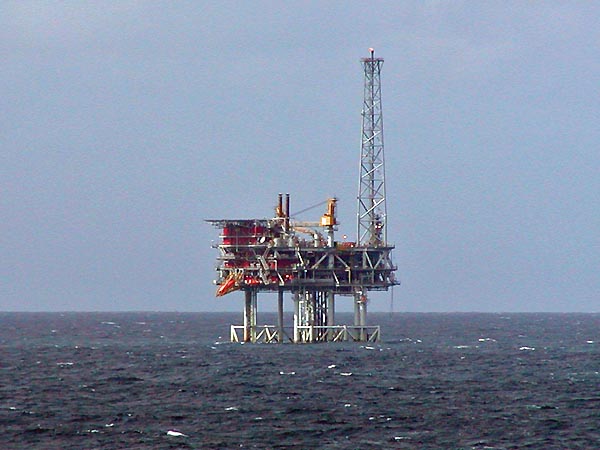
Image: Stan Shebs ( CC BY-SA 3.0 )

What it is
Carbon capture and storage (CCS) takes CO₂ from a chimney or process, not from thin air, then moves it to a store. Northern Lights is the transport-and-storage leg of Norway’s Longship project: ships, an onshore terminal at Øygarden, and injection into a saline reservoir under the North Sea.
Problem it targets
Cement, waste incineration, and some hydrogen or gas processing emit CO₂ that is hard to eliminate at the source. Point-source CCS is one way to keep those tonnes out of the air: if the capture rate is high and the store holds.
How it works
Captured CO₂ is liquefied, shipped, received, and piped offshore for injection. Phase 1 is designed for 1.5 million tonnes a year. Northern Lights reported first industrial volumes transported and stored in August 2025, including CO₂ from Heidelberg Materials’ Brevik cement plant. Phase 2 is meant to raise capacity toward about 5 million tonnes later in the decade: a plan, not a present fact.
Status and players
Joint venture of Equinor, Shell, and TotalEnergies, with Norwegian state support under Longship. Early emitter: Heidelberg Materials Brevik. Other European industrial customers are contracted or in talks.
Risks and limits
Capture at the plant is the hard, expensive step; storage is only useful if capture actually runs. Leakage, energy penalty, and using CCS to stretch fossil production are real debates. A million tonnes is serious engineering and still small next to national inventories.
Sources
Northern Lights JV pages; Equinor first-storage note (25 Aug 2025); official Longship / CCS Norway briefing.