

Endangered
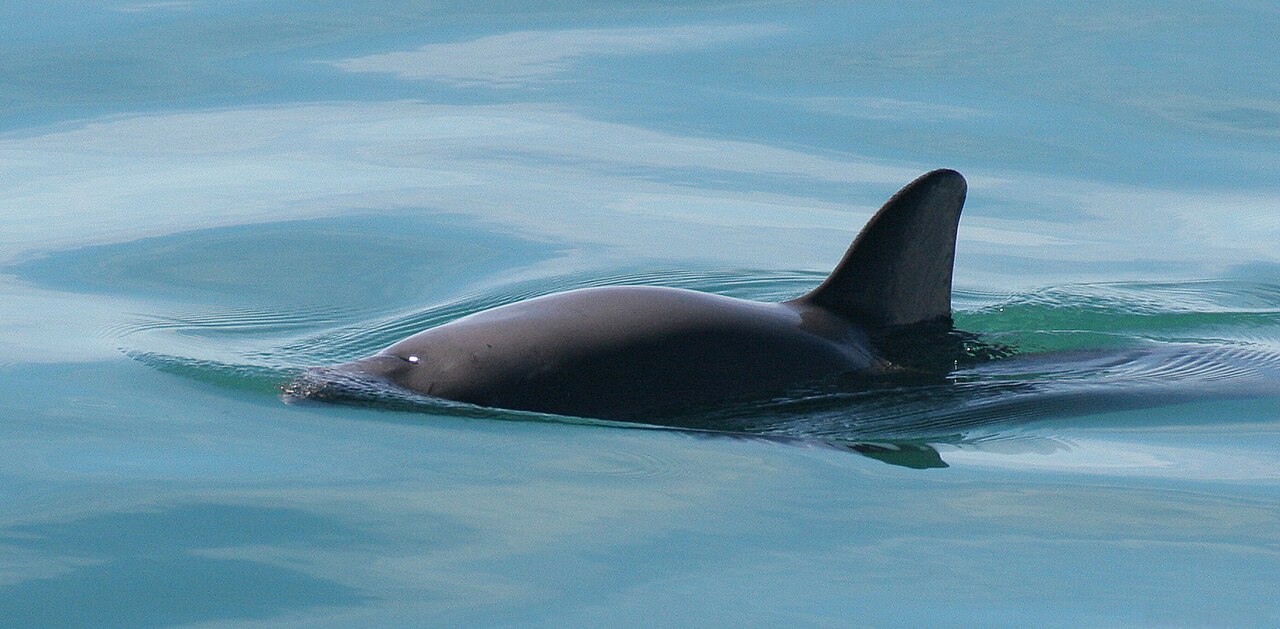
Vaquita
Phocoena sinus
The smallest porpoise, confined to one corner of the Gulf of California: a 2025 survey saw about 7-10 different animals.
Read entryThreatened now, mainly because of people: habitat loss, hunting, bycatch, and a climate we have changed.
Each animal is shown at full size, with the smaller animals behind it.
Heightm
Lengthm
1 of 1
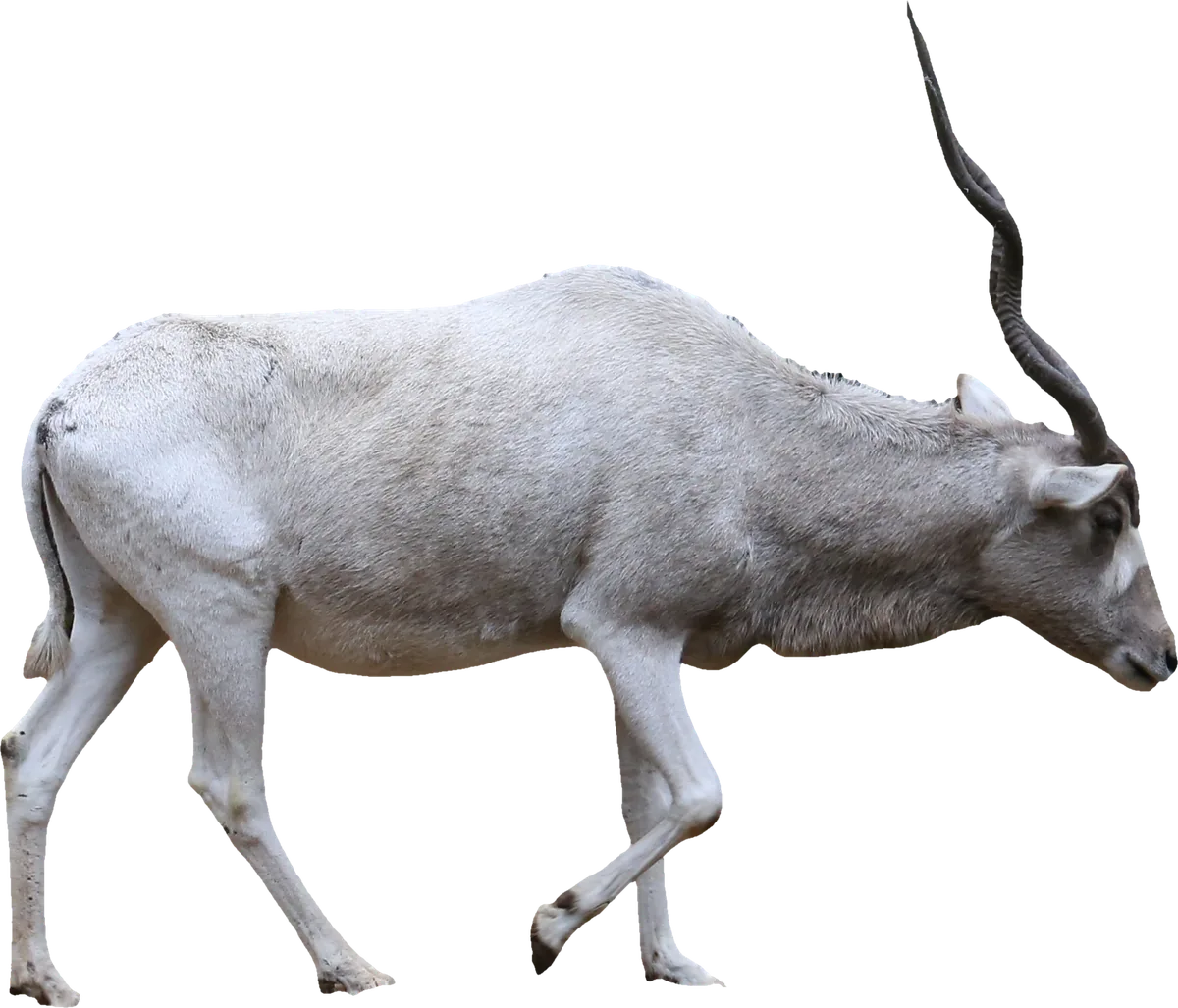
Shoulder height 1.1 m, Nose to tail tip 1.9 m
Photo: Rufus46, CC BY-SA 3.0 file on Wikimedia CommonsBackground removed from the original photo.
Swipe or press the arrow keys
Addax, 1 of 1. Shoulder height 1.1 m. Nose to tail tip 1.9 m.
Heightm
Lengthm
1 of 4
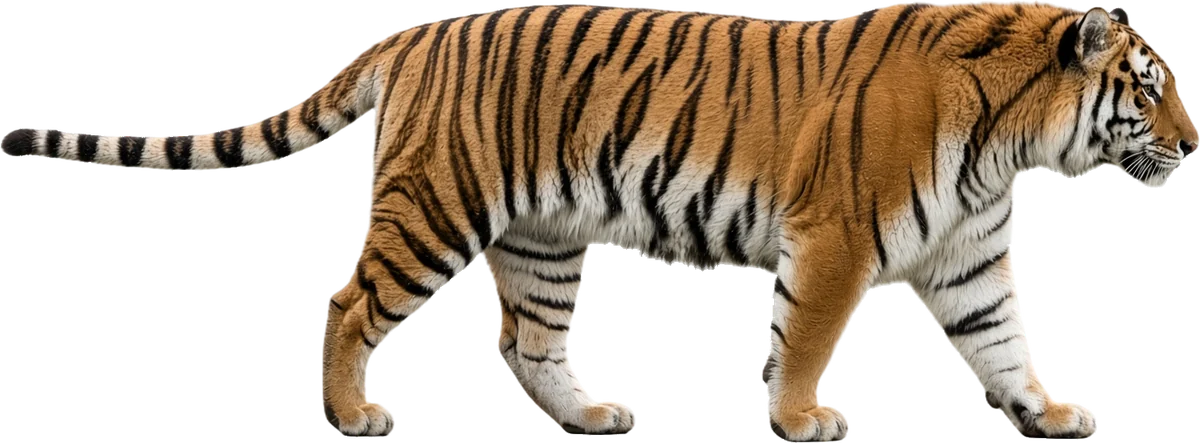
Shoulder height 1.0 m, Nose to tail tip 3.0 m
Fix Planet illustration
Swipe or press the arrow keys
Amur tiger, 1 of 4. Shoulder height 1.0 m. Nose to tail tip 3.0 m.
Phocoena sinus
The smallest porpoise, confined to one corner of the Gulf of California: a 2025 survey saw about 7-10 different animals.
Read entry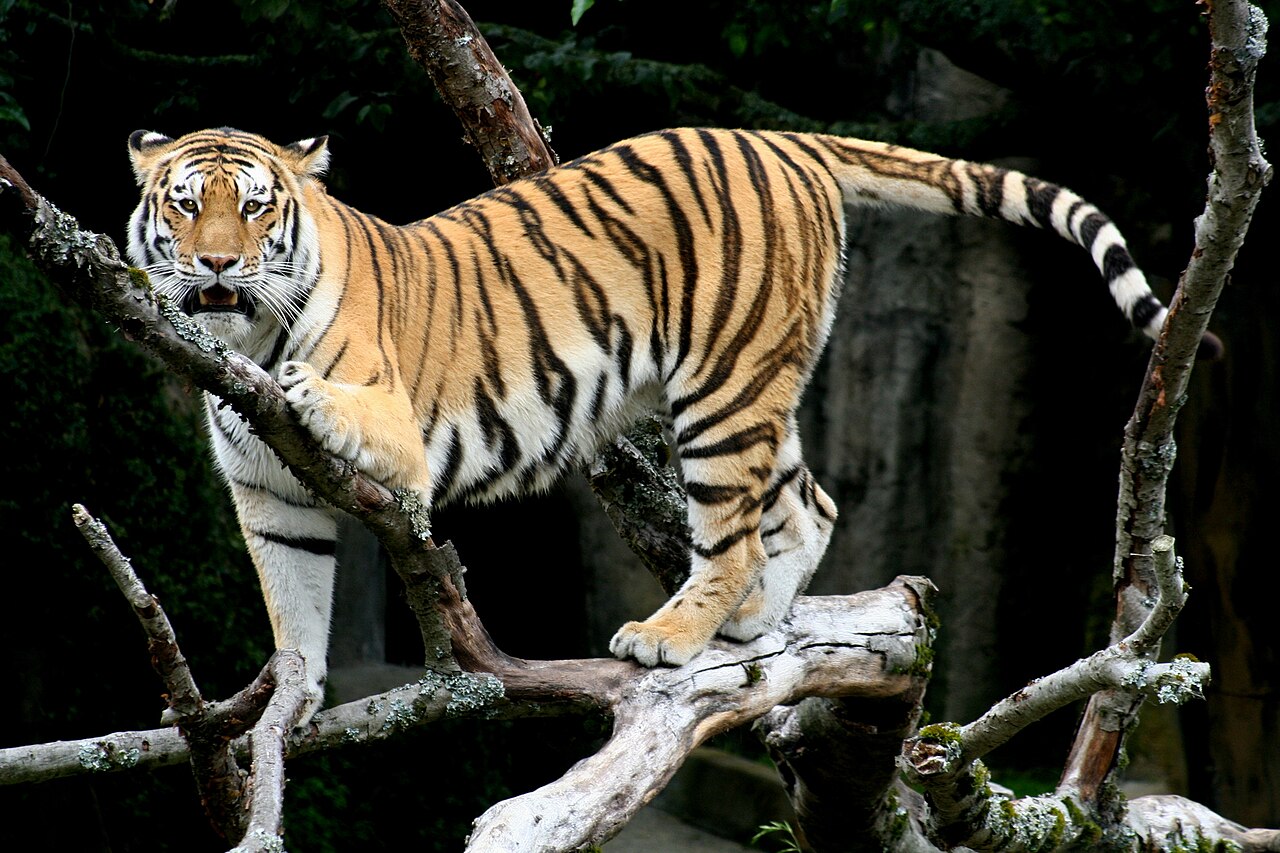
Panthera tigris altaica
The northernmost tiger: a few hundred animals in the Russian Far East and northeast China.
Read entry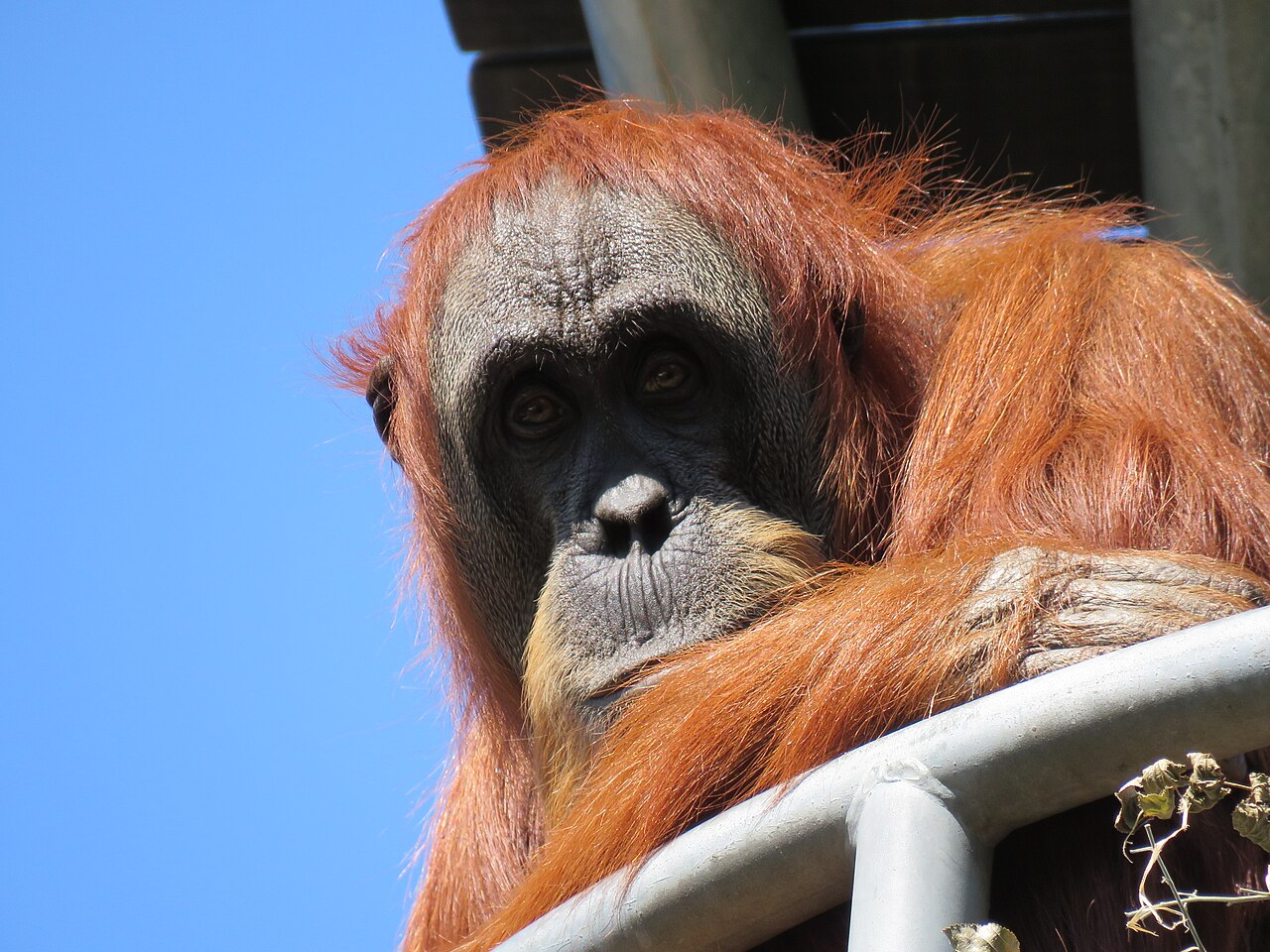
Pongo abelii
A great ape of northern Sumatra, listed Critically Endangered as oil palm replaces forest.
Read entry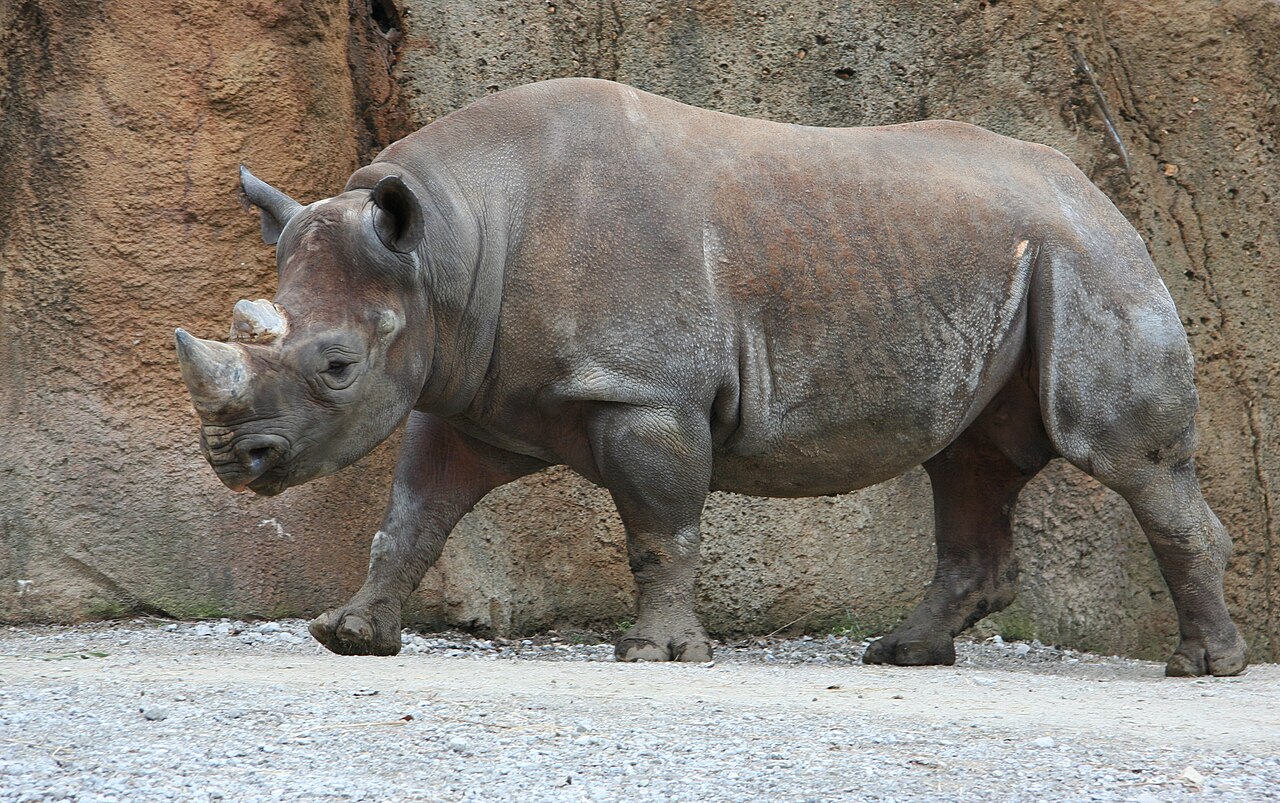
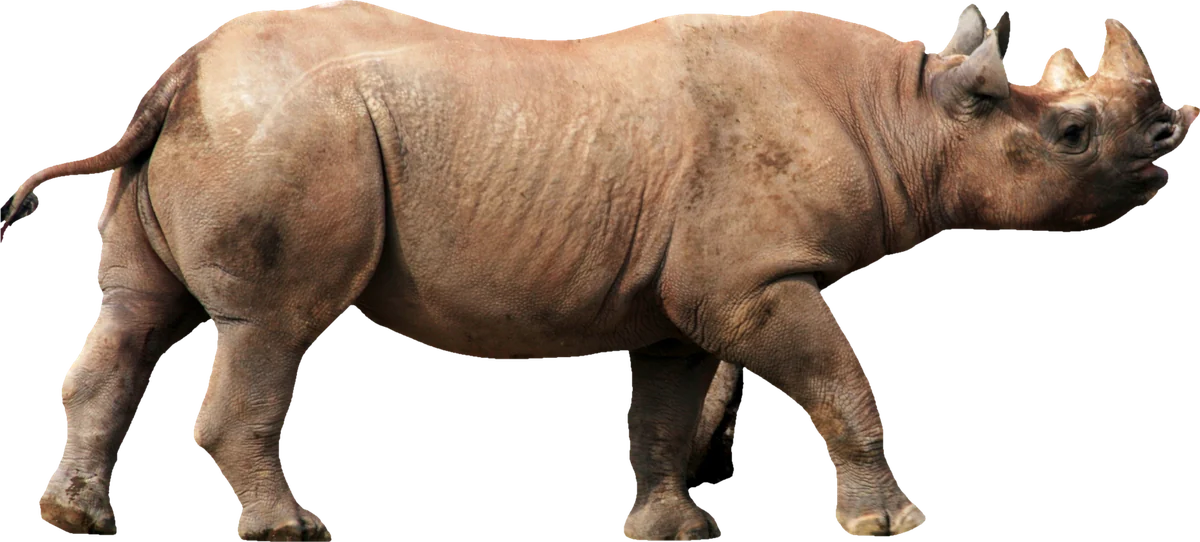
Diceros bicornis
Horn poaching cut the species to a few thousand; a partial recovery still leaves it Critically Endangered.
Read entry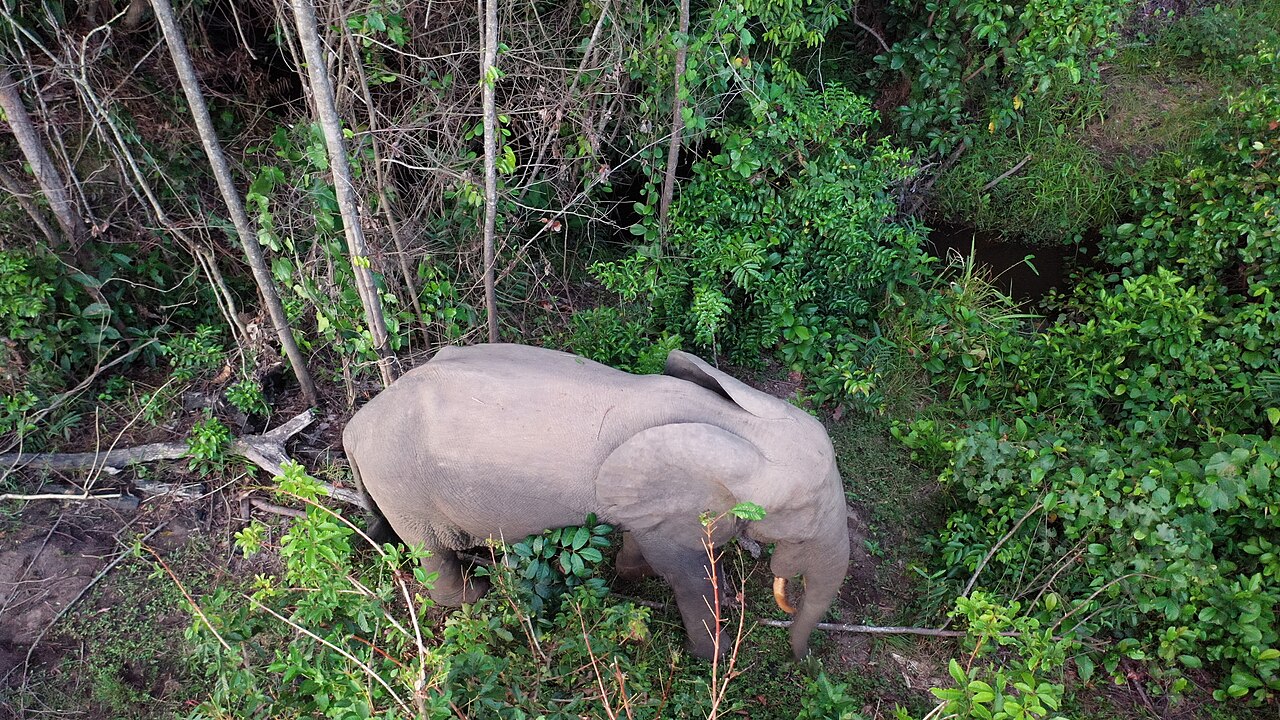
Loxodonta cyclotis
Listed Critically Endangered in 2021 after an estimated 80 percent decline over three generations.
Read entry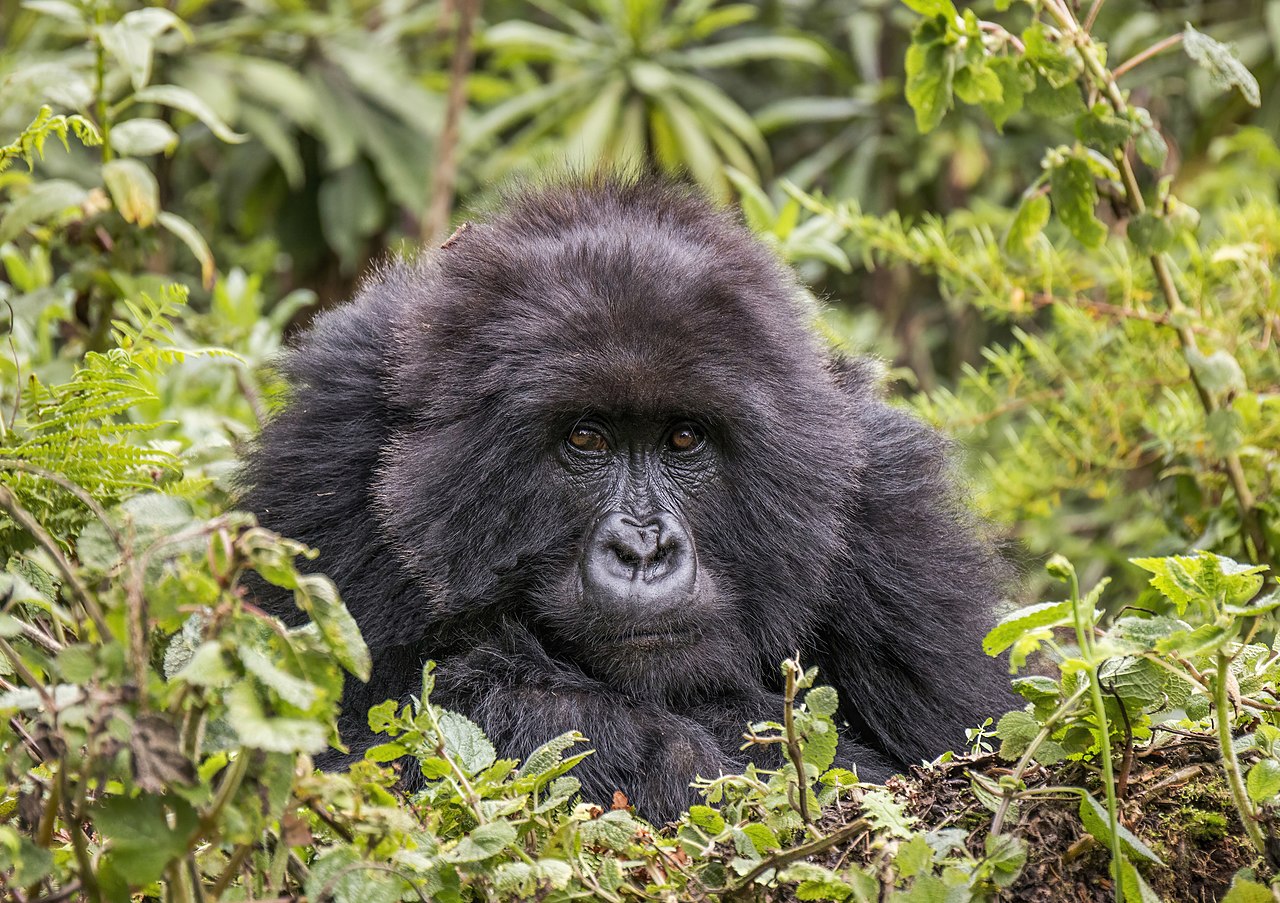
Gorilla beringei beringei
The only great ape whose counted numbers have risen: still Endangered, and only in two highland forests.
Read entry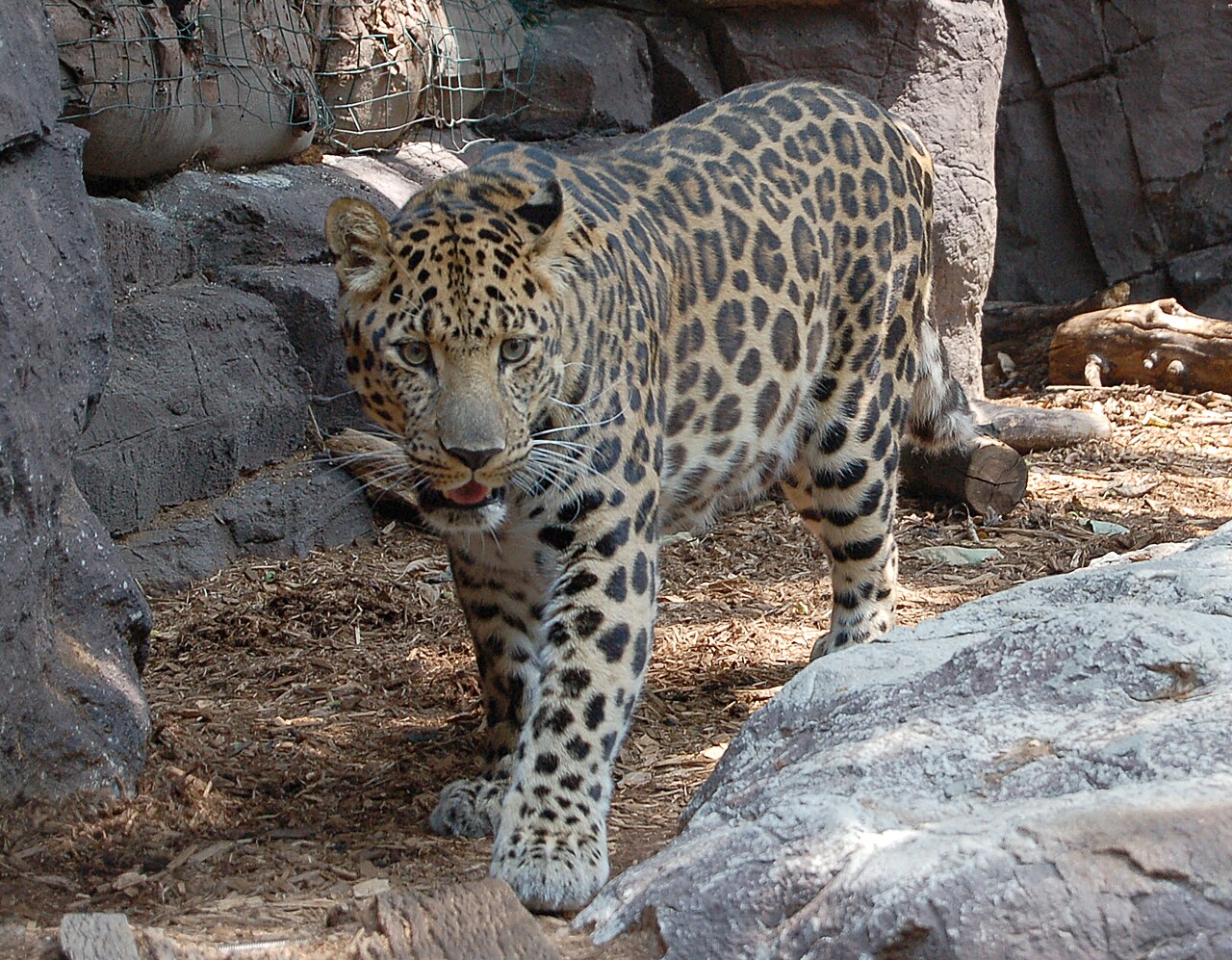
Panthera pardus orientalis
One of the rarest big cats: on the order of 100-130 mature animals in one transboundary forest.
Read entry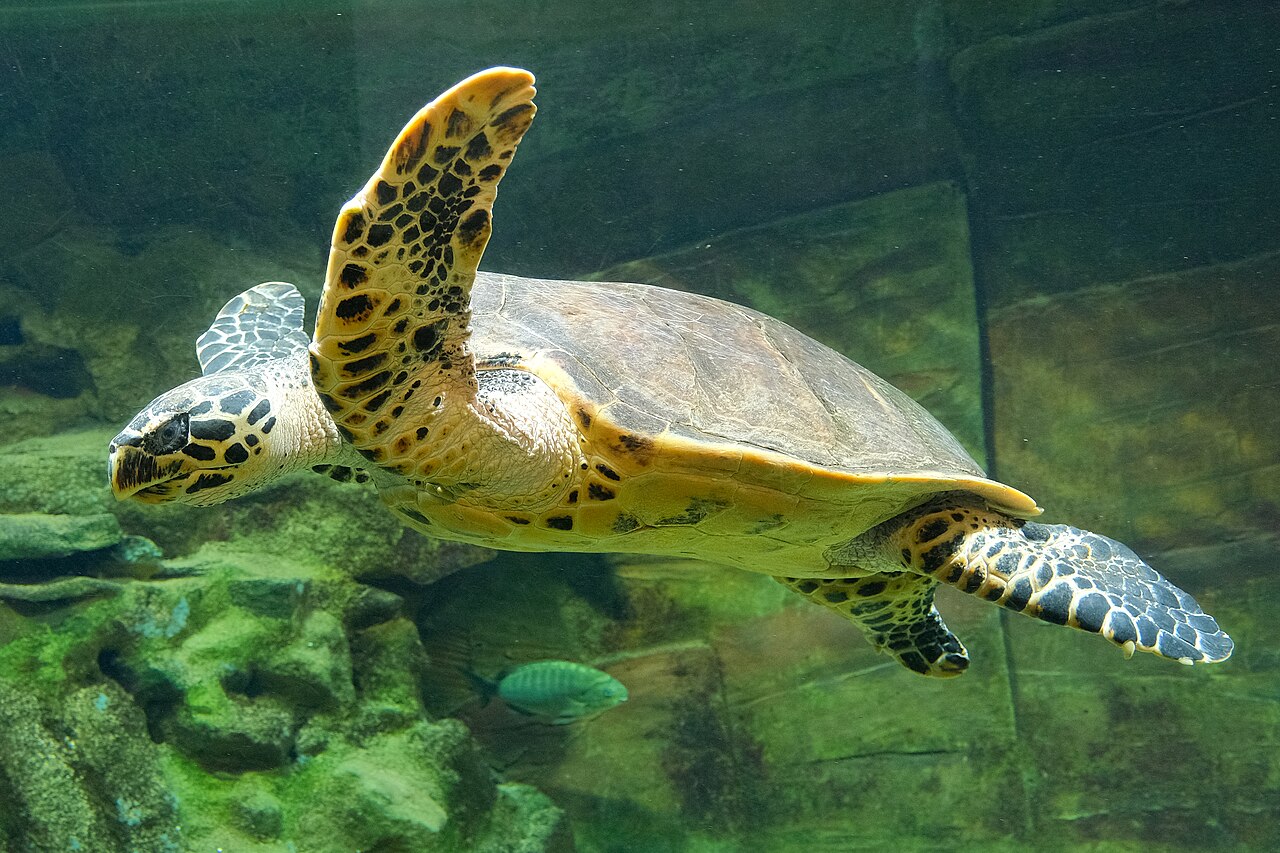
Eretmochelys imbricata
A coral-reef turtle hunted for tortoiseshell and still listed Critically Endangered.
Read entry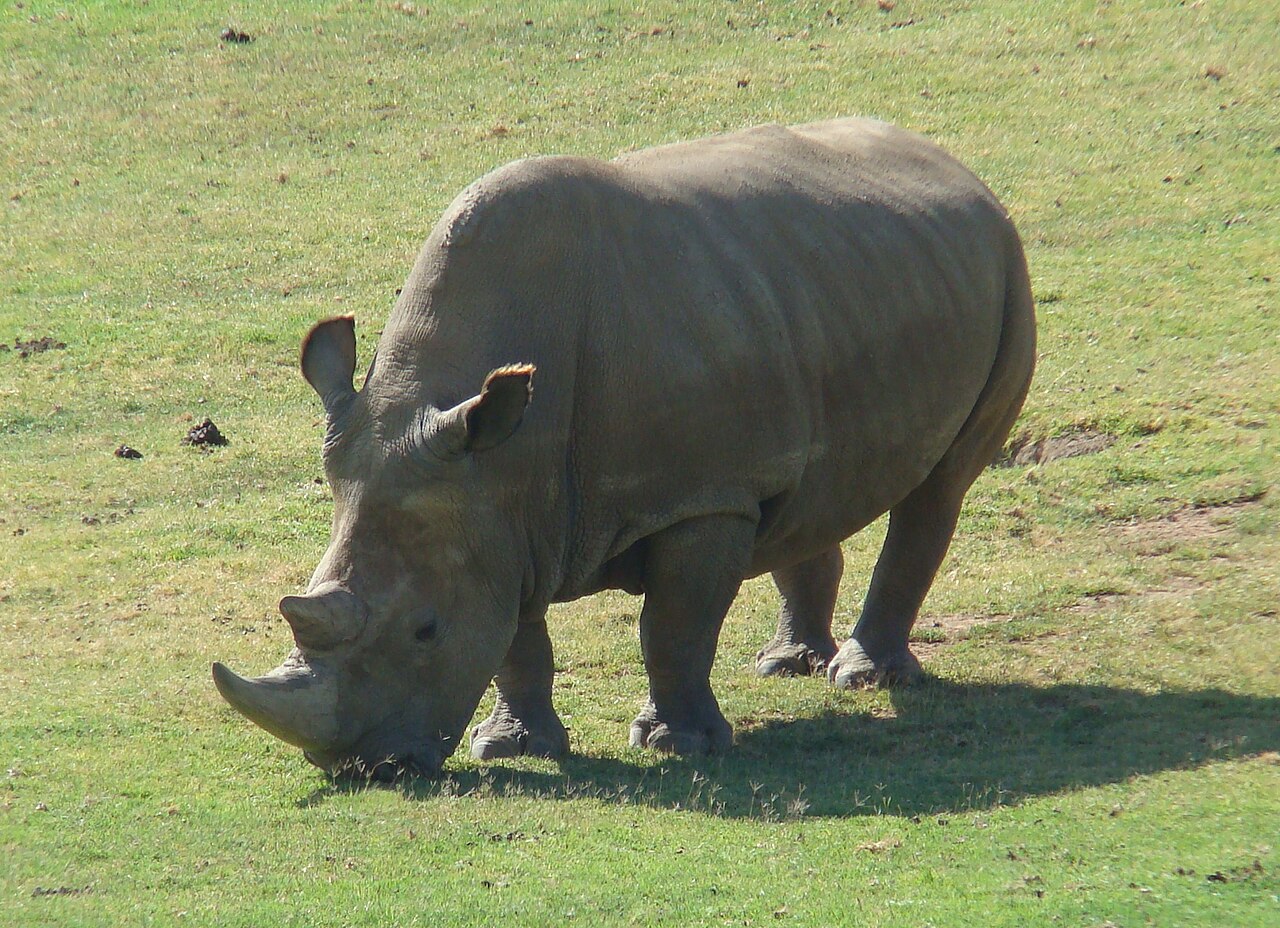
Ceratotherium simum cottoni
Two living females remain. The subspecies is functionally extinct in the wild; it is not a recovering herd.
Read entry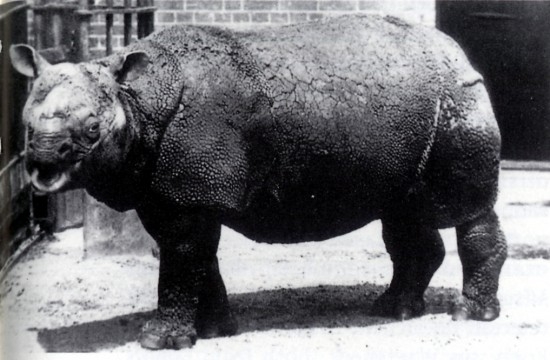
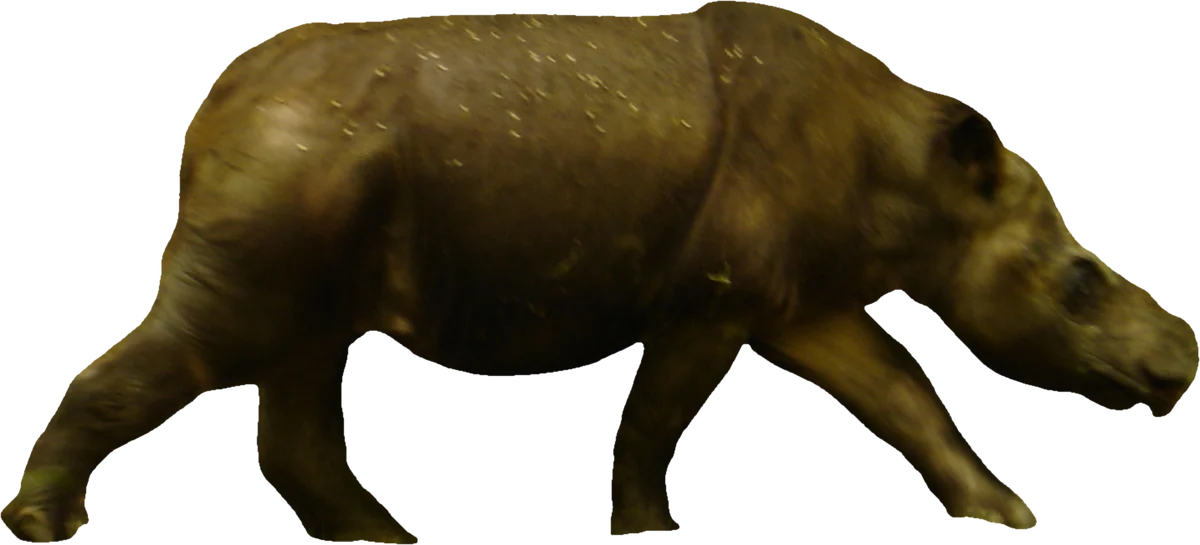
Rhinoceros sondaicus
The rarest living rhino: one park on Java, and a 2025 count near 50 after poaching.
Read entry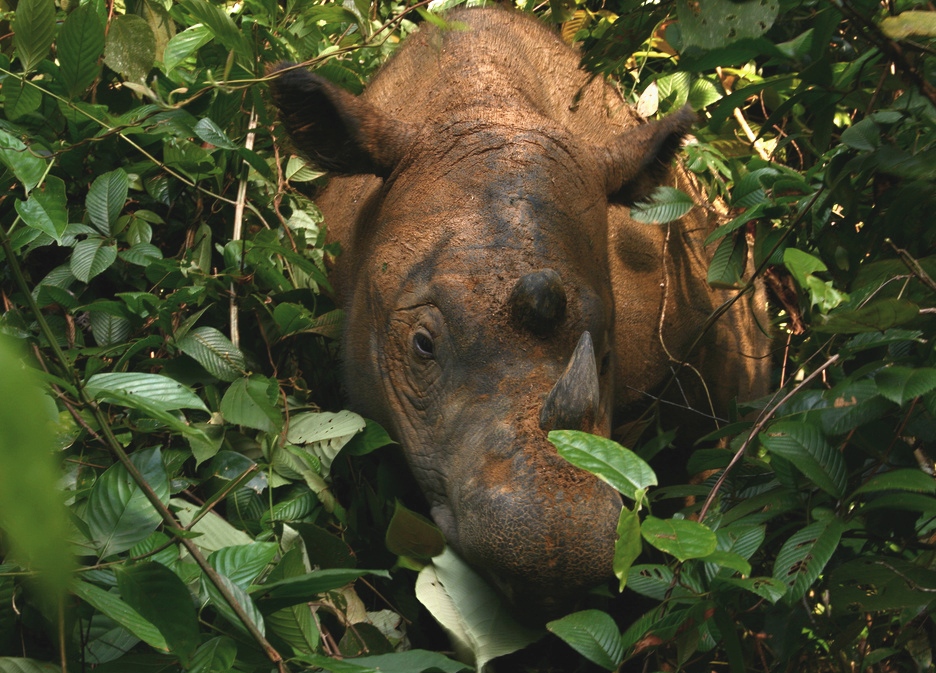
Dicerorhinus sumatrensis
The smallest, hairiest living rhino: IRF estimates 34-47 in the wild, not a comfortable “under 80.”
Read entry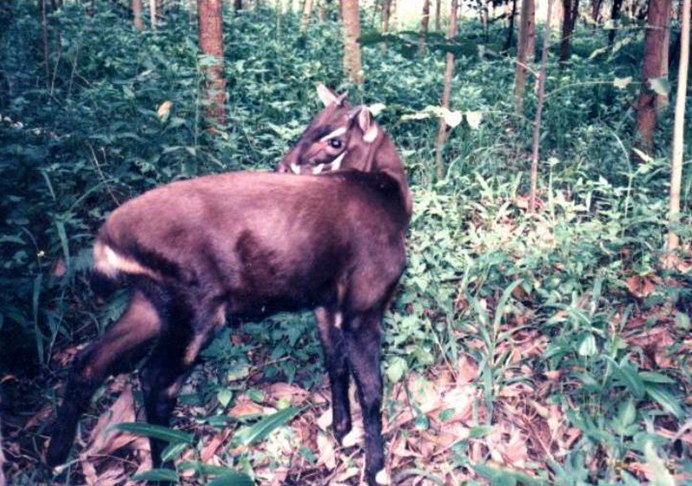
Pseudoryx nghetinhensis
The “Asian unicorn”: a forest bovid science met in 1992, last photographed in 2013, with no honest head-count.
Read entry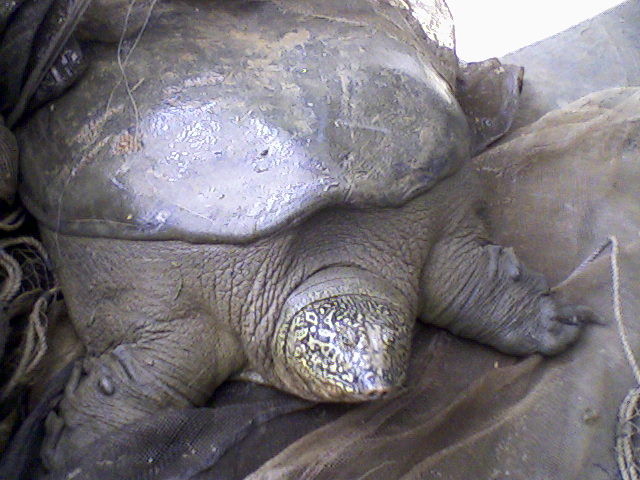
Rafetus swinhoei
The largest living freshwater turtle: a few known individuals, and no confirmed breeding female since 2023.
Read entry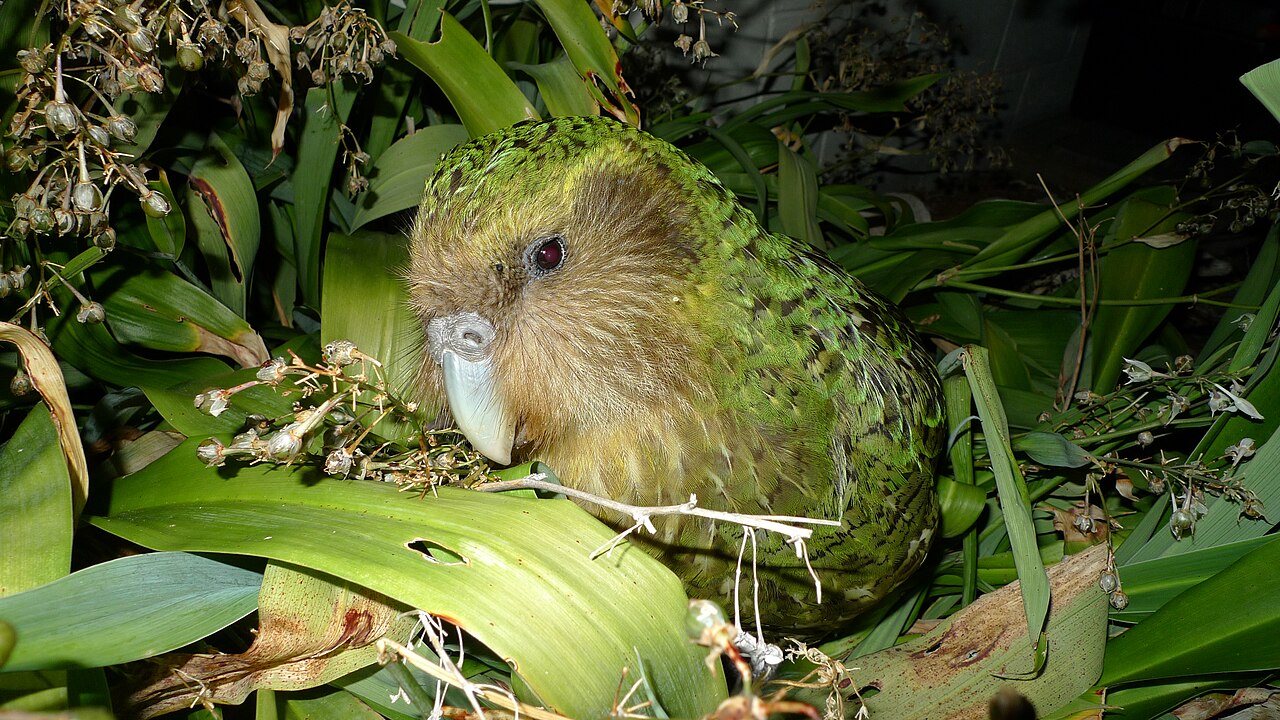
Strigops habroptilus
A flightless New Zealand parrot. The official tally in 2026 is 325 named birds, and the species is still critically endangered.
Read entry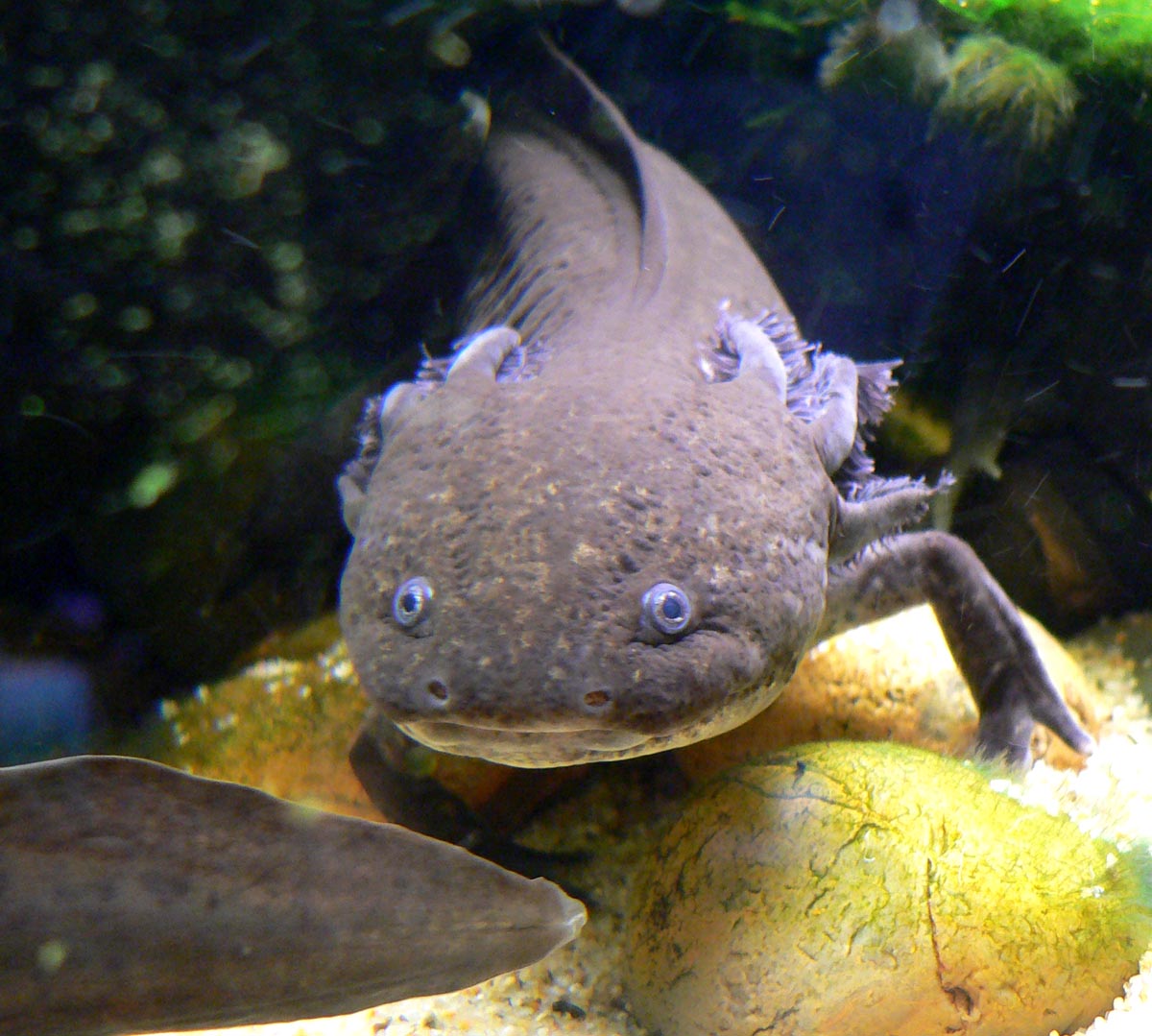
Ambystoma mexicanum
A gilled salamander of Mexico City’s canals: common in tanks, nearly gone from Xochimilco.
Read entry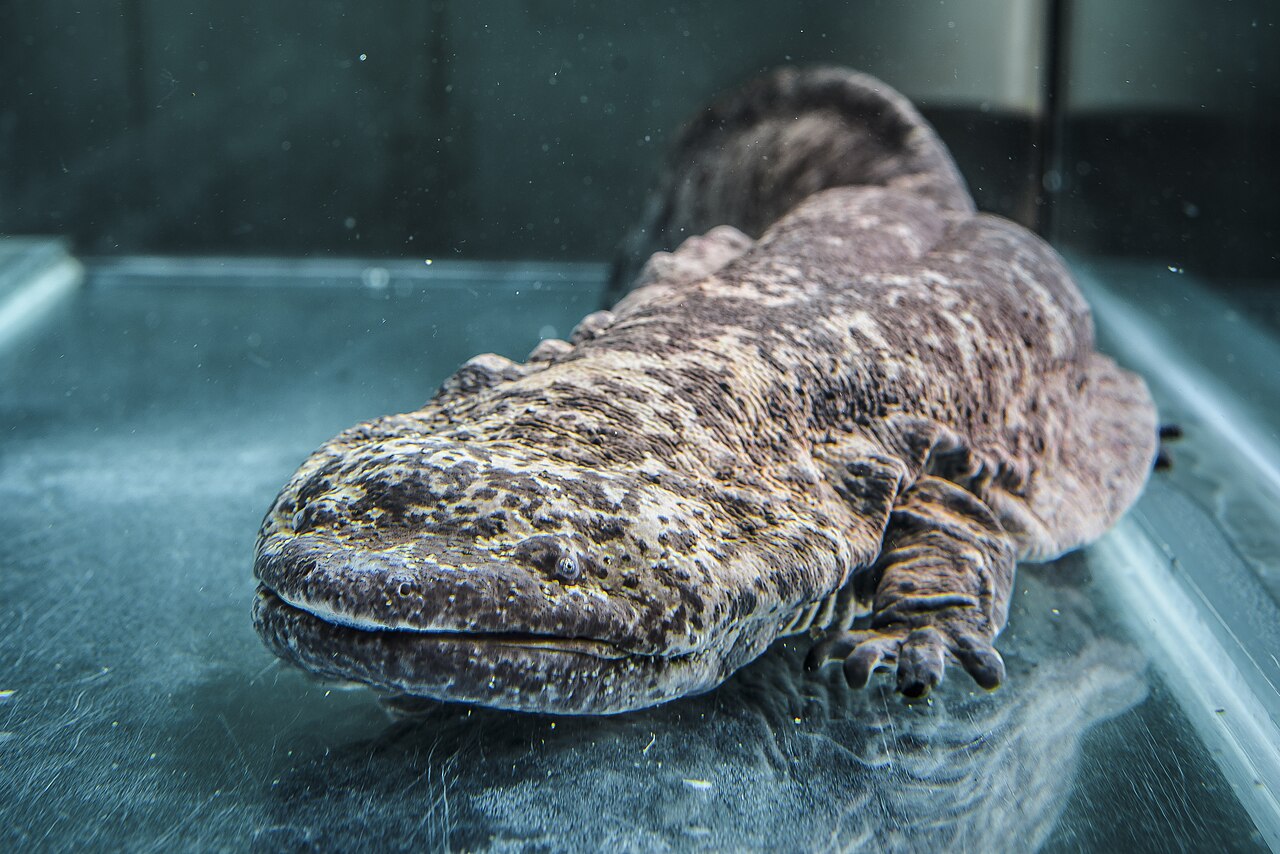
Andrias davidianus
The largest amphibian: farmed by the tens of thousands, wild lineages collapsing, and not one species.
Read entry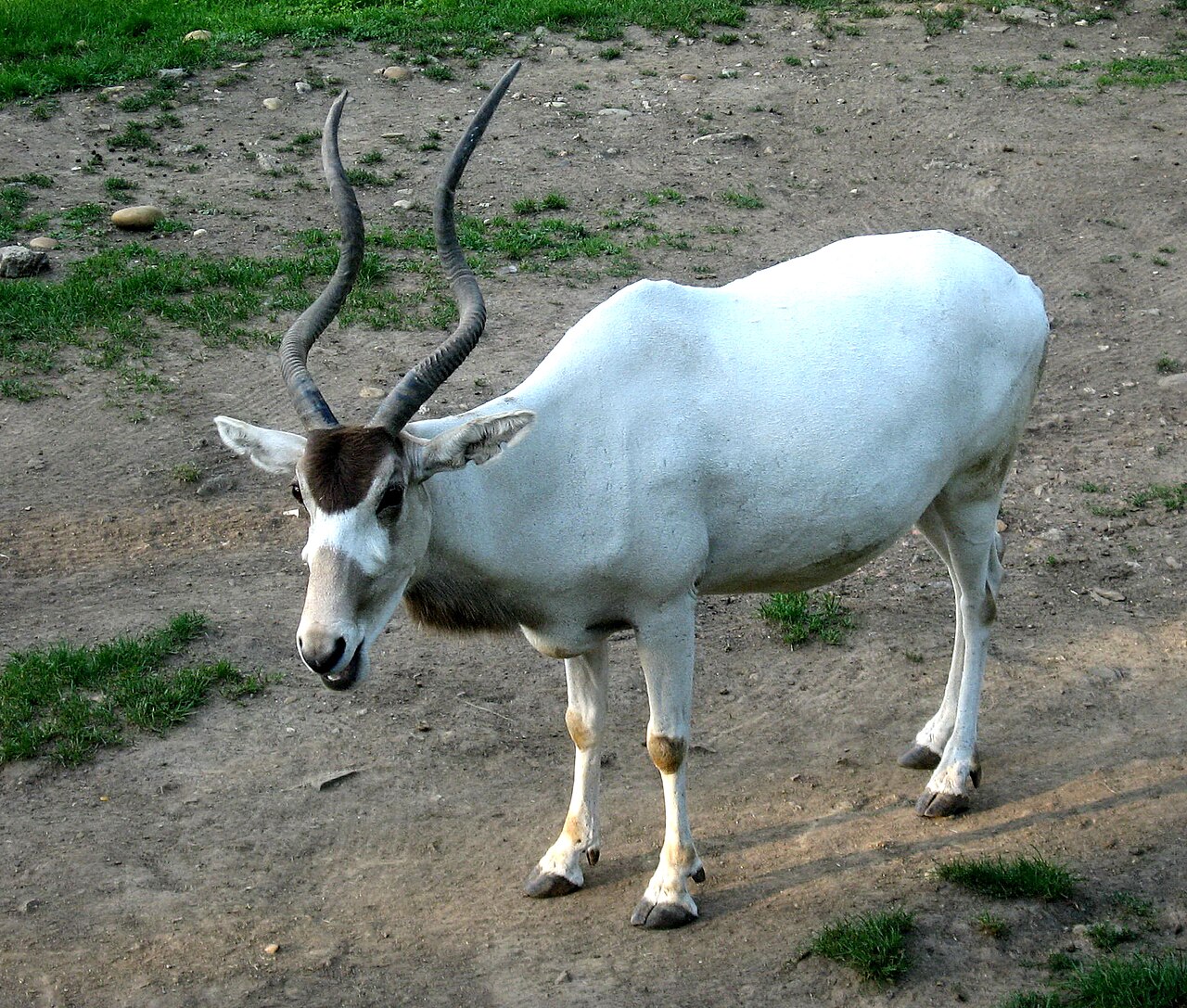
Addax nasomaculatus
A spiral-horned Sahara antelope: tens left in the last wild desert, plus a reintroduction in Chad.
Read entry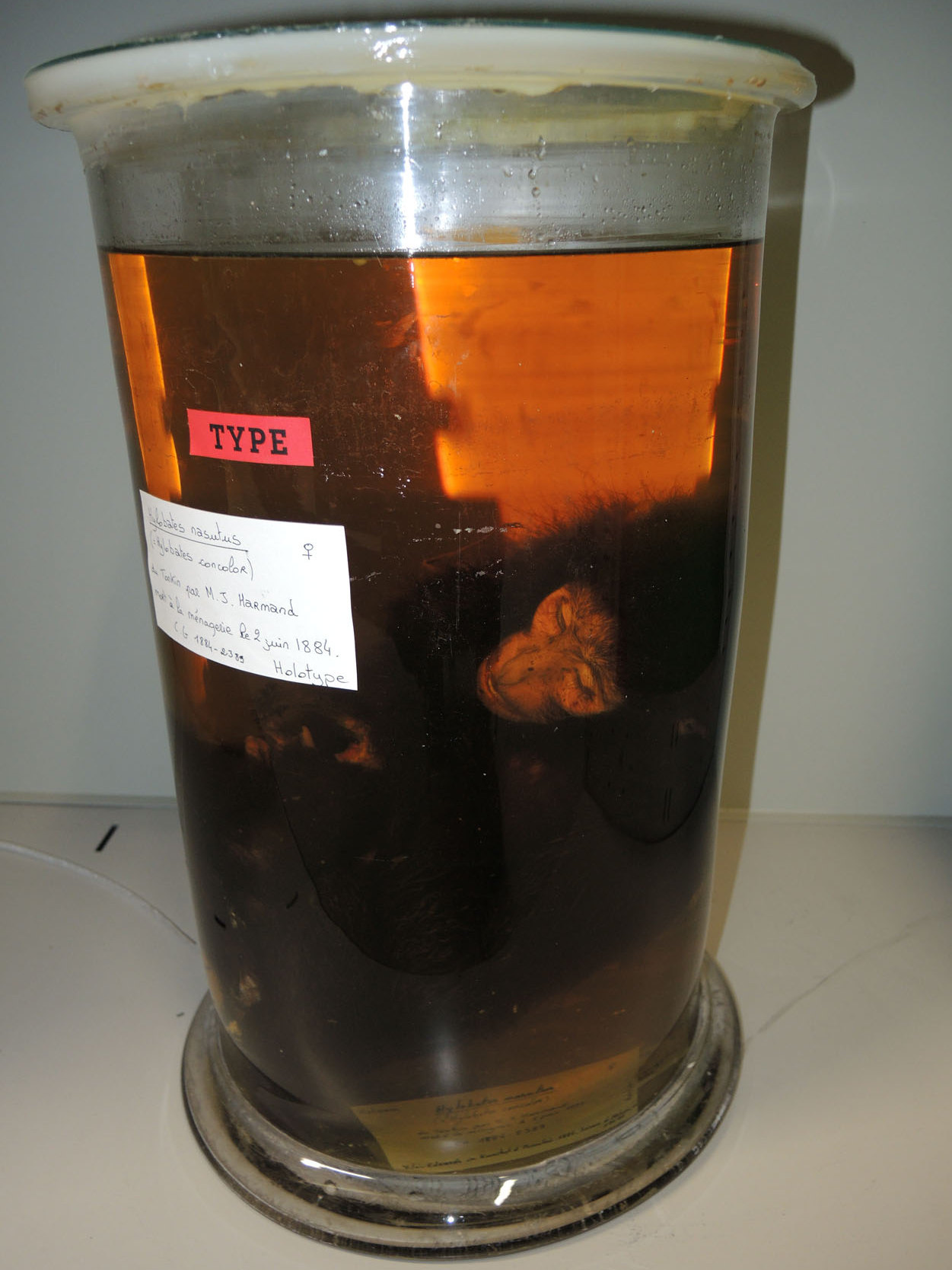
Nomascus nasutus
One of the rarest apes: 74 animals in 11 families, not the older count of 120.
Read entry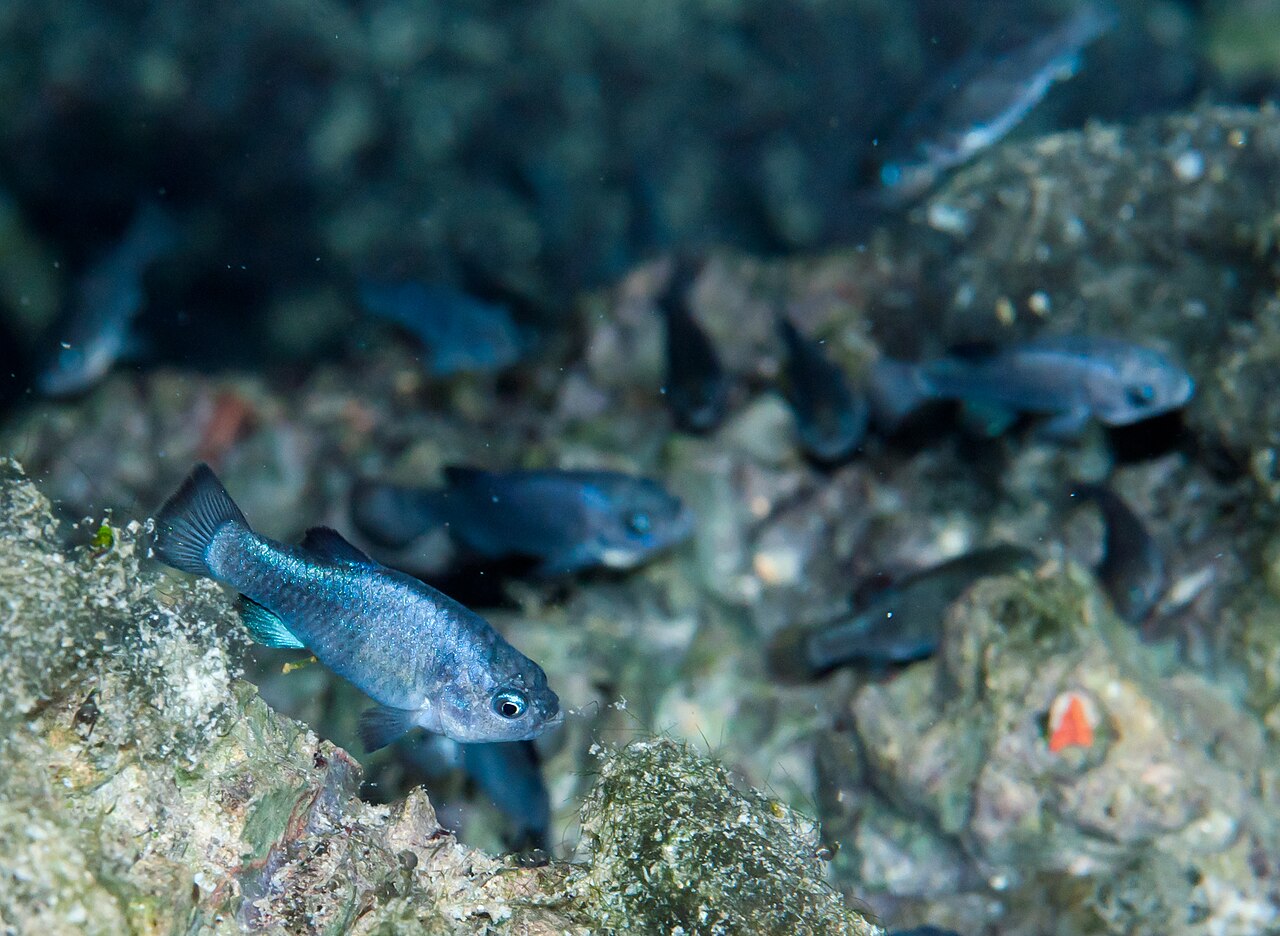
Cyprinodon diabolis
A fish of one Nevada spring: dozens to low hundreds on a single limestone shelf.
Read entry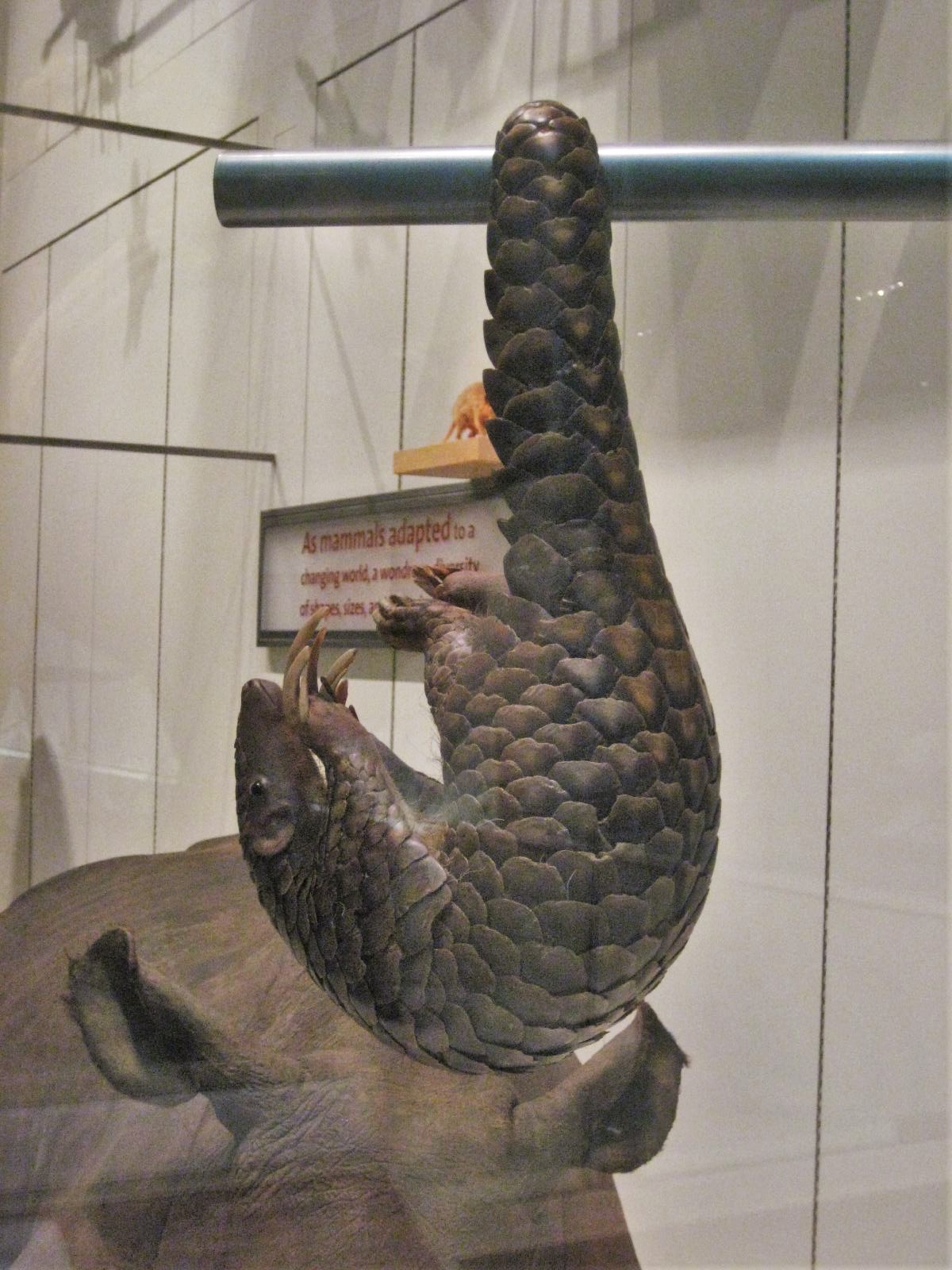
Manis pentadactyla
An Asian scaly anteater listed Critically Endangered after the scale-and-meat trade.
Read entry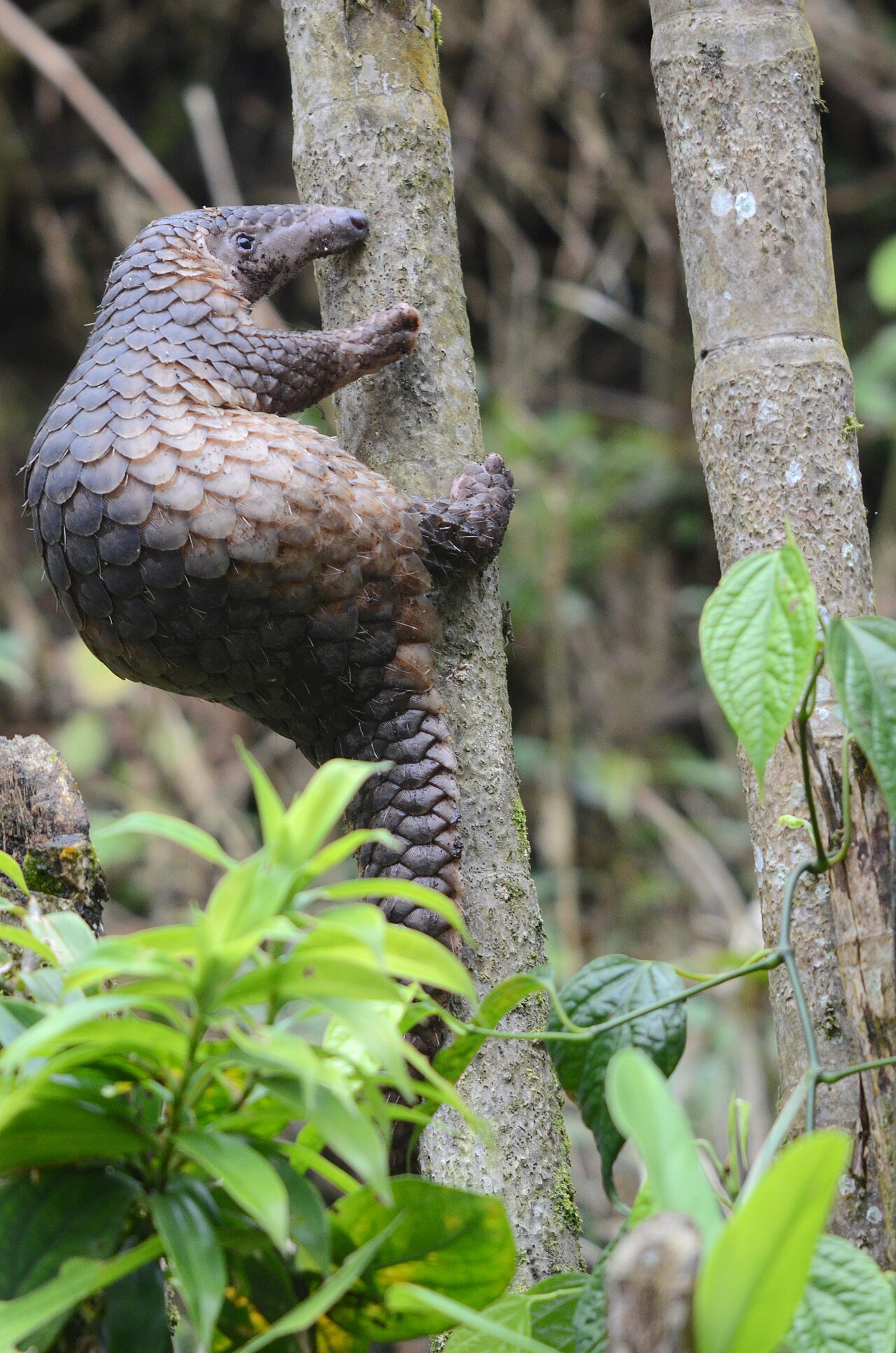
Manis javanica
Southeast Asia’s most heavily trafficked pangolin: Critically Endangered, no honest census.
Read entry
Manis culionensis
A Palawan endemic listed Critically Endangered: trade plus a tiny island range.
Read entry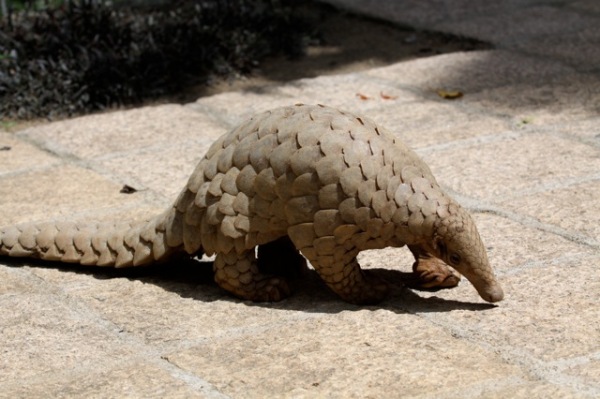
Manis crassicaudata
South Asia’s pangolin: Endangered, not Critically Endangered, and still in the same trade.
Read entry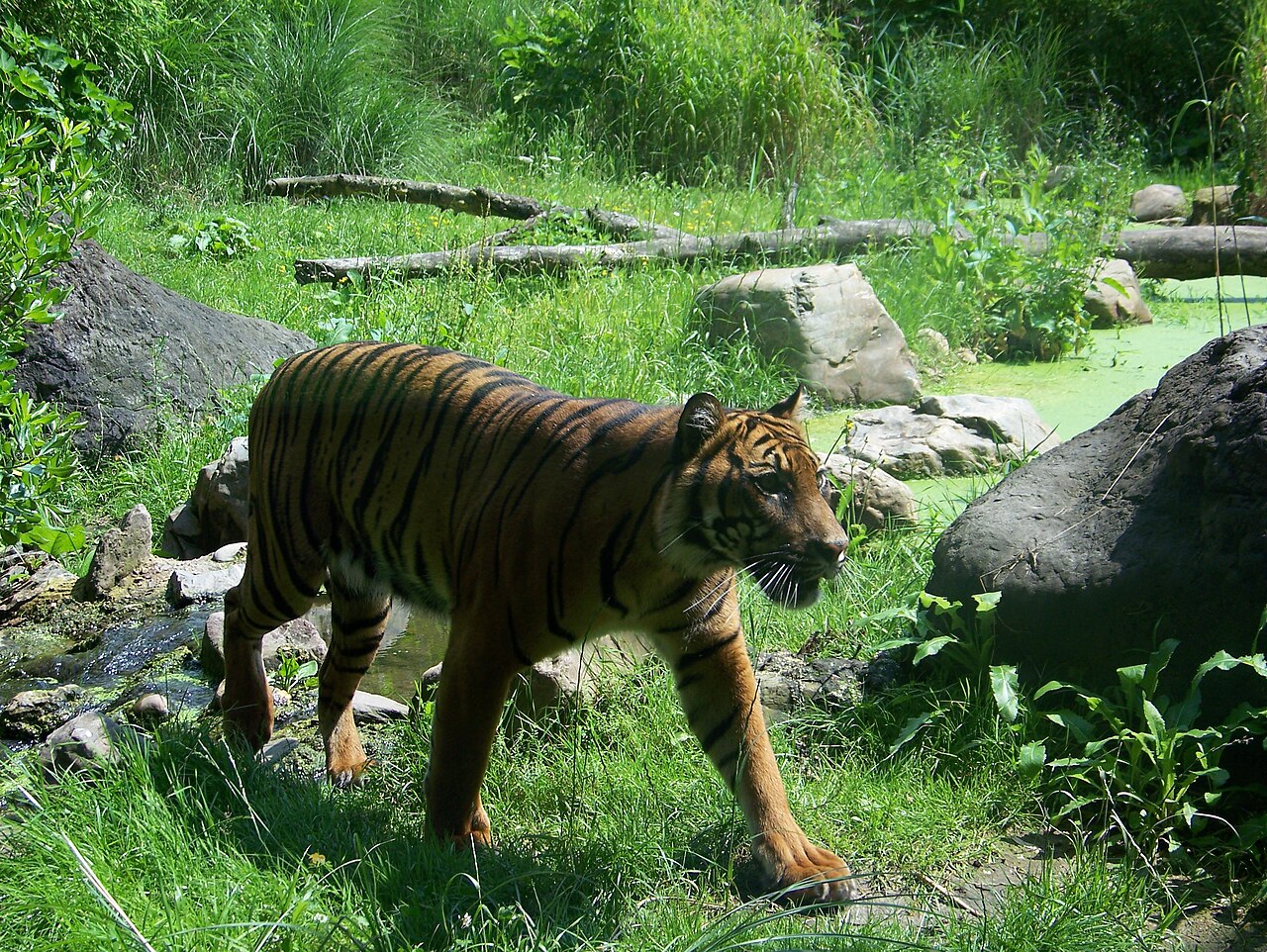
Panthera tigris sumatrae
The last island tiger of Indonesia: a few hundred animals, listed Critically Endangered as a subspecies.
Read entry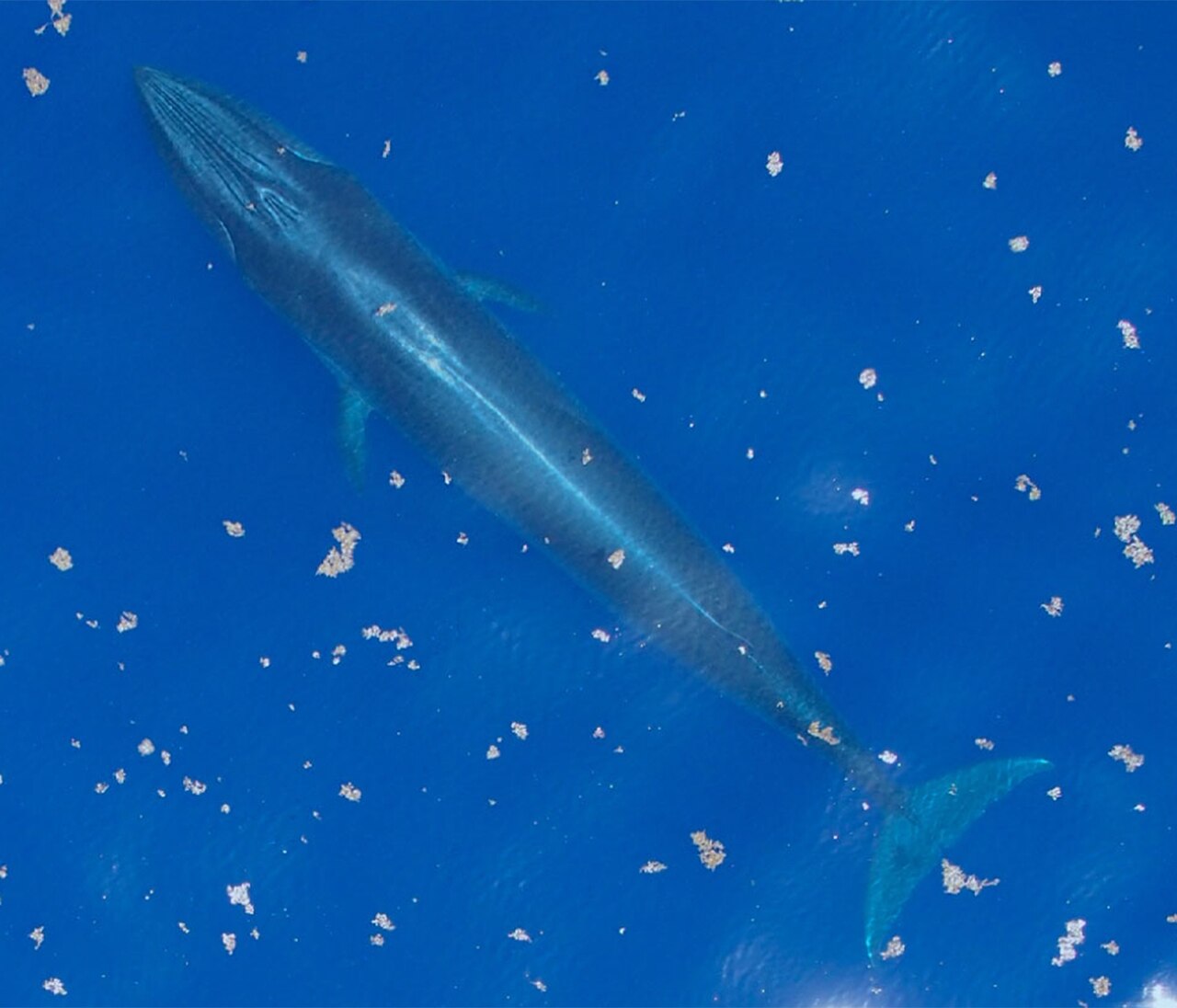
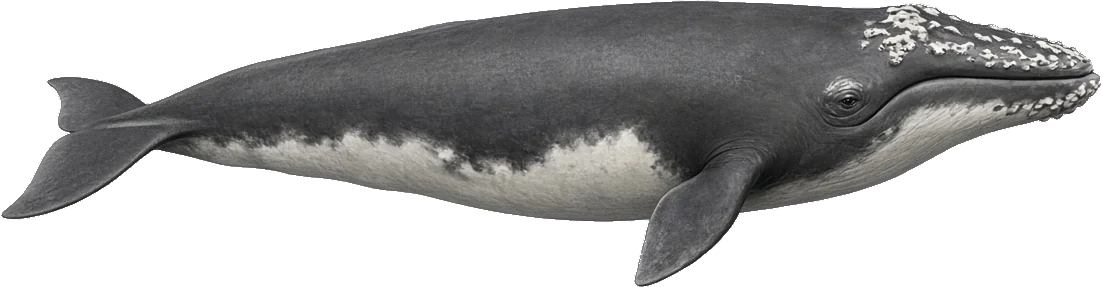
Balaenoptera ricei
A baleen whale of the Gulf of Mexico, named in 2021: NOAA’s best estimate is about 51.
Read entry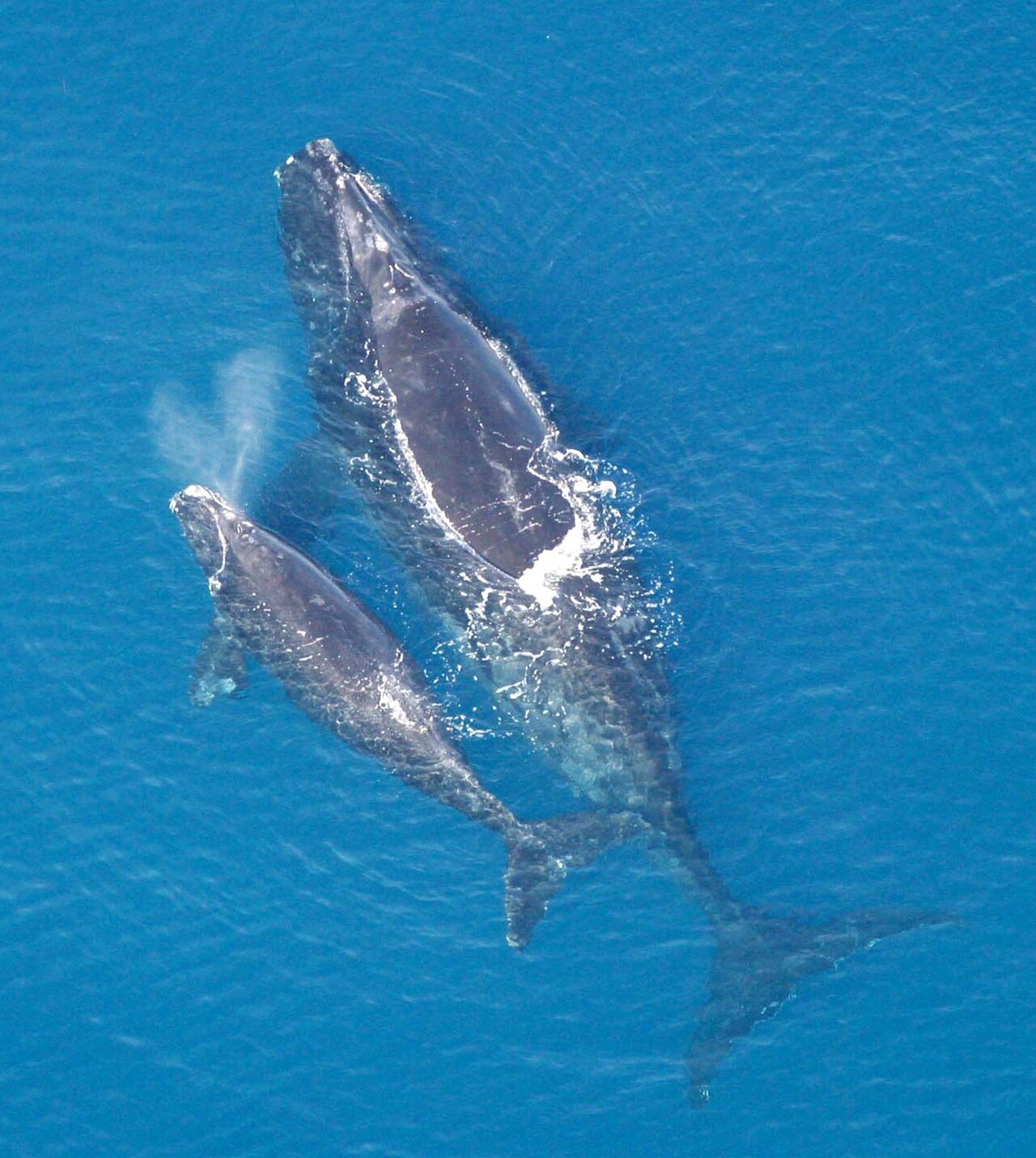
Eubalaena glacialis
A North Atlantic whale once hunted to the edge: NOAA’s 2024 estimate is 384, still Critically Endangered.
Read entry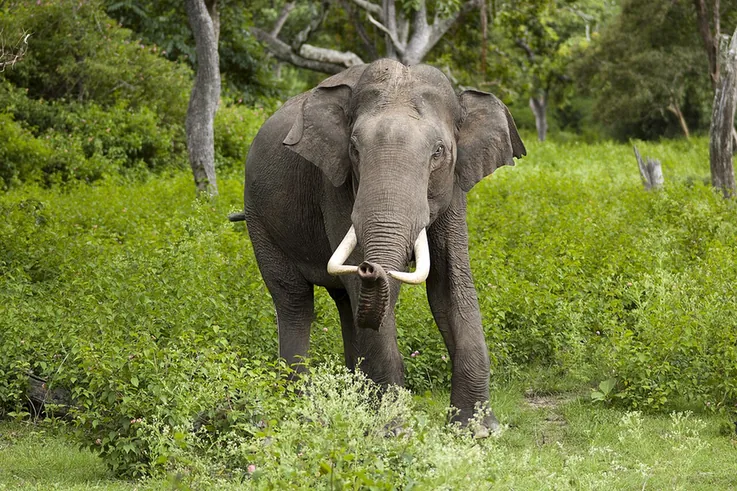
Elephas maximus
The largest land animal of Asia, a forest giant with small ears and a domed head.
Read entrySource: Wijayanto et al. 2021, Biodiversitas 22(7): body measurements of Sumatran elephants
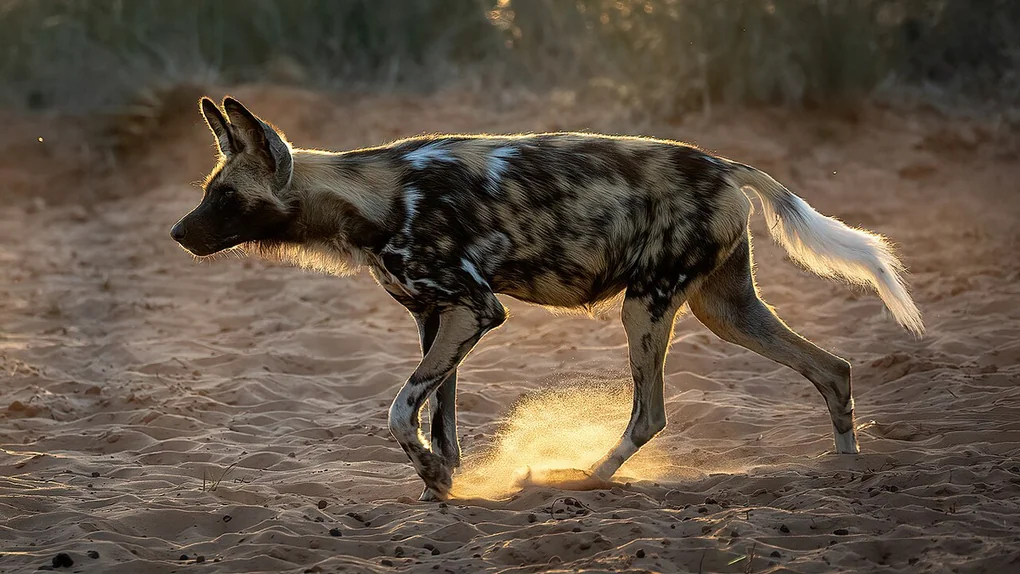
Lycaon pictus
A long legged painted hunter of the African savanna that lives and hunts in packs.
Read entry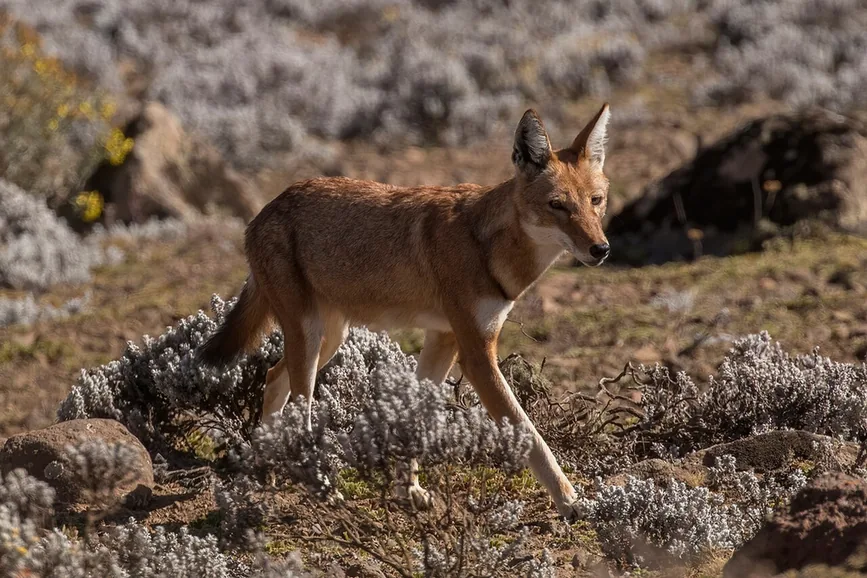
Canis simensis
A slender red wolf of the Ethiopian highlands that hunts rodents on open moorland.
Read entry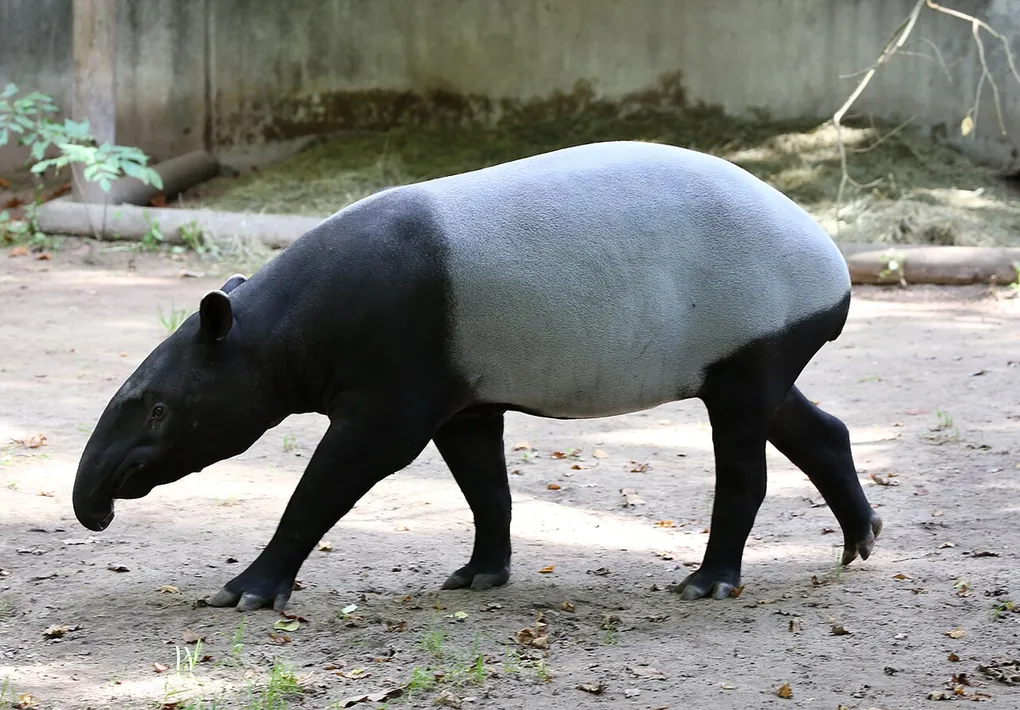
Tapirus indicus
A black and white forest giant with a short trunk and a white saddle across its back.
Read entry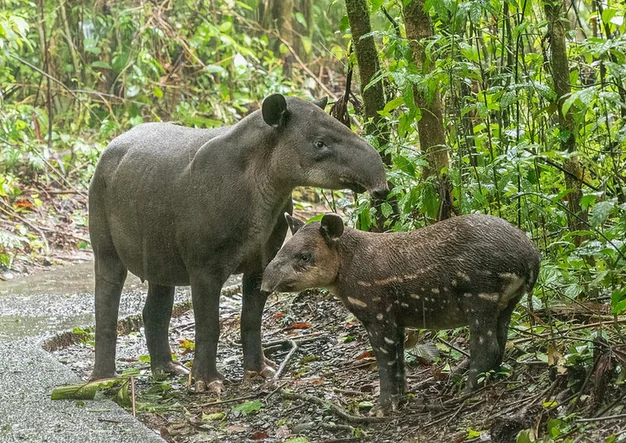
Tapirus bairdii
The largest native land mammal of tropical America, a shy plant eater with a short trunk.
Read entry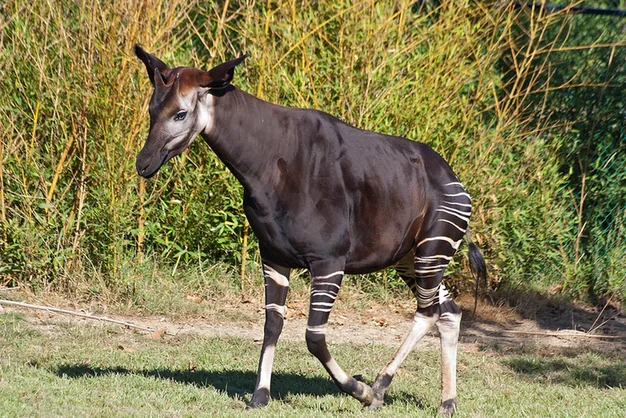
Okapia johnstoni
A shy forest relative of the giraffe with zebra like stripes on its legs.
Read entrySource: San Diego Zoo Wildlife Alliance Library: Okapi fact sheet
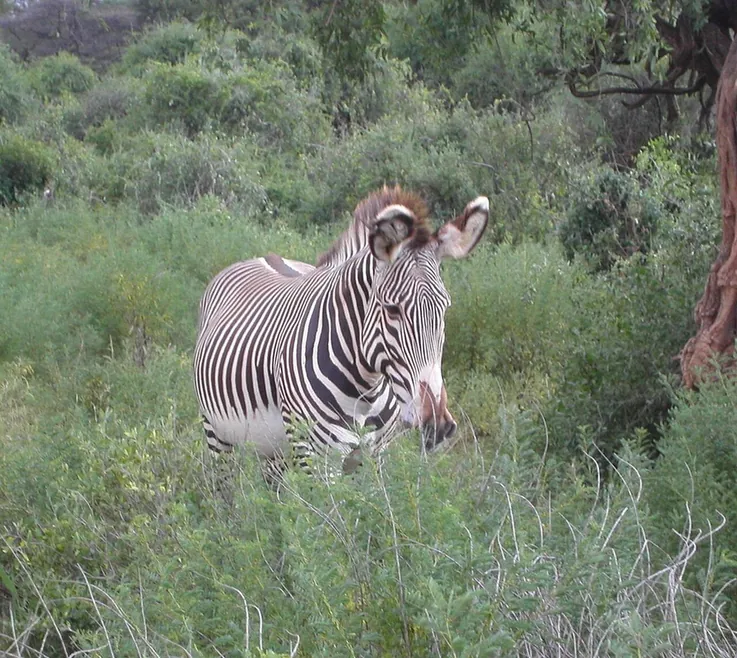
Equus grevyi
The largest wild member of the horse family, with narrow stripes, a white belly and round ears.
Read entrySource: San Diego Zoo Wildlife Alliance Library: Grévy's zebra fact sheet
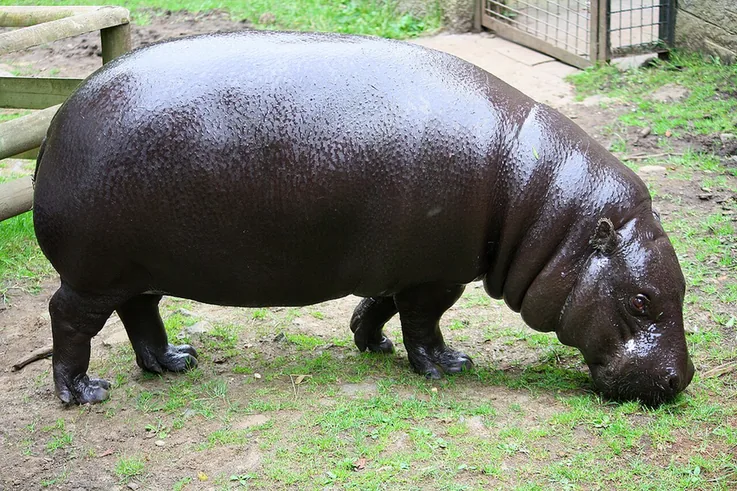
Choeropsis liberiensis
A small, shy hippo of West African forests that hides in swamps by day.
Read entry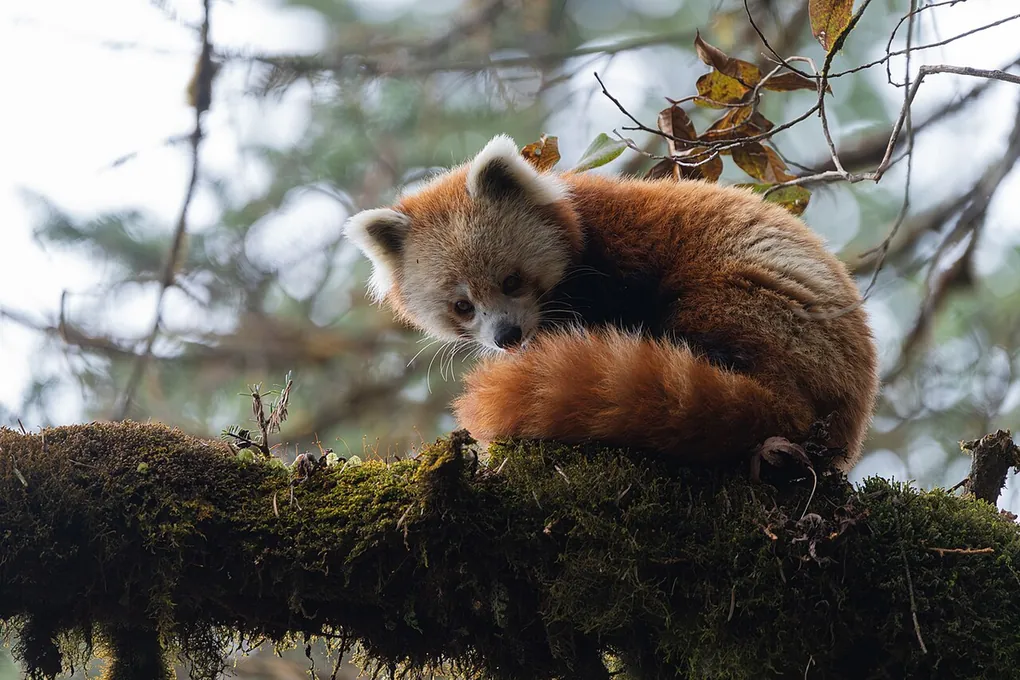
Ailurus fulgens
A rusty red tree climber of Himalayan forests with a ringed bushy tail.
Read entrySource: San Diego Zoo Wildlife Alliance Library: Red panda fact sheet
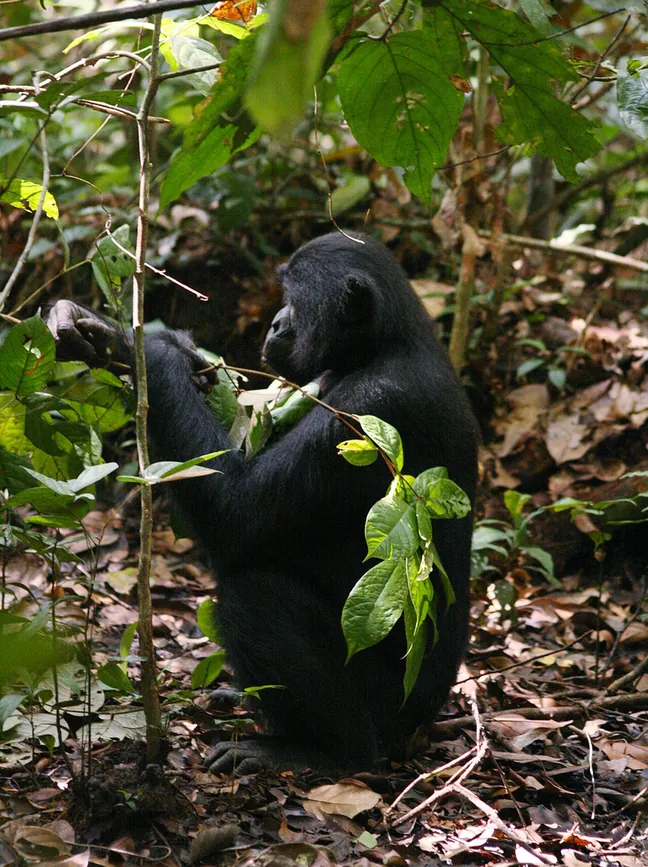
Pan paniscus
A slender great ape of the Congo forests and one of the two closest living relatives of humans.
Read entrySource: San Diego Zoo Wildlife Alliance Library: Bonobo fact sheet
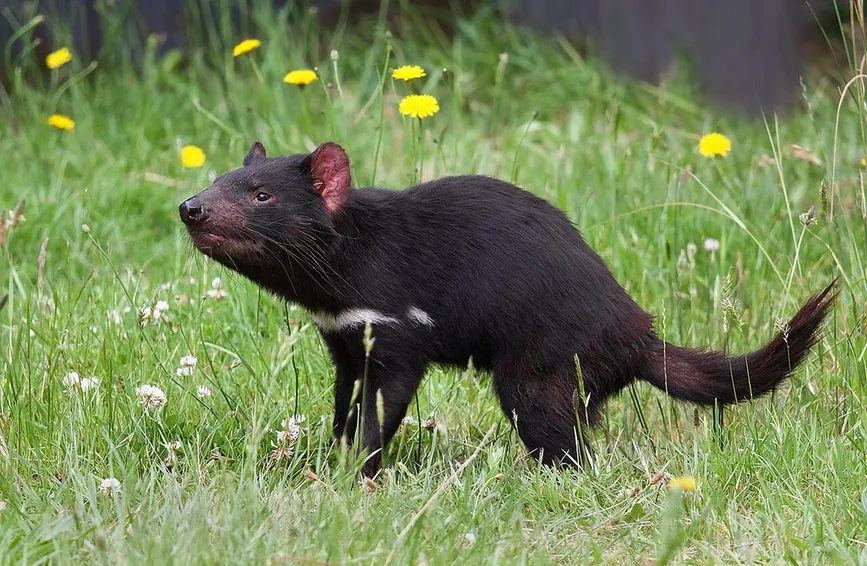
Sarcophilus harrisii
The largest living meat eating marsupial, a stocky black scavenger of Tasmania with a powerful bite.
Read entrySource: San Diego Zoo Wildlife Alliance Library: Tasmanian devil fact sheet
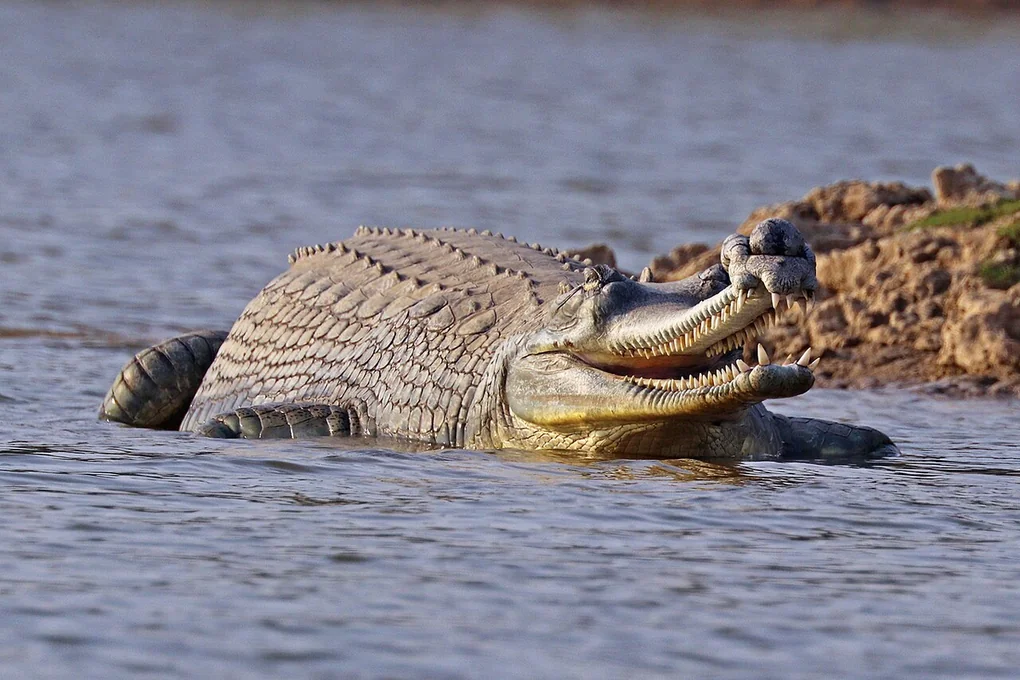
Gavialis gangeticus
A fish eating crocodilian of Indian rivers with an extremely long, thin snout.
Read entrySource: San Diego Zoo Wildlife Alliance Library: Gharial fact sheet
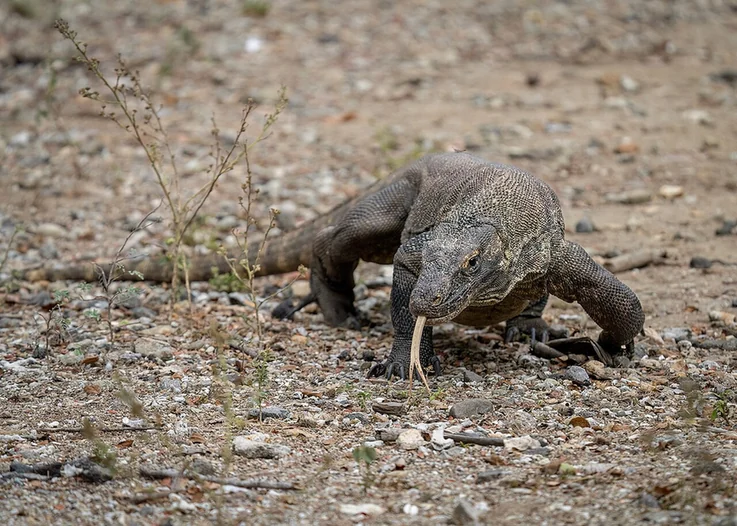
Varanus komodoensis
The largest living lizard, a heavy hunter of a few small Indonesian islands.
Read entrySource: San Diego Zoo Wildlife Alliance Library: Komodo dragon fact sheet
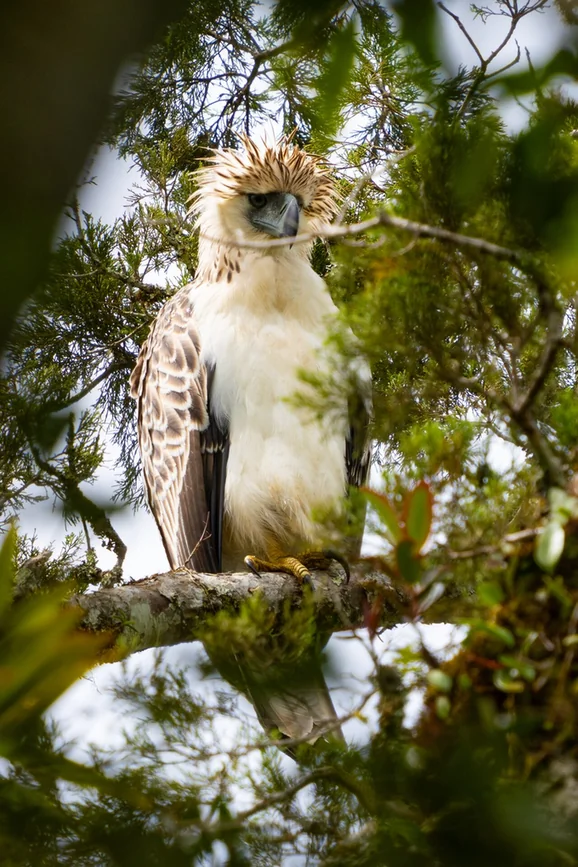
Pithecophaga jefferyi
One of the largest and most powerful eagles, a crested forest hunter of the Philippines.
Read entry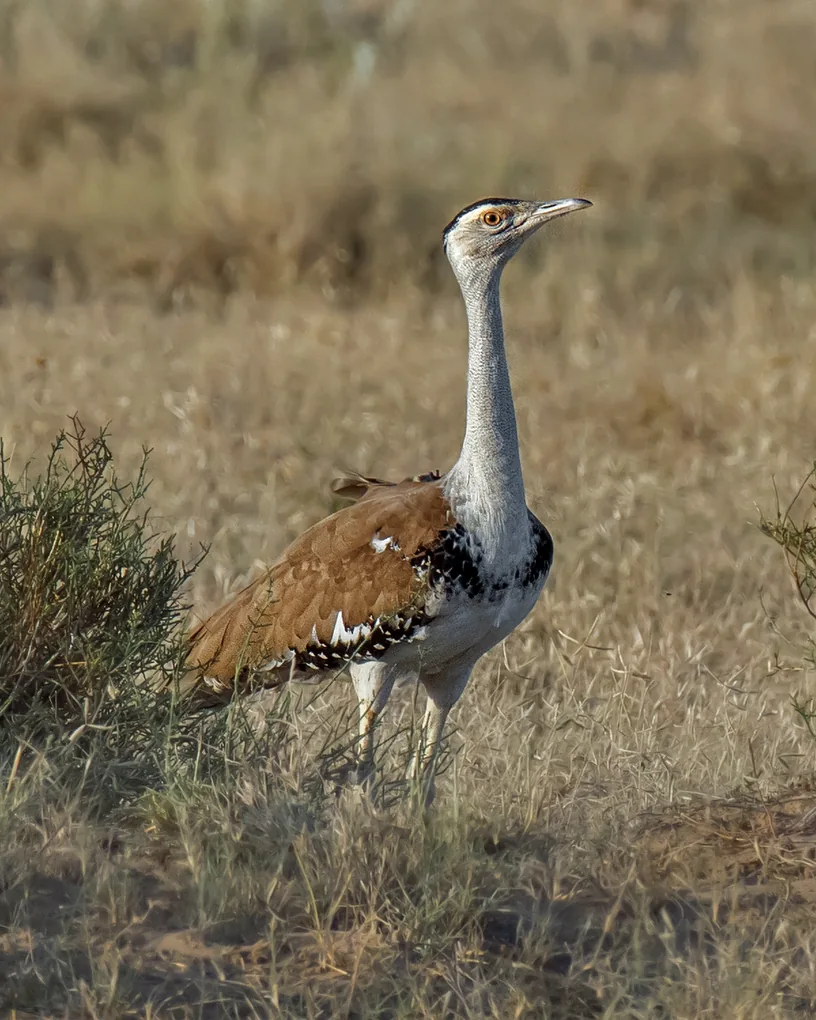
Ardeotis nigriceps
One of the heaviest flying birds, a tall grassland bustard of India.
Read entrySource: International Union for Conservation of Nature: Big birds lose out in a crowded world