

What it is
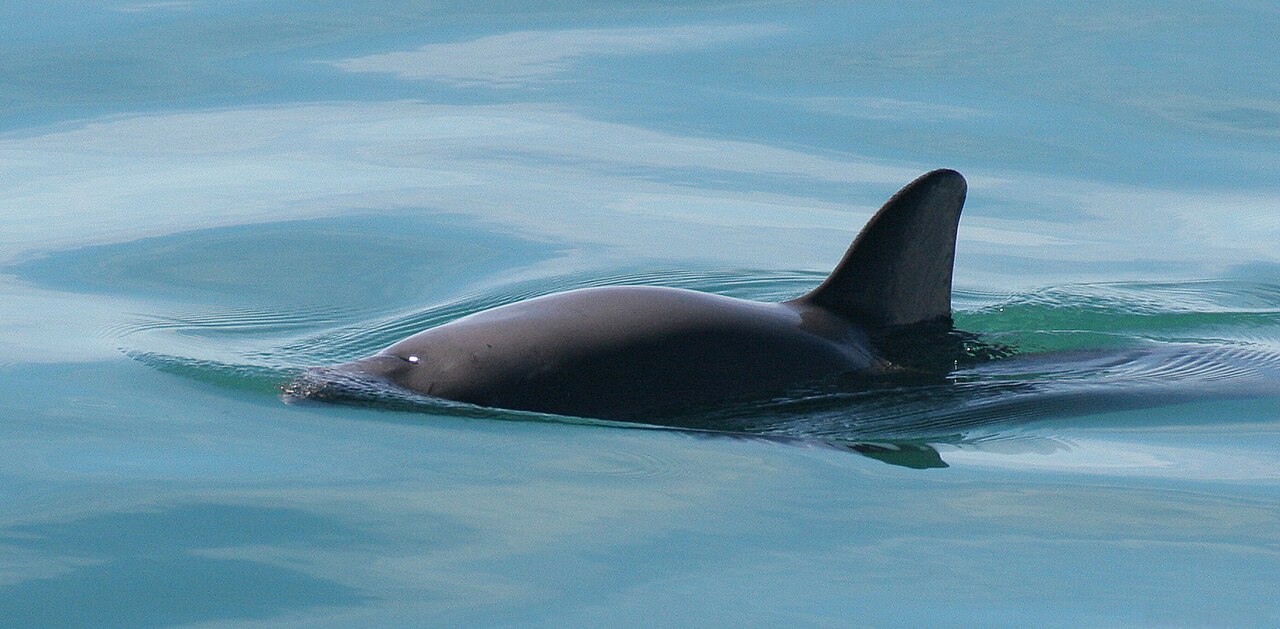
The vaquita is a small porpoise found only in the upper Gulf of California, Mexico. IUCN lists it as Critically Endangered. The 2025 joint visual survey (IUCN Cetacean Specialist Group / SEMARNAT) used expert elicitation: a 67 percent probability that observers saw 7-10 different individuals, compared with 6-8 in 2024 and 8-12 in 2023. Those are minimums inside the study area, not a finished census. A full abundance estimate is promised for 2026. The founder figure “fewer than about 10” matches the recent sighting counts; it is not a proven total.
Range
A few thousand square kilometres of shallow water in the northern Gulf of California. It has no other home.
What happened
Gillnets set for totoaba: a fish whose swim bladder is valuable in illegal trade: drown vaquitas as bycatch. A zero-tolerance zone and net bans have not stopped the fishing. The decline is recent and steep: from hundreds in the late twentieth century to a handful now. Calves were still photographed in 2025.
When / status
Critically Endangered now, because of people. Extinction is a near-term risk.
Human role
Illegal gillnets, not climate or a shrinking Ice Age range, are the cause.
Sources
IUCN Red List (Phocoena sinus, CR); IUCN-CSG / SEMARNAT Vaquita Research Campaign 2025 survey report.