← Law

Ecology

Climate, pollution, forest, land, and circular-economy instruments. Restoration and clean-air statutes sit beside the plastics negotiation. Also here: the global mercury treaty; the hazardous wastes trade rules; the persistent organic pollutants treaty; the prior informed consent procedure for certain hazardous chemicals and pesticides in trade; and the Latin American and Caribbean regional agreement on environmental information, participation and justice.

Existing / enacted

Texts that are in force: a statute, regulation, directive, or treaty that already binds someone.

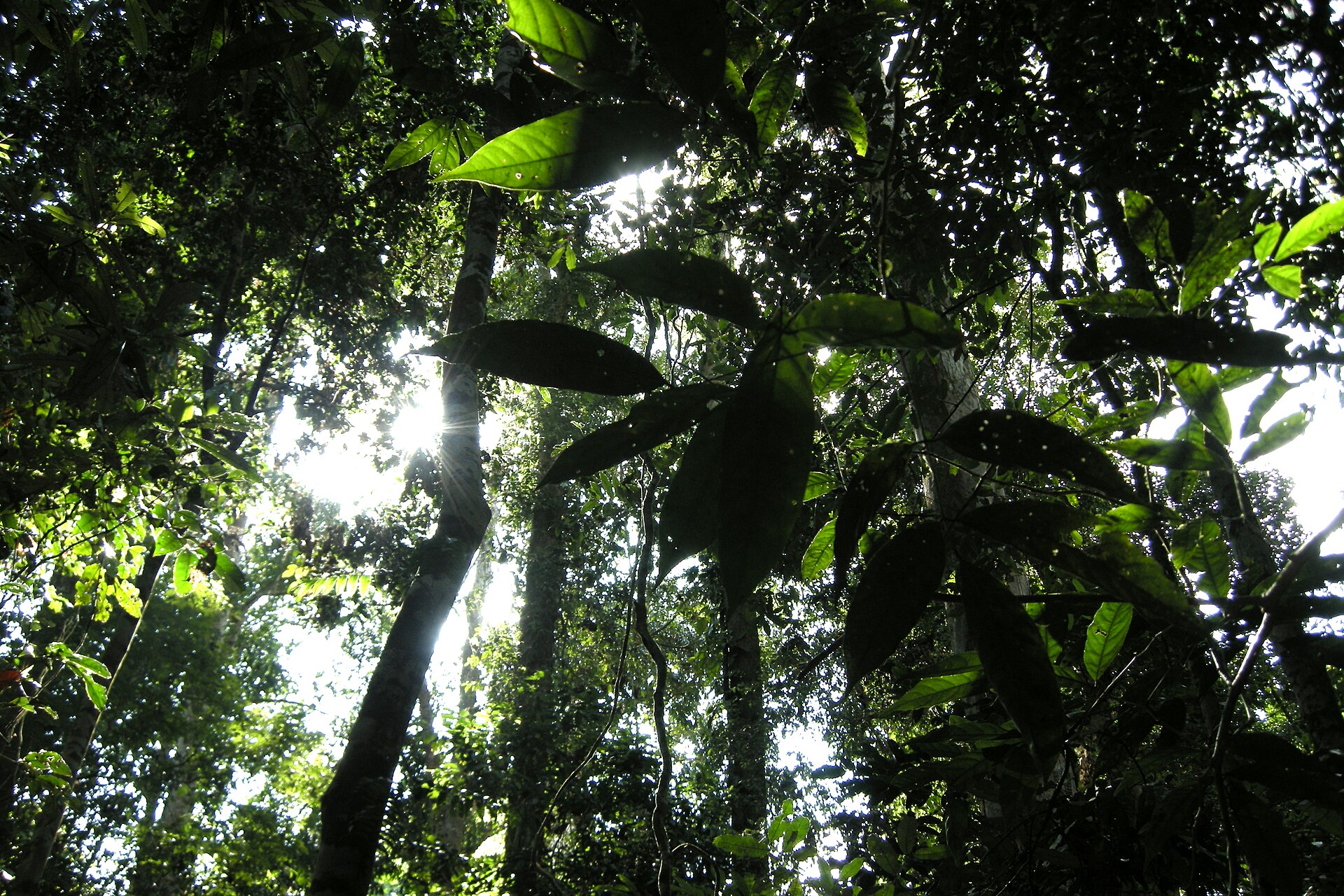
Primary tropical rainforest in Taman Negara, Malaysia, with a river running through dense green canopy
International (parties to the Convention; the United States has not ratified) Existing / enacted

Convention on Biological Diversity

Convention on Biological Diversity; adopted in Nairobi on 22 May 1992; opened for signature in Rio de Janeiro on 5 June 1992; entered into force on 29 December 1993

The main United Nations biodiversity treaty. It sets three objectives: conserve biological diversity, use it sustainably, and share the benefits from genetic resources fairly. Parties must plan and report. It is not a single global list of species.

Read the article
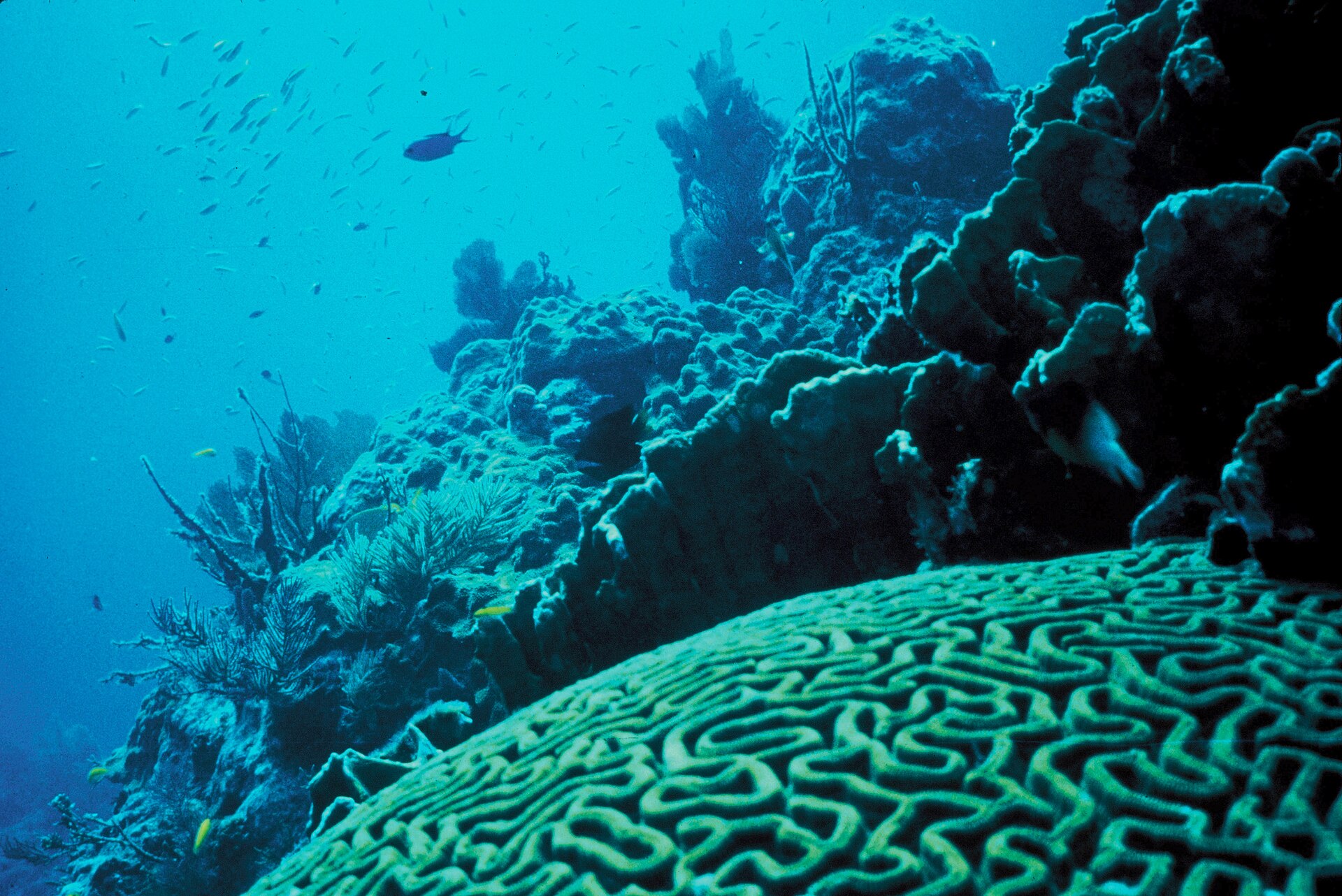
A shallow Florida coral reef with sea fans and small fish
International (parties to the Convention on Biological Diversity implementing Decision 15/4) Existing / enacted

Kunming-Montreal Global Biodiversity Framework

Kunming-Montreal Global Biodiversity Framework; Decision 15/4 of the 15th Conference of the Parties to the Convention on Biological Diversity, adopted 19 December 2022 in Montreal

The current global biodiversity plan under the Convention on Biological Diversity. It sets four goals for 2050 and twenty-three targets for 2030, including the widely cited aim to protect at least 30 percent of land and sea. It was adopted as a decision of the Conference of the Parties, not as a second biodiversity treaty.

Read the article
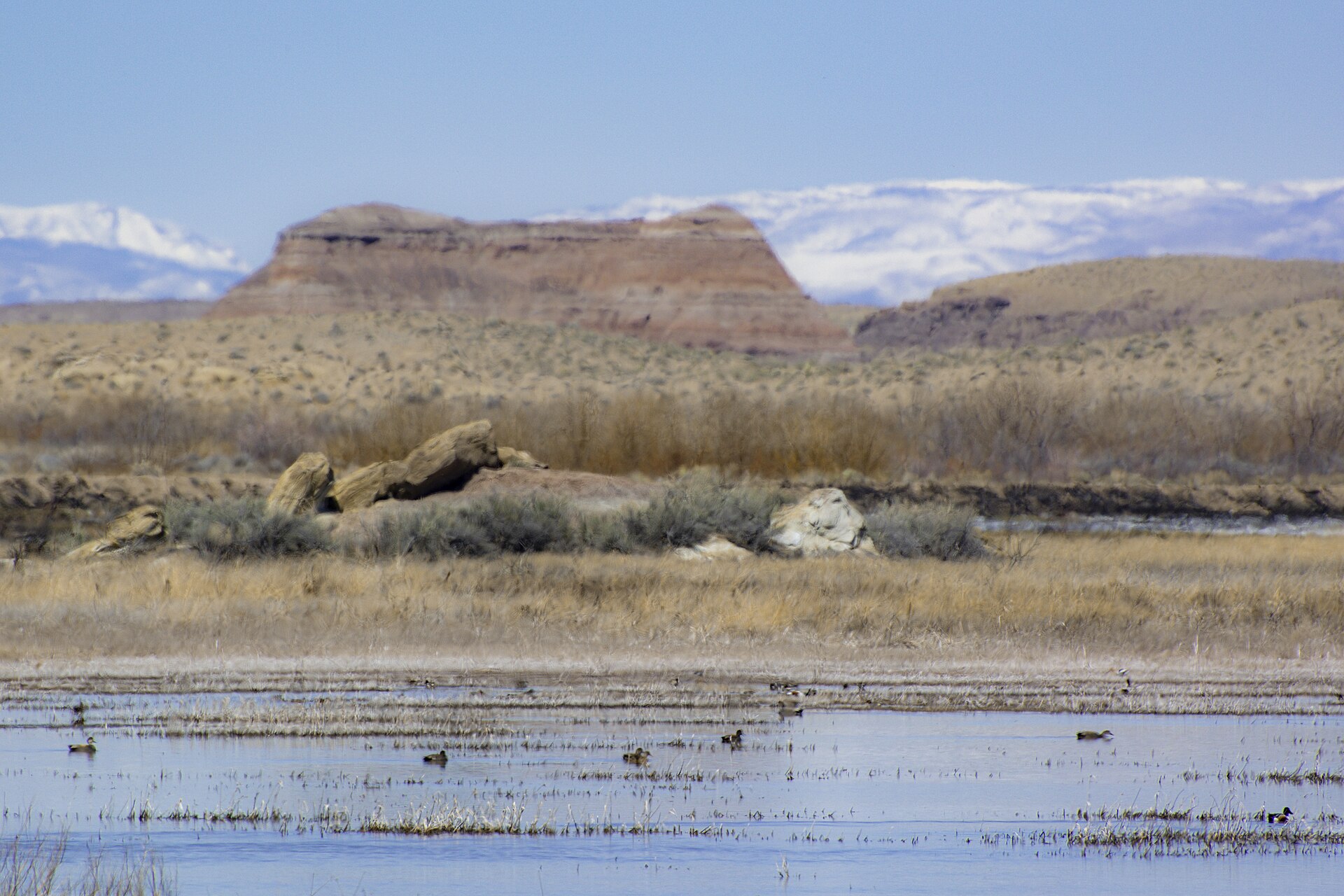
Waterfowl feeding along a marsh at the Pariette Wetlands in Utah
International (contracting parties; UNESCO is the depositary) Existing / enacted

Ramsar Convention

Convention on Wetlands of International Importance especially as Waterfowl Habitat; done at Ramsar, Iran, on 2 February 1971; entered into force on 21 December 1975 (as amended)

The oldest global wetlands treaty. Parties name wetlands of international importance for a public list and commit to using wetlands in their territory with care. It is a list of sites and a duty to look after them, not a code for the wildlife trade.

Read the article
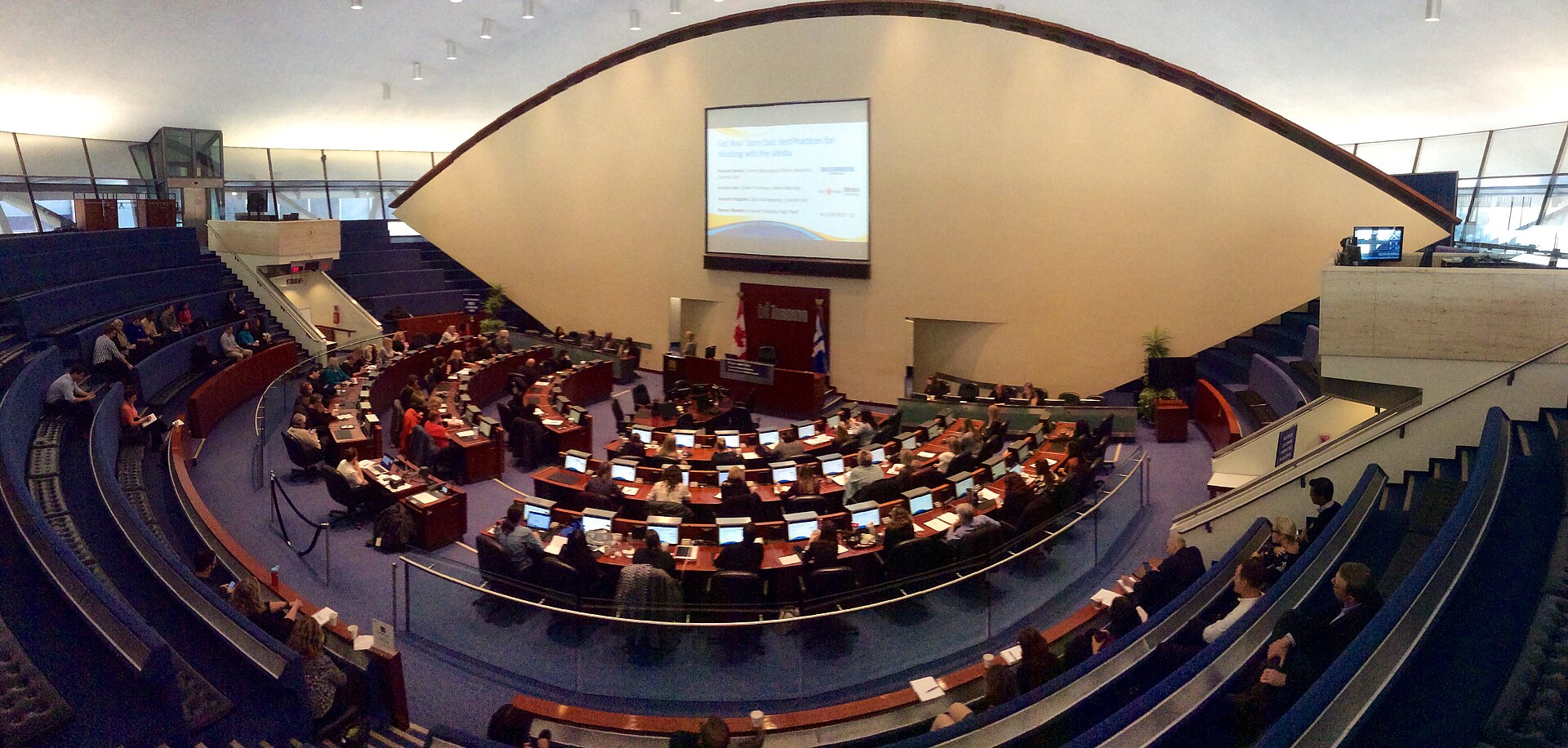
The council chamber at Toronto City Hall, where the public can attend meetings
International (parties in the region of the United Nations Economic Commission for Europe; open to other states under the accession rules) Existing / enacted

Aarhus Convention

Convention on Access to Information, Public Participation in Decision-Making and Access to Justice in Environmental Matters; done at Aarhus on 25 June 1998; entered into force on 30 October 2001

The United Nations treaty on environmental democracy. It gives the public rights to environmental information, a say in certain decisions, and a way to seek review in a court or another independent body. These are rights about procedure, not a statute that sets pollution limits.

Read the article
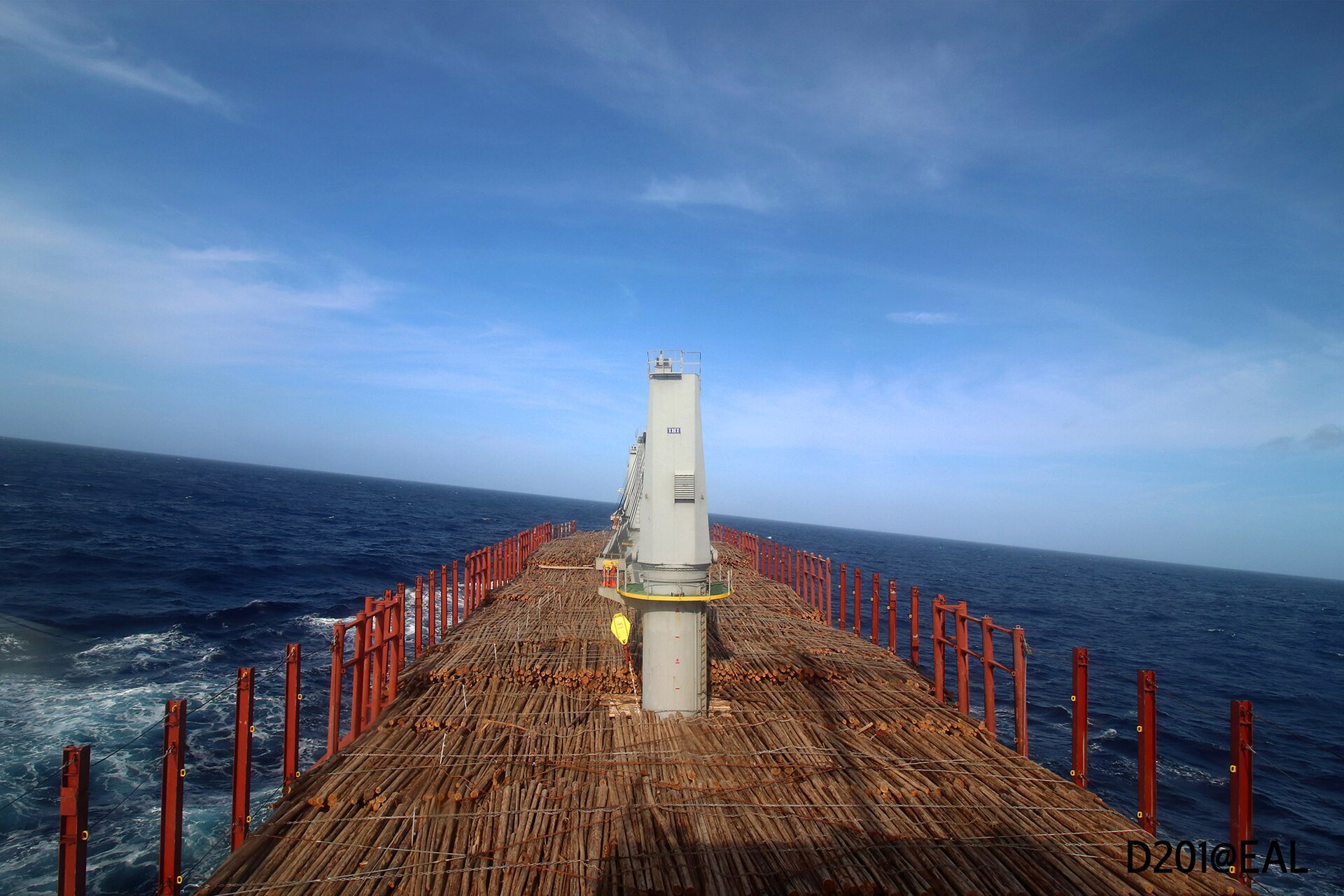
Open water of the North Atlantic, seen from a vessel, with a distant ship on the horizon
International (parties to the Agreement; under the United Nations Convention on the Law of the Sea) Existing / enacted

BBNJ Agreement (High Seas Treaty)

Agreement under the United Nations Convention on the Law of the Sea on the Conservation and Sustainable Use of Marine Biological Diversity of Areas beyond National Jurisdiction; adopted in New York on 19 June 2023; entered into force on 17 January 2026

The high-seas biodiversity agreement under the United Nations Convention on the Law of the Sea. It covers marine genetic resources, tools for protecting areas of ocean (including marine protected areas beyond national jurisdiction), environmental impact assessments, and help with skills and technology. It entered into force on 17 January 2026.

Read the article
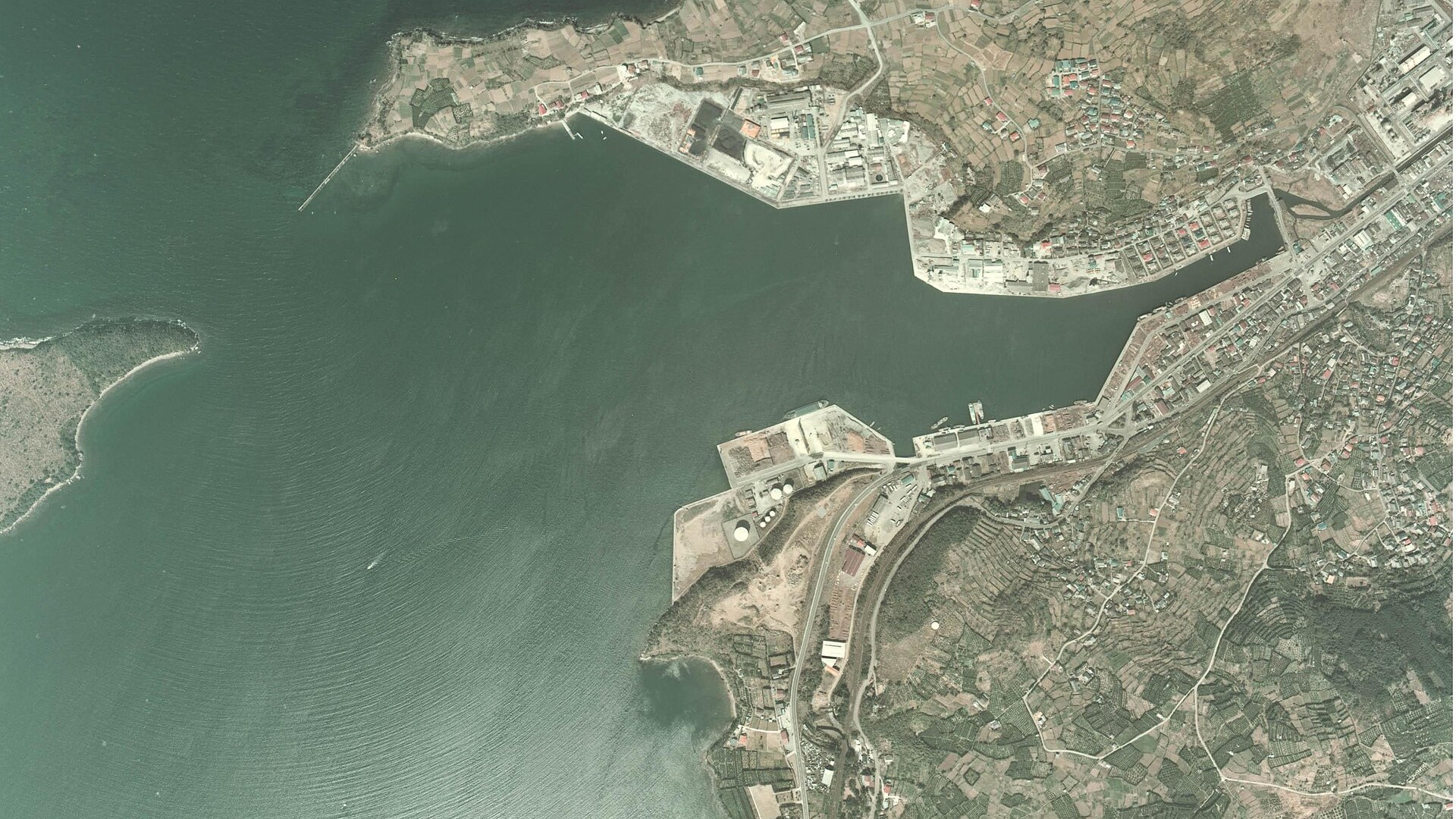
Aerial view of Minamata Bay on the Japanese coast in 1974, the place that gave the mercury treaty its name.
International (parties to the Convention; the Secretary-General of the United Nations is the depositary) Existing / enacted

Minamata Convention on Mercury

Minamata Convention on Mercury; adopted at Kumamoto on 10 October 2013; entered into force on 16 August 2017

The global treaty on mercury. Parties control mercury supply and trade, products, manufacturing processes, artisanal and small-scale gold mining, air emissions, releases to land and water, storage, waste and contaminated sites. The United Nations Treaty Collection lists 154 Parties.

Read the article
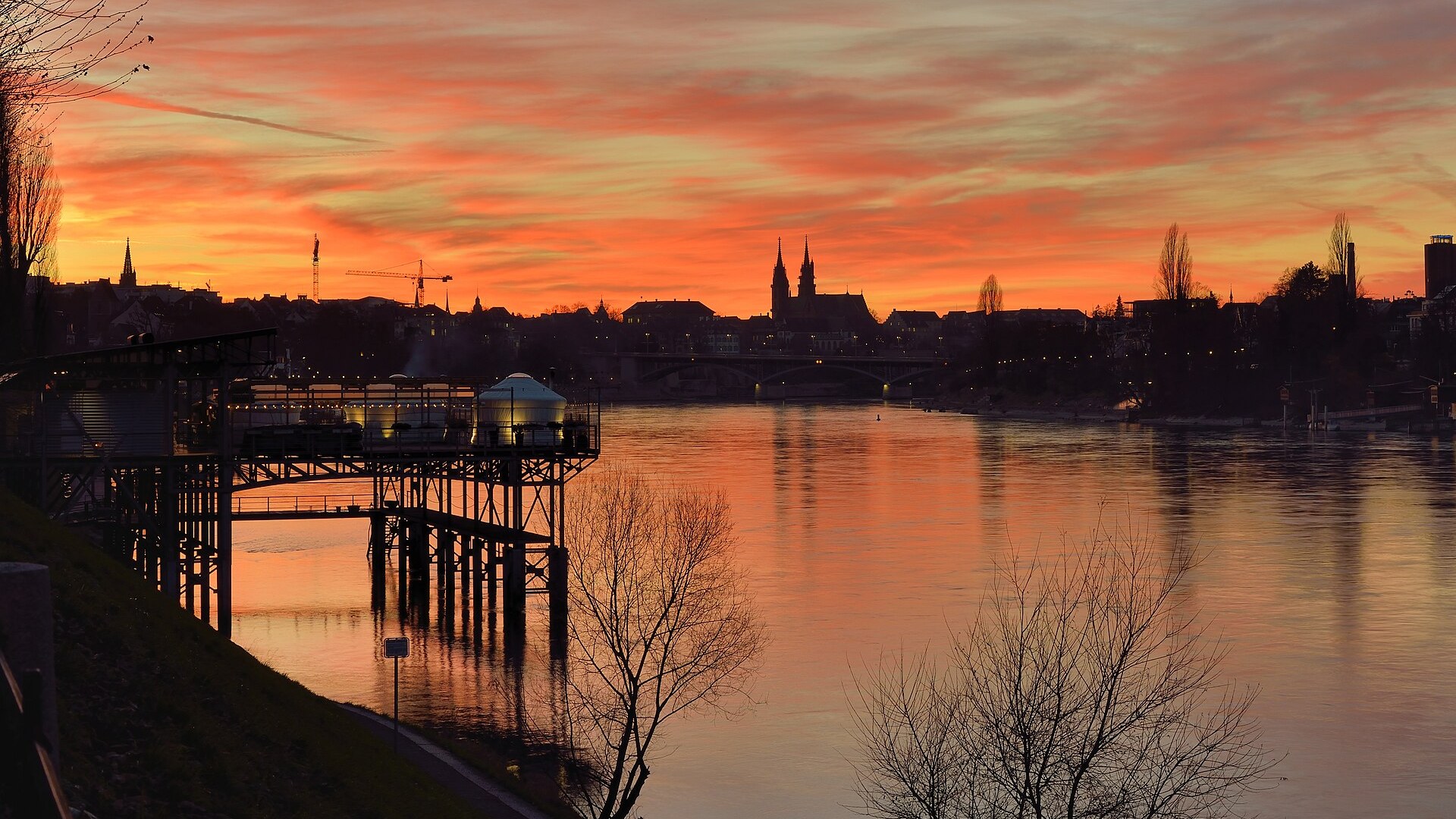
Sunset over the Rhine in Basel, Switzerland, the city where the hazardous wastes convention was adopted.
International (parties to the Convention; the Secretary-General of the United Nations is the depositary) Existing / enacted

Basel Convention

Basel Convention on the Control of Transboundary Movements of Hazardous Wastes and their Disposal; adopted at Basel on 22 March 1989; entered into force on 5 May 1992

The main global treaty on shipping hazardous wastes across borders. Parties must ensure environmentally sound management, use prior informed consent for covered shipments, and treat illegal traffic as a crime. The United Nations Treaty Collection lists 191 Parties.

Read the article
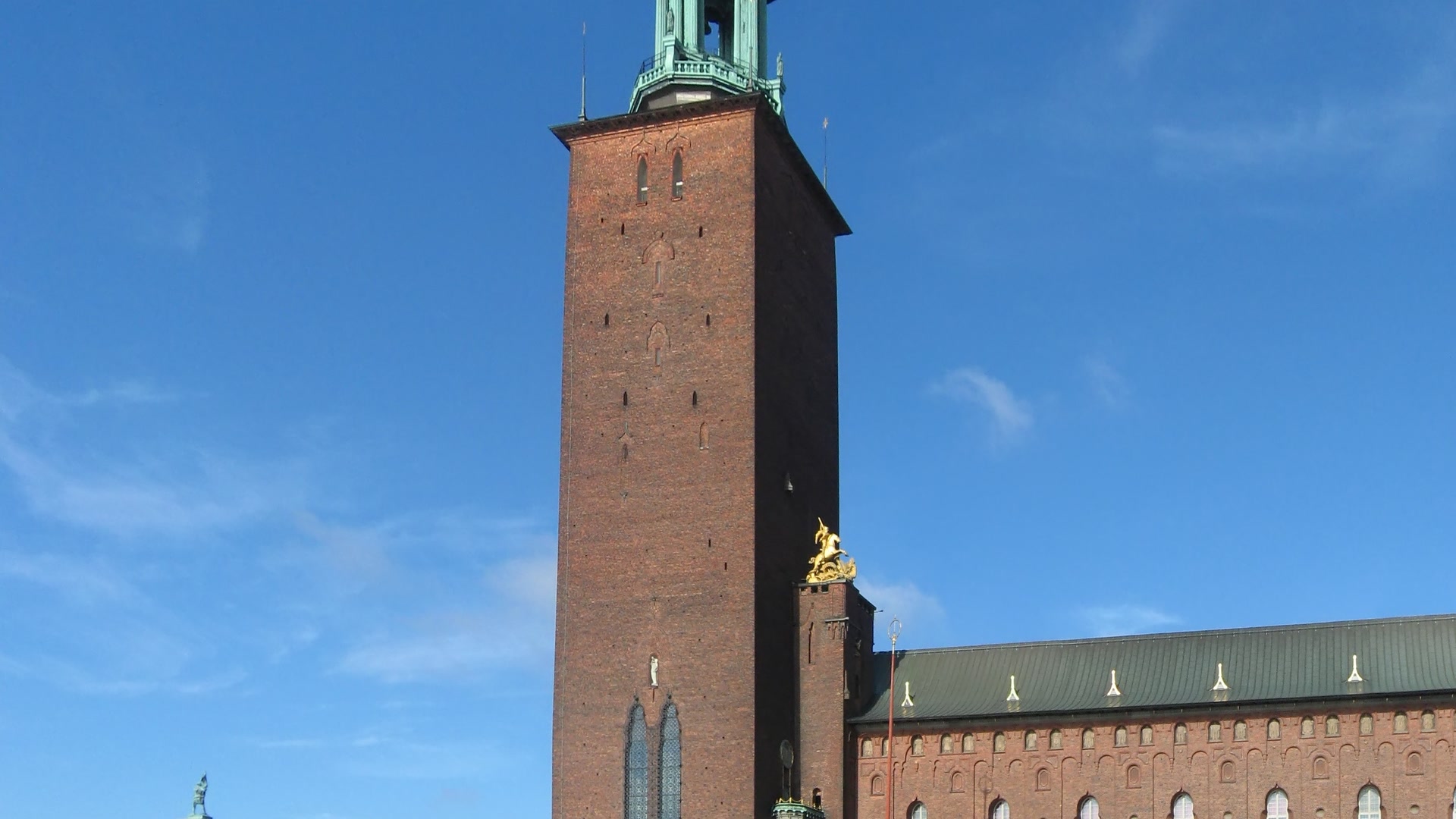
Stockholm City Hall, in the city where the persistent organic pollutants convention was adopted.
International (parties to the Convention; the Secretary-General of the United Nations is the depositary) Existing / enacted

Stockholm Convention on Persistent Organic Pollutants

Stockholm Convention on Persistent Organic Pollutants; adopted at Stockholm on 22 May 2001; entered into force on 17 May 2004

The global treaty on persistent organic pollutants. Parties eliminate or restrict listed chemicals that stay in the environment for years, travel far, accumulate in living tissue and harm health. The United Nations Treaty Collection lists 186 Parties.

Read the article
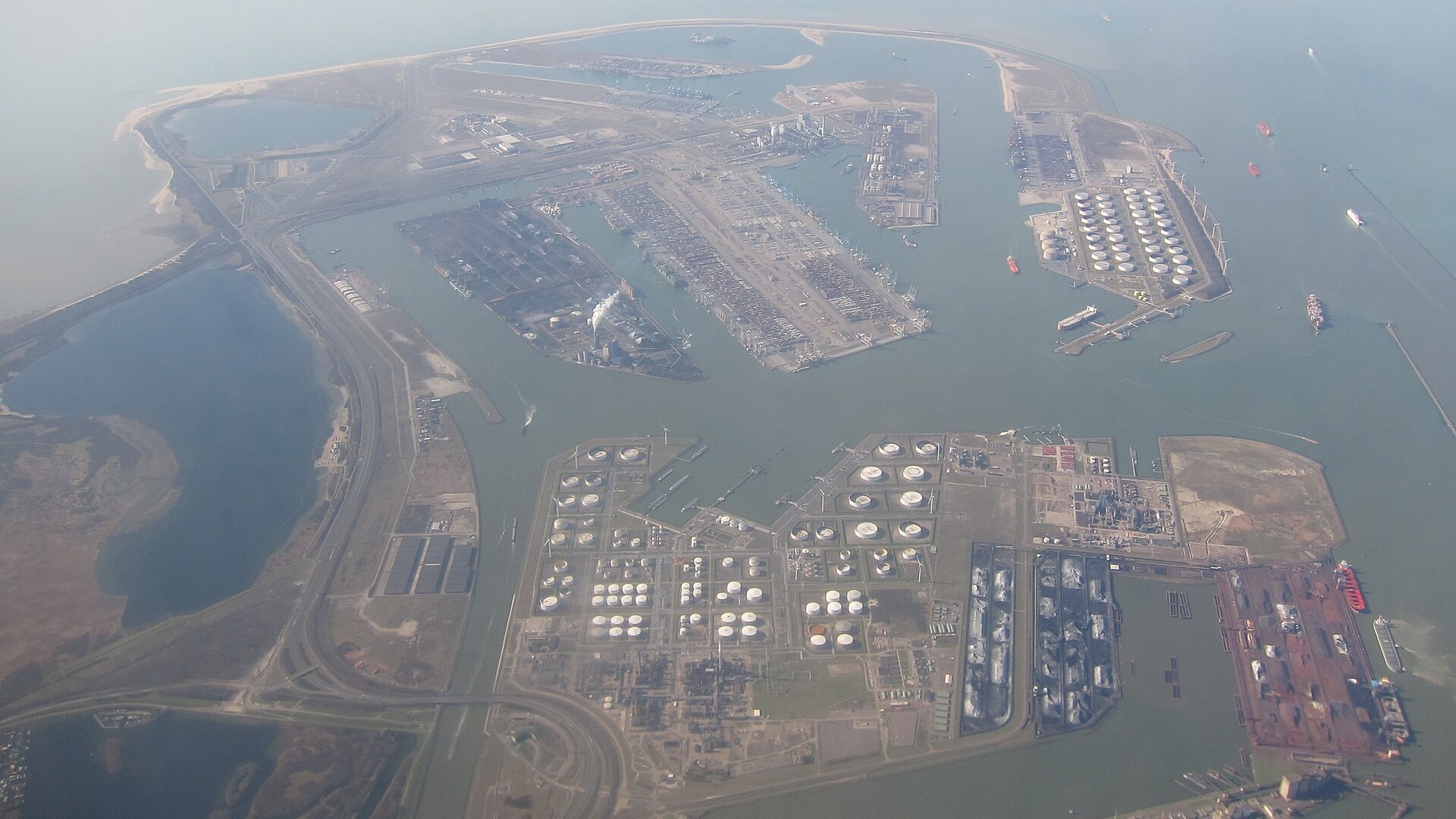
The port of Rotterdam from the air, in the city that gave its name to the prior informed consent convention on hazardous chemicals in trade.
International (parties to the Convention; the Secretary-General of the United Nations is the depositary; the Food and Agriculture Organization of the United Nations and the United Nations Environment Programme jointly support the secretariat) Existing / enacted

Rotterdam Convention

Rotterdam Convention on the Prior Informed Consent Procedure for Certain Hazardous Chemicals and Pesticides in International Trade; adopted at Rotterdam on 10 September 1998; entered into force on 24 February 2004

The global treaty that makes prior informed consent binding for listed hazardous chemicals and pesticides in international trade. Importing Parties decide whether to allow a shipment, and exporting Parties must respect that decision. The United Nations Treaty Collection lists 169 Parties.

Read the article
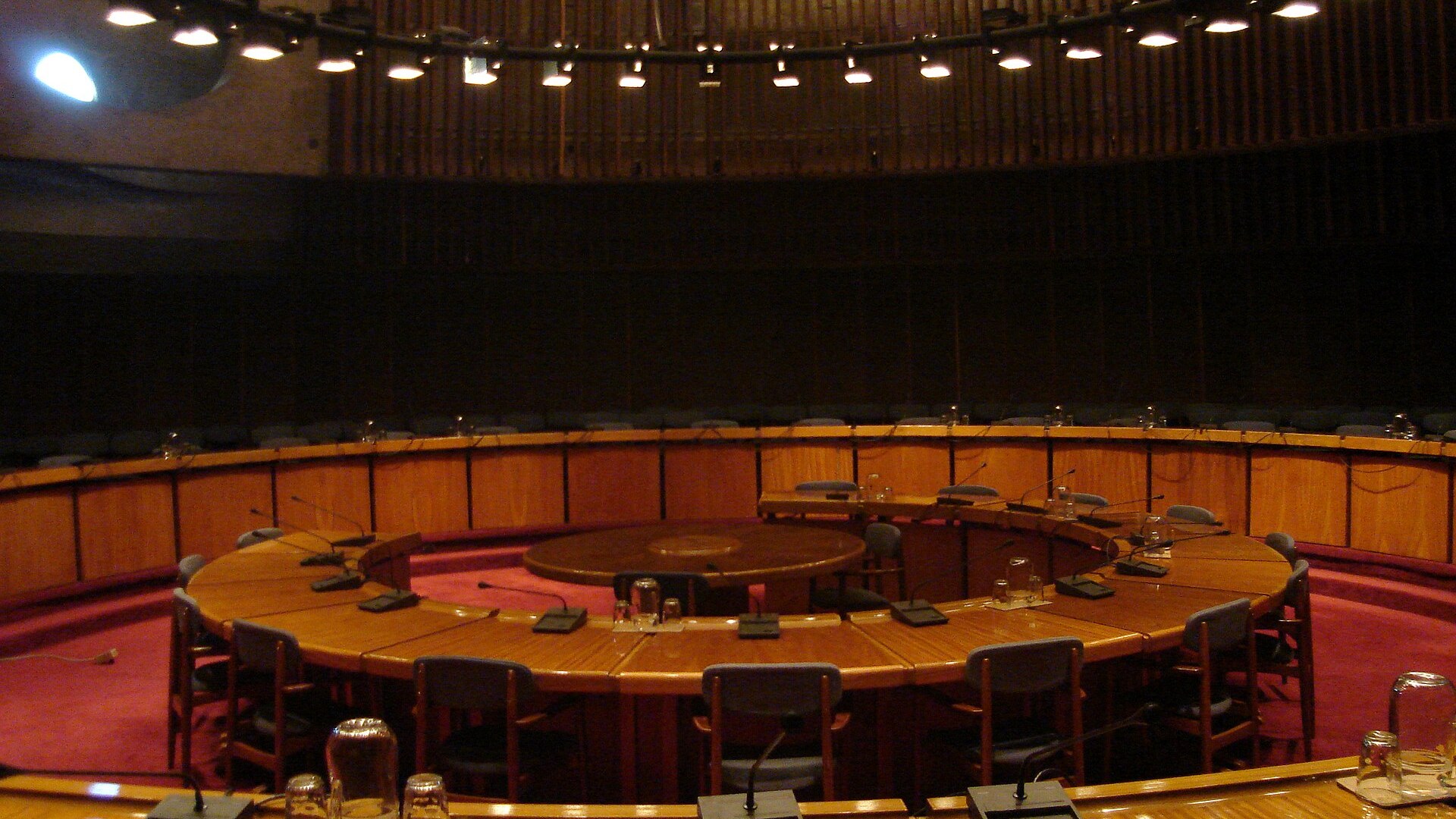
A meeting hall at the headquarters of the Economic Commission for Latin America and the Caribbean in Santiago, Chile, which serves as the secretariat of the Escazú Agreement.
Regional (Latin America and the Caribbean; open to the 33 countries listed in Annex 1; the Secretary-General of the United Nations is the depositary; the Economic Commission for Latin America and the Caribbean is the secretariat) Existing / enacted

Escazú Agreement

Regional Agreement on Access to Information, Public Participation and Justice in Environmental Matters in Latin America and the Caribbean; adopted at Escazú, Costa Rica, on 4 March 2018; entered into force on 22 April 2021

The regional environmental democracy treaty for Latin America and the Caribbean. It gives the public rights to environmental information, participation in decisions and access to justice, and it includes specific duties to protect people who defend the environment. The United Nations Treaty Collection lists 19 Parties and 24 signatures.

Read the article