

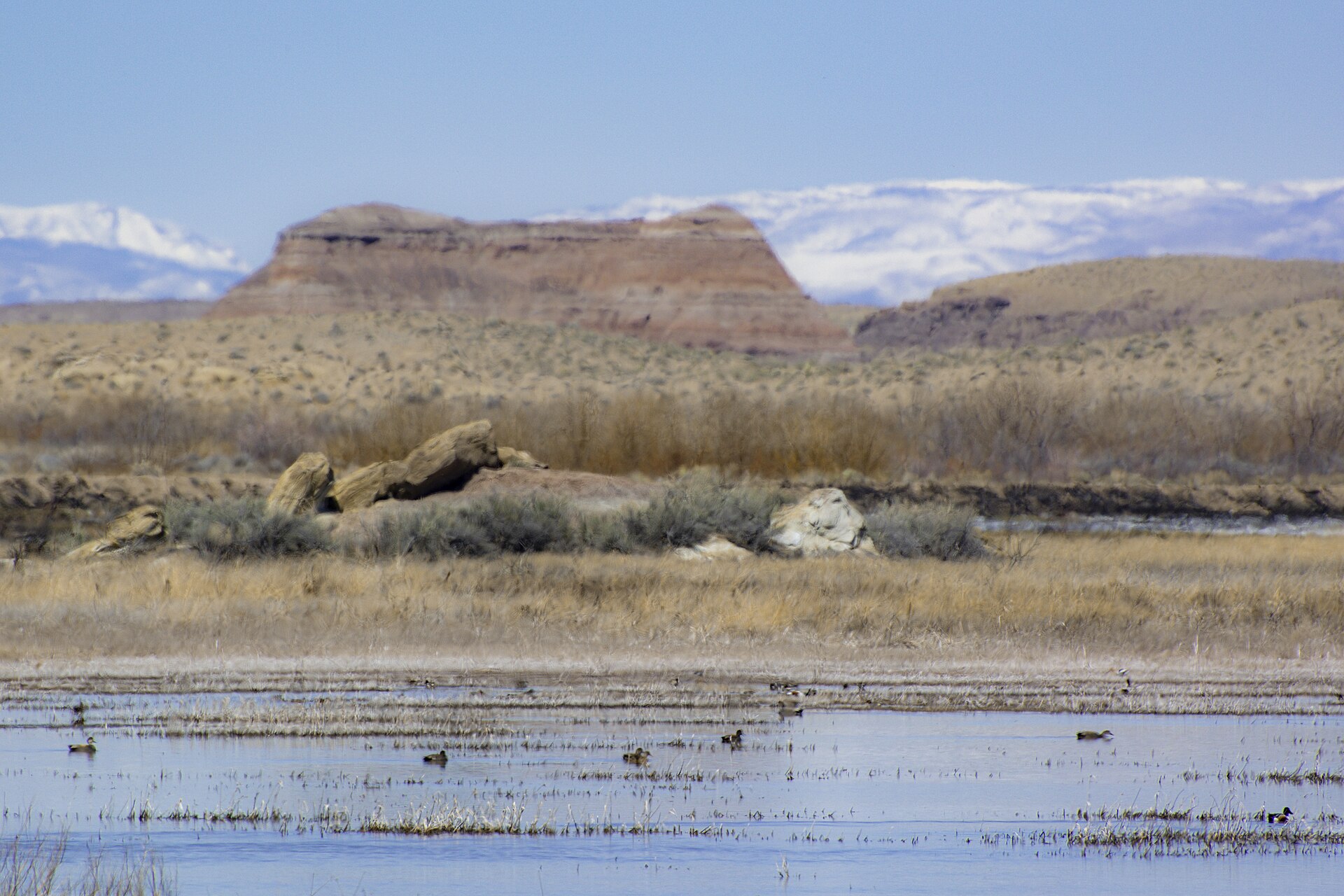

Official name: Convention on Wetlands of International Importance especially as Waterfowl Habitat
Citation: Convention on Wetlands of International Importance especially as Waterfowl Habitat; done at Ramsar, Iran, on 2 February 1971; entered into force on 21 December 1975 (as amended)
Year / status: Done at Ramsar, Iran, on 2 February 1971. Entered into force on 21 December 1975. The present text includes later amendments.
What it does
Each party must designate at least one wetland for the List of Wetlands of International Importance, promote conservation of listed sites, and use wetlands in general with care so that they keep their ecological character. It organises cooperation on shared wetlands and waterfowl. A conference of the contracting parties steers guidance. The present text incorporates later amendments: the Paris Protocol of 1982 and the Regina Amendments of 1987.
Where it applies / status
Applies to contracting parties. Done at Ramsar on 2 February 1971. In force from 21 December 1975. Depositary functions sit with UNESCO. The lists of parties and designated sites change over time. UNESCO, as depositary, and the Convention’s own documentation keep the current record.
Documented benefits or intended effects
The intended effects are to keep internationally important wetlands on a public list with conservation duties, and to spread careful use as the management standard. Listing alone does not equal full protection on the ground. National law and management plans carry the work.
Caveats
The Convention does not ban the use of wetlands. It asks parties to use wetlands with care and to look after the sites they list.
Sources
UNESCO depositary page; English text in the United Nations Treaty Series; record in the United Nations Treaty Collection; environmental-treaty catalogue entry.