
Minamata Convention on Mercury
The global treaty on mercury. Parties control mercury supply and trade, products, manufacturing processes, artisanal and small-scale gold mining, air emissions, releases to land and water, storage, waste and contaminated sites. The United Nations Treaty Collection lists 154 Parties.
Official name: Minamata Convention on Mercury
Citation: Minamata Convention on Mercury; adopted at Kumamoto on 10 October 2013; entered into force on 16 August 2017
Year / status: Adopted at Kumamoto on 10 October 2013. Entered into force on 16 August 2017.
What it does
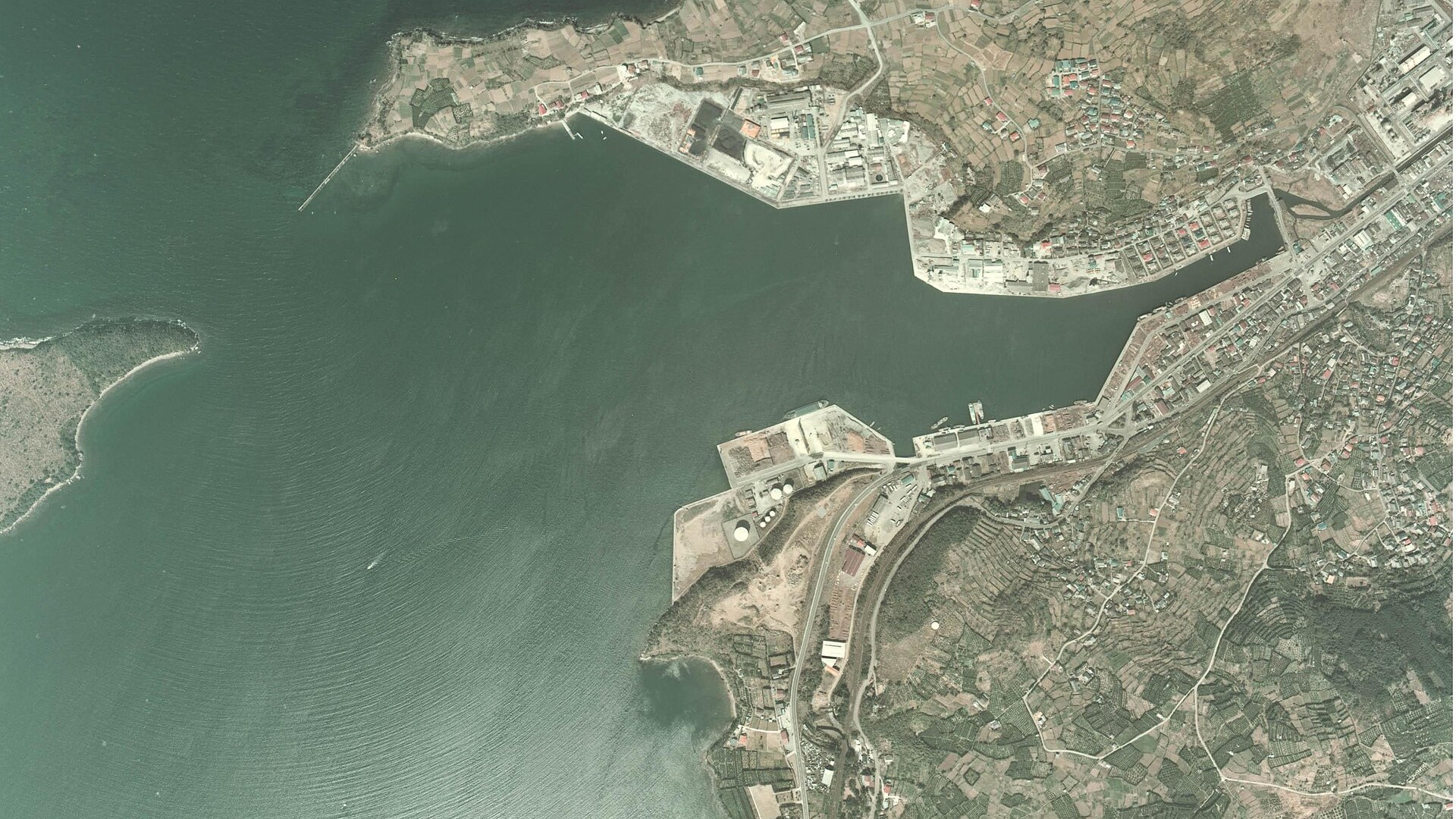
The Minamata Convention is a United Nations environment treaty named after the Japanese city of Minamata, where industrial mercury poisoning harmed a coastal community for decades. States and the European Union adopted the text at a conference of plenipotentiaries in Kumamoto, Japan, on 10 October 2013. It entered into force on 16 August 2017, ninety days after the fiftieth instrument of ratification, acceptance, approval or accession was deposited. The Executive Director of the United Nations Environment Programme performs the secretariat functions.
Where it applies / status
The treaty text sets obligations and annexes that list products and processes. Conferences of the Parties can amend the annexes. Some Parties declare that annex amendments bind them only when they deposit a further instrument, as Trinidad and Tobago did when it acceded on 26 June 2026. The United Nations Treaty Collection (Chapter XXVII, No. 17) is the depositary record of signatures, Parties and entry into force. Its status date of 1 October 2026 showed 128 signatories and 154 Parties. These numbers change when new instruments are deposited.
Documented benefits or intended effects
Mercury is a toxic metal that travels long distances in air and water, builds up in fish and people, and harms the brain and nervous system, especially in unborn children and young people. No single country can stop exposure alone. The Convention requires Parties to phase down and phase out many mercury-added products, to control manufacturing processes that use mercury, to reduce emissions from large industrial sources, to manage mercury waste safely, and to take steps on artisanal and small-scale gold mining, which remains a major source of mercury use.
Caveats
The Convention binds Parties that have ratified, accepted, approved or acceded. A State that has only signed has not yet taken on the full duties, and some signatories are in that position. Because of the declarations described above, annex amendments may enter into force for some Parties later than for others. National laws and enforcement decide how far the rules reach on the ground. The Treaty Collection holds the current list of Parties.
Sources
United Nations Treaty Collection record, the depositary notification on Trinidad and Tobago, the 1974 aerial photograph, and the Japanese ministry terms of use.
- United Nations Treaty Collection: Minamata Convention on Mercury (Chapter XXVII, No. 17)
- United Nations depositary notification C.N.260.2026.TREATIES-XXVII.17 (Trinidad and Tobago accession, 26 June 2026)
- Wikimedia Commons: Minamata Bay 1974 (aerial photograph)
- Ministry of Land, Infrastructure, Transport and Tourism of Japan: terms of use of the Land Information Web Mapping System (in Japanese)
