

Stockholm Convention on Persistent Organic Pollutants
The global treaty on persistent organic pollutants. Parties eliminate or restrict listed chemicals that stay in the environment for years, travel far, accumulate in living tissue and harm health. The United Nations Treaty Collection lists 186 Parties.
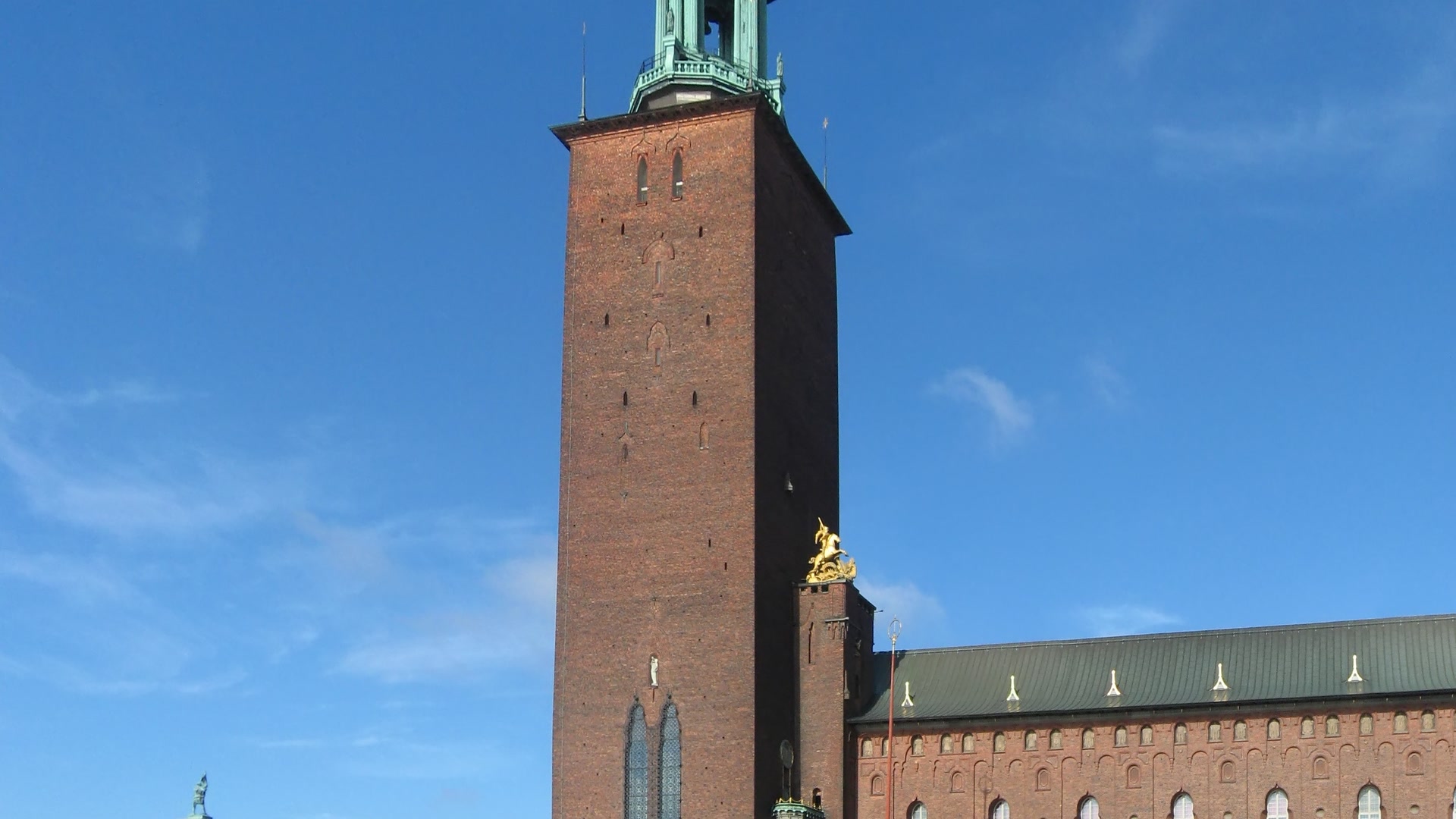
Official name: Stockholm Convention on Persistent Organic Pollutants
Citation: Stockholm Convention on Persistent Organic Pollutants; adopted at Stockholm on 22 May 2001; entered into force on 17 May 2004
Year / status: Adopted at Stockholm on 22 May 2001. Entered into force on 17 May 2004.
What it does
The Stockholm Convention is a United Nations environment treaty that protects human health and the environment from persistent organic pollutants: chemicals that remain intact for long periods, spread geographically, build up in fatty tissue and cause serious harm. It was adopted in Stockholm on 22 May 2001 and entered into force on 17 May 2004. A joint secretariat in Geneva serves the Stockholm, Basel and Rotterdam Conventions.
Where it applies / status
Annex A is the elimination list, Annex B the restriction list with limited acceptable purposes, and Annex C covers unintentional by-products such as dioxins. Import and export of listed chemicals are tightly limited. New listings follow a review process under Article 8. Some Parties declare that annex amendments bind them only after a further instrument. The United Nations Treaty Collection (Chapter XXVII, No. 15) showed 152 signatories and 186 Parties at its status date of 1 October 2026.
Documented benefits or intended effects
Because these chemicals move across borders in air and water, one government acting alone cannot protect its people. The Convention requires Parties to prohibit or eliminate production and use of the chemicals listed in Annex A, to restrict those listed in Annex B, to reduce releases of unintentionally produced pollutants listed in Annex C, and to manage stockpiles and wastes that contain these chemicals in an environmentally sound way. A scientific committee reviews proposals to list further chemicals.
Caveats
The United States of America signed the Convention but has not become a Party. Specific exemptions and acceptable purposes mean some listed chemicals may still be produced or used for a time under registered conditions. Results depend on national implementation plans, funding and reporting. The depositary and the current annex texts show which chemicals are listed and for which Parties.
Sources
United Nations Treaty Collection record, the secretariat overview, and the photograph.
