

Official name: Montreal Protocol on Substances that Deplete the Ozone Layer
Citation: Montreal Protocol (1987, as adjusted/amended); Kigali Amendment adopted 15 October 2016, HFC controls in force from 1 January 2019 for Parties for which it entered into force
Year / status: Protocol adopted 1987. Kigali Amendment adopted 15 October 2016; HFC controls in force from 1 January 2019 for Parties for which it entered into force.
What it does
Controls production and consumption of ozone-depleting substances through binding schedules, trade controls with non-Parties, reporting, and a Multilateral Fund for Article 5 Parties. Adjustments and amendments tighten annex chemicals over time. The Kigali Amendment (2016) phases down hydrofluorocarbons (HFCs): potent greenhouse gases used as ODS substitutes: under the same Protocol.
Where it applies / status
Near-universal Protocol membership (Ozone Secretariat / depositary). Protocol adopted 1987; successive adjustments and amendments. Kigali entered into force 1 January 2019 once ratification thresholds were met; HFC trade-control provisions have a separate later trigger. Treat party status for Kigali as depositary-specific.
Documented benefits or intended effects
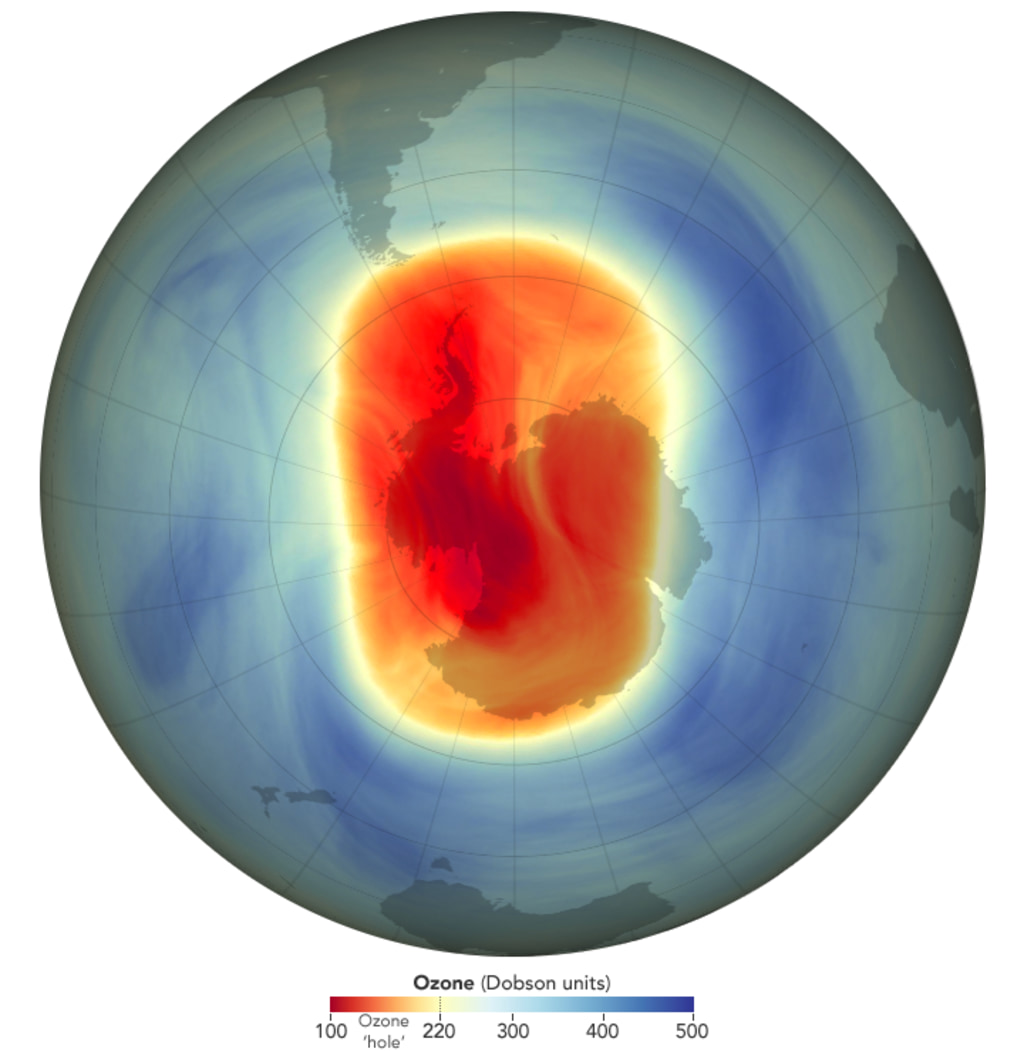
Ozone-layer recovery metrics and ODS phase-out schedules are the Protocol’s documented success track: use Ozone Secretariat / WMO-UNEP scientific assessments, not marketing. Kigali’s intended climate benefit is avoided HFC warming; delivery follows national phase-down schedules.
Caveats
Success on ODS is not automatic success on every climate gas. HFCs are under Montreal via Kigali; CO₂ and methane stay under UNFCCC/Paris. Illegal trade and exemptions still matter. Do not caption this card as “the climate treaty”: that is Paris.
Sources
Ozone Secretariat Montreal Protocol page; Ozone Secretariat amendments page (including Kigali); UN Treaty Depositary record for the Kigali Amendment.