
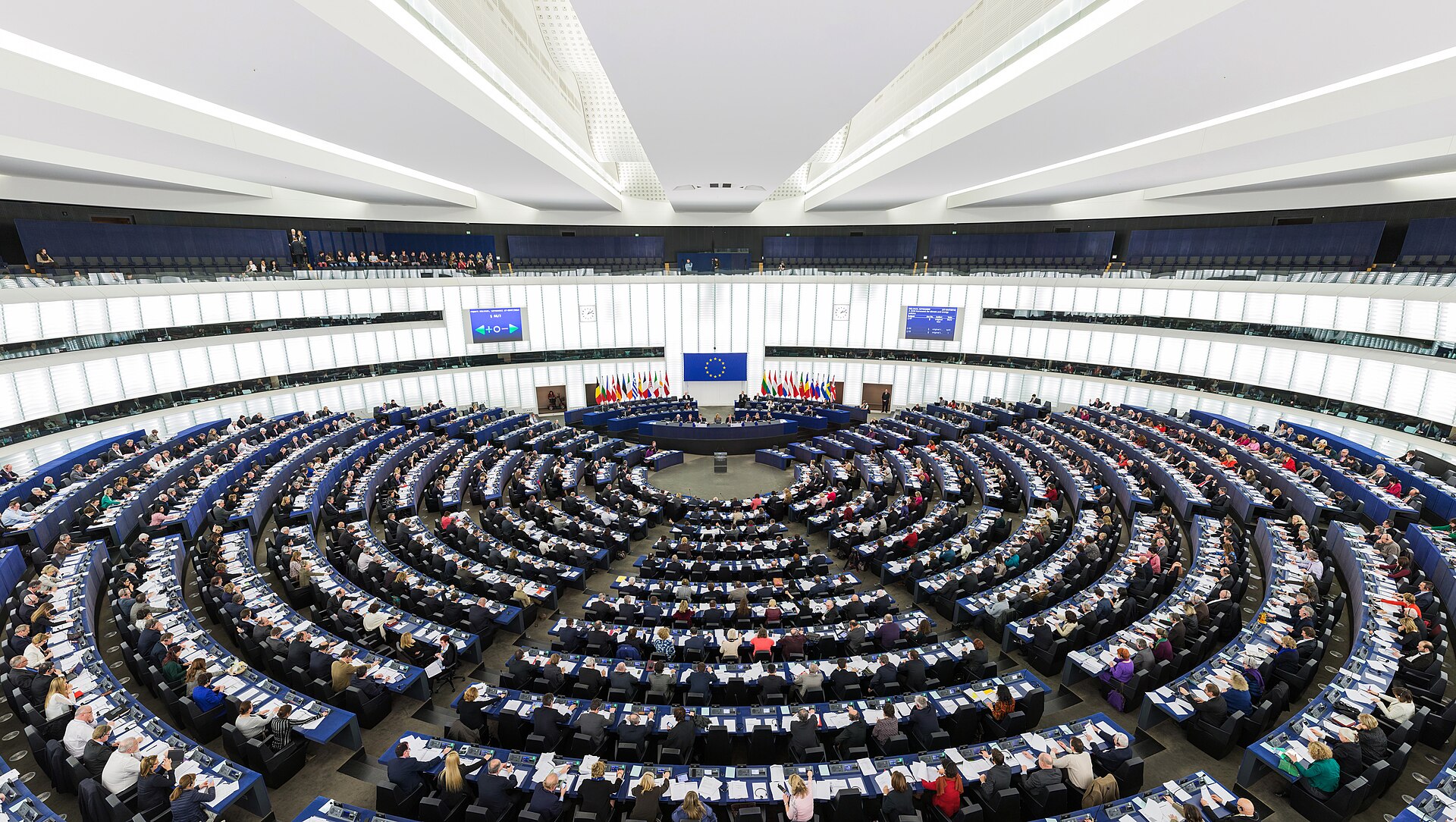
Aarhus Convention
The United Nations treaty on environmental democracy. It gives the public rights to environmental information, a say in certain decisions, and a way to seek review in a court or another independent body. These are rights about procedure, not a statute that sets pollution limits.

Official name: Convention on Access to Information, Public Participation in Decision-Making and Access to Justice in Environmental Matters
Citation: Convention on Access to Information, Public Participation in Decision-Making and Access to Justice in Environmental Matters; done at Aarhus on 25 June 1998; entered into force on 30 October 2001
Year / status: Done at Aarhus on 25 June 1998. Entered into force on 30 October 2001.
What it does
Three parts. First, access to environmental information held by public authorities. Second, a public say in decisions on specific activities and on programmes. Third, access to justice when those rights are denied or environmental law is breached. A meeting of the parties and a way of checking whether parties keep their promises oversee implementation. The Kyiv Protocol on registers of pollutant releases and transfers is a related instrument.
Where it applies / status
Negotiated under the United Nations Economic Commission for Europe. In force from 30 October 2001. It applies to parties that have ratified or acceded, including some states outside that region under the Convention’s rules. The United Nations Treaty Collection, record XXVII-13, lists current parties.
Documented benefits or intended effects
The intended effects are to make environmental decisions open to challenge and to public view, and to narrow the information gap between authorities and the public. How strong that is depends on domestic courts, fees, and who is allowed to bring a case. The Convention sets minimums that parties must meet in national law.
Caveats
The Aarhus Convention is not a worldwide freedom-of-information law. It binds only its parties: countries in the region of the United Nations Economic Commission for Europe that have joined, plus some states outside it. The United Nations Treaty Collection lists current parties. Latin America has its own regional treaty on similar rights, the Escazú Agreement.
Sources
United Nations Treaty Collection record XXVII-13; treaty text No. 37770; environmental-treaty catalogue entry.