
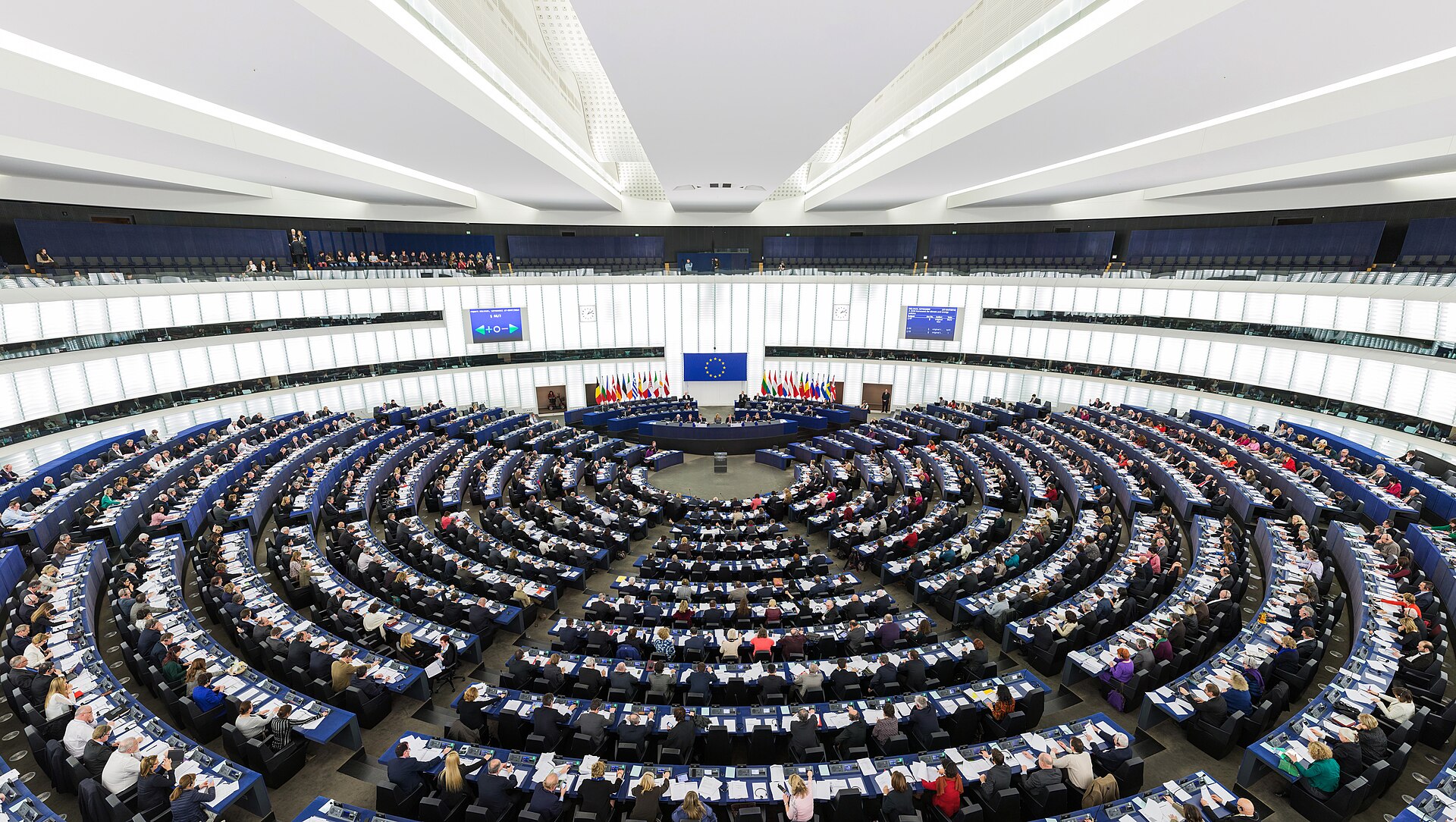
Convention on Biological Diversity
The main United Nations biodiversity treaty. It sets three objectives: conserve biological diversity, use it sustainably, and share the benefits from genetic resources fairly. Parties must plan and report. It is not a single global list of species.
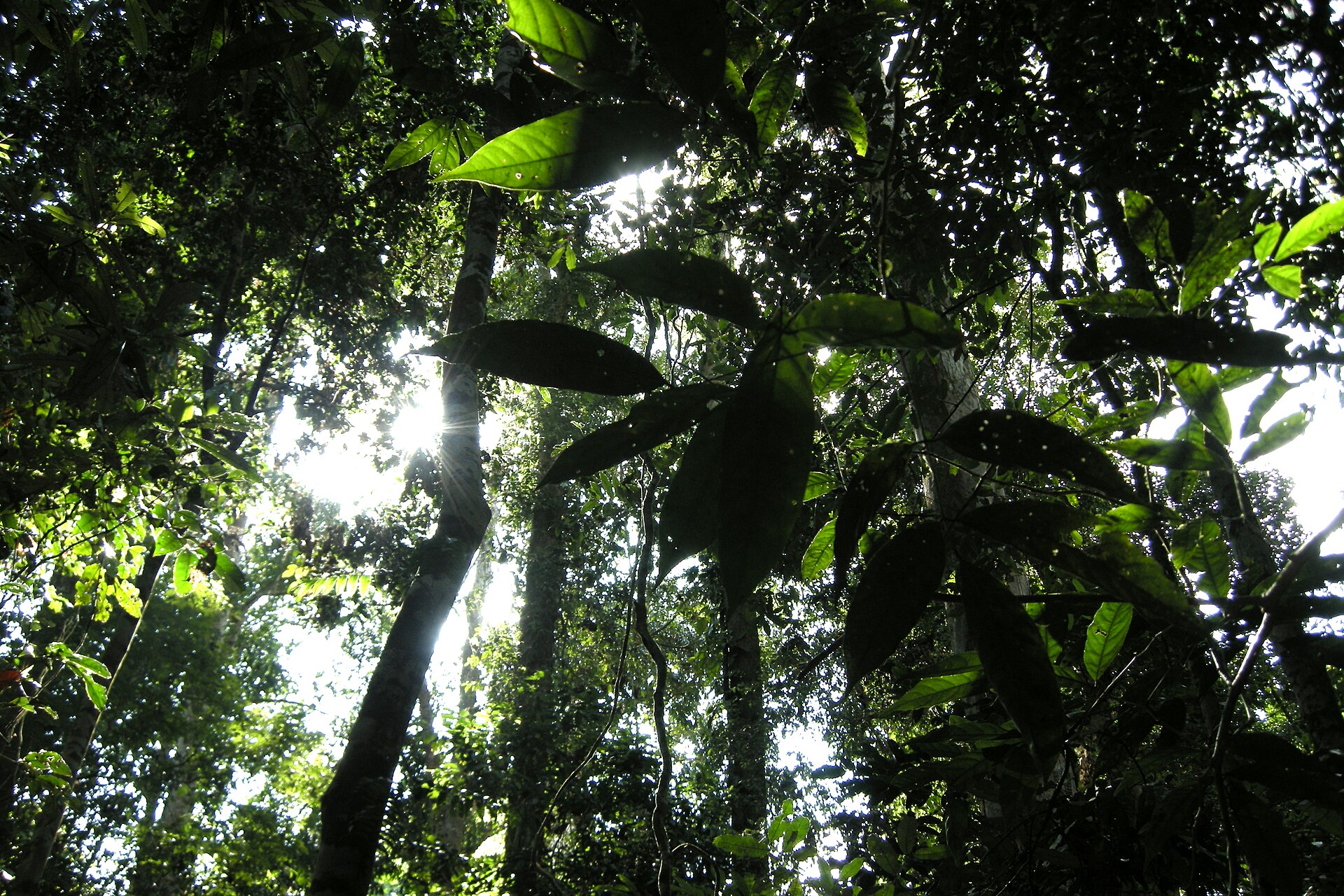

Official name: Convention on Biological Diversity
Citation: Convention on Biological Diversity; adopted in Nairobi on 22 May 1992; opened for signature in Rio de Janeiro on 5 June 1992; entered into force on 29 December 1993
Year / status: Adopted in Nairobi on 22 May 1992. Opened for signature in Rio de Janeiro on 5 June 1992. Entered into force on 29 December 1993.
What it does
A framework convention for biological diversity. Parties commit to conservation where species live and in collections away from the wild, to sustainable use, to assessing how projects affect the environment, and to cooperation. It creates the Conference of the Parties, a scientific body that advises them, and a reporting cycle. Two protocols sit under it: the Cartagena Protocol on biosafety and the Nagoya Protocol on access and benefit-sharing. They are separate instruments in the same family.
Where it applies / status
Applies to parties that have ratified or acceded. In force from 29 December 1993. The depositary is the United Nations Secretary-General. The list of parties changes over time. The Convention secretariat and the United Nations Treaty Collection keep the current record.
Documented benefits or intended effects
The intended effects are to put biodiversity into binding multilateral law beside the climate and ozone treaties, to drive national strategies and action plans for biodiversity, and to host later protocols and the Kunming-Montreal framework. Outcomes depend on national measures. The Convention text alone does not fence a reserve.
Caveats
The Convention does not run a permit system for the wildlife trade. Trade in endangered species is covered by a separate treaty, the Convention on International Trade in Endangered Species of Wild Fauna and Flora. The Kunming-Montreal Global Biodiversity Framework was adopted as a decision of the Conference of the Parties under this Convention. The United States signed the Convention but has not ratified it.
Sources
Convention secretariat text page; English text of the Convention; convention page; secretariat home page.