
Domesticates
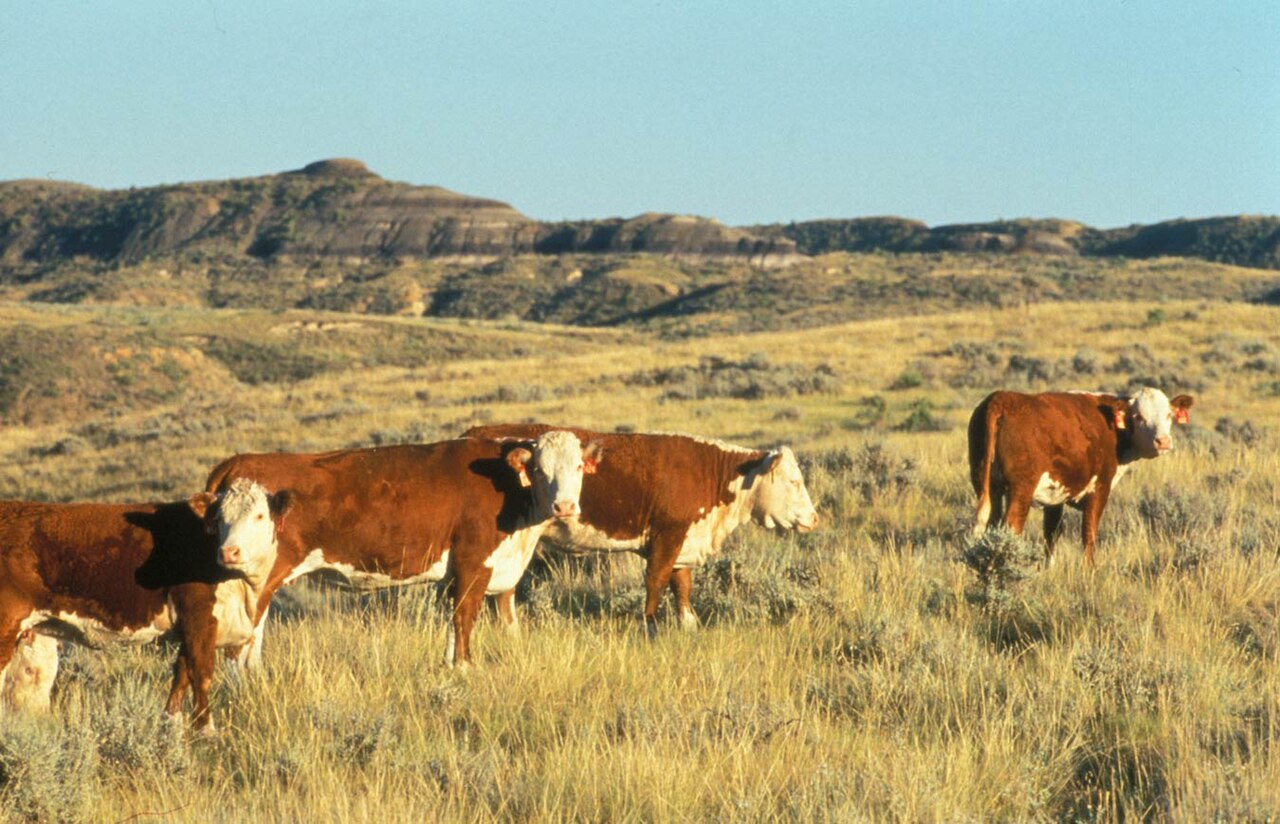
Cattle
Bos taurus / Bos indicus
The world’s main meat-and-milk bovine: taurine and indicine cattle that people keep for milk, meat, hides, and draft.
Read entryAnimals people keep: livestock, companions, and working species. The Food and Agriculture Organization of the United Nations tracks breeds worldwide in its Domestic Animal Diversity Information System. Also here: the goat, kept for meat, milk, hides and hair; the cat, kept as a companion and to control pests; the donkey, which carries loads and people; the duck, raised for meat, eggs and feathers; and the rabbit, raised for meat, fur and wool.
Bos taurus / Bos indicus
The world’s main meat-and-milk bovine: taurine and indicine cattle that people keep for milk, meat, hides, and draft.
Read entry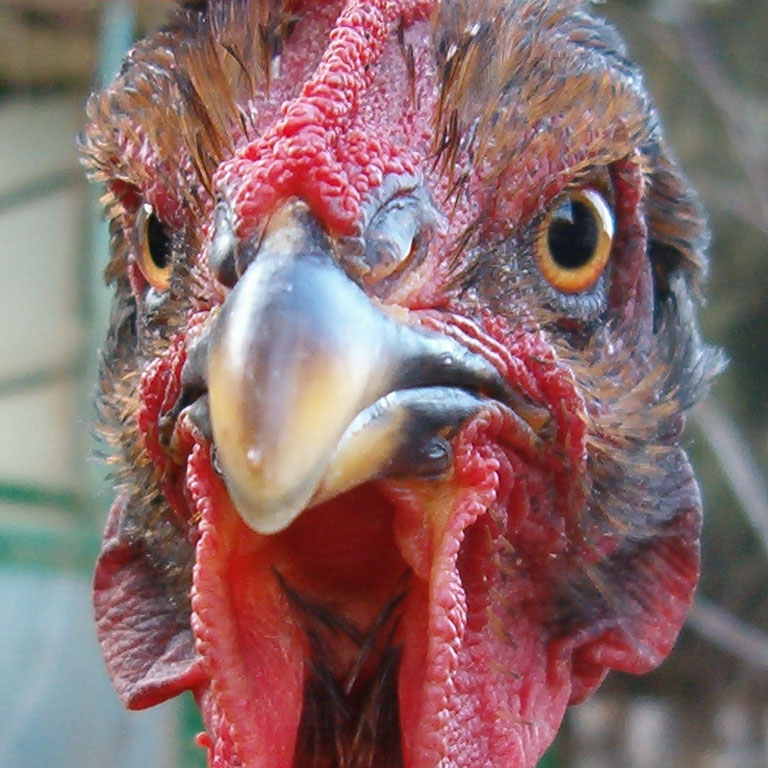
Gallus gallus domesticus
The most abundant domestic livestock: a junglefowl turned into the world’s default farm bird.
Read entry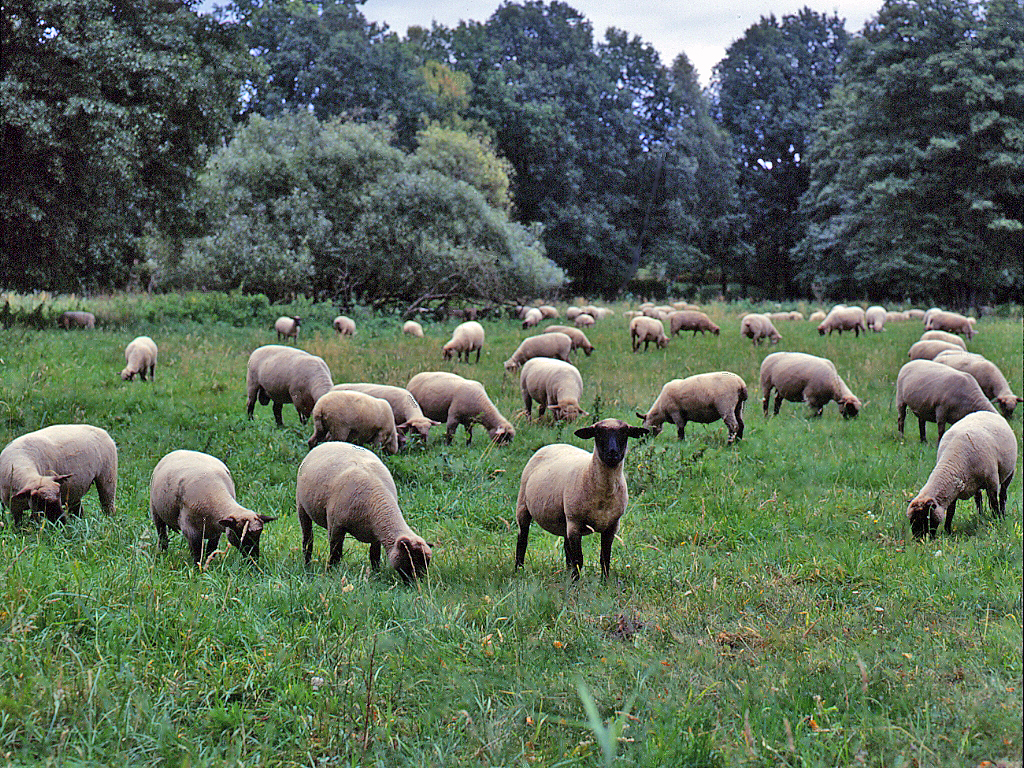
Ovis aries
Sheep are grazing animals raised mainly for wool, meat, milk and hides, in breeds adapted to places from the cold, wet highlands of northern Europe to the dry lands of Africa, Asia and Australasia.
Read entry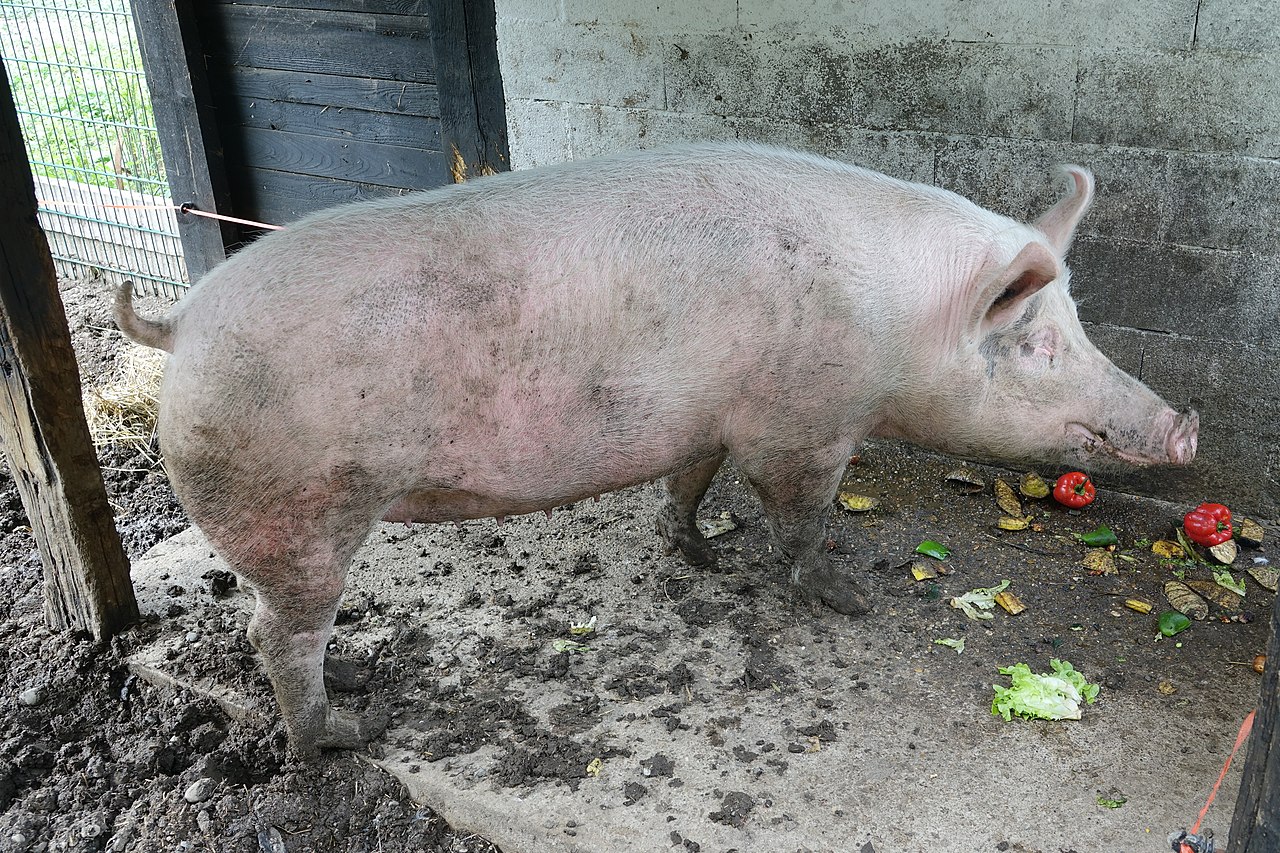
Sus domesticus
The domestic pig, Sus domesticus, raised for meat on farms from village sties to industrial houses.
Read entry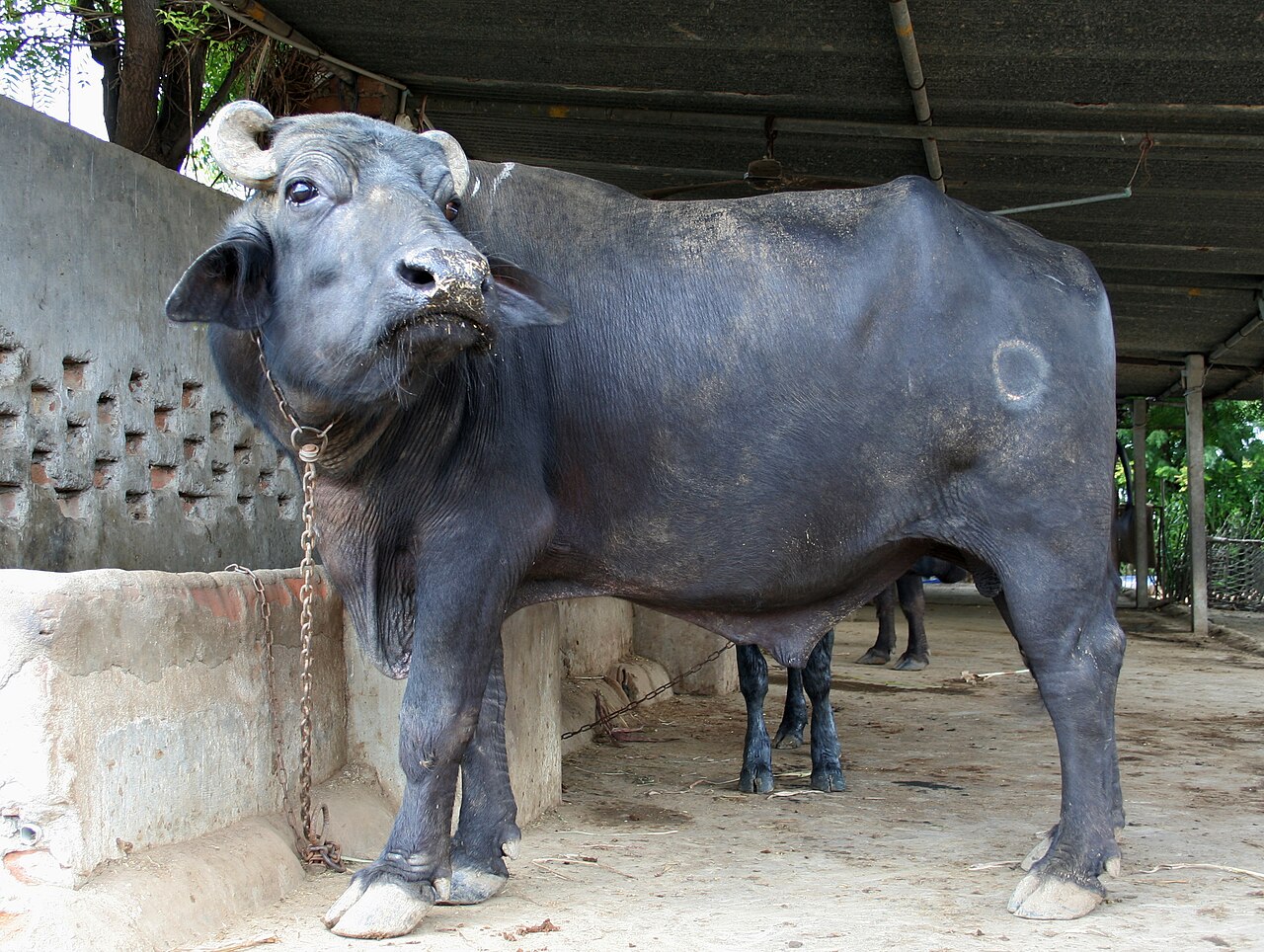
Bubalus bubalis
About 15 percent of the world’s milk, and in India and Pakistan, more buffalo milk than cow milk.
Read entry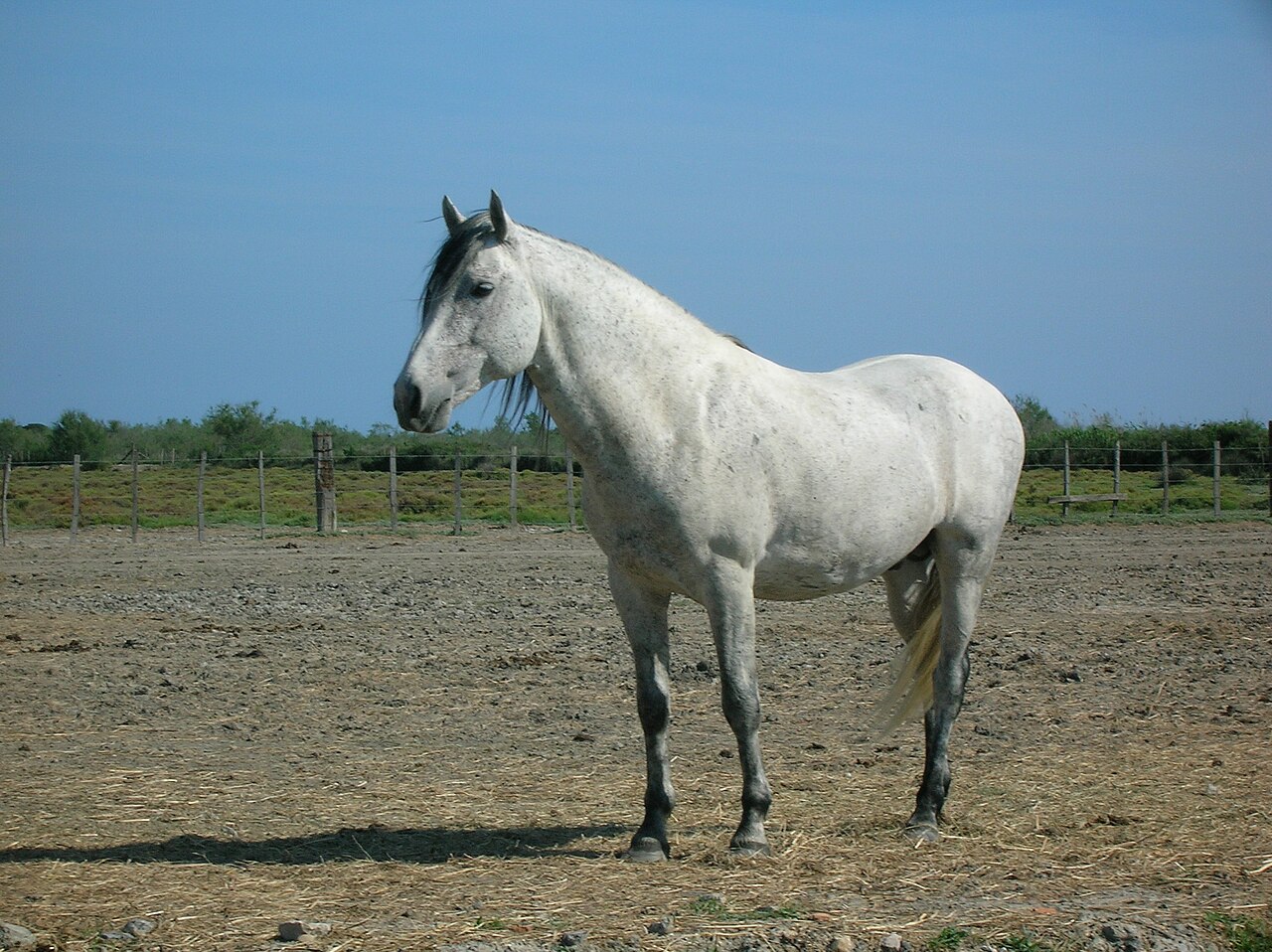
Equus ferus caballus
Domestic horses spread from the Western Eurasian steppes around 2200-2000 BC, according to Librado and colleagues in Nature, 2021.
Read entry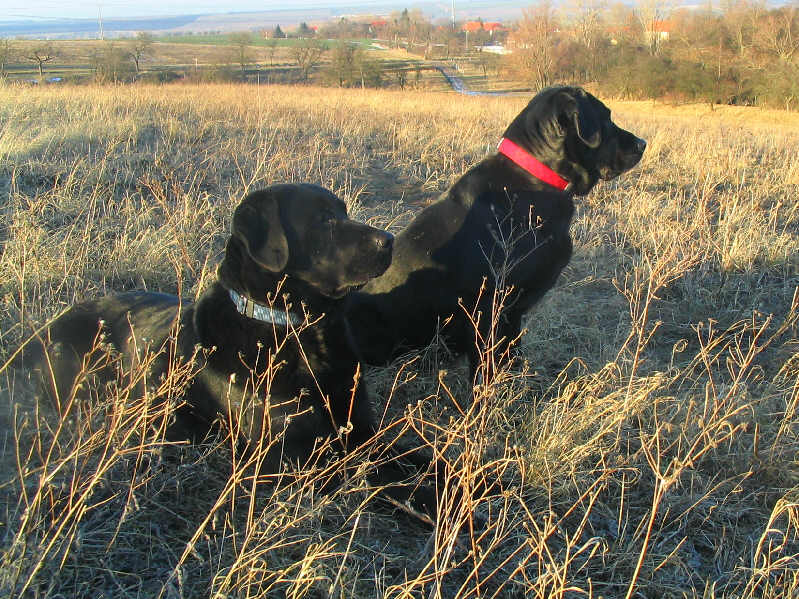
Canis familiaris
The first domestic animal, already genetically distinct from present-day wolves, with at least five lineages by about 11,000 years ago.
Read entrySource: Bergström et al., Science, 2020: origins of prehistoric dogs (PMC)
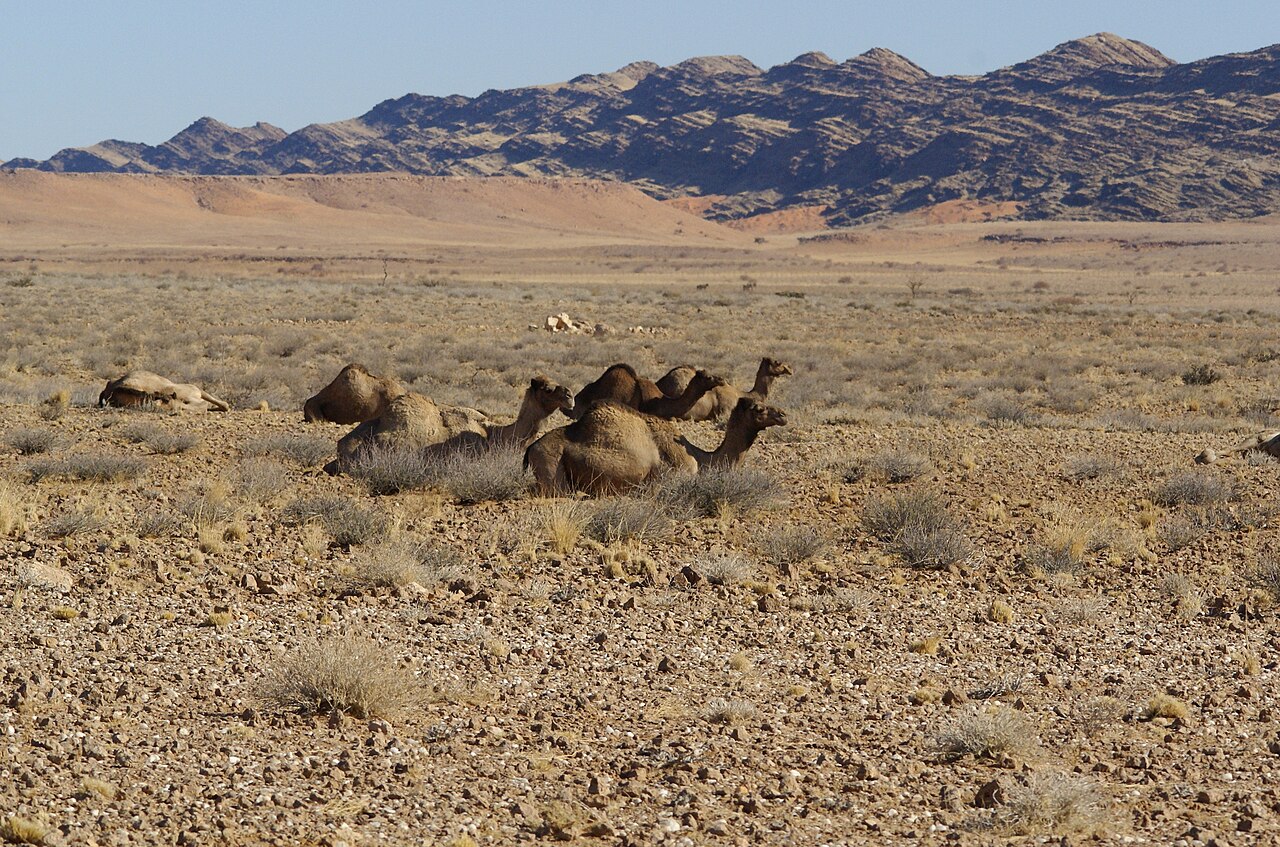
Camelus / Lama / Vicugna
People keep dromedaries, Bactrian camels, llamas, and alpacas for transport, fibre, milk, and meat, and the Food and Agriculture Organization of the United Nations marked 2024 as the International Year of Camelids.
Read entry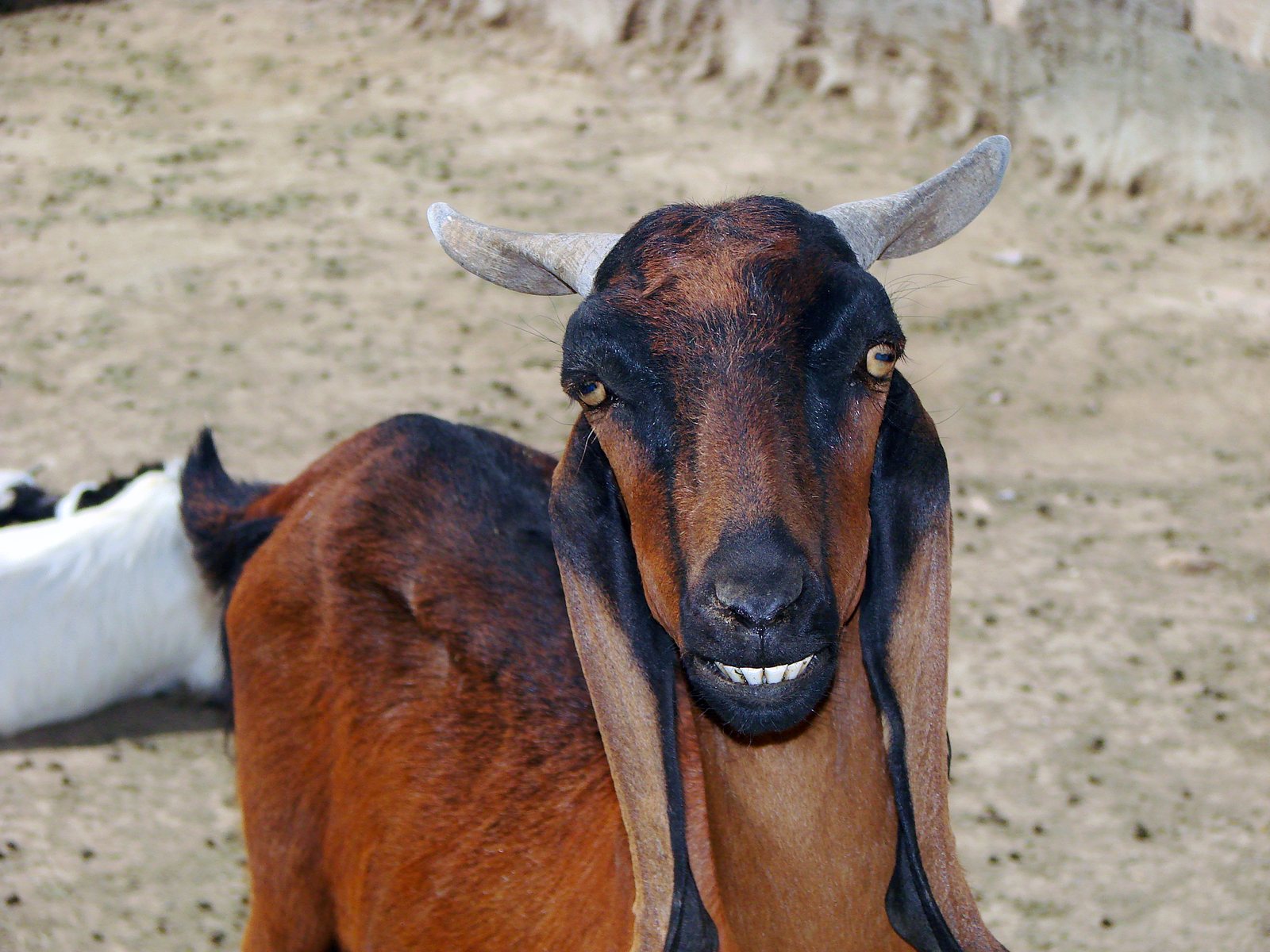
Capra hircus
A browsing small ruminant kept mainly for meat, milk, hides and hair on smallholder farms, in pastoral herds and on specialised dairy farms.
Read entry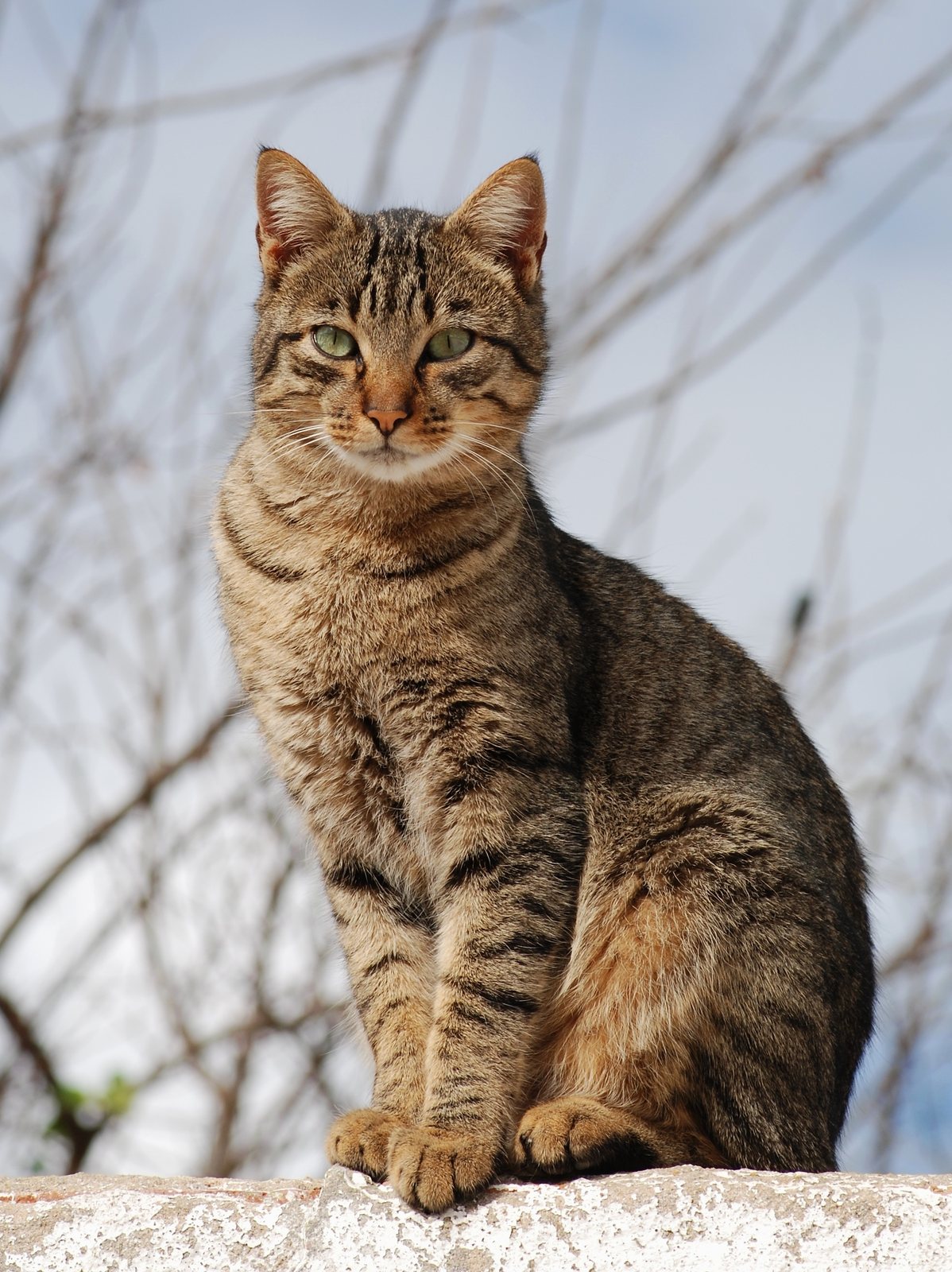
Felis catus
A companion and pest hunter descended from the Near Eastern wildcat, whose bond with people began more than 9,000 years ago around the grain stores of the first farmers.
Read entry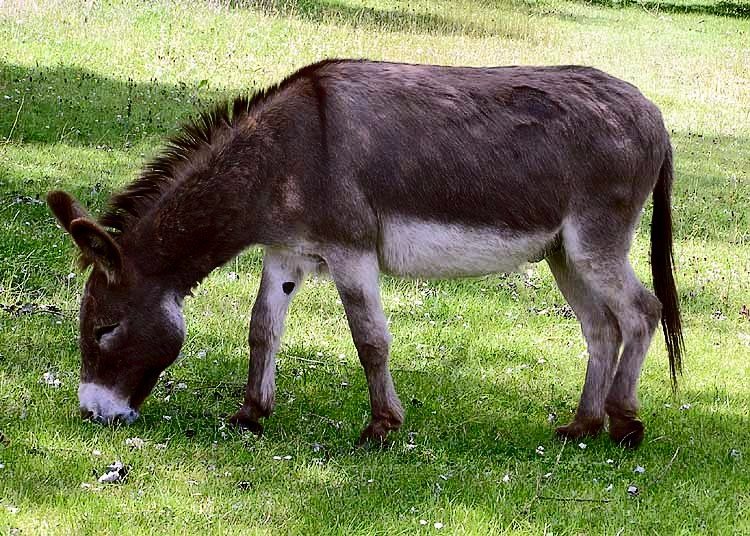
Equus asinus
A beast of burden domesticated in Africa around 5000 BCE; 99% of the world's donkeys live in low- and middle-income countries.
Read entry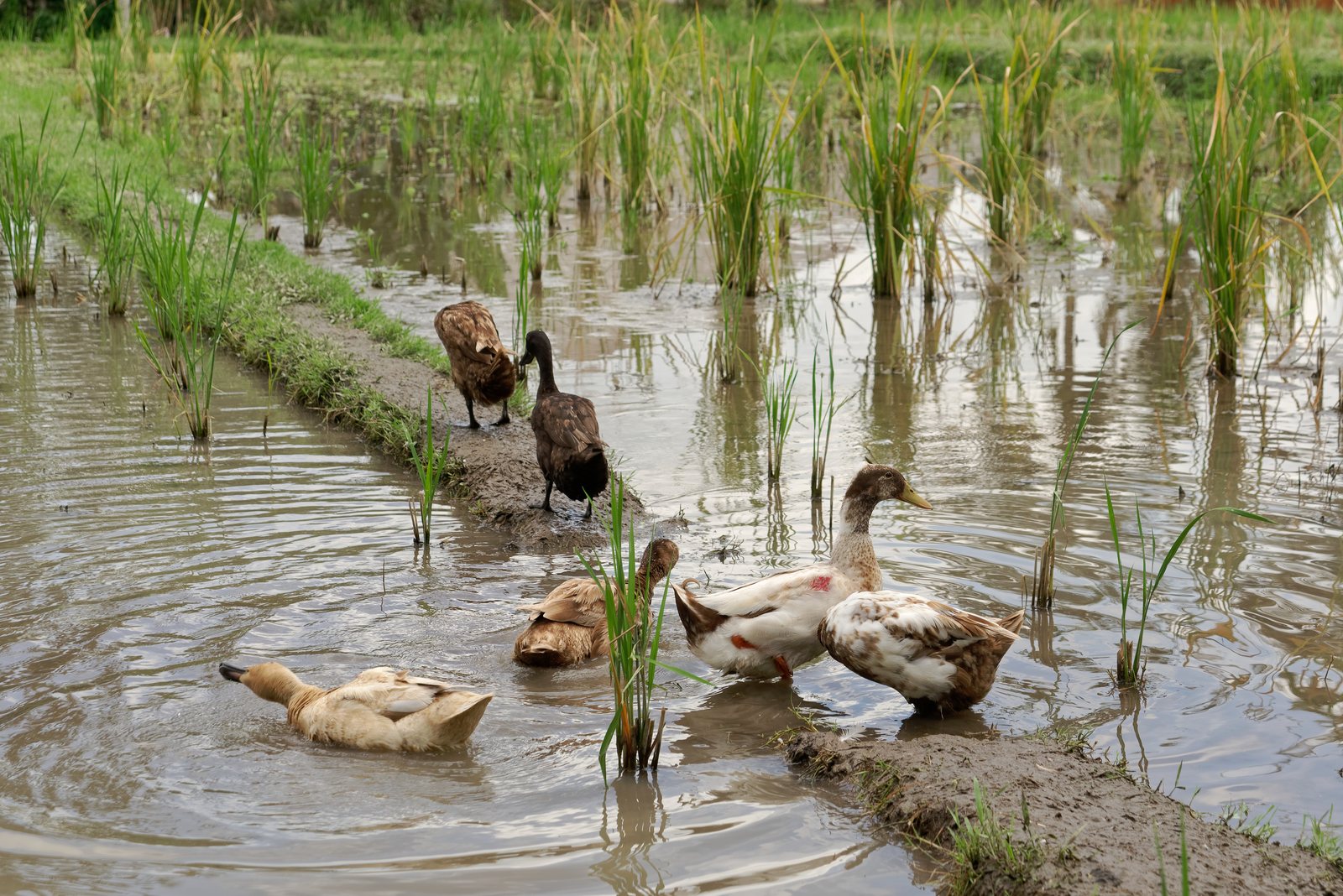
Anas platyrhynchos domesticus
Farm ducks, most of them descended from mallards first domesticated in Southeast Asia at least 4,000 years ago, raised for meat, eggs and feathers where water is plentiful.
Read entry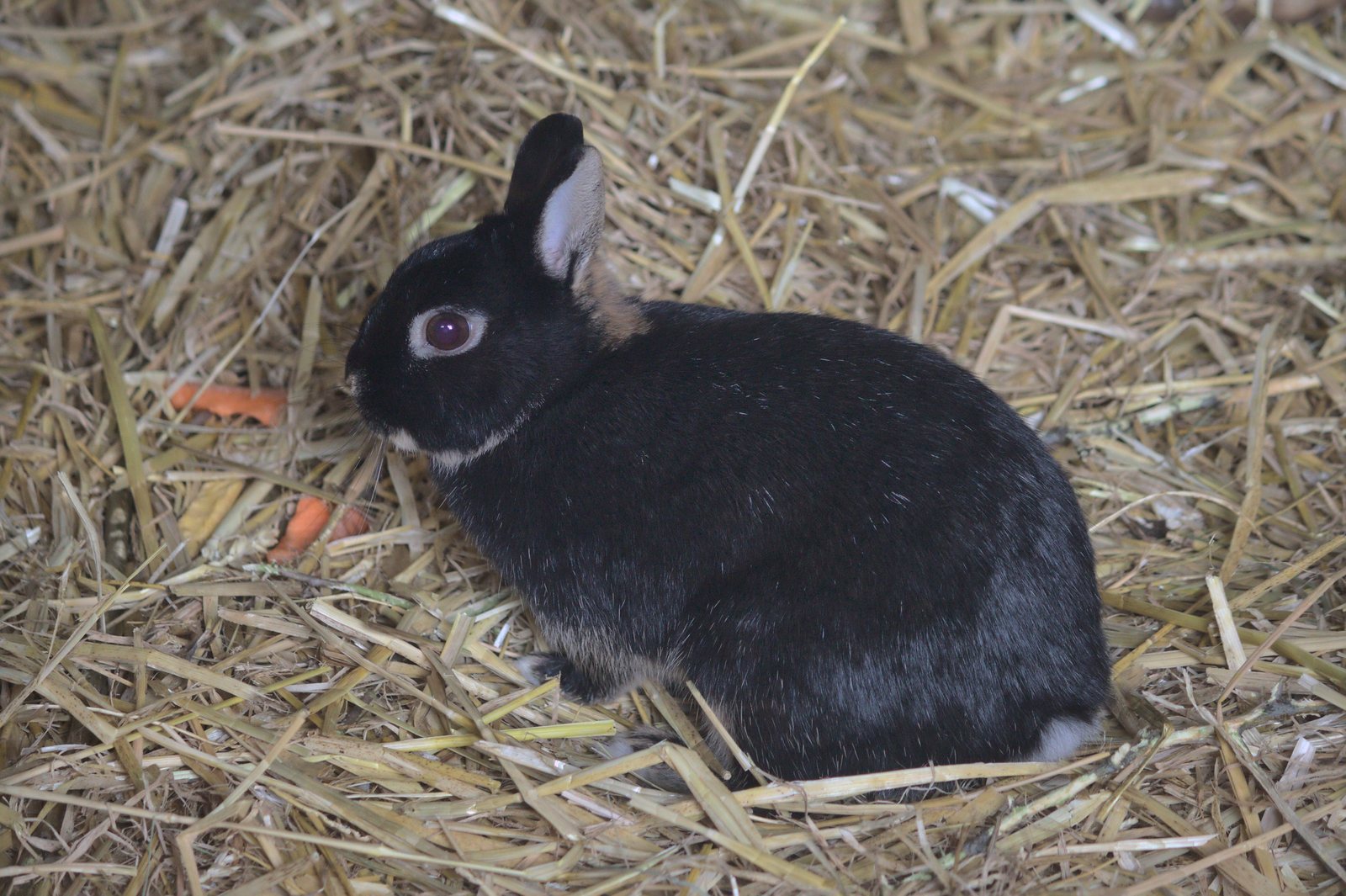
Oryctolagus cuniculus domesticus
Domesticated from the wild rabbit of southern Europe and North Africa by the late Middle Ages, and raised today for meat, fur and wool on farms and in backyards.
Read entrySource: FAO, The Rabbit: Husbandry, health and production (1997)