← Solutions

Cities

Cooler roofs, permeable streets, trees, and shared heat networks. Also here: how people move and the air they breathe, from bus rapid transit, walking and cycling networks and congestion charging to low-emission zones and electric buses.

Interlocking permeable pavers beside a sunken rain garden in a public park
Cities

Permeable pavement

Urban runoff and floods

Problem
Cities seal soil with asphalt. Rain becomes a dirty flood that overloads sewers and rivers instead of soaking in.
Fix
Porous asphalt, pervious concrete, and interlocking pavers let water into a stone reservoir below the street. They are standard green-stormwater kit in U.S. municipal programs, German cities, and China’s sponge-city projects. They clog without sweeping, and they are not a levee; they shave runoff on the lots and streets where they are laid.
Explore solution →

Source: U.S. EPA: Permeable pavement

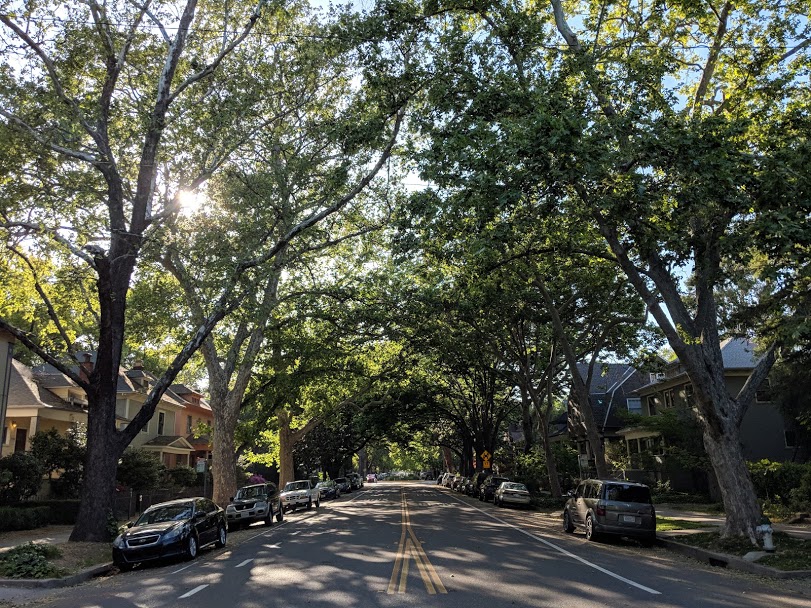
A residential street fully shaded by a dense interlocking canopy of mature trees
Cities

Urban tree canopy

Hot, bare city streets

Problem
Hard surfaces and missing shade make neighborhoods hotter than the countryside around them, especially where past planning left few trees.
Fix
Street and park trees, planted and measured as canopy cover, cool air and pavement on the blocks that have them. Cities such as New York and Melbourne run named canopy programs and track cover. Trees need water, space, and years. A “million trees” slogan without survival counts is landscaping, not climate infrastructure.
Explore solution →

Source: U.S. EPA: Trees and vegetation

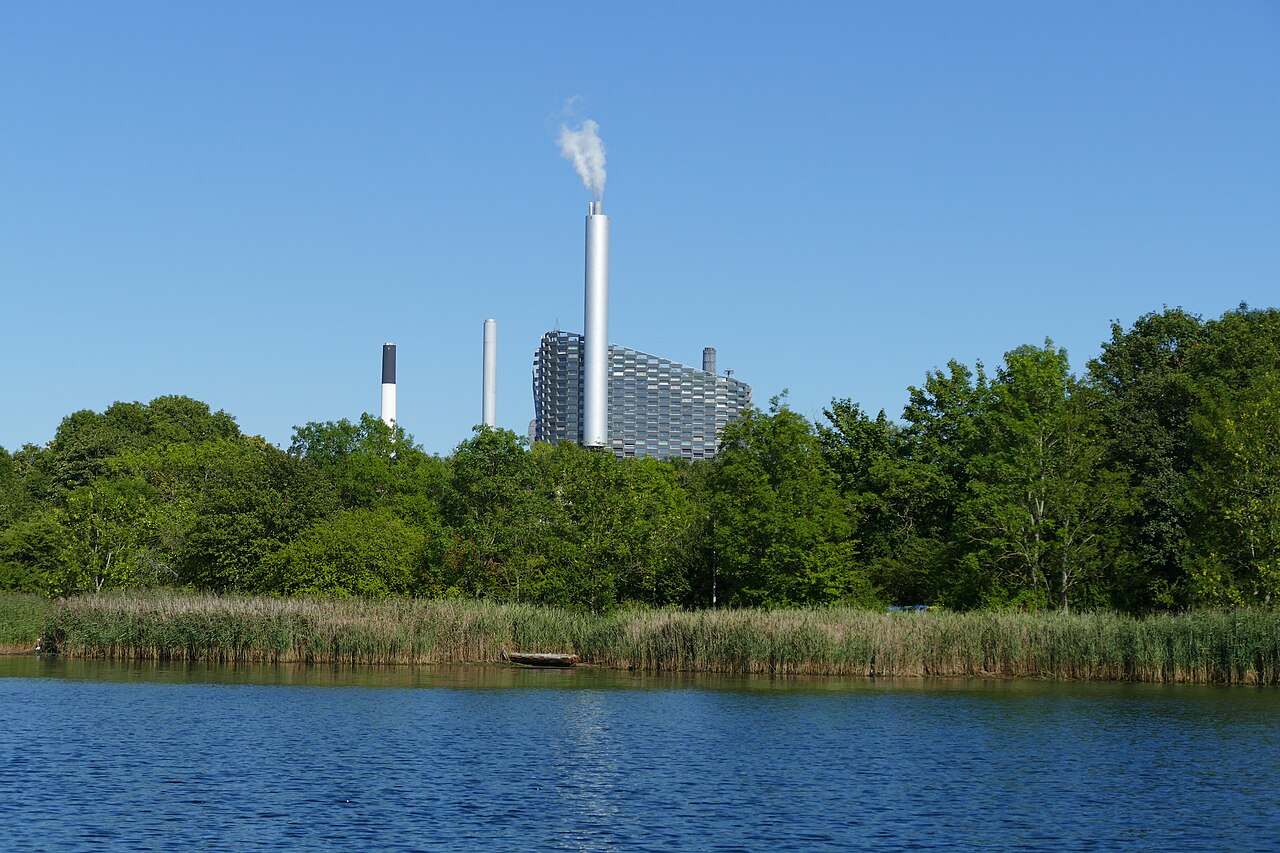
Copenhagen’s Amager Bakke waste-to-energy plant across water, with steam from the stack
Cities

District heating from waste heat

Buildings heated one boiler at a time

Problem
Individual gas boilers waste heat that power plants, incinerators, and industry already throw away. Cities still burn fuel in every basement.
Fix
Insulated pipe networks carry hot water from combined-heat-and-power plants, waste incinerators, data centers, and industry into buildings. Copenhagen (including heat from Amager Bakke), Stockholm, Paris, and large Chinese systems already run this way. Networks are expensive to dig, and the climate win depends on the heat source: waste heat and clean power help; a coal CHP plant is still coal.
Explore solution →

Source: IEA: District heating

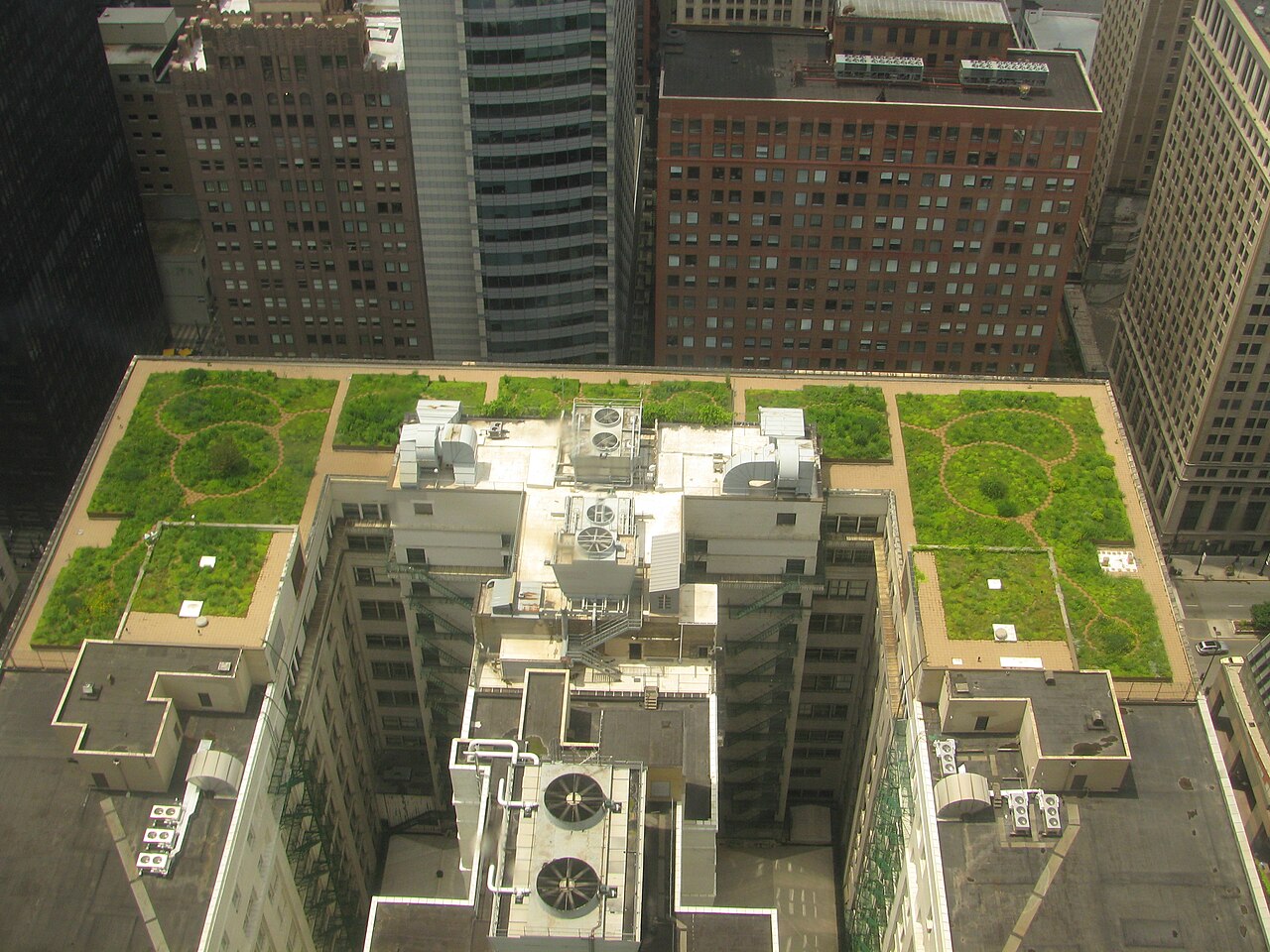
Aerial view of a planted roof with circular paths on a white downtown building among Chicago high-rises
Cities

Green roofs

Bare roofs that shed heat and rain

Problem
Conventional roofs dump rain into sewers and bake in the sun. In a dense city that adds runoff and heat when there is no soil left at street level.
Fix
A planted roof holds growing medium and vegetation over a waterproof membrane. GSA lists more than 80 federal buildings with green roofs: about 2.2 million square feet: including the U.S. Coast Guard Headquarters in Washington, DC (557,000 square feet). GSA says a planted roof can last two or three times longer than a bare membrane, cut heat-island load, and add insulation. It still needs a sound structure, drainage, and upkeep. A sedum mat is not a park, and it does not replace street trees or sewers.
Explore solution →

Source: GSA: planted roof case studies

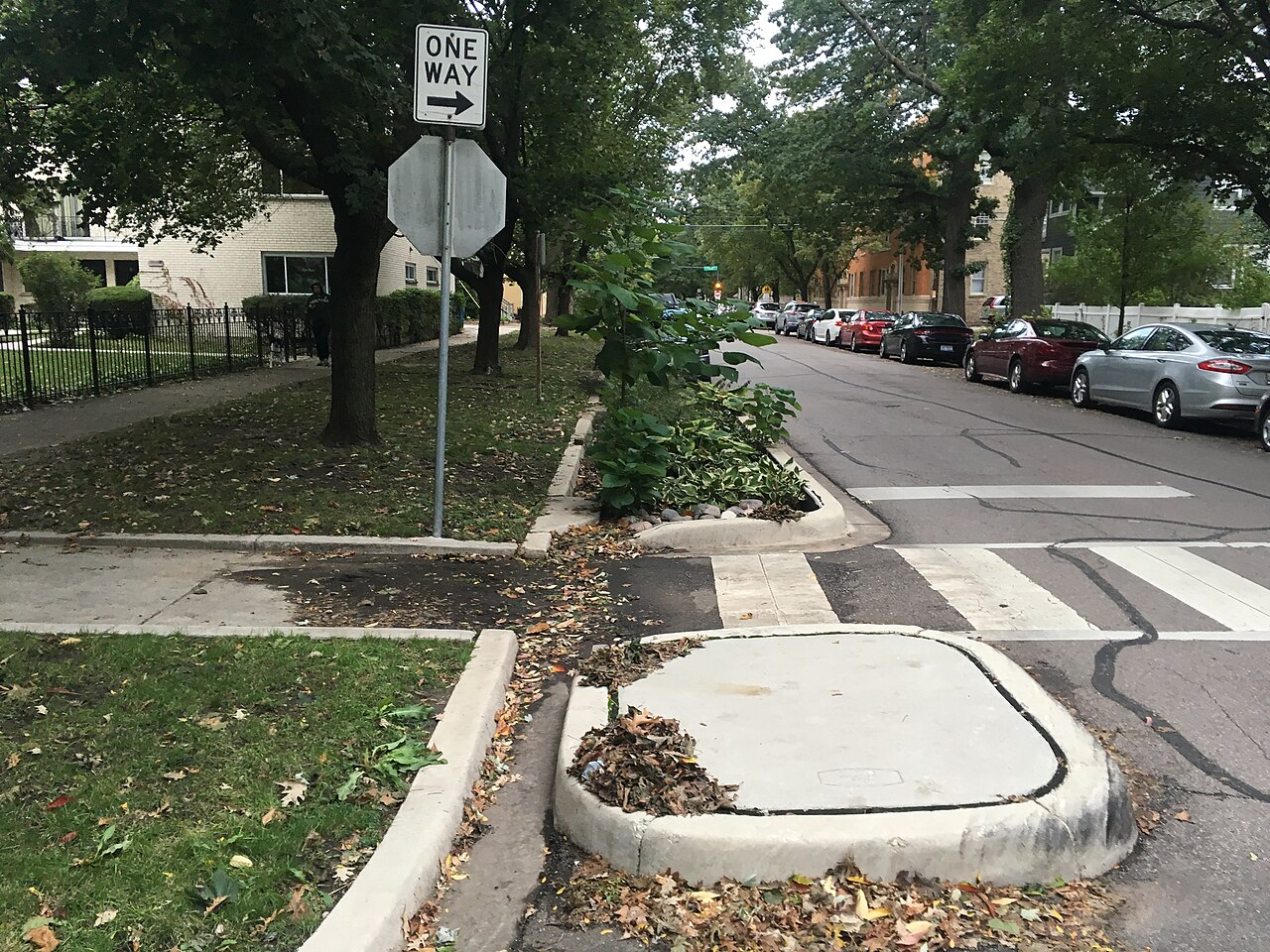
A planted street bioswale and curb extension with cutouts catching runoff beside parked cars
Cities

Rain gardens and bioswales

Streets that turn rain into a dirty flood

Problem
When lots and roads are sealed, rain hits hard surfaces and races into pipes, carrying oil, sediment, and nutrients. Sewers overflow; streams spike.
Fix
EPA treats rain gardens and bioswales as types of green infrastructure. A rain garden is a shallow planted basin that collects roof and street runoff and filters it through soil, sand, or gravel. A bioswale is a linear vegetated channel that slows and treats water as it moves: useful along roads. They are not levees. Large storms still need overflow to a drain. They clog or drown plants if they are not designed and maintained.
Explore solution →

Source: US EPA: types of green infrastructure

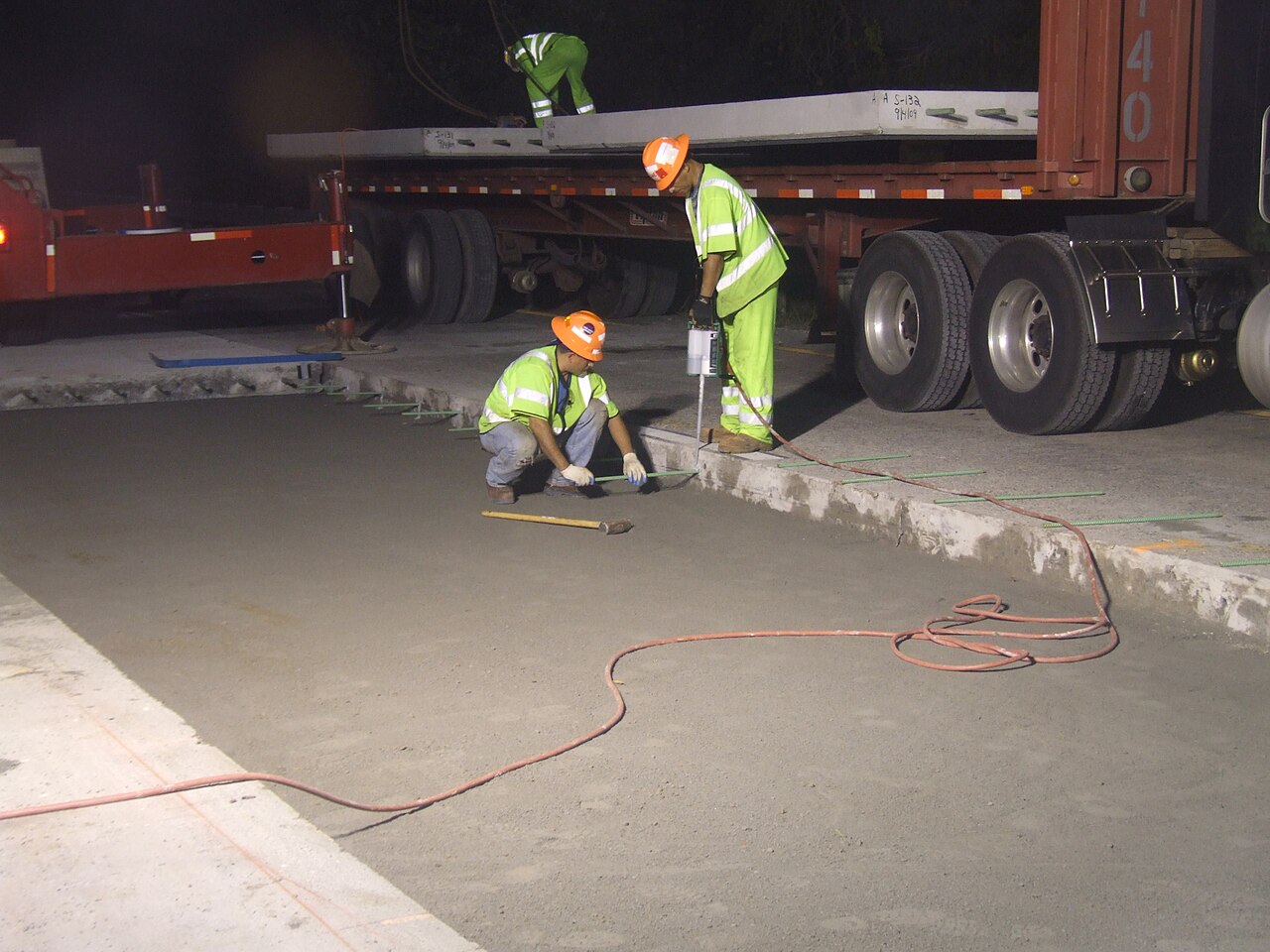
Highway workers installing tie bars in a freshly placed light-colored concrete pavement slab
Cities

Cool pavements

Streets that store the day's heat

Problem
Dark asphalt soaks up sun and then heats the air and the stormwater that runs off it. EPA cites an Arizona pilot in which conventional paving reached 152°F at midday while cooler surfaces stayed 10-16°F lower.
Fix
EPA uses “cool pavement” for materials that reflect more sun, hold water so it can evaporate, or are otherwise modified to stay cooler than ordinary asphalt. Existing concrete and asphalt mixes, coatings, and grass paving all count. There is no official U.S. labeling program, and the kit is less mature than cool roofs. A lighter street is not a substitute for shade trees, and it is distinct from permeable pavement laid mainly for drainage.
Explore solution →

Source: US EPA: cool pavements

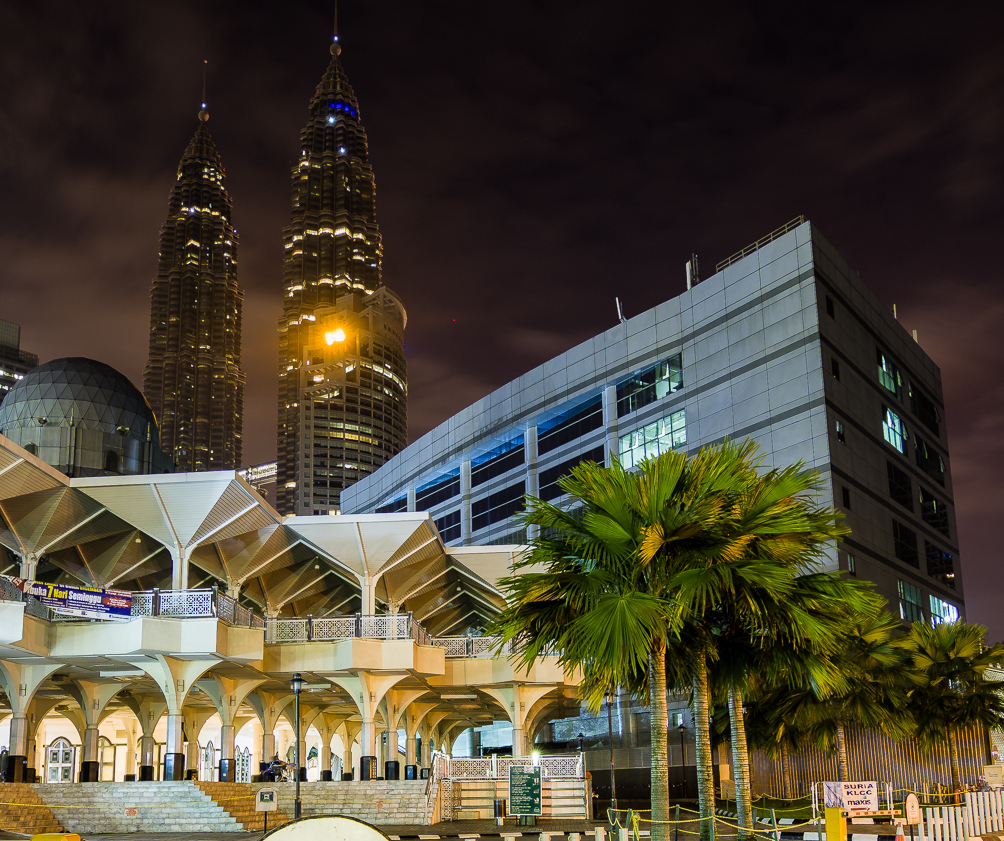
KLCC District Cooling building in Kuala Lumpur at night, with the Petronas Towers behind a white plant hall
Cities

District cooling

Every tower running its own chillers

Problem
In hot, dense districts each building often keeps its own chiller plant. That wastes space, energy, and maintenance on equipment that sits idle much of the day.
Fix
District cooling makes chilled water in a central plant and pipes it to many buildings. SP Group, Singapore’s largest operator, runs Marina Bay: which it calls the world’s largest underground district cooling network: with no supply disruptions since 2006 and 28 buildings served (a planned expansion to 50 by 2030). SP also cites industrial plants and Tengah, a public-housing township with rooftop modular chillers. The climate win depends on the power and the water source. A chilled-water pipe is not a reason to keep leaking envelopes.
Explore solution →

Source: SP Group: district cooling and heating

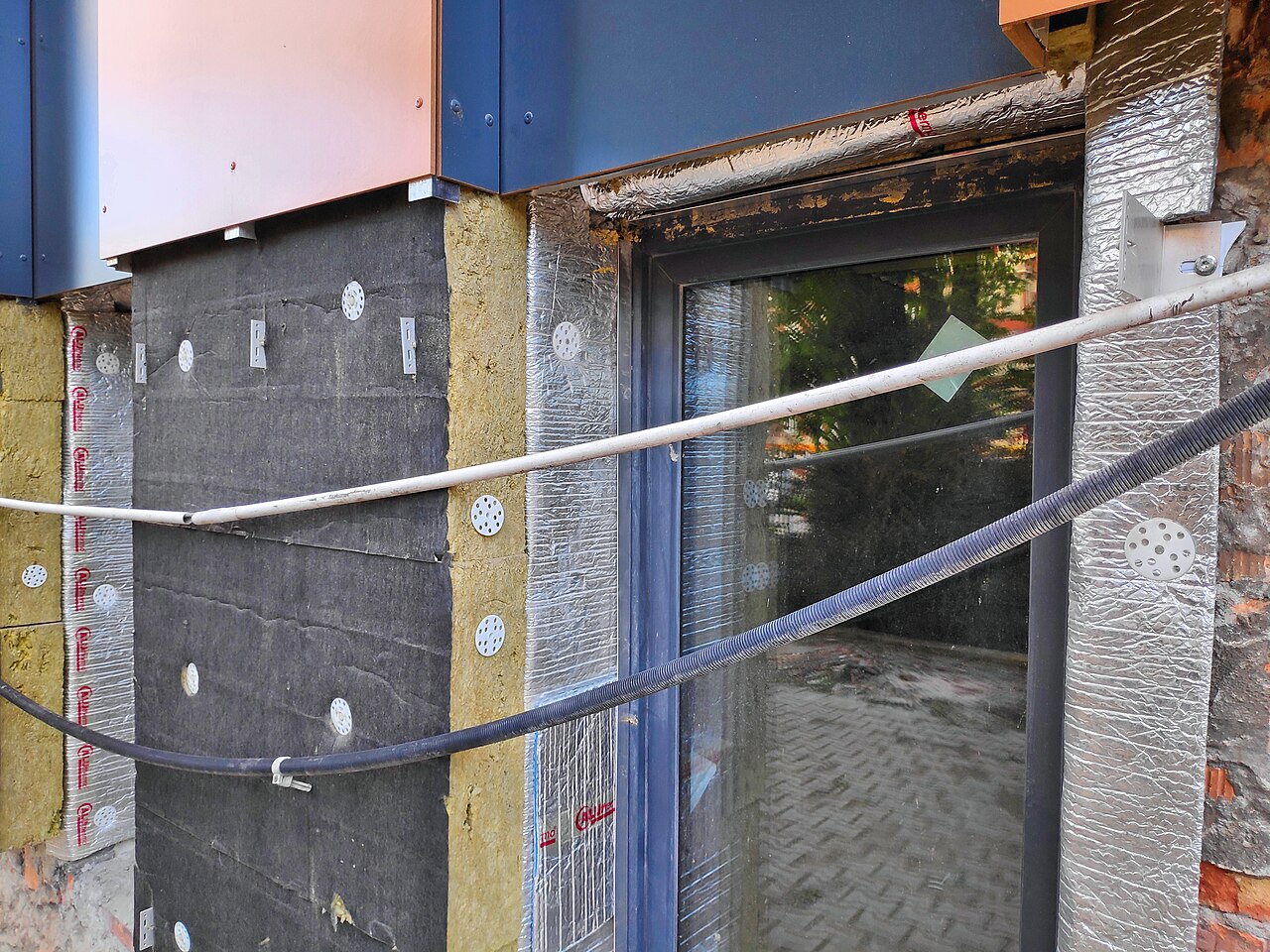
Exterior wall of a store wrapped in mineral-wool insulation during a thermal retrofit
Cities

Energy renovation of buildings

Buildings that leak heat all winter

Problem
The European Commission says roughly 75% of EU buildings have poor energy performance, yet the annual renovation rate is only around 1%. Households still use most of their energy for heat, cooling, and hot water.
Fix
Energy renovation is insulation, better windows, efficient heat or cooling, on-site renewables, and controls. The 2024 recast of the Energy Performance of Buildings Directive and the Renovation Wave aim to double that rate. The Commission says a deep renovation of a very poor building can cut energy use by as much as 80%. Non-residential worst performers face staged minimum standards; homes must cut average use 16% by 2030 versus 2020. Passports and one-stop shops are tools, not a guarantee. A coat of foam without ventilation or a heat source that matches the envelope is a half-job.
Explore solution →

Source: European Commission: energy renovation of buildings