
Crime
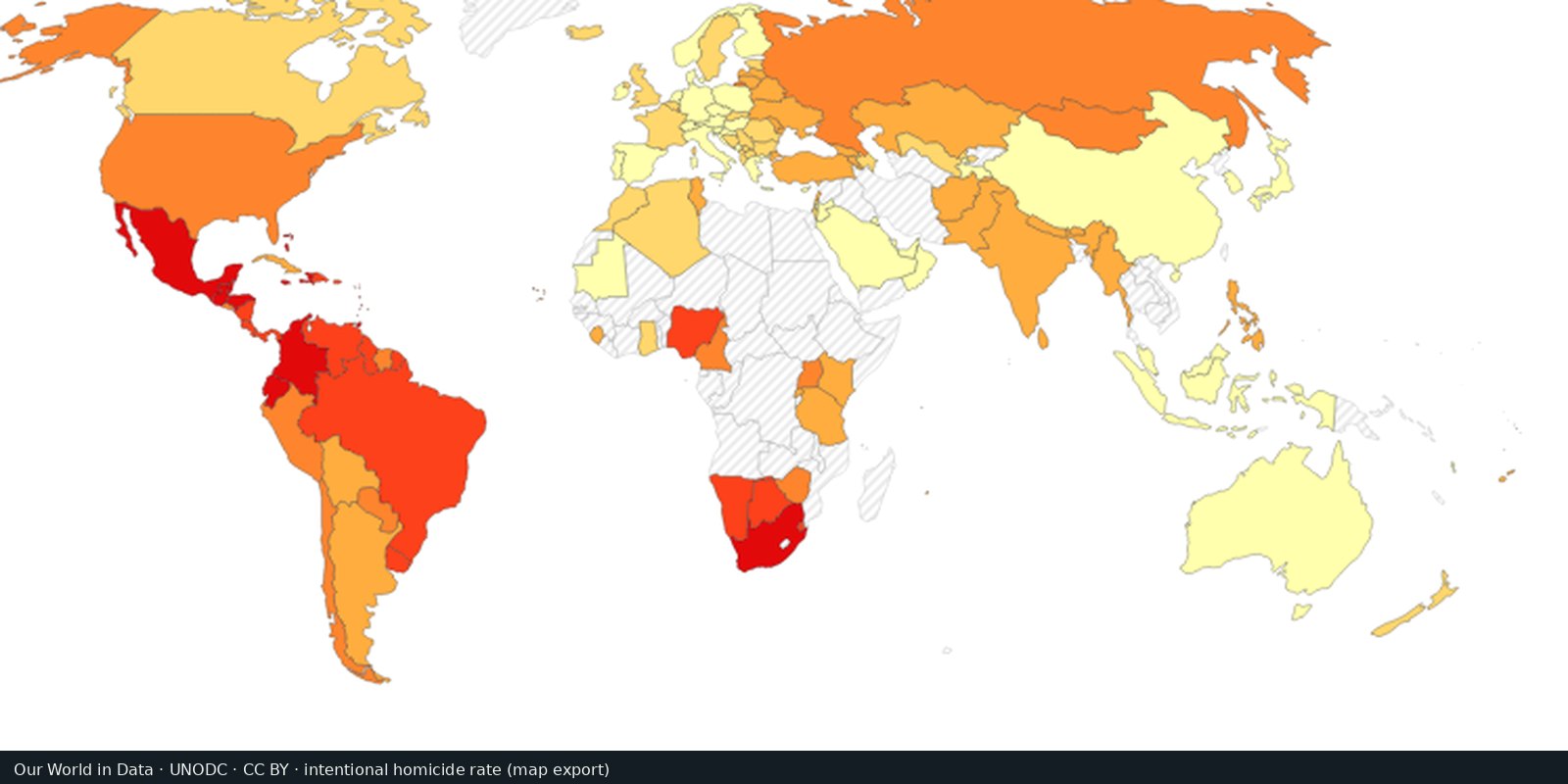
Intentional homicide rates
Comparable rates of intentional homicide from the UN Office on Drugs and Crime, one measure of violent crime.
Read the card →Country scores for criminal markets, criminal actors, and resilience: an expert-assessment heatmap of organized crime.
Global Initiative against Transnational Organized Crime (GI-TOC). Index 2025 (covers 2024).
The Global Initiative against Transnational Organized Crime (GI-TOC) rates 193 UN member states on criminality, criminal markets and criminal actors, and on resilience. The public tool is ocindex.net. The 2025 edition is the third; its assessment year is 2024. This card is a doorway to that expert composite, not a police-recorded crime rate and not a second UNODC homicide map.
Organized-crime criminality and resilience are a different object from intentional homicide rates. Do not fold this Index into the homicide card, and do not treat a dark country as a high homicide rate.
A country score is an expert composite, not a police-recorded rate and not a UNODC homicide figure. Criminal markets, criminal actors, and resilience are separate pillars. Open the official heatmap on ocindex.net for the current layer.
Coverage is expert assessment, not a census of offences. Definitions and evidence density differ by country. A high market score is not a high homicide rate.
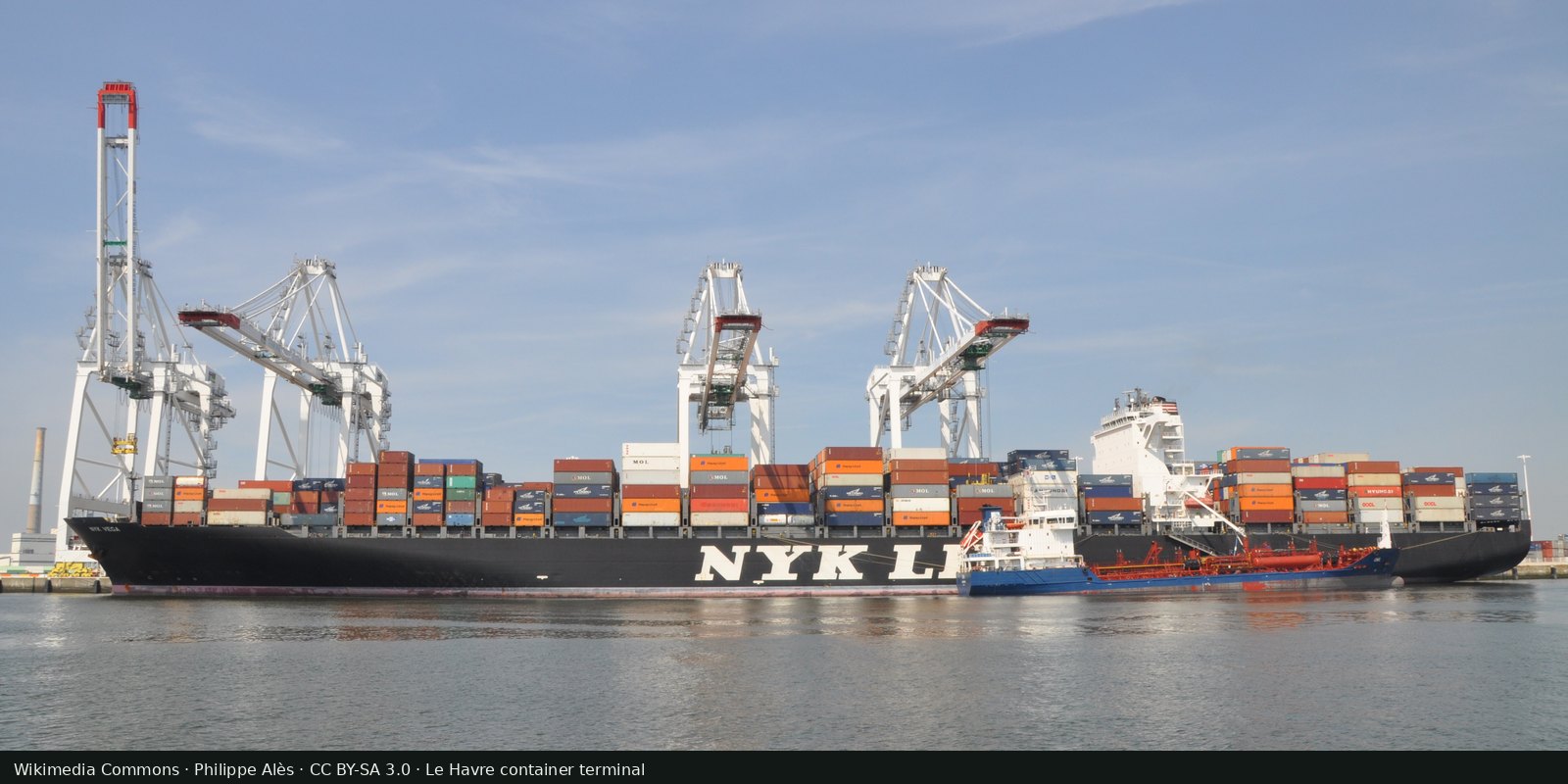
Photo: Philippe Alès, container ship at Le Havre (CC BY-SA 3.0). Not the GI-TOC Index heatmap, that layer is on ocindex.net.
Open source map → Comparable rates of intentional homicide from the UN Office on Drugs and Crime, one measure of violent crime.
Read the card →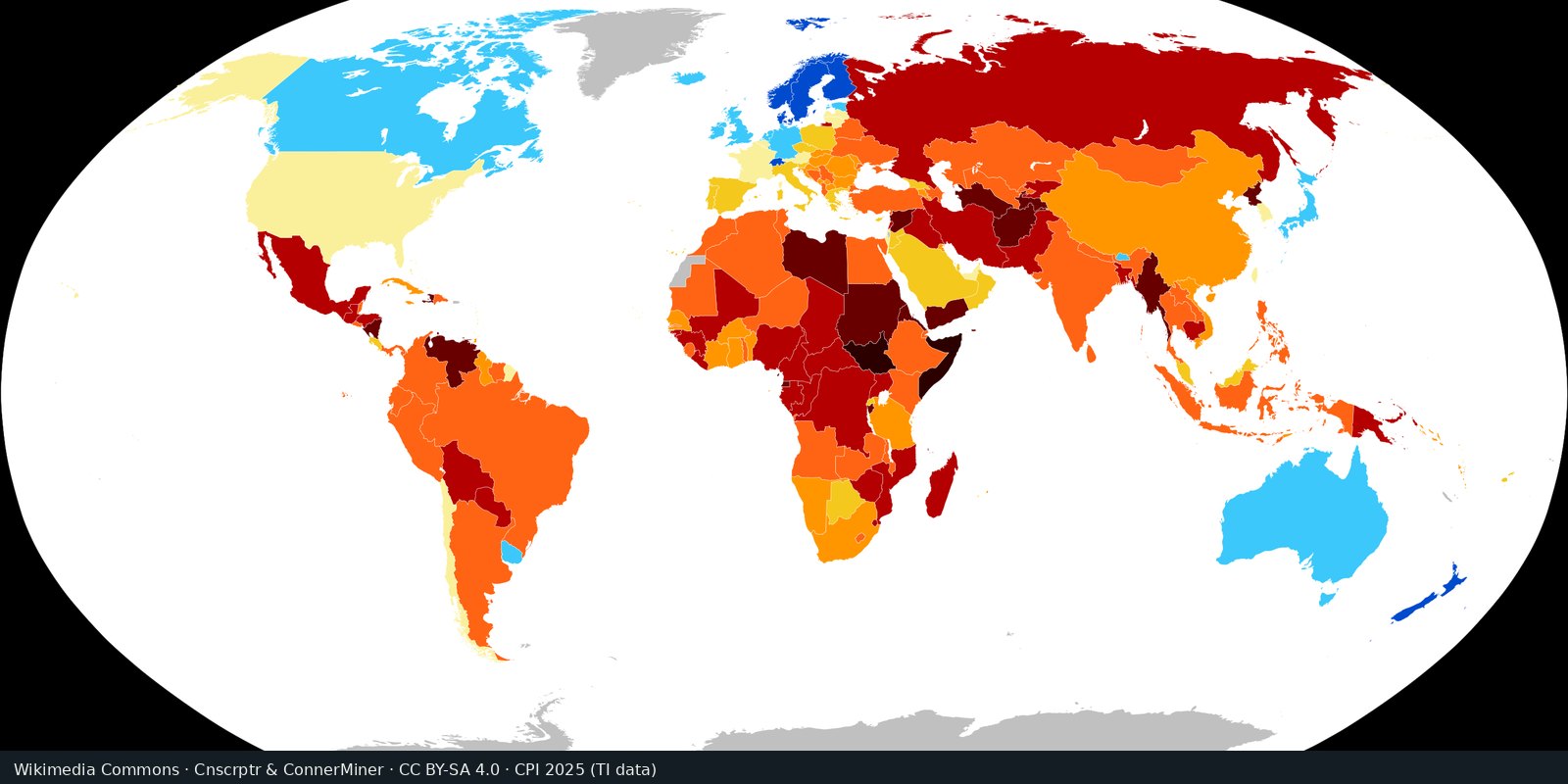
Perceived public-sector corruption on a scale from 0 to 100, from expert and business surveys: a measure of governance risk.
Read the card →
Detected victims of trafficking in persons, and the patterns in the UN Office on Drugs and Crime Global Report on Trafficking in Persons: exploitation and coercion.
Read the card →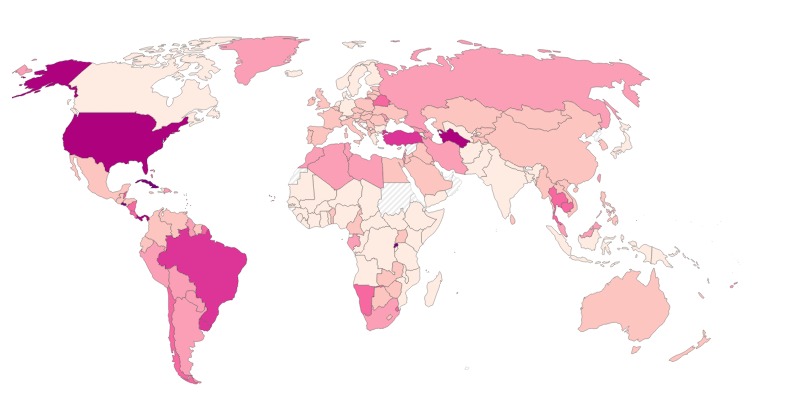
How many people each country holds in prison for every 100,000 residents, counting pre-trial detainees, from the World Prison Brief database.
Read the card →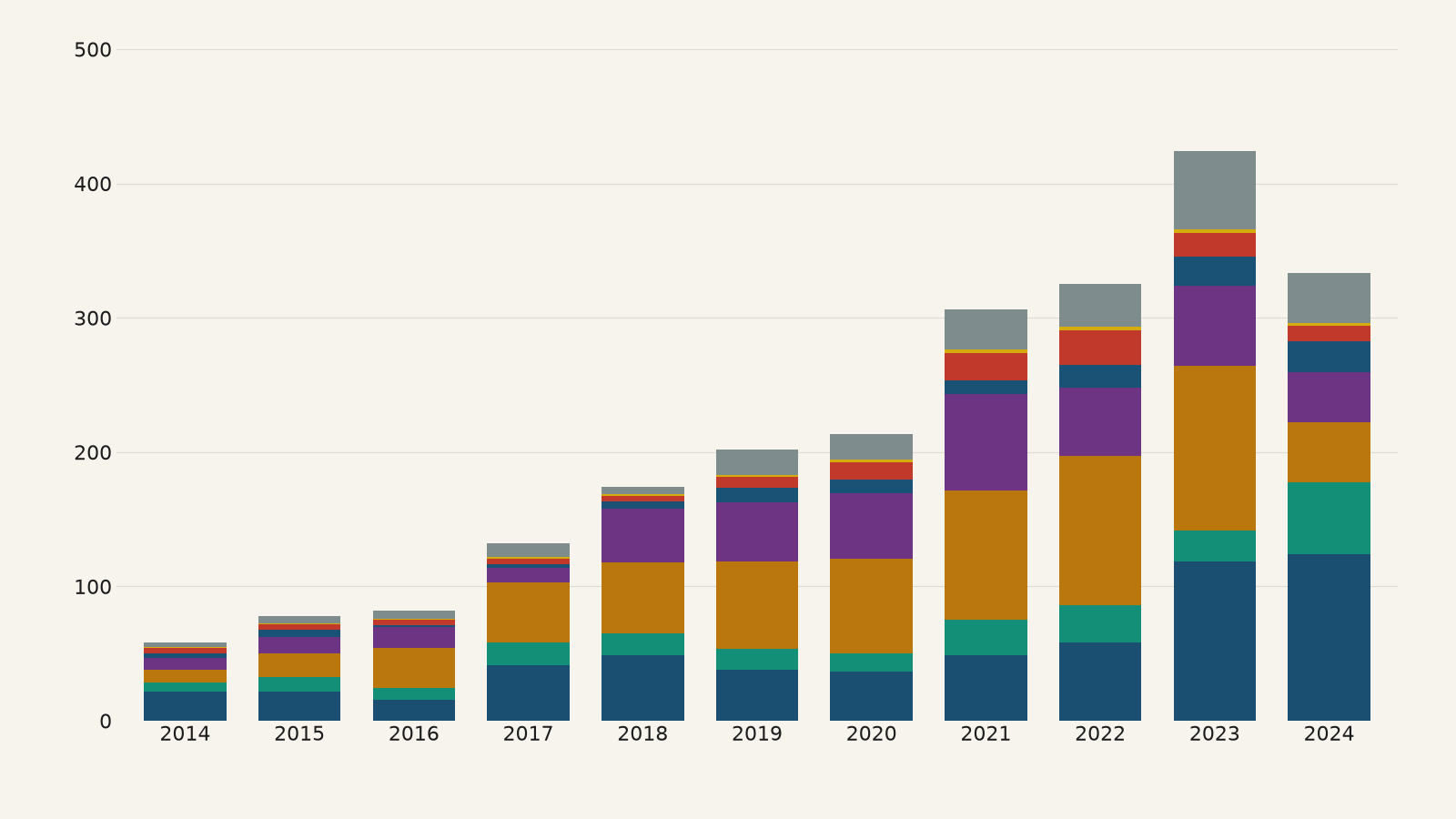
The main routes of cocaine, heroin and methamphetamine trafficking between world regions, mapped by the UN Office on Drugs and Crime from drug seizures reported for 2021 to 2024.
Read the card →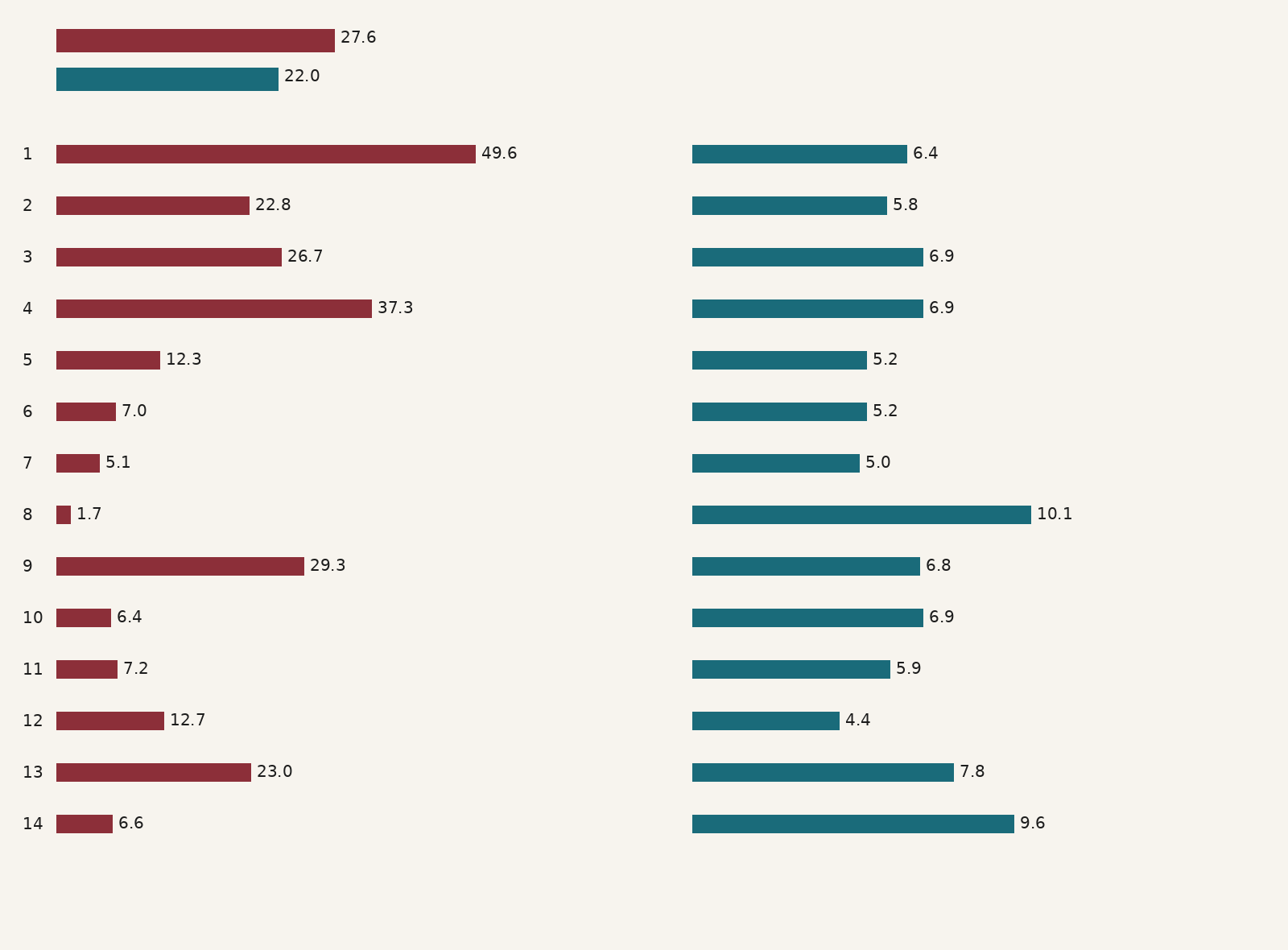
Estimated prevalence of modern slavery, meaning forced labour and forced marriage, in 160 countries, from Walk Free's Global Slavery Index, built on global estimates of about 50 million people in modern slavery in 2021.
Read the card →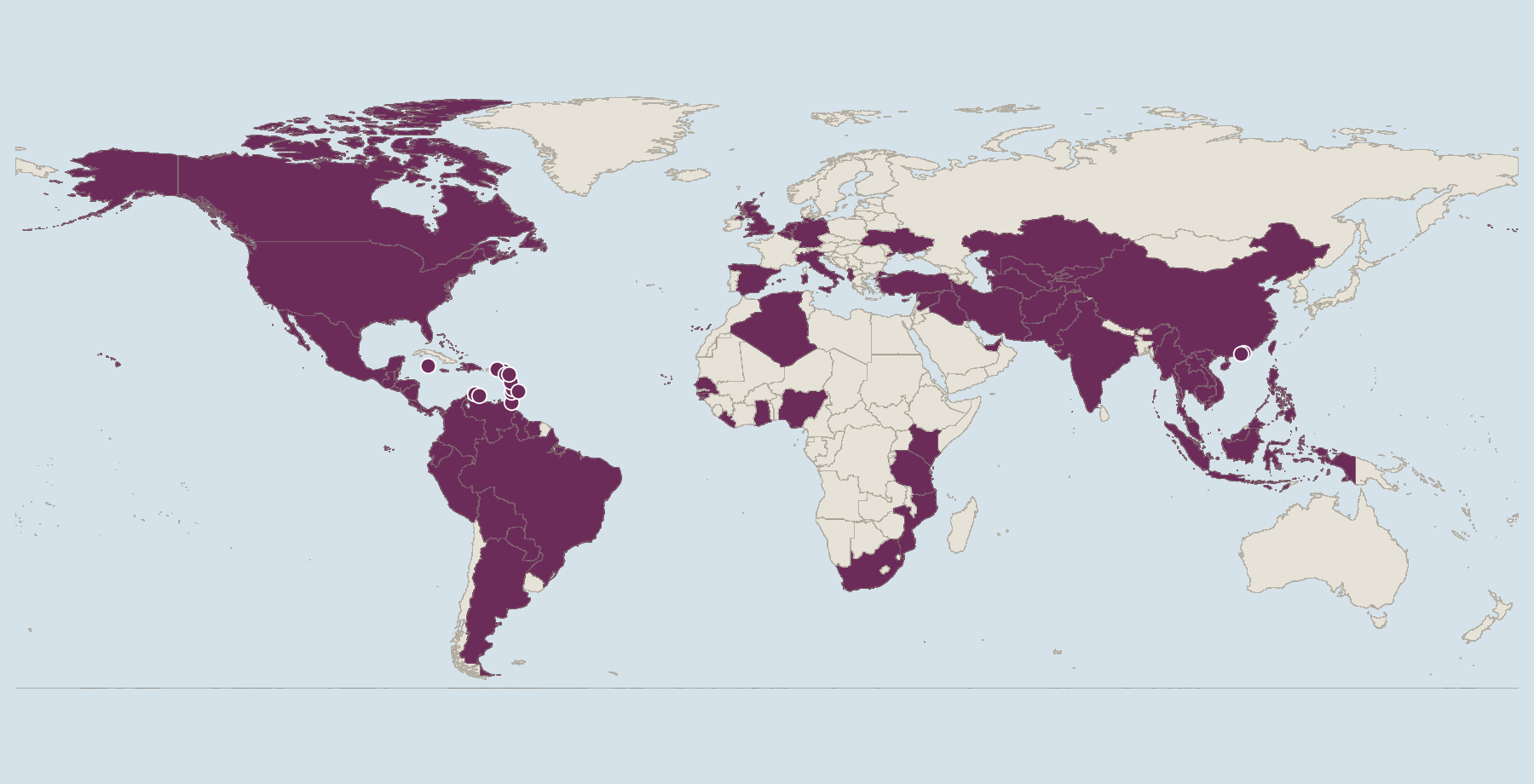
Risk scores from 0 to 10 for how exposed each country is to money laundering and related financial crime, and how well it can counter them, from the Basel Institute on Governance.
Read the card →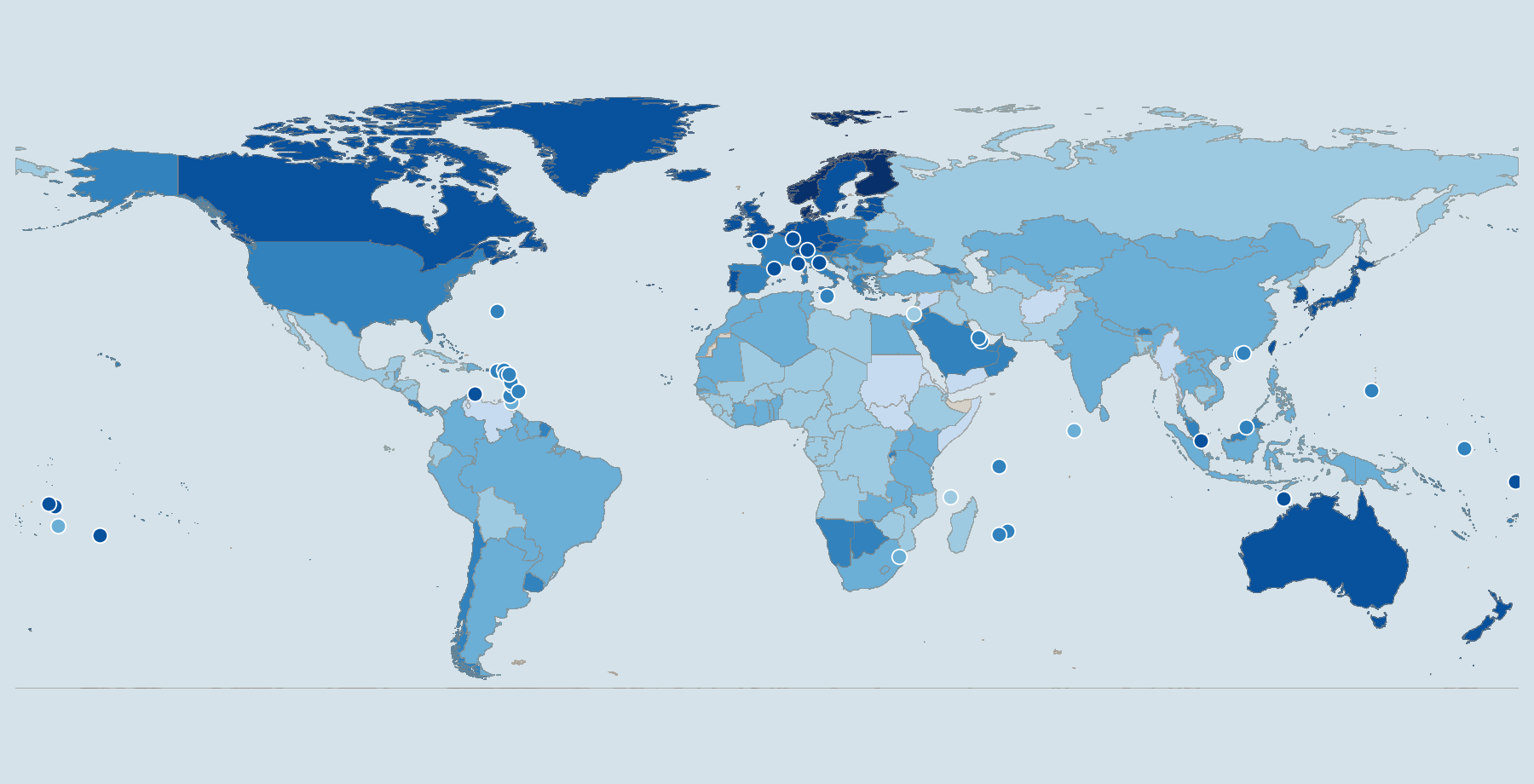
How people and legal experts in 143 countries experience limits on government power, corruption, open government, fundamental rights, order and security, regulation, and civil and criminal justice, scored from 0 to 1 by the World Justice Project.
Read the card →