
Insects
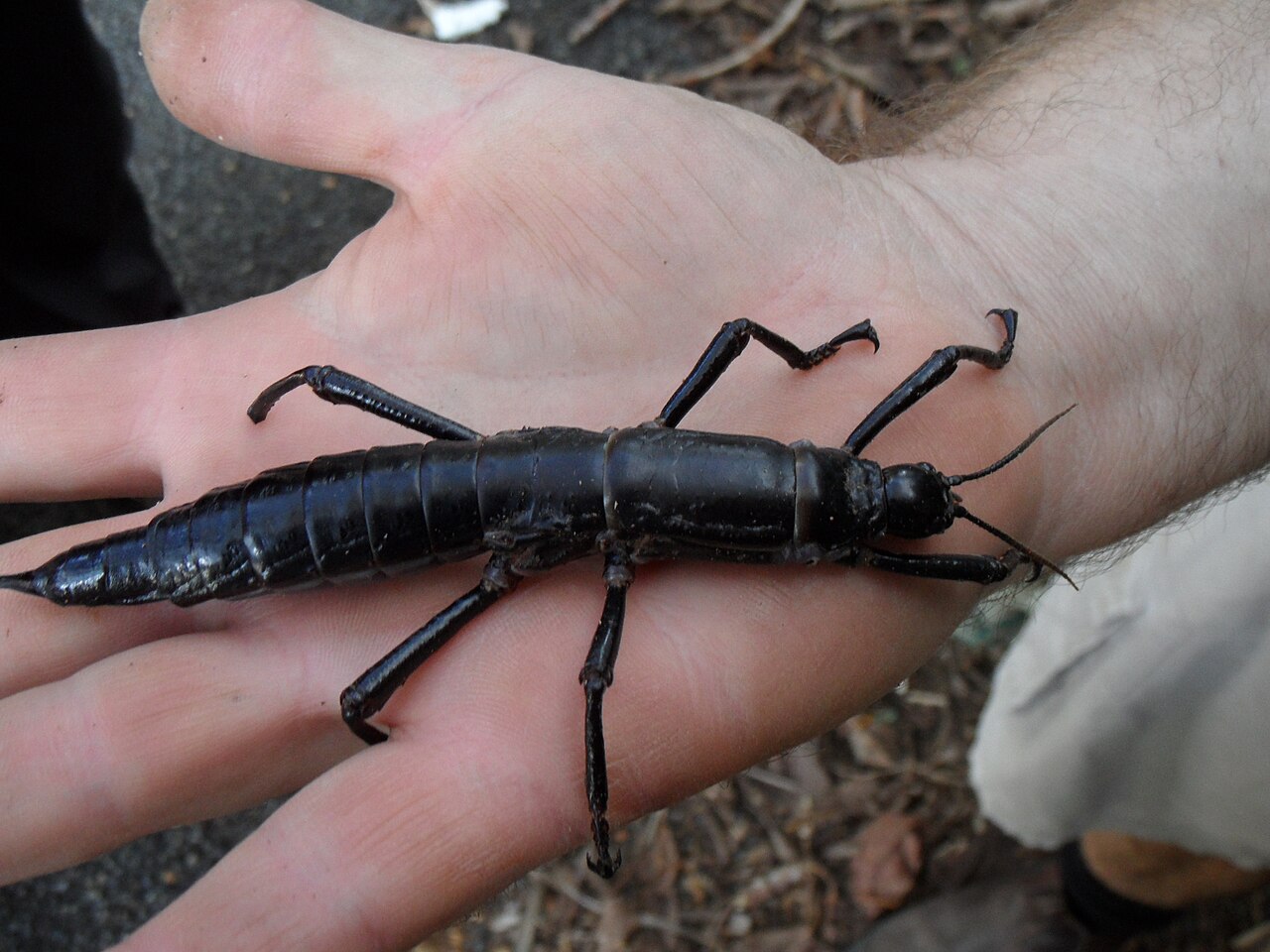
Lord Howe Island stick insect
Dryococelus australis
Thought extinct on Lord Howe after rats in 1918: a tiny wild population hangs on at Ball’s Pyramid.
Read entryInsects are most of animal life. This shelf is eleven named cases: a stick insect once written off, the world’s largest butterfly, a migrant whose listing changed with a model, two bumble bees, a carrion beetle, two European deadwood beetles, a fen dragonfly, a saline-wetland tiger beetle, and a giant wētā on predator-free islands.
Dryococelus australis
Thought extinct on Lord Howe after rats in 1918: a tiny wild population hangs on at Ball’s Pyramid.
Read entry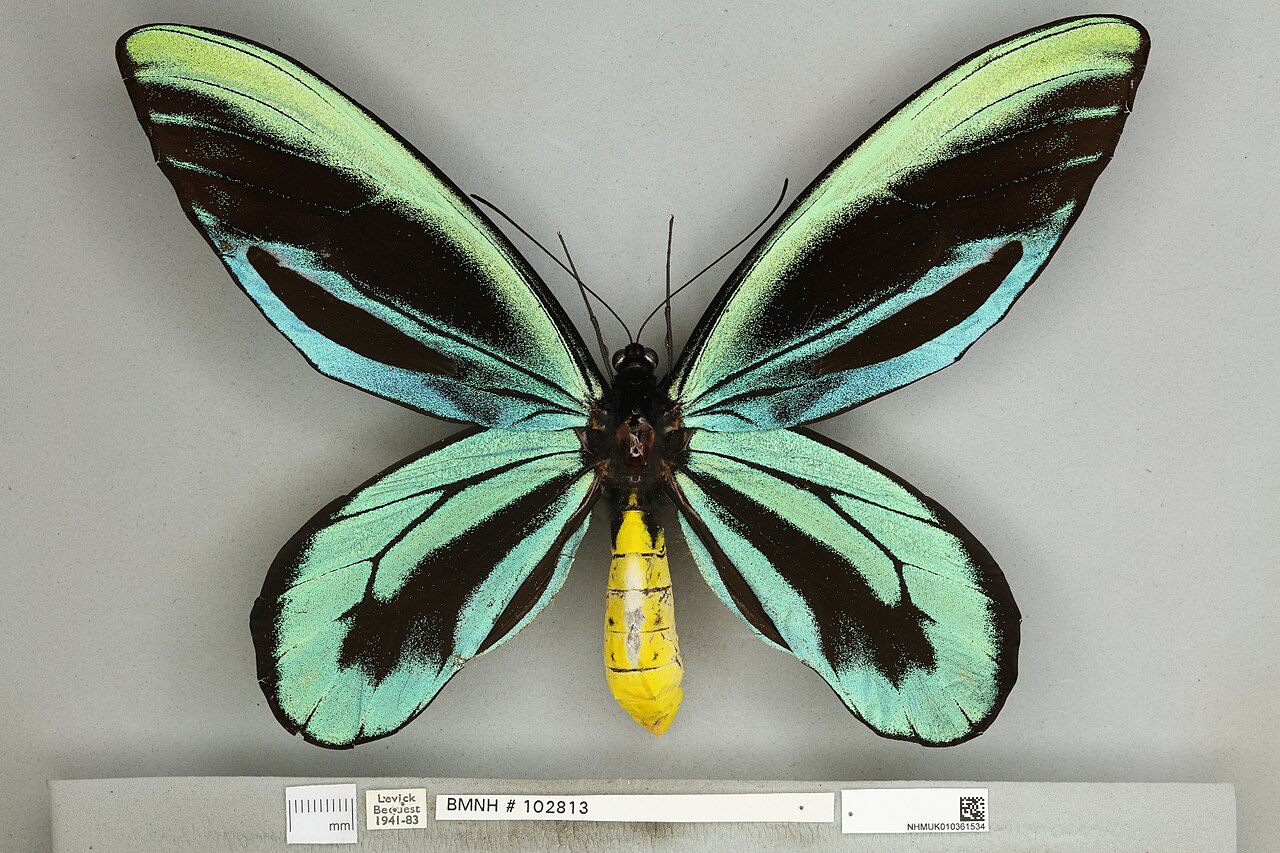
Ornithoptera alexandrae
The world’s largest butterfly: a Papua New Guinea endemic pressed by oil palm, logging, and trade.
Read entry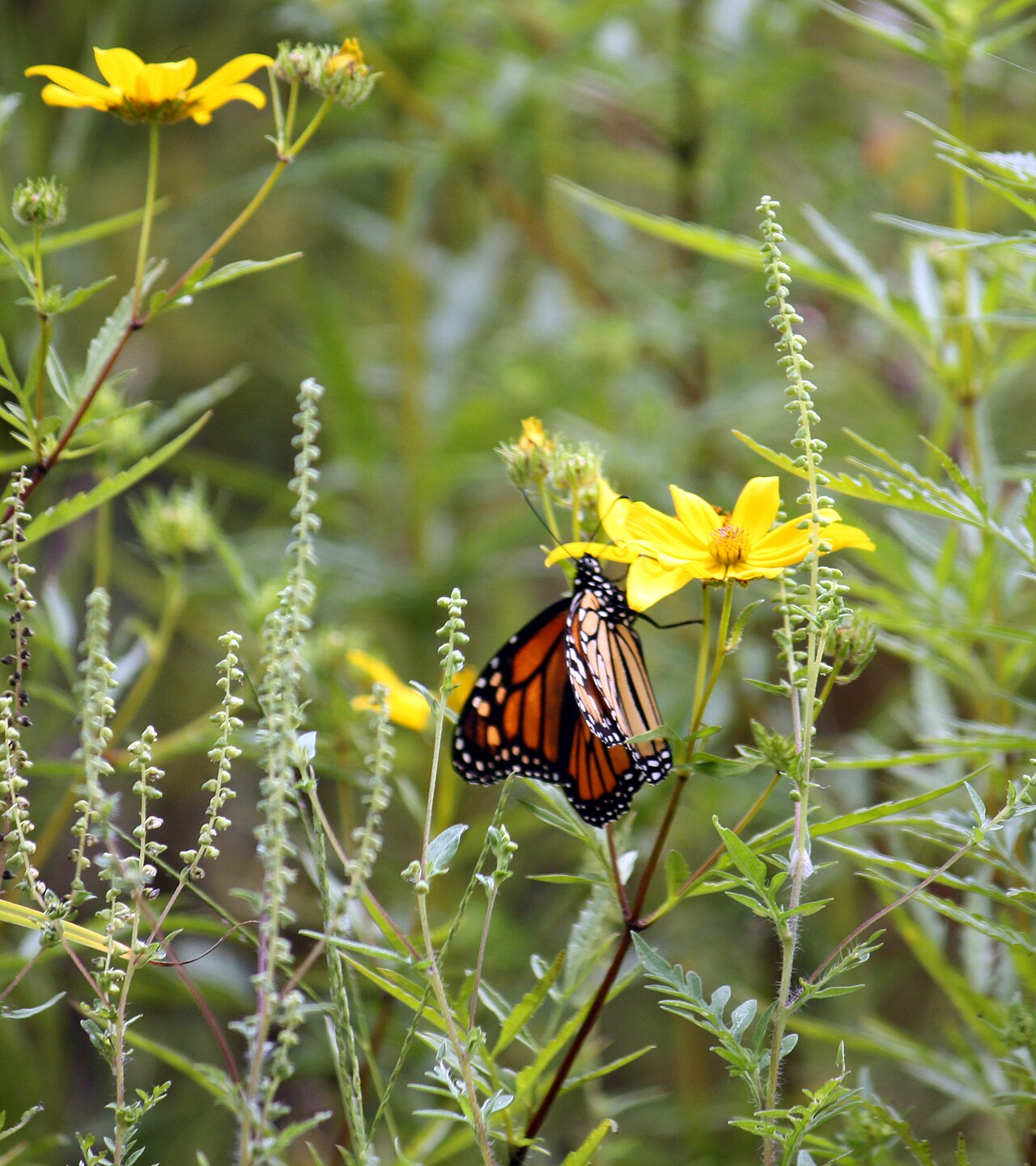
Danaus plexippus plexippus
IUCN moved the migratory subspecies from Endangered to Vulnerable in 2023: a model change, not a recovery.
Read entry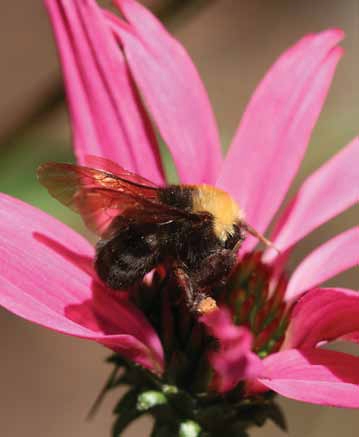
Bombus franklini
A bumble bee of a tiny Oregon-California range that collapsed in the 1990s-2000s.
Read entry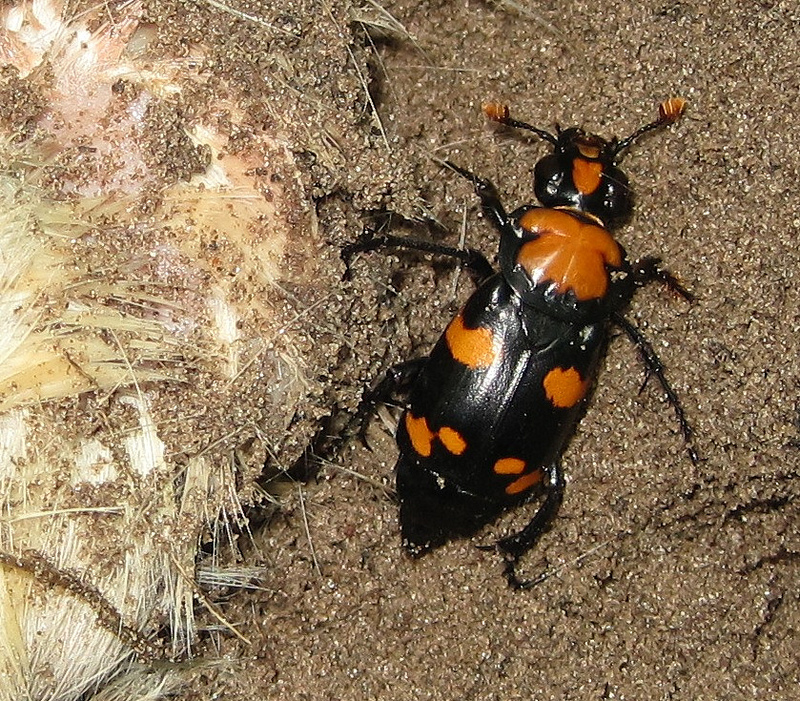
Nicrophorus americanus
A carrion specialist with remnant U.S. populations, listed under the Endangered Species Act.
Read entrySource: U.S. Fish and Wildlife Service: American burying beetle
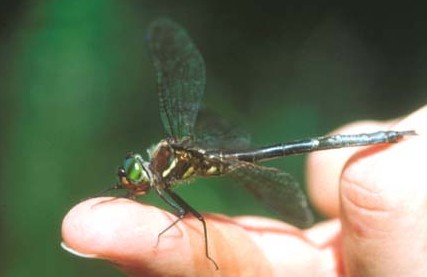
Somatochlora hineana
A dragonfly of calcareous fens in the U.S. Midwest: federally listed, groundwater-dependent.
Read entry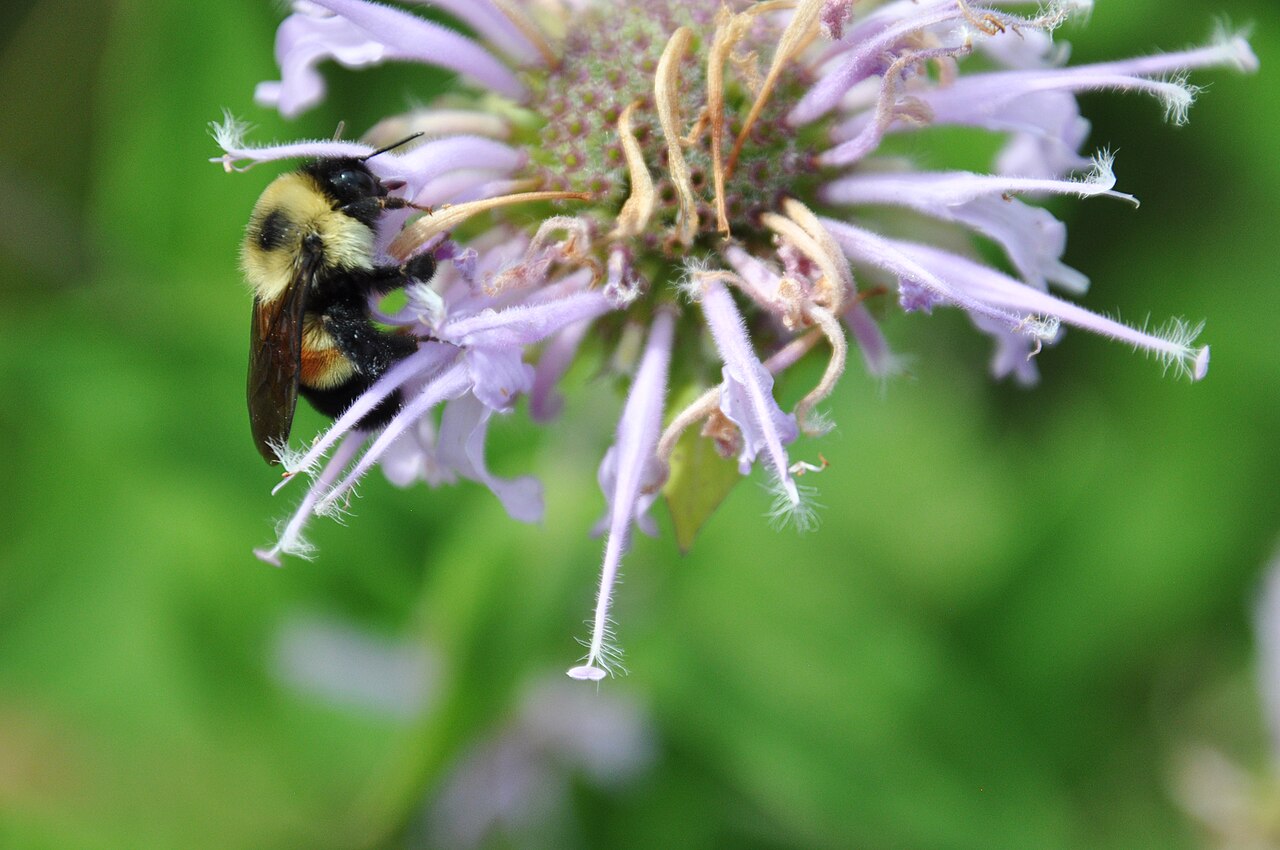
Bombus affinis
Once common across the eastern United States and southern Canada; after a steep early-2000s crash it was listed under the U.S. Endangered Species Act in 2017, and recent records cover only about 13 U.S. states plus one Canadian province.
Read entrySource: U.S. Fish and Wildlife Service: Rusty patched bumble bee
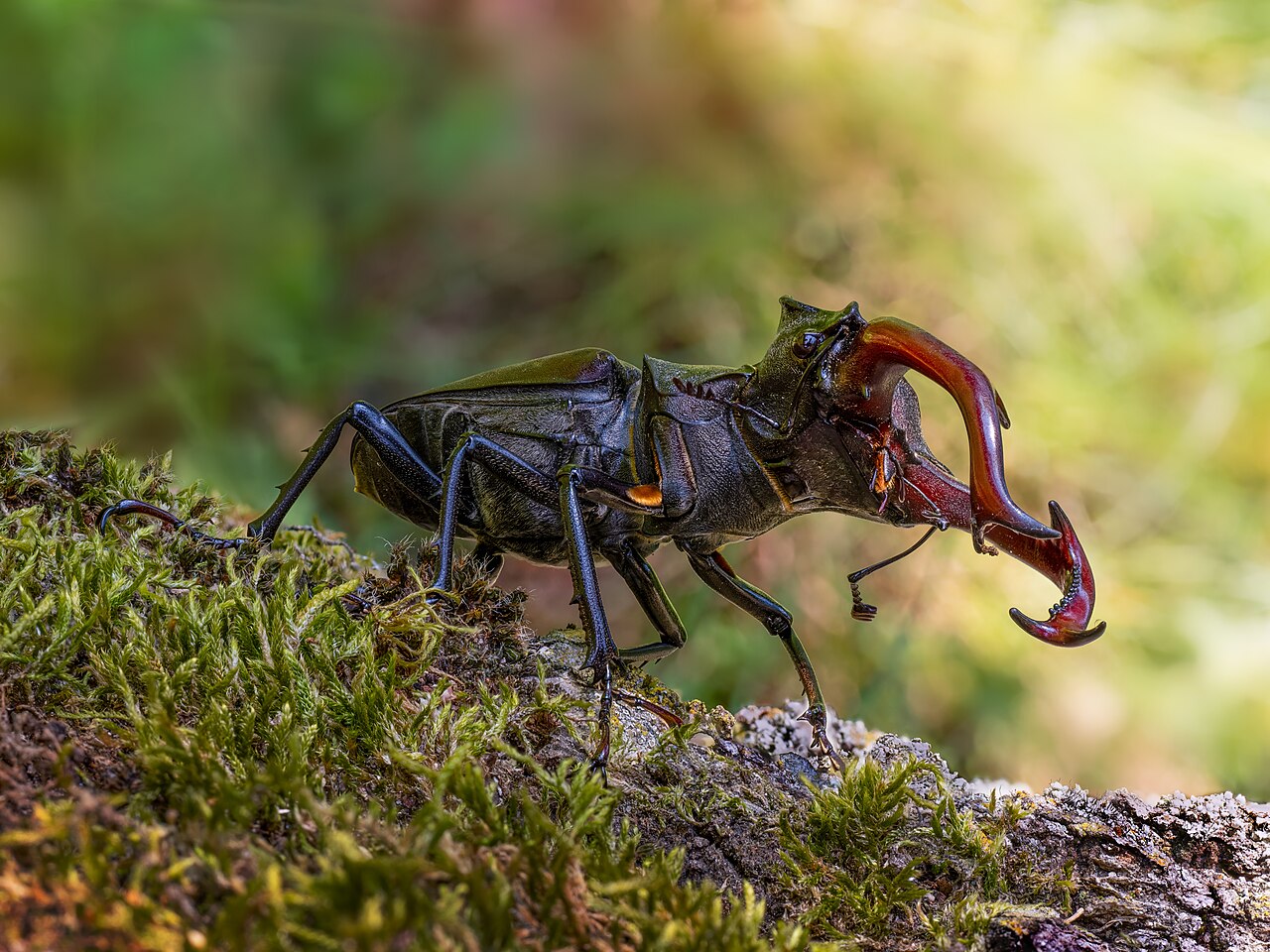
Lucanus cervus
Europe’s largest beetle and a Habitats Directive flagship for rotting broadleaf wood: IUCN’s 2023 Europe / EU27 assessment lists it Near Threatened as breeding habitat keeps shrinking even while citizen-science records rise.
Read entry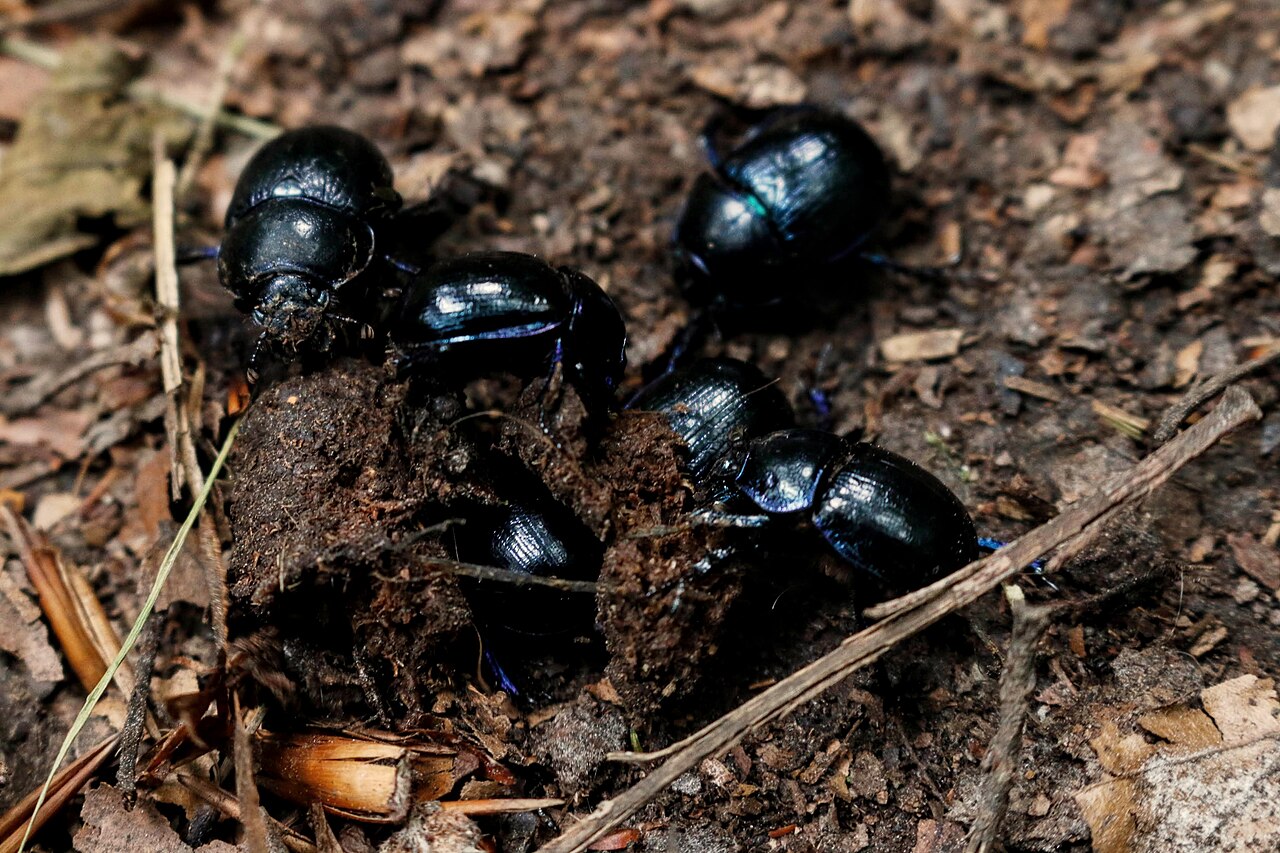
Osmoderma eremita
A scarab that lives almost its whole life in the wood mould of old hollow trees across Europe: IUCN (2023) lists it Near Threatened because veteran trees are still being lost and the next generation of hollows is decades behind.
Read entry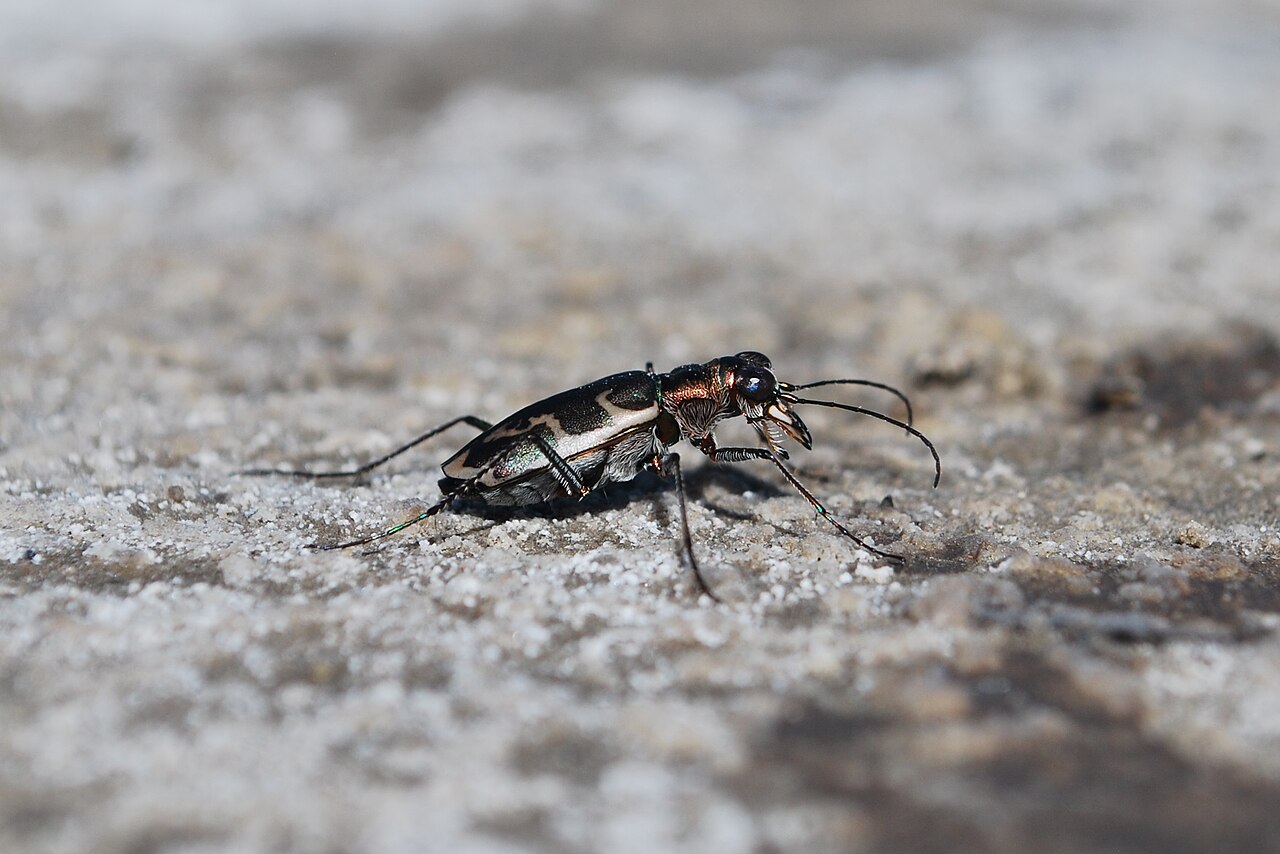
Cicindela nevadica lincolniana
A tiger beetle endemic to eastern Nebraska’s salt flats: after wetland drainage around Lincoln, intensive surveys since 1991 have counted as few as 153 adults (2005) and a peak of 777 (2002), all in a handful of remnant sites.
Read entrySource: U.S. Fish and Wildlife Service: Salt Creek tiger beetle
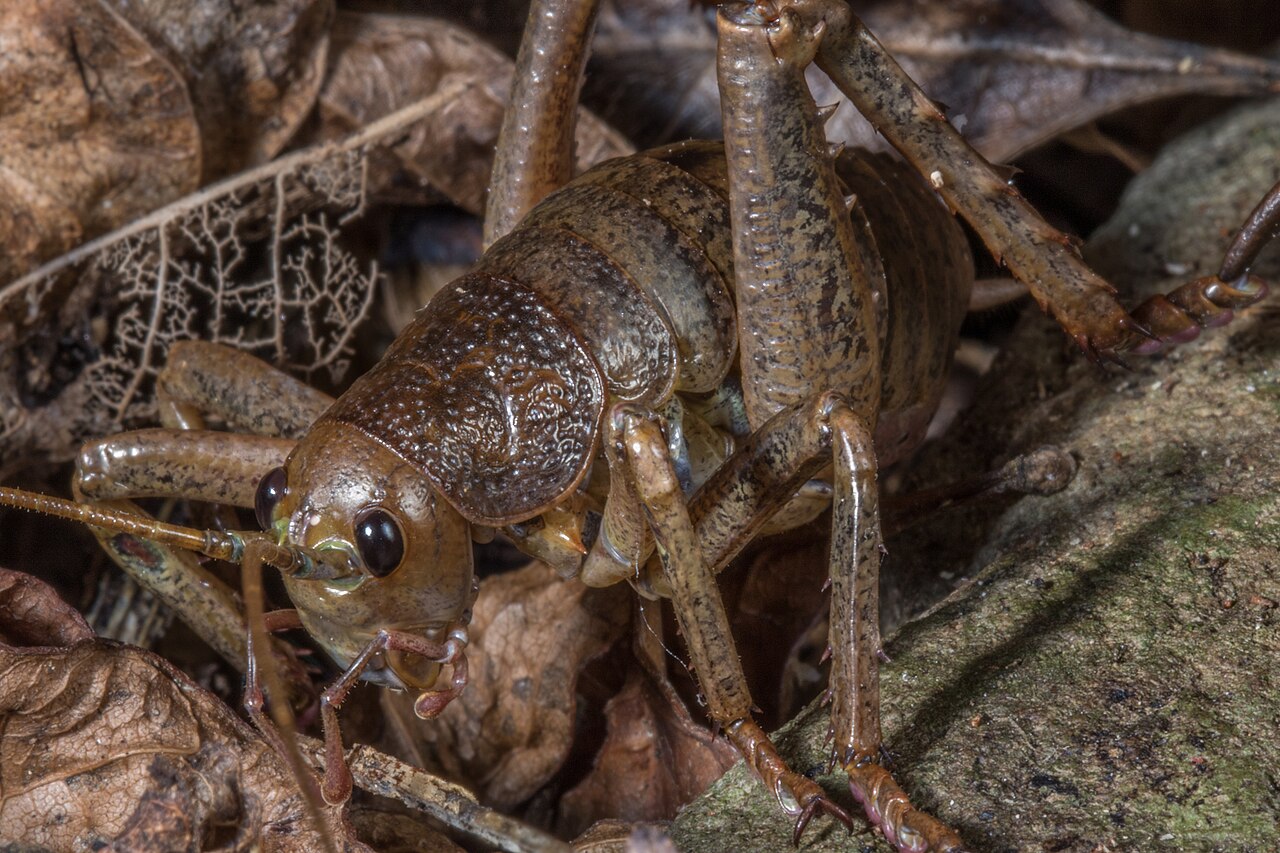
Deinacrida heteracantha
New Zealand’s largest wētā: once reduced to Hauturu-o-Toi / Little Barrier, then bred and moved: Auckland Zoo and partners have released more than 5,000 animals onto predator-free islands, and NZTCS now rates the species Nationally Increasing (still Threatened / conservation-dependent).
Read entry