Encyclopedia

Wildlife

Our species first — where we arose, where we went, and how the largest animals changed after we arrived as a new predator.

A modern adult human standing in a meadow, a respectful naturalistic figure representing Homo sapiens — not a portrait of a named person
Our species

Homo sapiens

Appeared
About 300,000 years ago in Africa. Fossils from Jebel Irhoud, Morocco, date to around 315,000 years; genetic and fossil work places the origin of Homo sapiens on that continent at about 300,000 years. Africa later lost a relatively small share of its large-mammal genera (about 18–21 percent in the usual compilations), the usual reading being that many of those animals had already lived alongside hominins.
Population today
About 8.2 billion people in 2025 (United Nations, World Population Prospects 2024, medium variant). The same revision put the mid-2024 world total at 8.2 billion. It is an official estimate, not a census of every person.

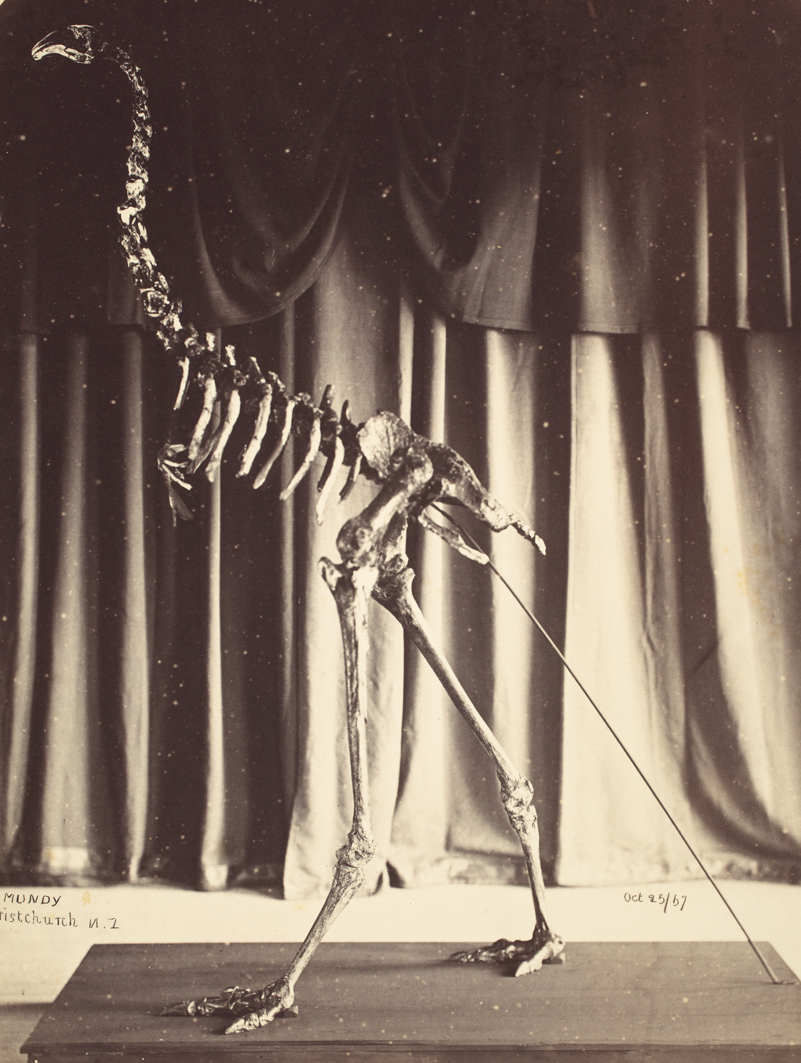
Where people arrived as a new predator, most of the largest animals disappeared within a few thousand years. The wave is not one date — it follows us: Australia about 50,000–40,000 years ago, the Americas about 15,000–10,000, islands in the last few thousand, and it has not stopped. On continents entered for the first time, about 70–90 percent of large-animal genera vanished (animals typically 44 kg and up). That is not 90 percent of all animals on Earth. About 20,000–15,000 years is when people reached the Americas — not when our species began, and not when people reached Australia.

Our species

Where we went, and when

Large-animal loss follows this path. Percentages below are genera of large mammals, not of all animal species.

Where we went, and when Large-animal loss follows this path. Percentages below are genera of large mammals, not of all animal species. Arrival ranges, not exact years. Africa’s lower loss is the usual reading: animals there co-evolved with hominins. Continent percentages after Barnosky 2008 (and summaries such as Our World in Data; see also Andermann et al. 2020); Australia’s early site Madjedbebe, Clarkson et al. 2017. Human arrival fits the Late Quaternary pattern better than climate alone (Sandom et al. 2014); some species, including woolly mammoth, still need both. 1 ~300,000 years 2 ~70–50 thousand 3 ~65–50 thousand 4 ~45–40 thousand 5 ~20–15 thousand 6 islands · NZ ~700 years
  1. Africa · origin ~300,000 years ago ~18–21% of large-mammal genera lost
  2. Out of Africa · ~70,000–50,000
  3. Australia / Sahul · ~65,000–50,000 ~88%
  4. Eurasia · ~45,000–40,000 ~35%
  5. Americas · ~20,000–15,000 ~72% / ~83%
  6. Later islands · last few thousand years (New Zealand ~700)

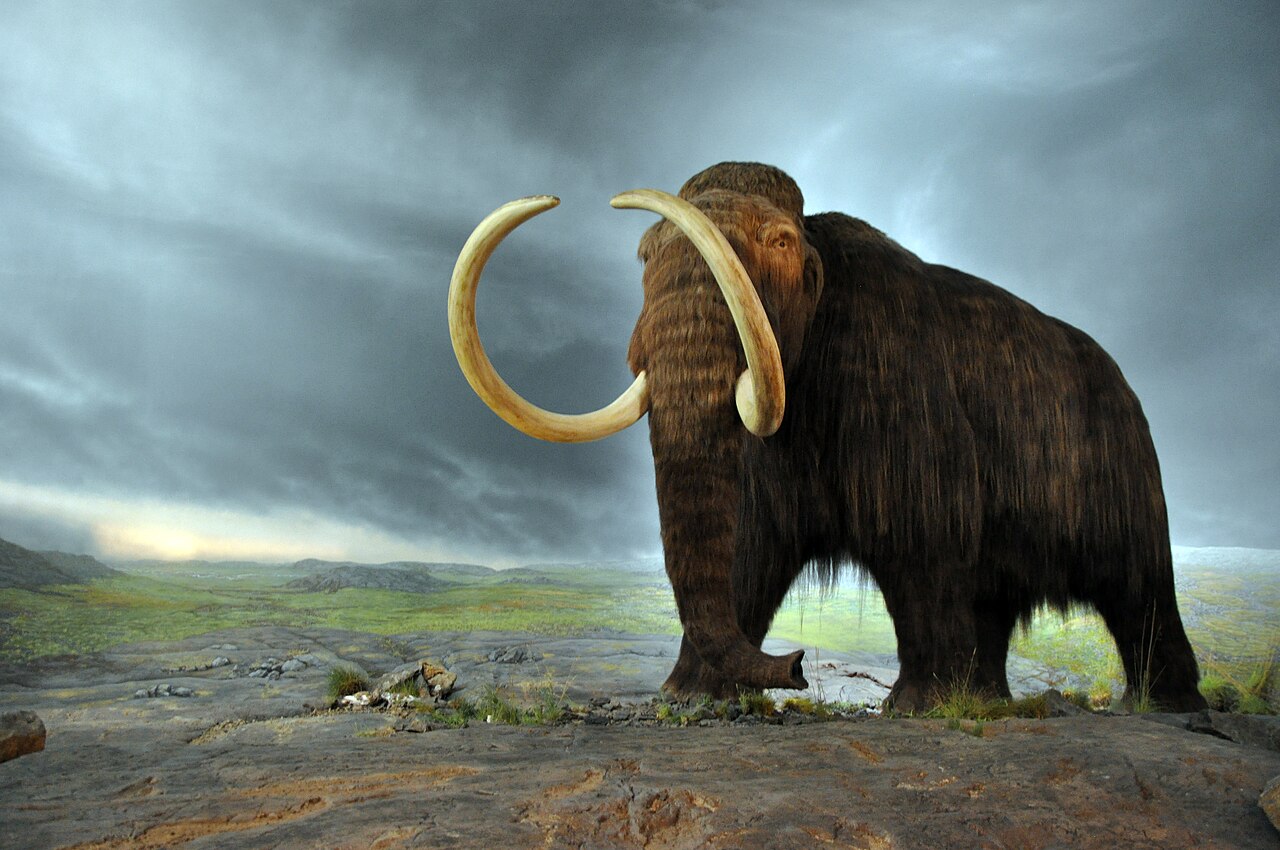
Arrival ranges, not exact years. Africa’s lower loss is the usual reading: animals there co-evolved with hominins. Continent percentages after Barnosky 2008 (and summaries such as Our World in Data; see also Andermann et al. 2020); Australia’s early site Madjedbebe, Clarkson et al. 2017. Human arrival fits the Late Quaternary pattern better than climate alone (Sandom et al. 2014); some species, including woolly mammoth, still need both.

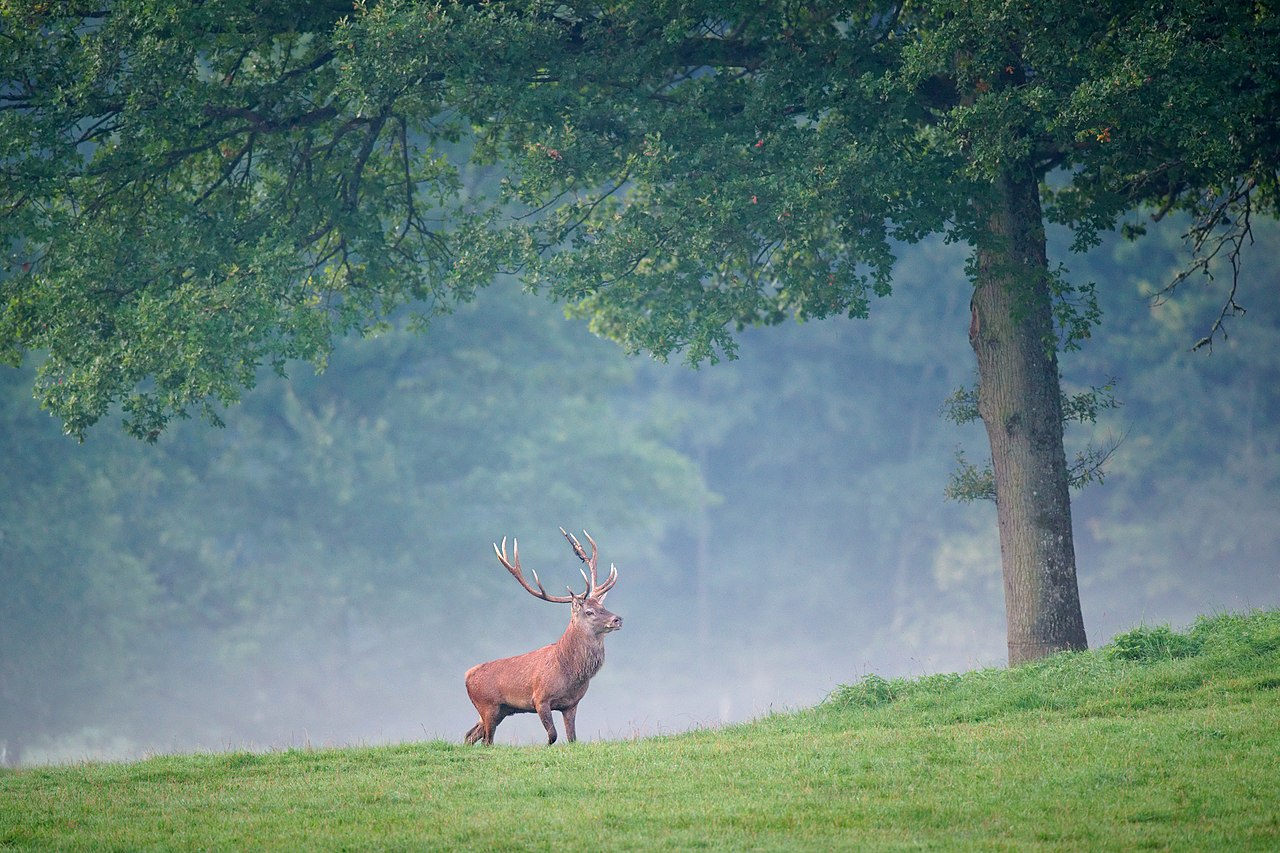
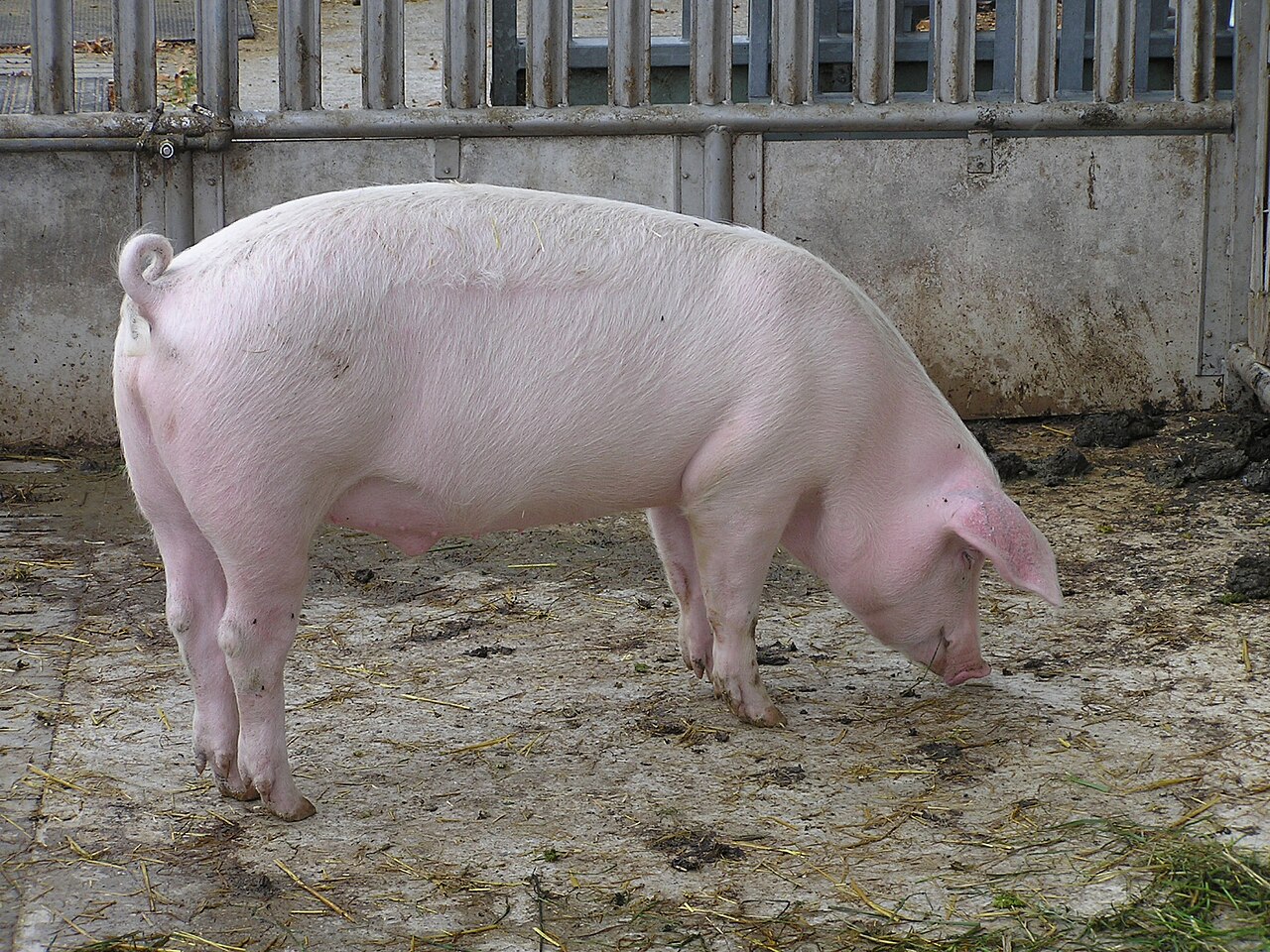
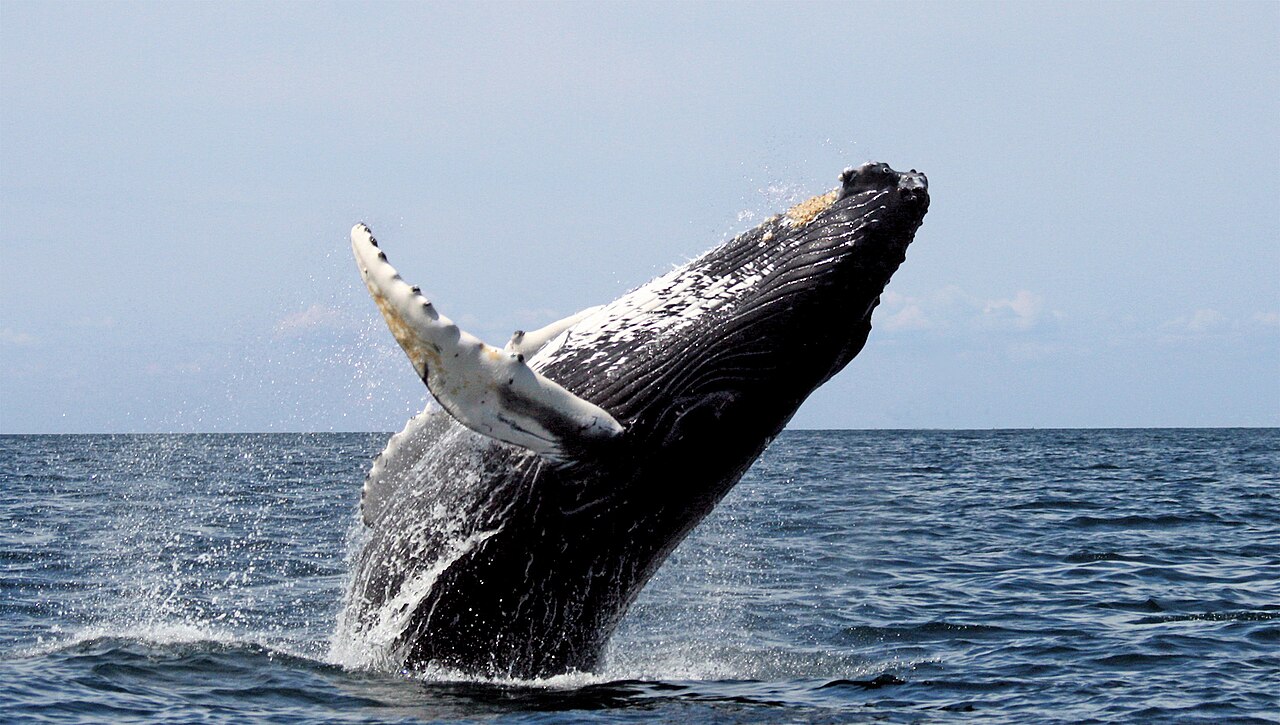
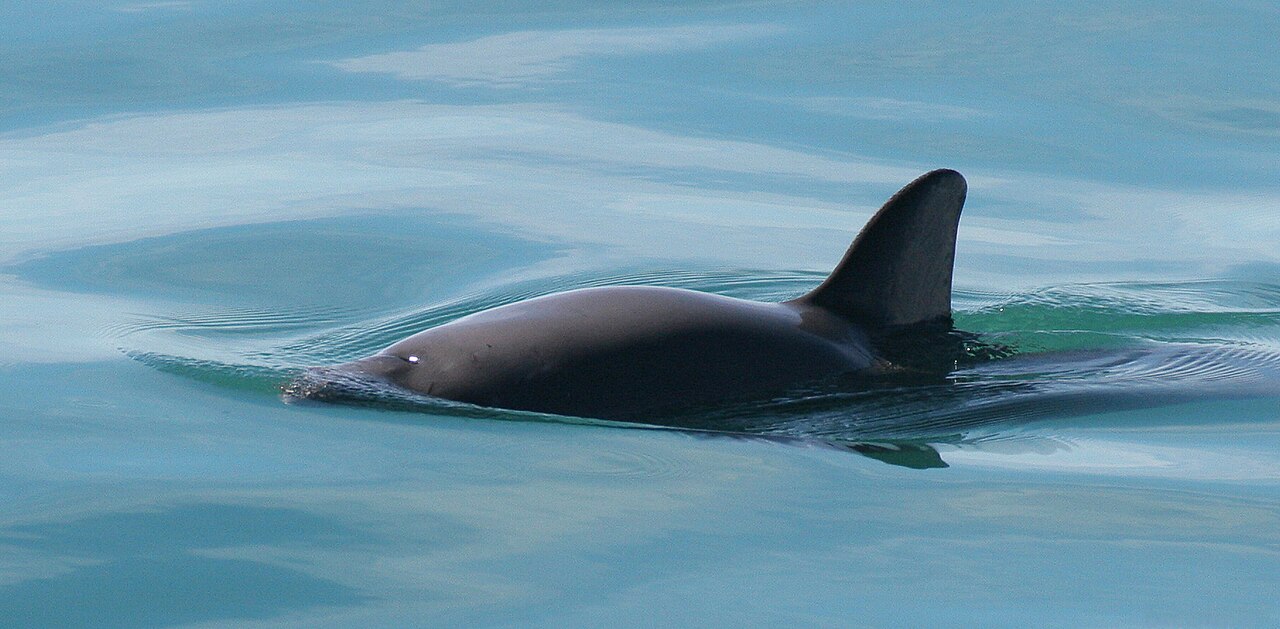
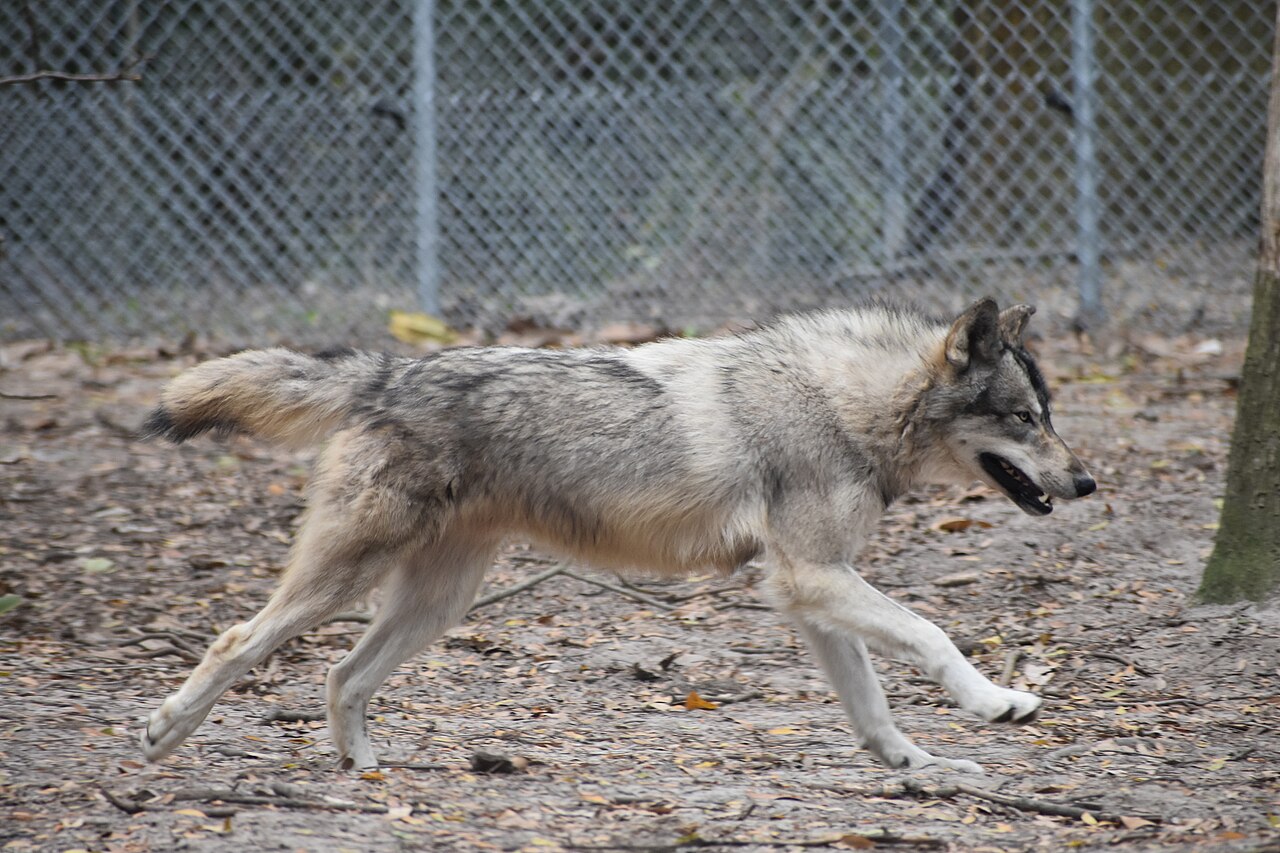
Still here, with ranges or numbers that shifted after people spread — hunting, farms, later recovery, or boom. The dates differ by continent.