← Solutions

Waste

Sorting, recycling, organics, and energy recovery already running at municipal scale. Five ways to reduce waste and recover materials: deposit-return systems for drinks containers, extended producer responsibility for packaging, collection and recycling of electronic waste and lithium-ion batteries, and ways to stop edible food from being thrown away.

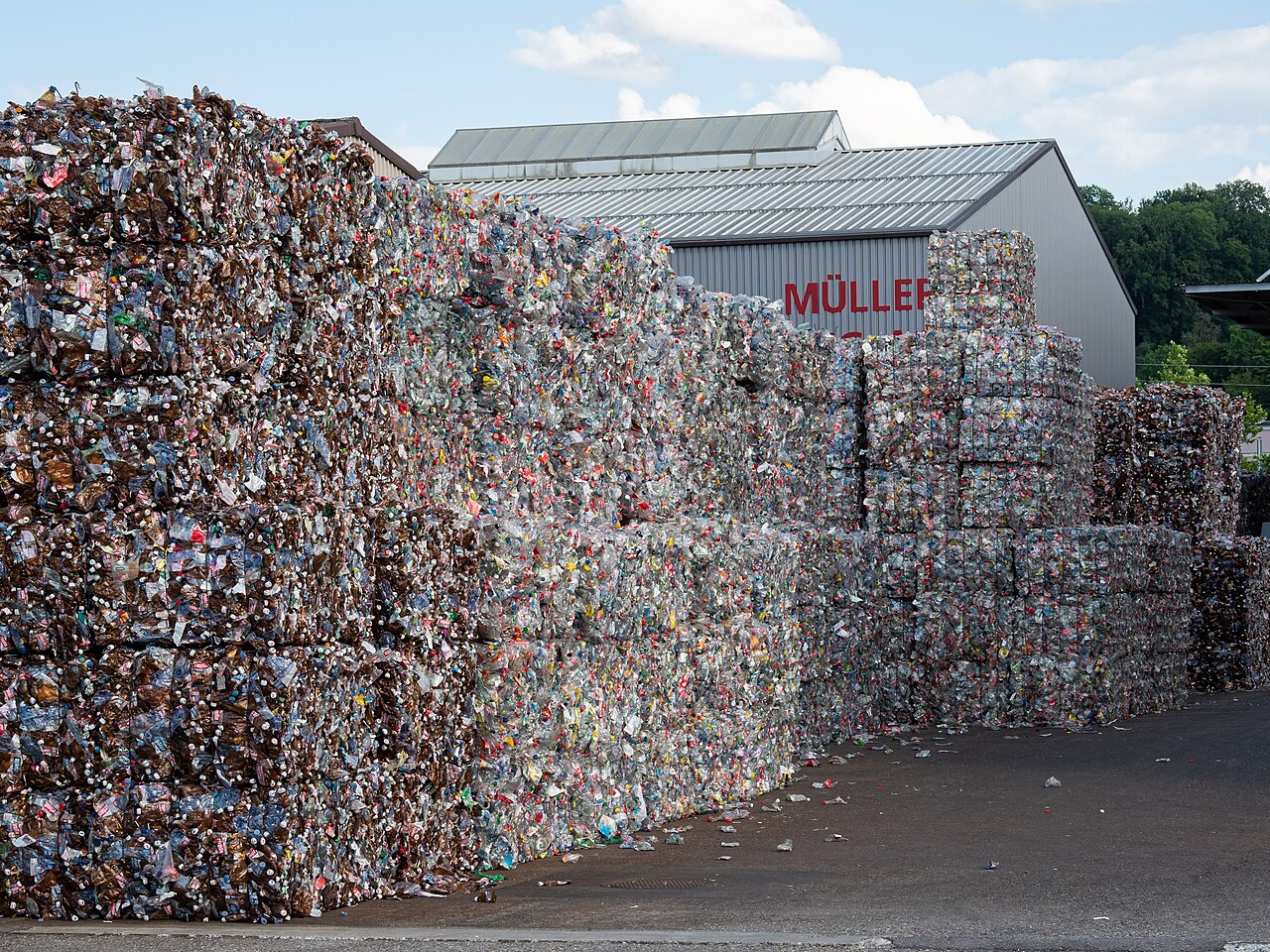
Stacked bales of compressed plastic drink bottles in the yard of a recycling plant
Waste

Bottle-to-bottle recycling

Single-use plastic drink bottles

Problem
Clear plastic drink bottles are designed for a short life. Most still become landfill, incinerator fuel, or downcycled fiber after one use.
Fix
Mechanical recycling with deposit return and super-clean washing already turns bottles back into food-grade bottles in the European Union and other deposit regions. Collection and sorting decide the result more than the extruder. Colored and mixed plastics still drop out. The number of new bottles on shop shelves still sets how much material comes back.
Explore solution →

Source: Ellen MacArthur Foundation, plastics

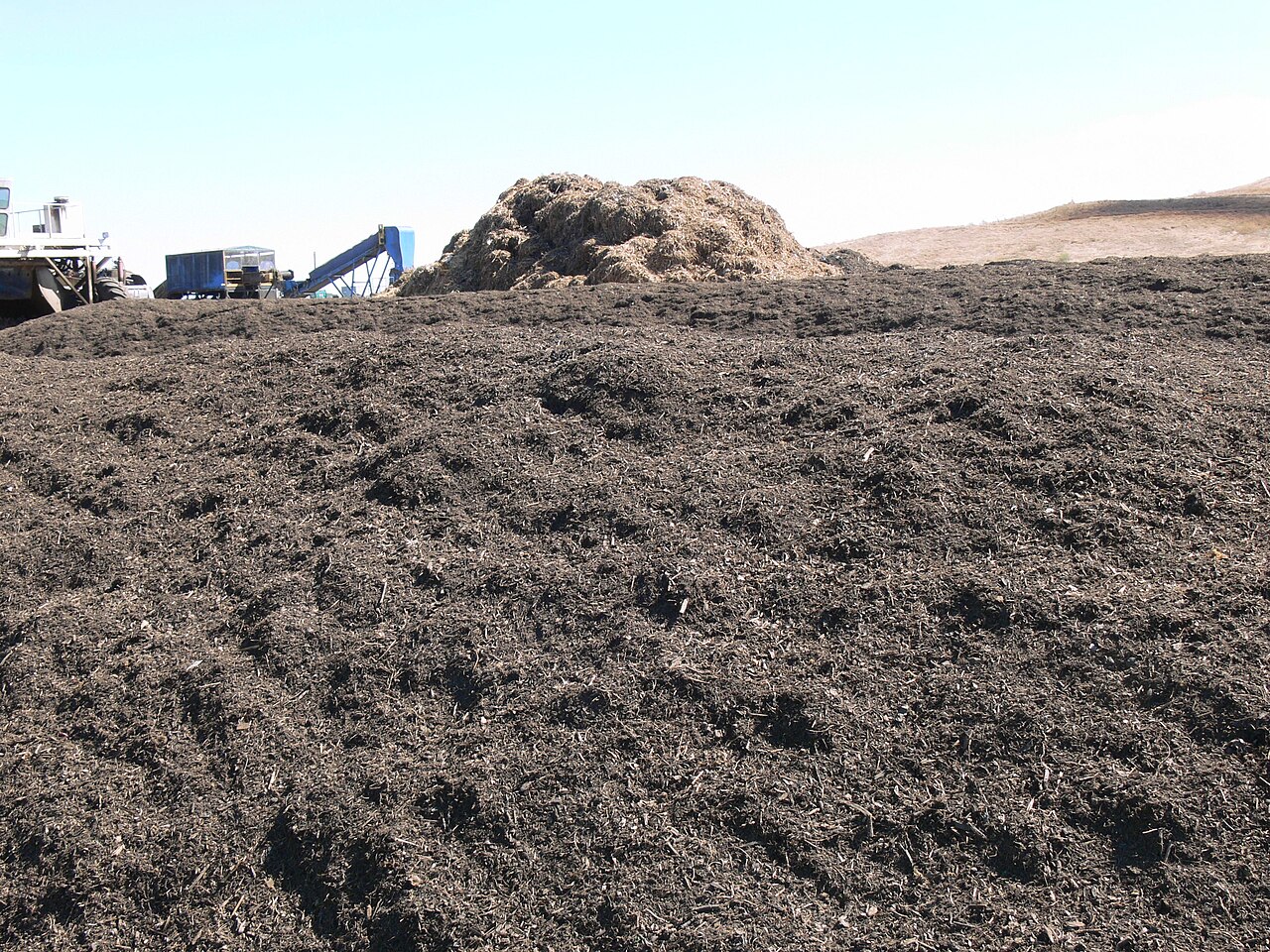
A large pile of finished dark compost at a municipal organics facility, with machinery behind it
Waste

Municipal organics composting

Food and garden waste in landfills

Problem
When cities bury food scraps and yard waste, they throw away soil carbon and make landfill methane. Organics are often the heaviest part of household bins.
Fix
Separate collection plus open turned piles or enclosed composting vessels is routine in cities such as San Francisco, Milan, and much of South Korea and the European Union. Compost goes to farms and parks. Plastic and glass in the bins still spoil piles. Households that throw away less food send a smaller load to those piles.
Explore solution →

Source: United States Environmental Protection Agency, composting wasted food

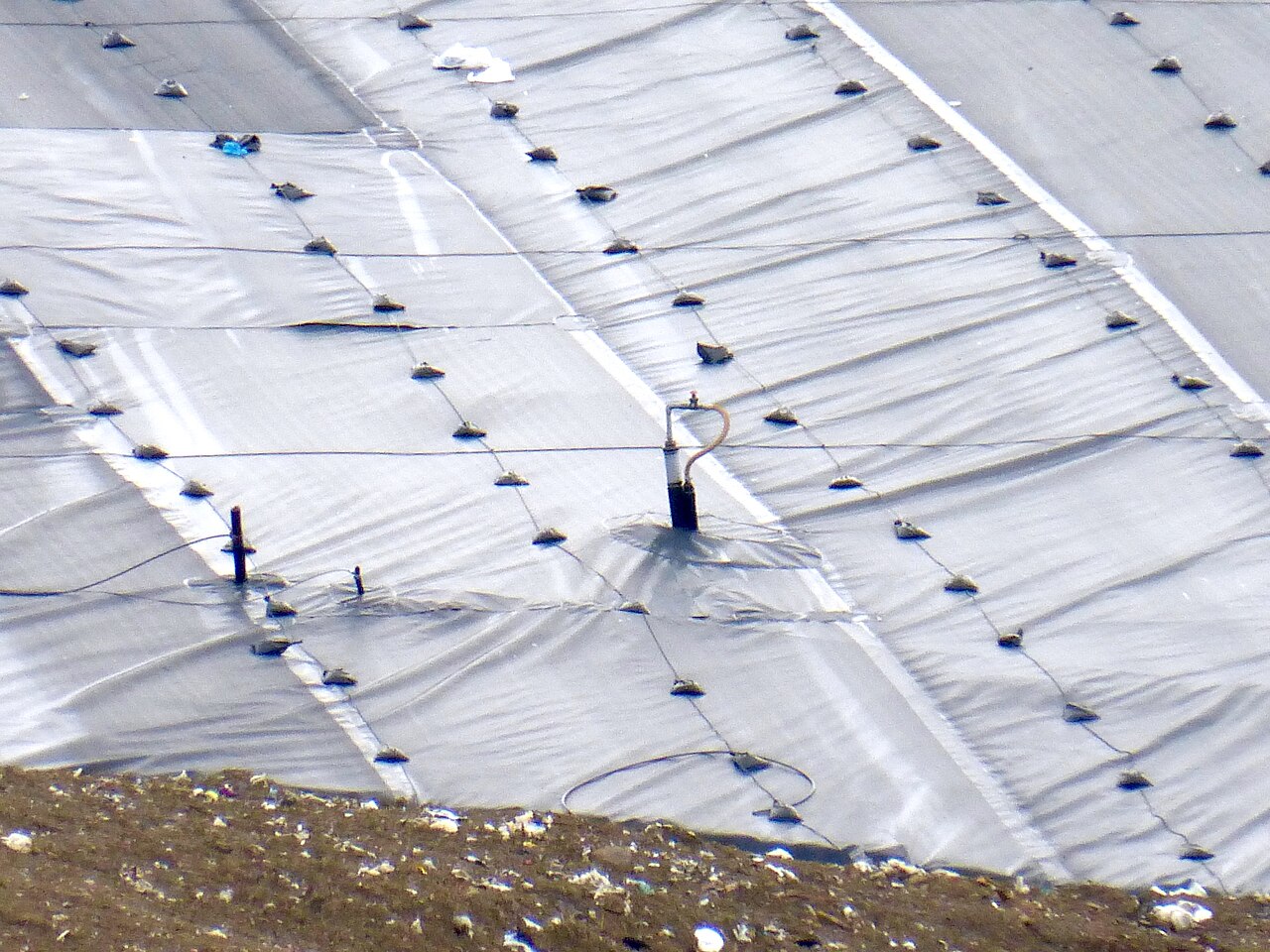
Gas-collection pipes and hoses rising through a gray geomembrane cap on a landfill cell
Waste

Landfill gas to energy

Landfill methane

Problem
Old dumps keep making methane for decades after they close. The gas is a strong greenhouse pollutant and a local explosion and odor hazard.
Fix
Wells and pipes pull landfill gas to a flare or an engine. Sites on the United States Environmental Protection Agency landfill-methane list, in the United Kingdom, and elsewhere already generate electricity this way. Capture is partial and leaks remain. Waste keeps arriving while the wells run. Farm and food digesters are a separate practice that treats fresh organic waste.
Explore solution →

Source: United States Environmental Protection Agency, landfill methane outreach

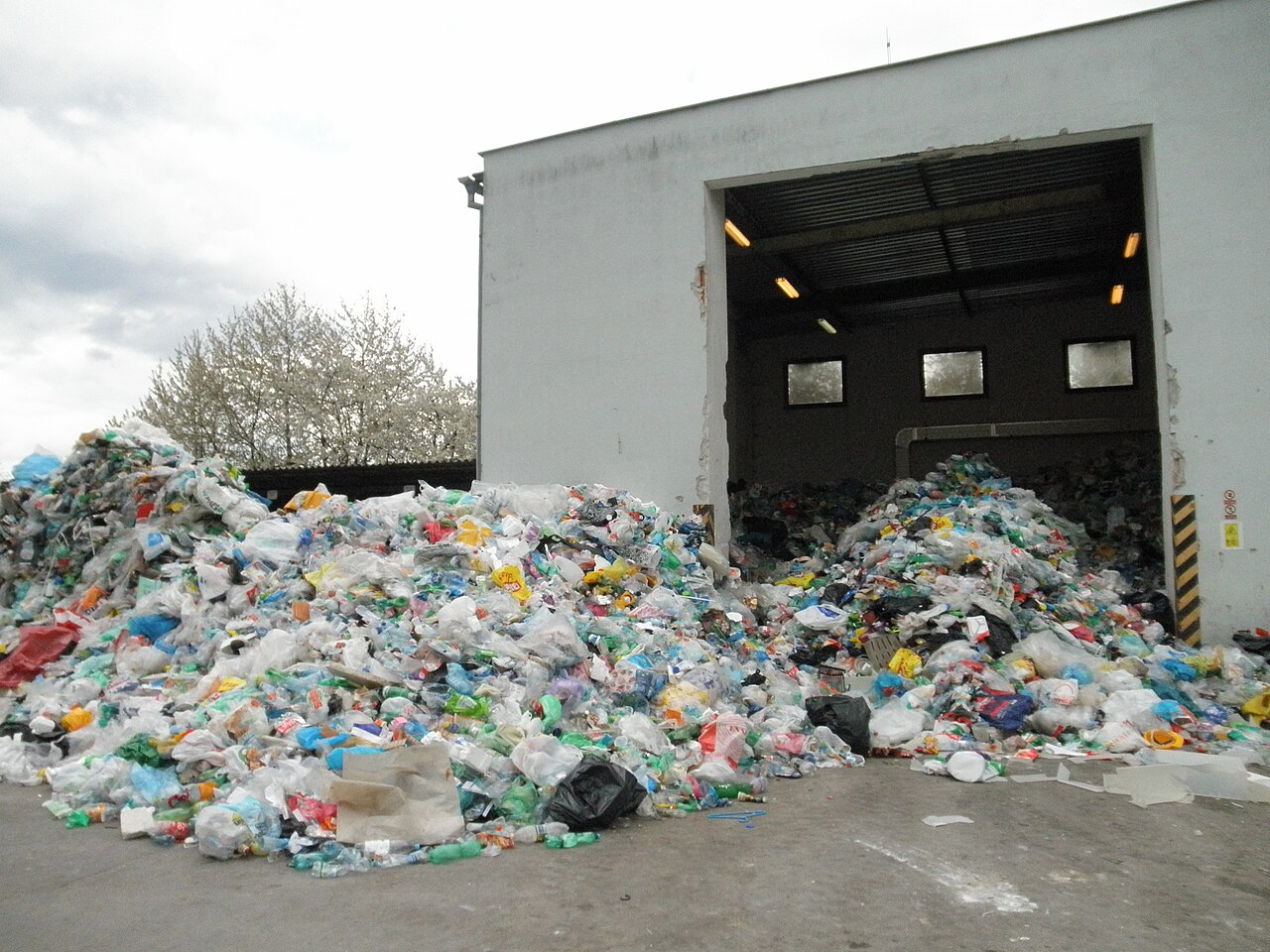
Piles of mixed plastic bottles on the apron of a material recovery facility
Waste

Sorting with optics and cameras

Mixed recyclables that nobody can sell

Problem
Household recycling arrives as a mixed stream. If paper, film, and food stay in the pile, bales are dirty and mills reject them. Manual picking cannot keep up with belt speed.
Fix
Material recovery facilities use screens, magnets, separators that fling aluminium cans off the belt, and optical sorters that read near-infrared light, increasingly with cameras and software, to separate containers and paper fiber. The United States Environmental Protection Agency recycling page is the public face of that system in the United States. How well a city collects, and which plastics a mill will buy, still set what the machines can separate.
Explore solution →

Source: United States Environmental Protection Agency, recycling

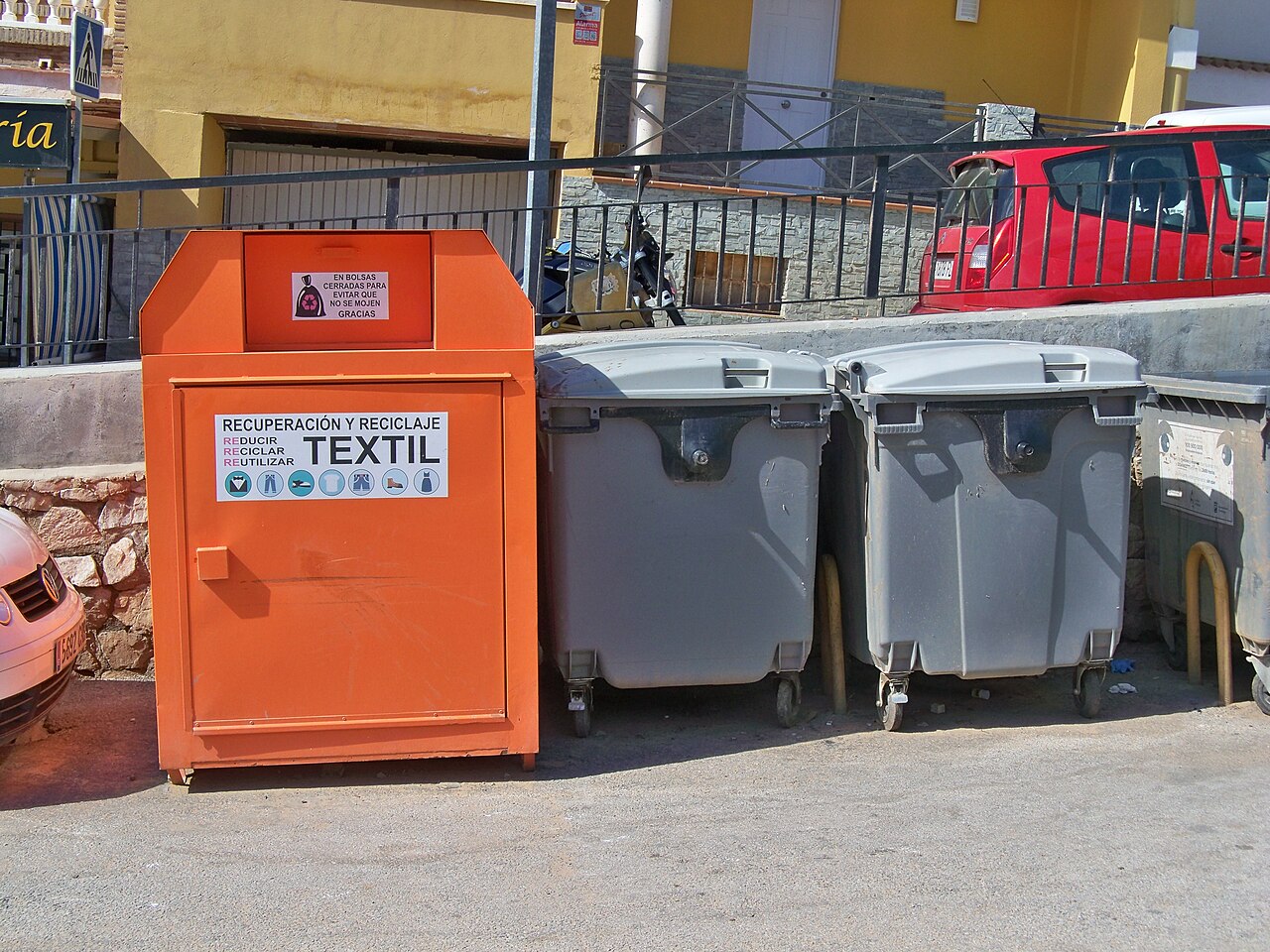
An orange street container labeled for textile recovery and recycling beside grey waste bins
Waste

Textile-to-textile recycling

Clothes that become rags or trash

Problem
Most discarded clothing is reused as second-hand stock, downcycled into rags and insulation, incinerated, or landfilled. New garments still start from virgin fiber.
Fix
The European Union strategy for sustainable and circular textiles aims at design, collection, and recycling so that more fiber can become new textiles. The European Commission notes that almost none of the material in clothing is recycled into new clothing today. Plants that turn old fiber into new textile fiber exist as early industry. A street collection bin gathers clothes. A closed loop also needs a plant that can make new cloth from them.
Explore solution →

Source: European Commission, textiles strategy

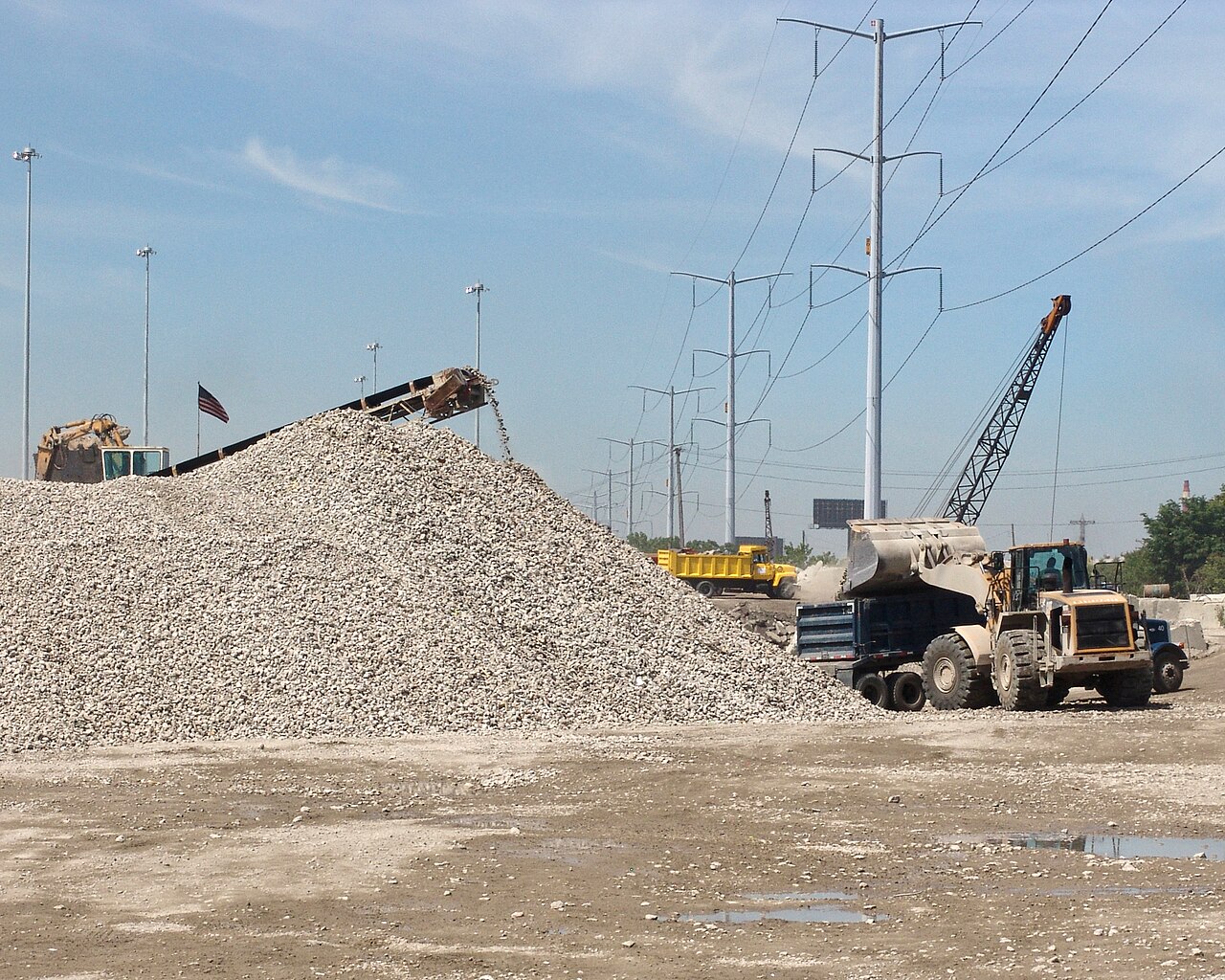
A conveyor feeding a pile of crushed concrete aggregate beside a loader
Waste

Construction and demolition recycling

Buildings demolished into mixed rubble

Problem
Concrete, brick, wood, metal, and glass from sites are often the heaviest waste a country moves. Mixed with paint, insulation, or asbestos, the pile is hard to reuse.
Fix
The European Commission treats construction and demolition waste as a priority stream and says it accounts for more than a third of European Union waste. Crushing clean concrete and brick into aggregate, pulling metals, and sorting wood are ordinary where demolition is selective. Recovery rates vary widely between member states. Faster demolition still fills the crushers with more mixed rubble.
Explore solution →

Source: European Commission, construction and demolition waste

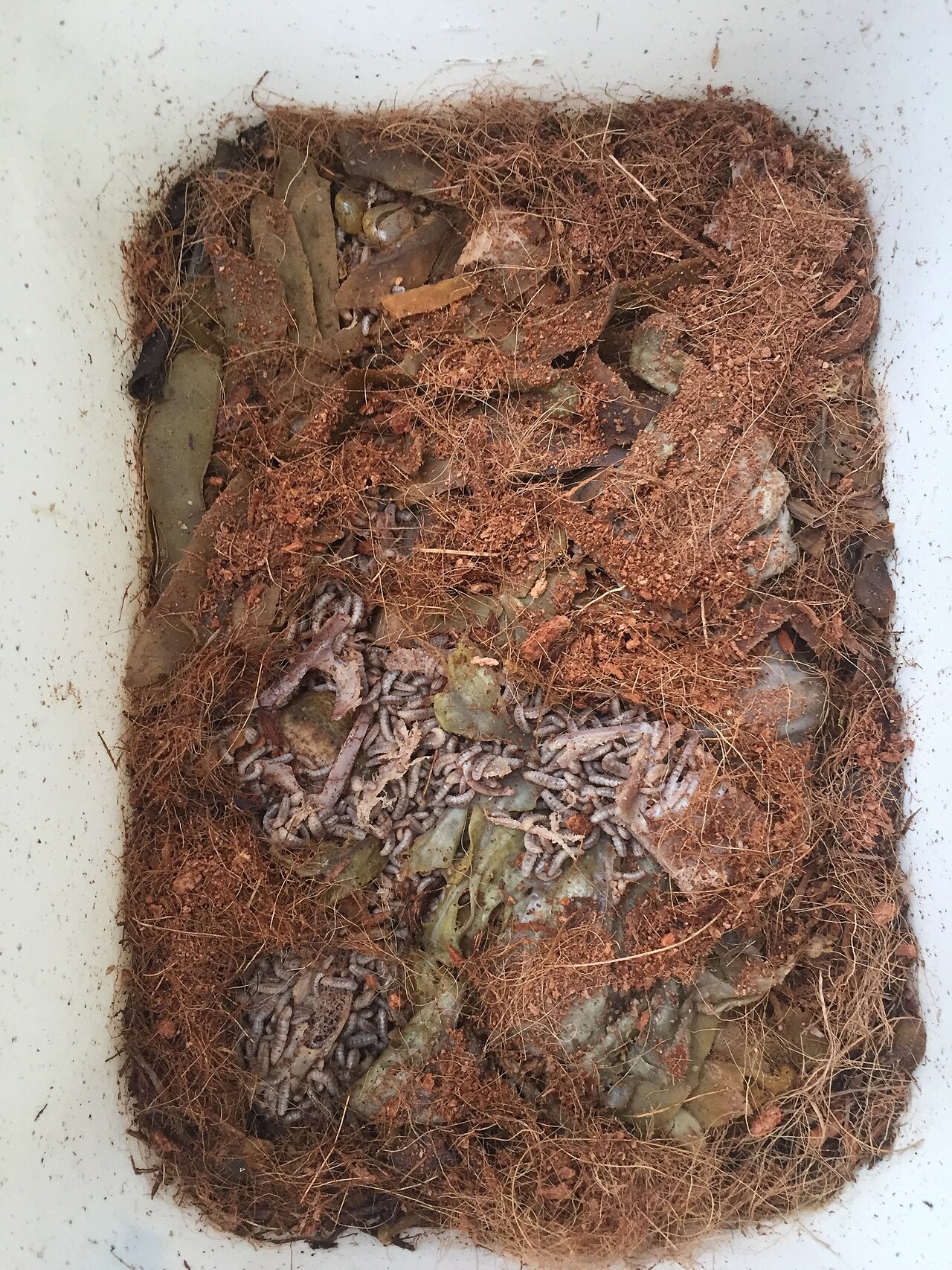
Black soldier fly larvae in a white tray among coconut fibre and decaying leaves
Waste

Black soldier fly processing

Market waste that rots in the open

Problem
City markets throw fruit and vegetable waste into heaps that smell, attract vermin, and go to dumps. Farms nearby still buy imported feed and fertilizer.
Fix
Larvae of the black soldier fly (Hermetia illucens) eat wet organic waste. Dried larvae can be used as animal or fish feed, and the leftover residue can go on soil. The Food and Agriculture Organization describes a project in Abidjan, Côte d’Ivoire, that breeds the flies and trains farmers to use the products. It is a working method, still local and labor-intensive. Someone still has to collect the scraps and bring them to the trays. Plastic and metals need a different line.
Explore solution →

Source: Food and Agriculture Organization, black soldier fly waste processing

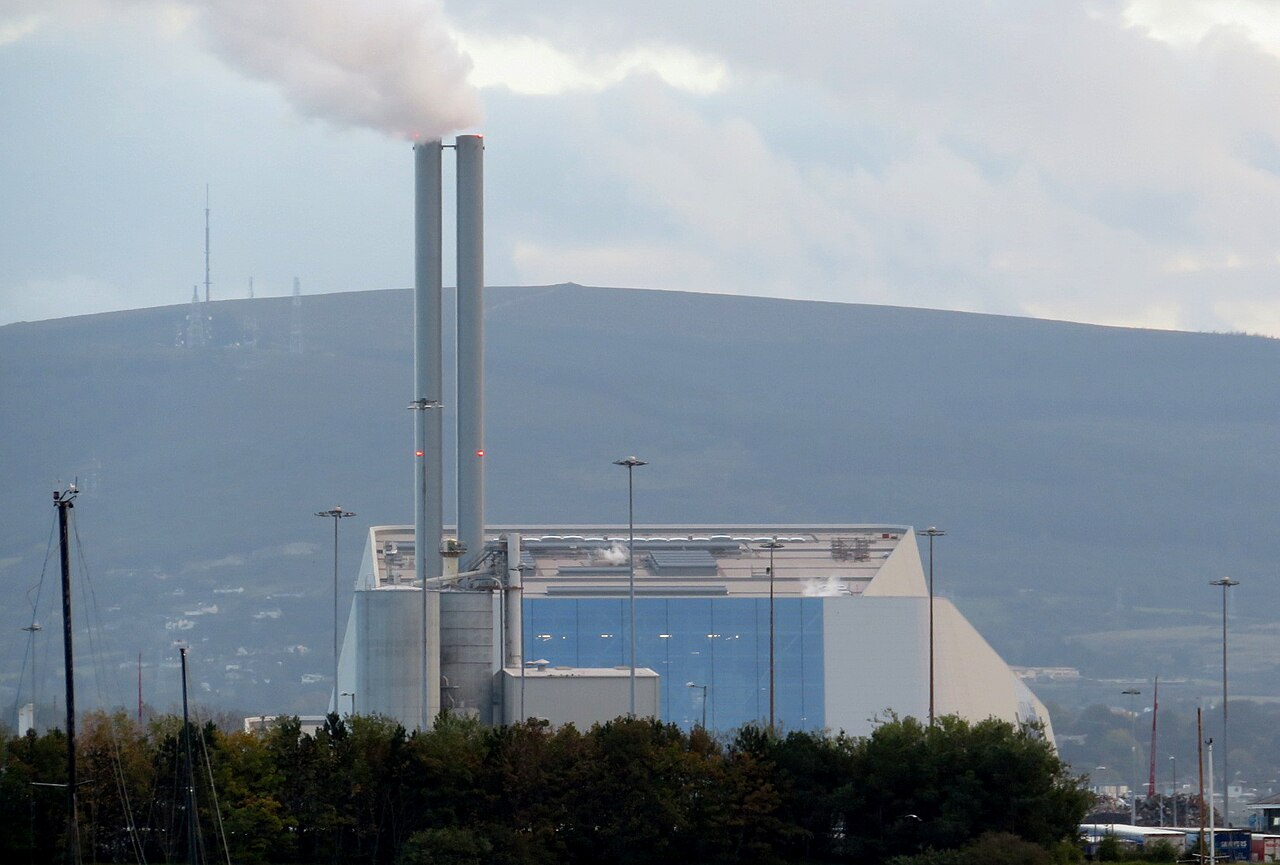
The Dublin Waste-to-Energy plant: a white hall and twin stacks with a hill behind
Waste

Waste-to-energy

Residual waste that still has heat in it

Problem
After recycling and organics are pulled out, cities still have a residual stream. Landfill takes the volume and keeps making methane. Open burning is worse.
Fix
Municipal plants that recover energy from waste burn the residual stream and raise steam for electricity or heat. The United States Environmental Protection Agency note on energy recovery from waste describes direct burning of mixed residual waste as the common United States design, with ash sent to landfill and air controls required under later rules. Plants need a steady residual stream. Recycling and organics sorting still happen before that stream is burned. Emissions and ash remain. Making less waste shrinks what the furnace receives.
Explore solution →

Source: United States Environmental Protection Agency, energy recovery from waste

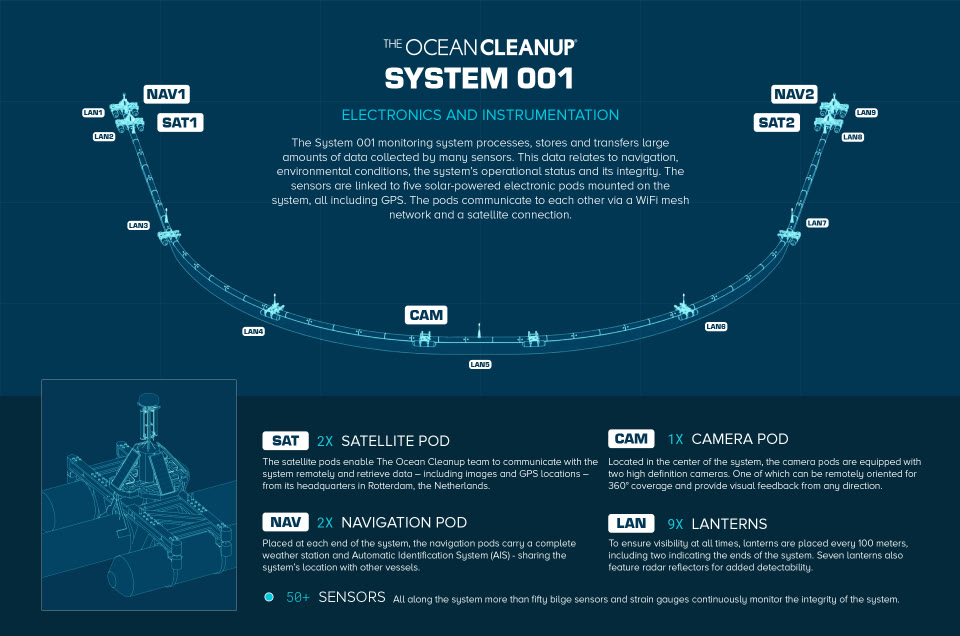
Diagram of The Ocean Cleanup System 001 floating barrier, with labeled sensor and navigation pods
Waste

The Ocean Cleanup

Legacy plastic already in the ocean

Problem
Plastic that has already reached subtropical gyres is a problem of the open ocean. It fragments into smaller pieces that are harder to collect and easier for wildlife to ingest.
Fix
The Ocean Cleanup, a Dutch non-profit, tows floating systems in the Great Pacific Garbage Patch and also runs river interceptors. The organization publishes its own removal totals and a 2040 target. Those figures come from the organization. Cleanup at sea is slow, weather-limited, and debated because the gear can catch marine life along with plastic, and because of its scale. Cutting leakage on land keeps new plastic from reaching the gyres.
Explore solution →

Source: The Ocean Cleanup

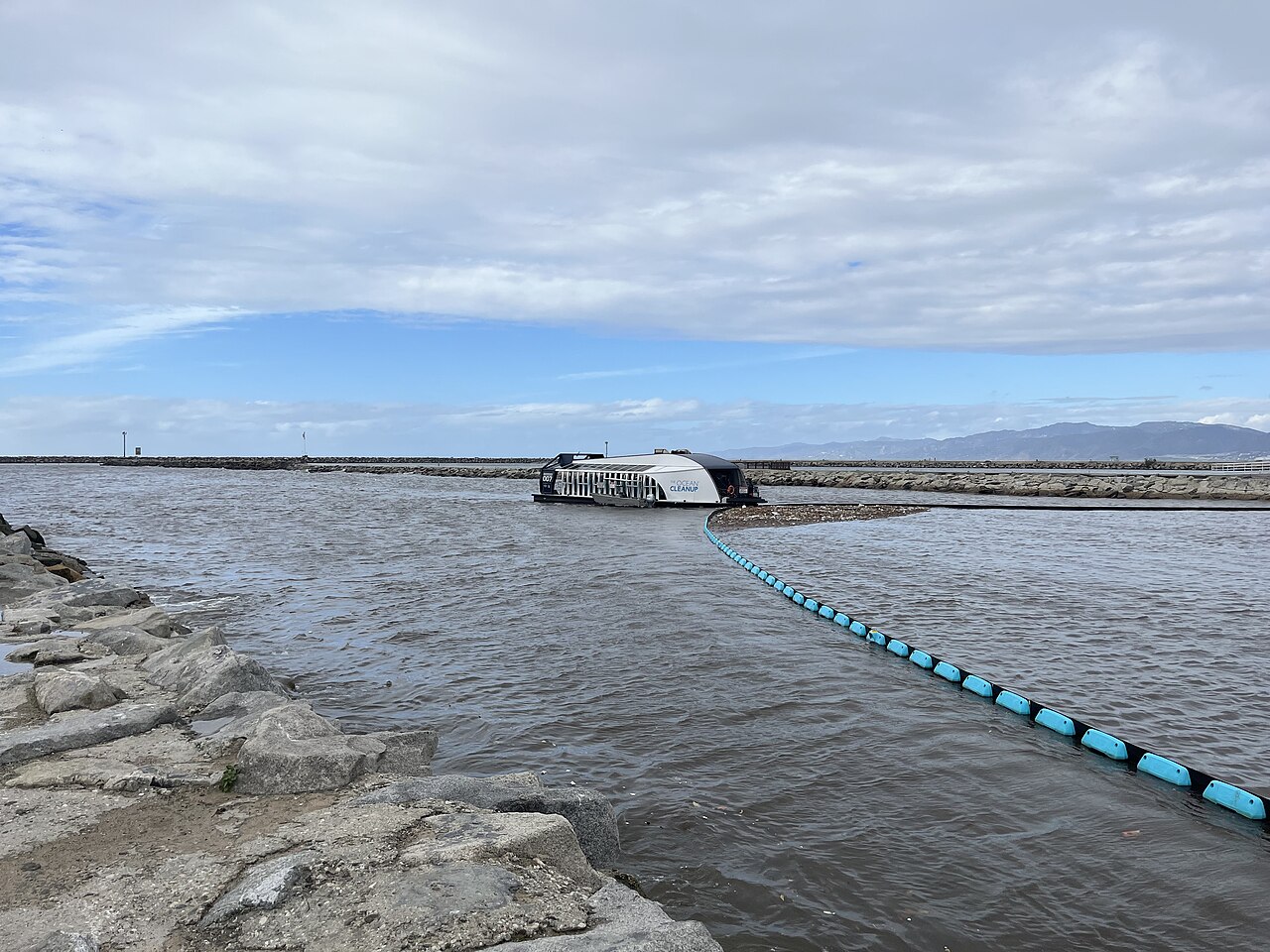
The Ocean Cleanup Interceptor Original in a channel, with a floating boom leading to the catamaran hull
Waste

Interceptor

River plastic on the way to the sea

Problem
Most ocean plastic that can still be caught as recognizable litter arrives through rivers after rain. Once it is offshore, collection is harder and more expensive.
Fix
The Ocean Cleanup interceptor is a family of river systems (Original, Barrier, Tender, Barricade, and Guard) that use booms and, in the Original, solar-powered extraction to lift debris before it reaches the sea. Deployments are site-specific, and each river needs its own fit. The machine catches litter at the mouth. Collection further upstream, and making less plastic, shrink what arrives there.
Explore solution →

Source: The Ocean Cleanup, interceptor