
 Fix Planet overview
Conflicts
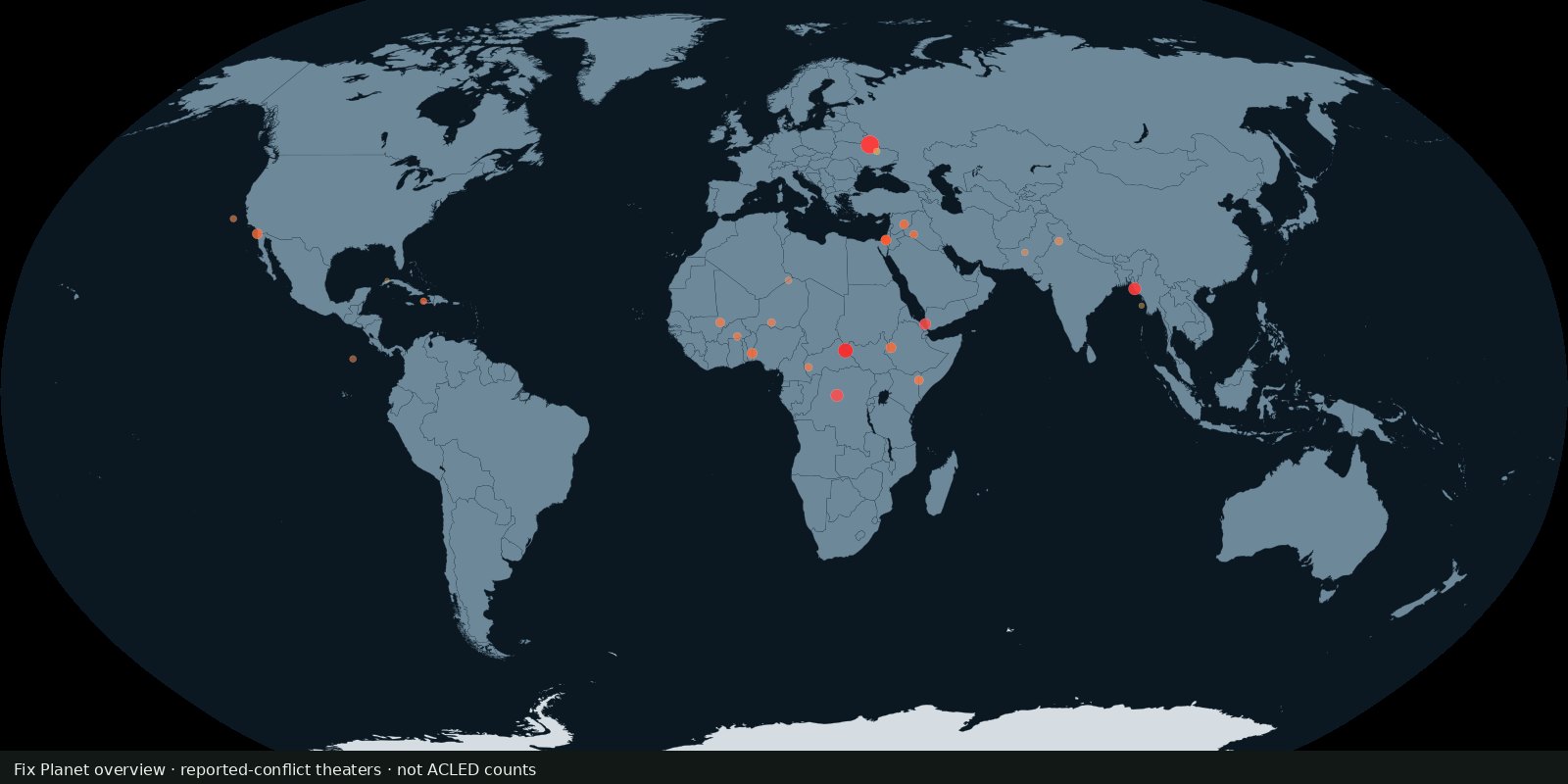
Political violence events
Where armed conflict and protest events were recorded, not a verdict on who is right.
Read the card →UCDP counts of people killed in organized armed conflict, compiled for comparison over time.
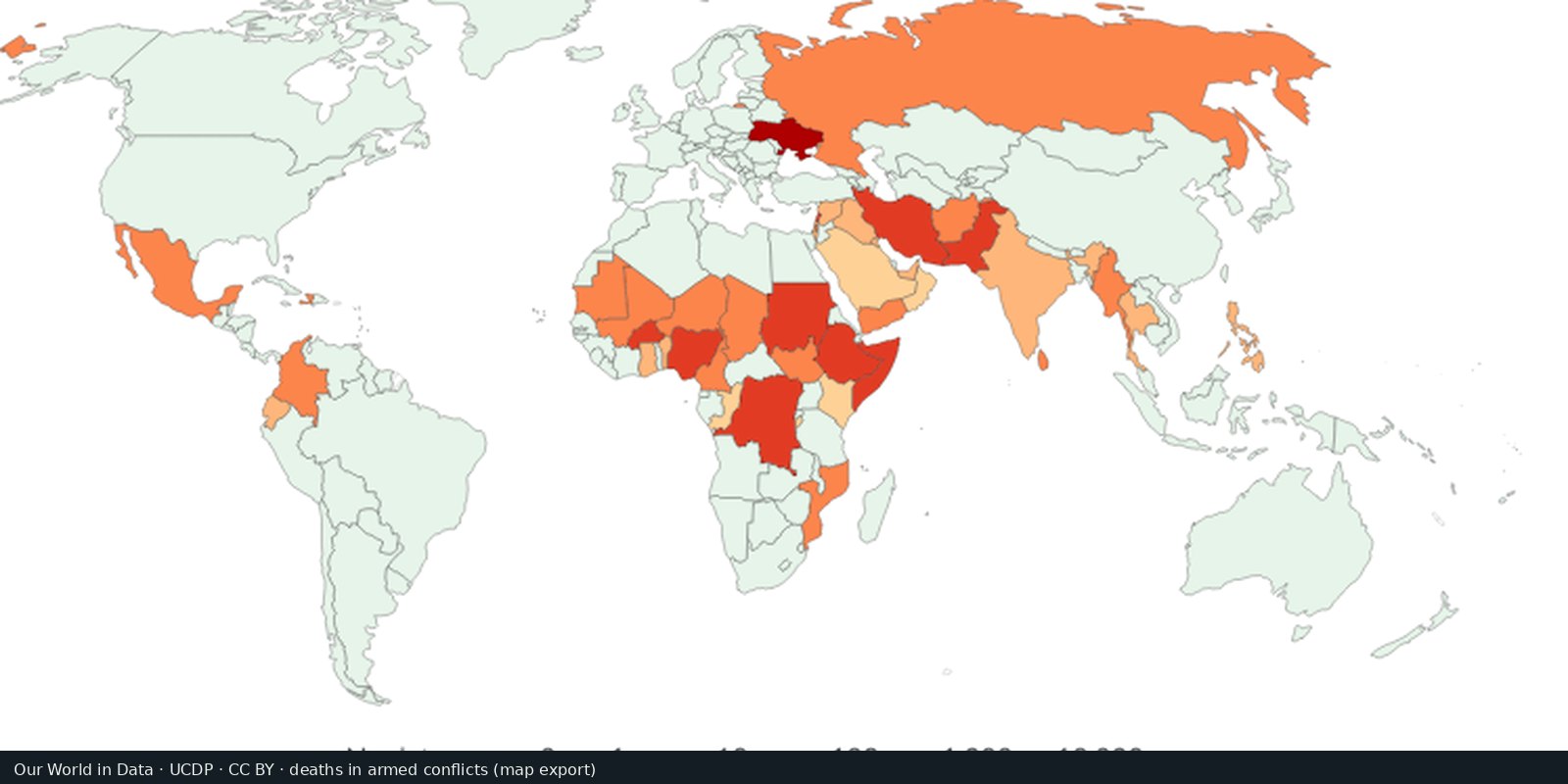
The Uppsala Conflict Data Program records state-based conflicts, non-state conflicts, and one-sided violence, then estimates battle-related deaths. Our World in Data republishes the series as charts and maps with documentation.
Uppsala Conflict Data Program; Our World in Data
Vintage: 1989-2024
https://ucdp.uu.se/
UCDP allows non-commercial use with citation. We host a cropped Our World in Data map export (CC BY) of deaths in armed conflicts. Open the OWID war-and-peace page for the live layer.
A country year is an estimate of deaths that meet UCDP’s definitions, not “all people harmed by war.” Compare trends more than single-year ranks. OWID’s war-and-peace page is the readable front door.
Definitions exclude many civilian harms (displacement, hunger, disease). Early years and closed information environments are uncertain. Numbers are revised. This is not a map of who started a war.
Open source map → Fix Planet overview Where armed conflict and protest events were recorded, not a verdict on who is right.
Read the card →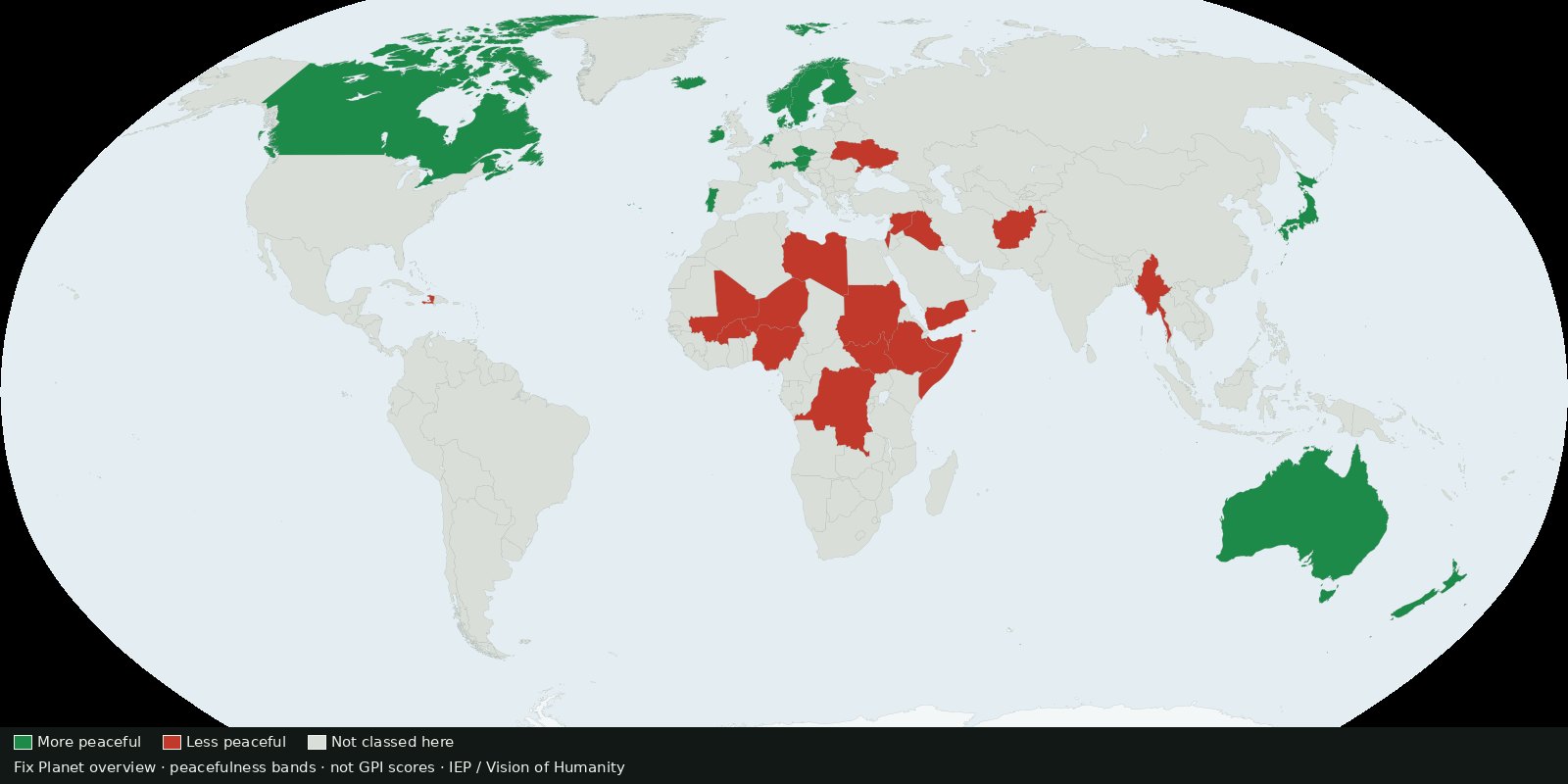 Fix Planet overview
Country ranking of peacefulness from the Institute for Economics & Peace: a composite score, not ACLED event pins and not a verdict on who is right.
Read the card →Source: Institute for Economics & Peace / Vision of Humanity: Global Peace Index
 Fix Planet overview
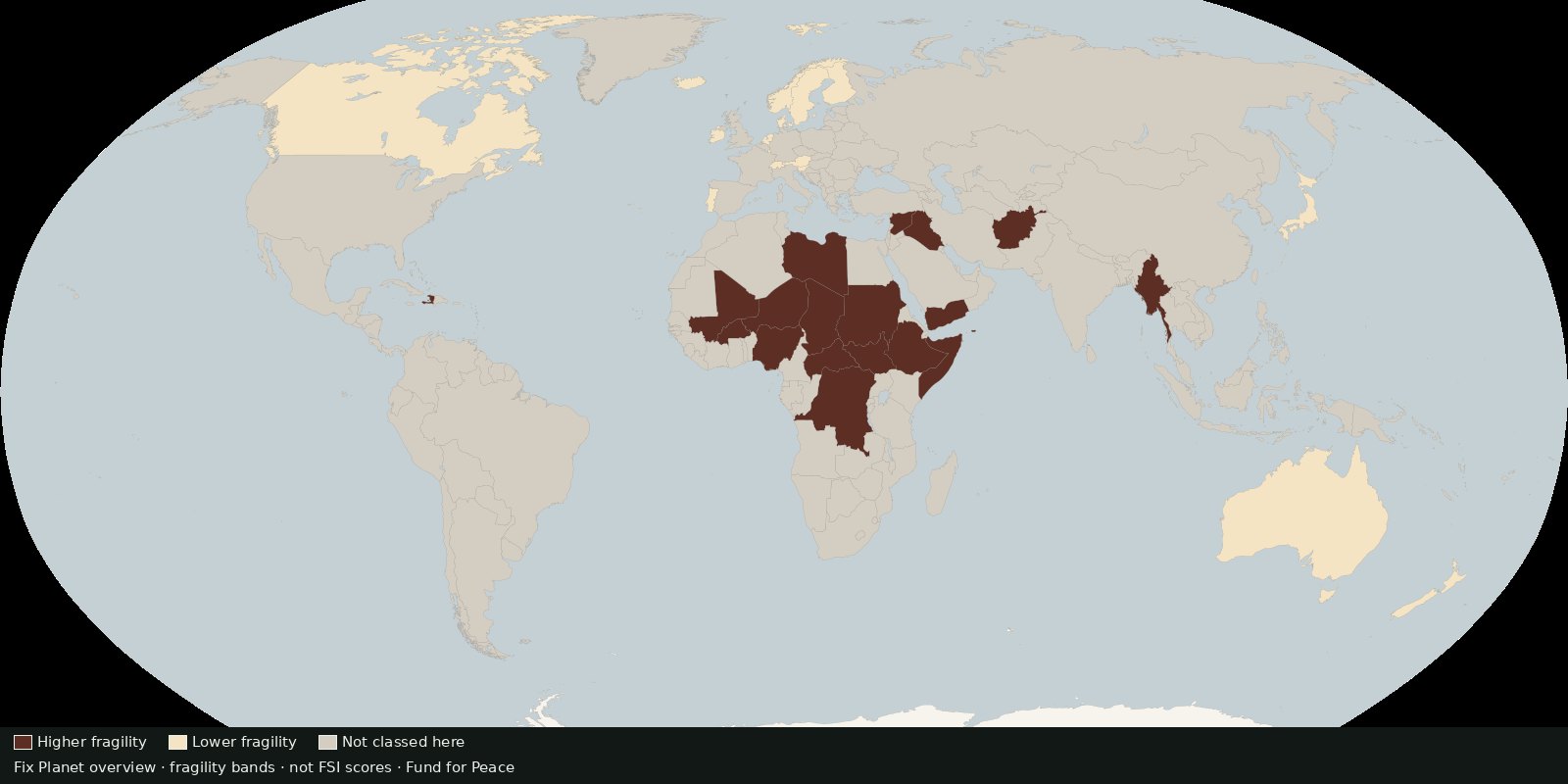
Country scores of state fragility across pressure and cohesion indicators, fragility risk, not battle deaths and not a peace ranking.
Read the card →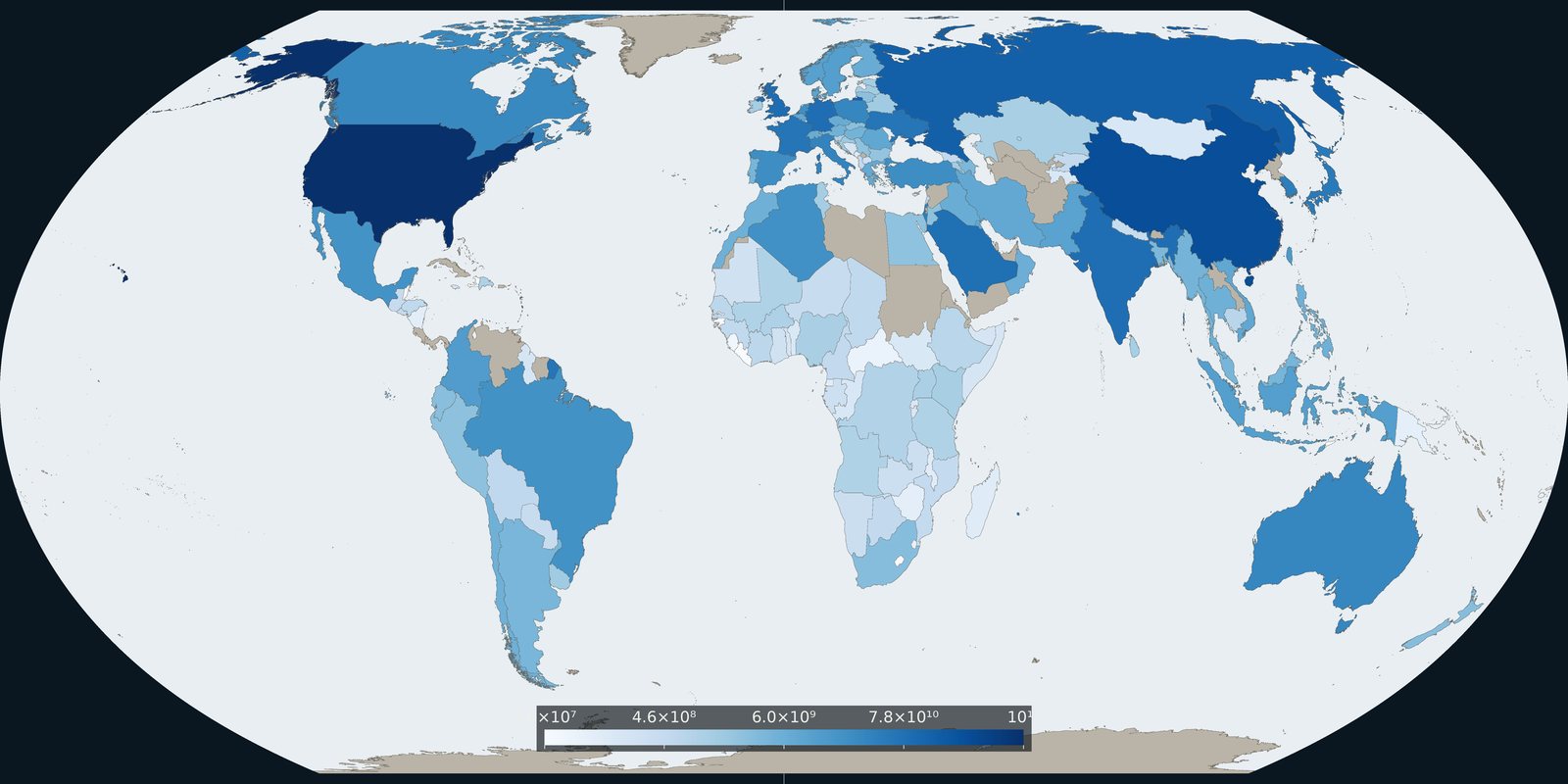
Comparable country series of military spending from SIPRI, budgets and burden, not event pins and not a catalog of weapon systems.
Read the card →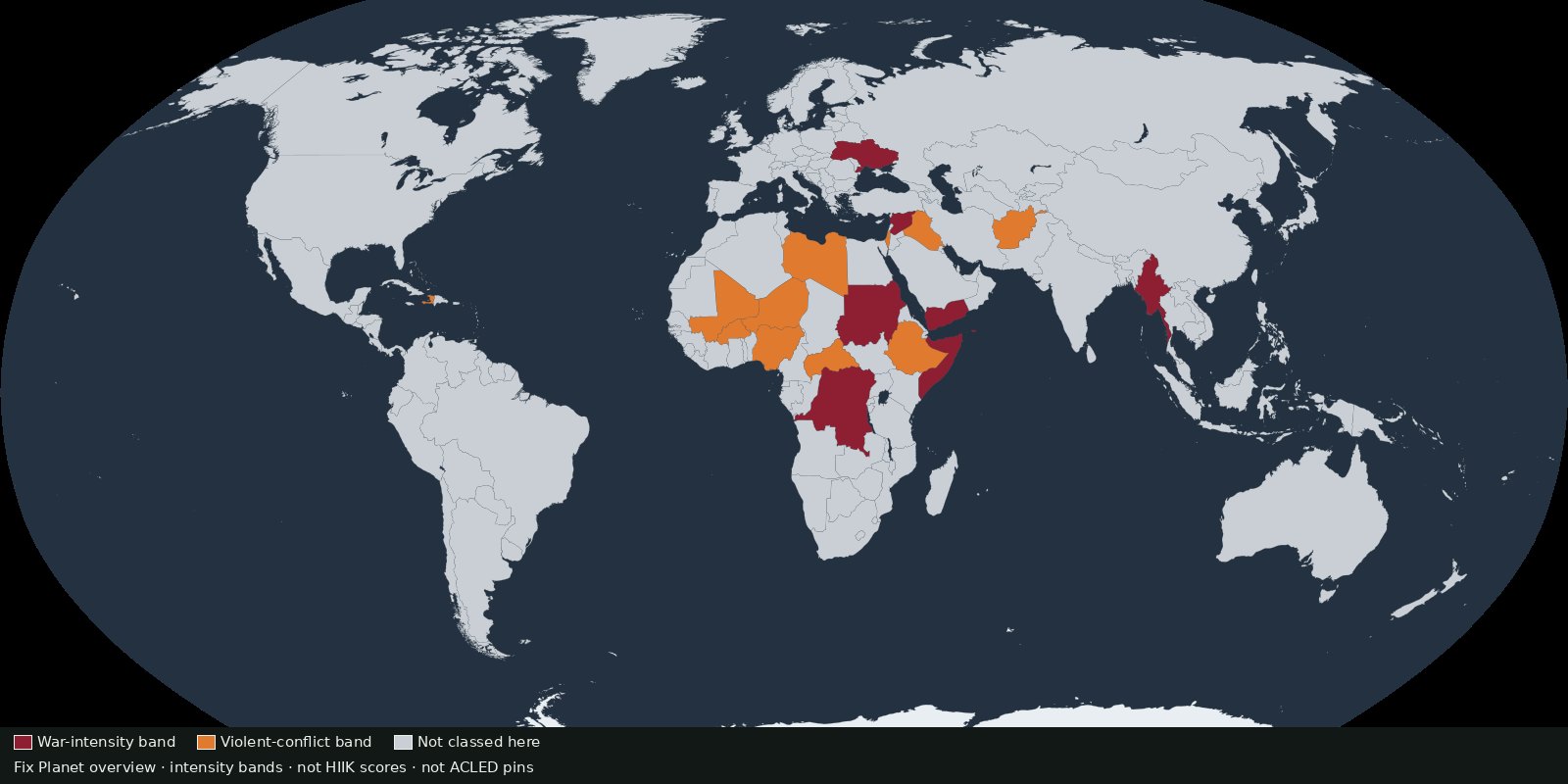 Fix Planet overview
Annual conflict intensity by country and region from Heidelberg’s Conflict Barometer, intensity classes, not event pins and not battle-death totals.
Read the card →