

Surviving
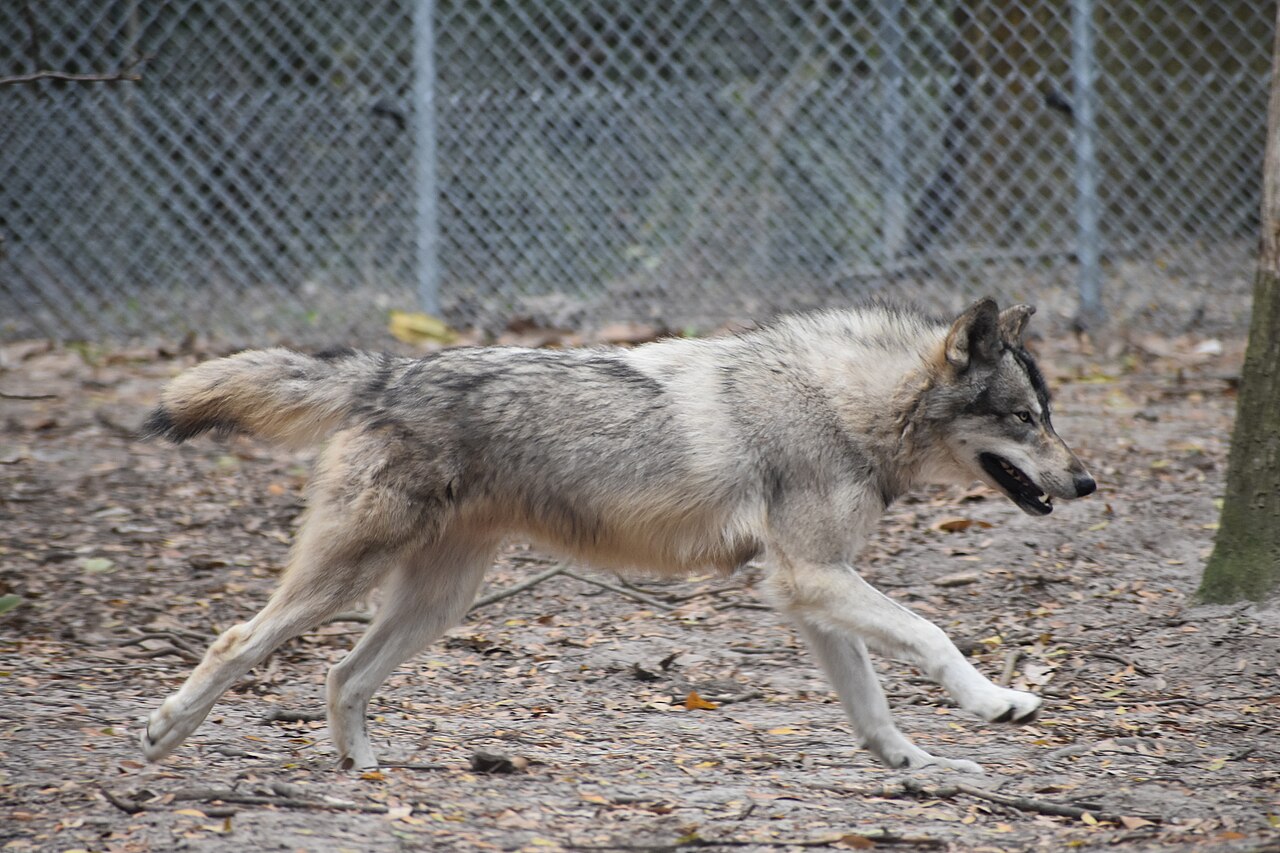
Gray wolf
Canis lupus
Still widespread in the far north, after vanishing from much of Europe and the United States.
Read entryStill here, with ranges or numbers that shifted after people spread: hunting, farms, later recovery, or a boom. The dates differ by continent.
Each animal is shown at full size, with the smaller animals behind it.
Height m


Length m
1 of 14
Standing height about 0.8 m, bill to tail tip 0.9 m
Photo: GlacierNPS, public domain file on Wikimedia Commons
Swipe or press the arrow keys
Bald eagle, 1 of 14. Standing height about 0.8 m. Bill to tail tip 0.9 m.
Canis lupus
Still widespread in the far north, after vanishing from much of Europe and the United States.
Read entry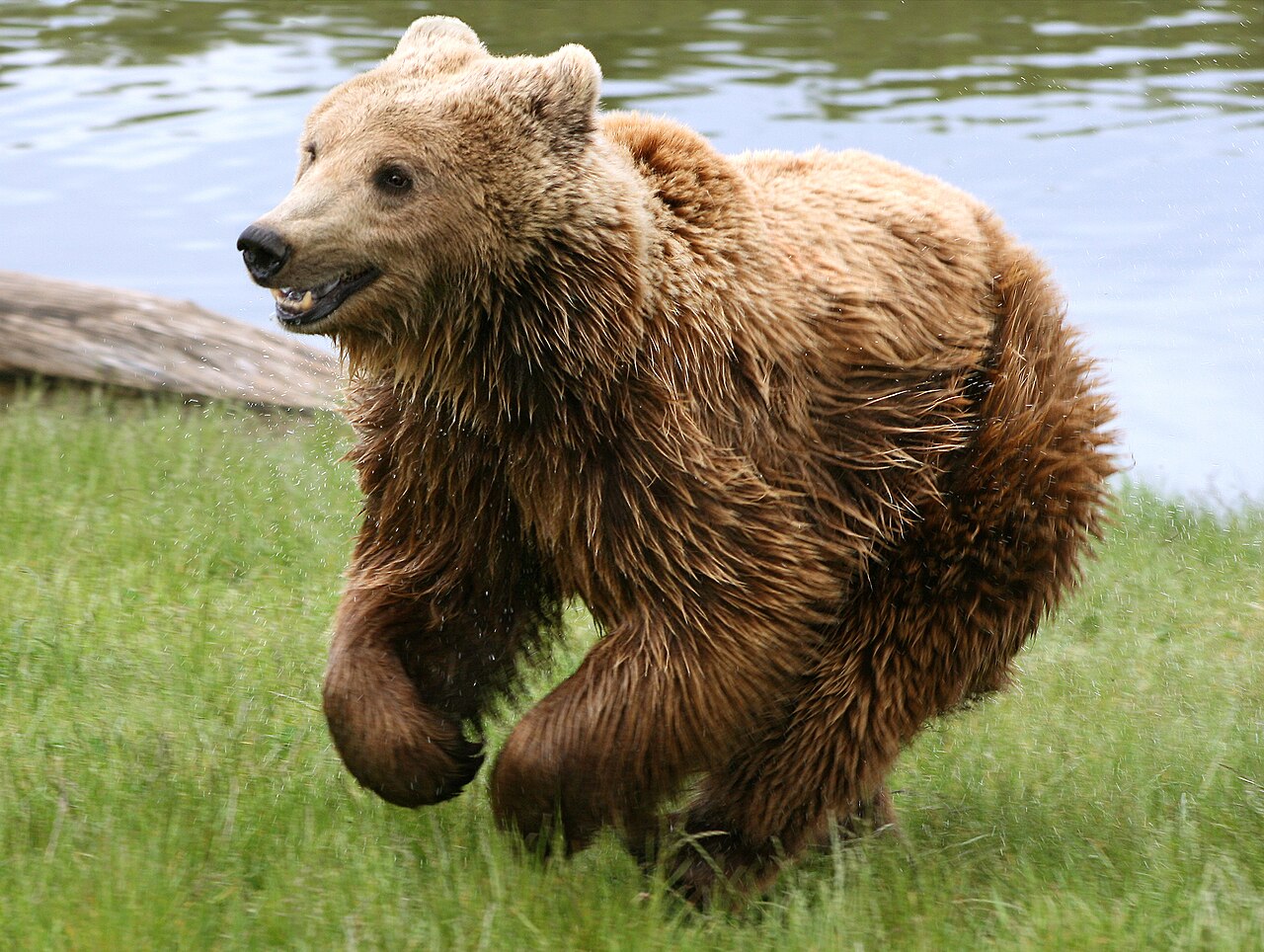
Ursus arctos
A Holarctic survivor whose European range is now a scatter of mountain and forest remnants.
Read entry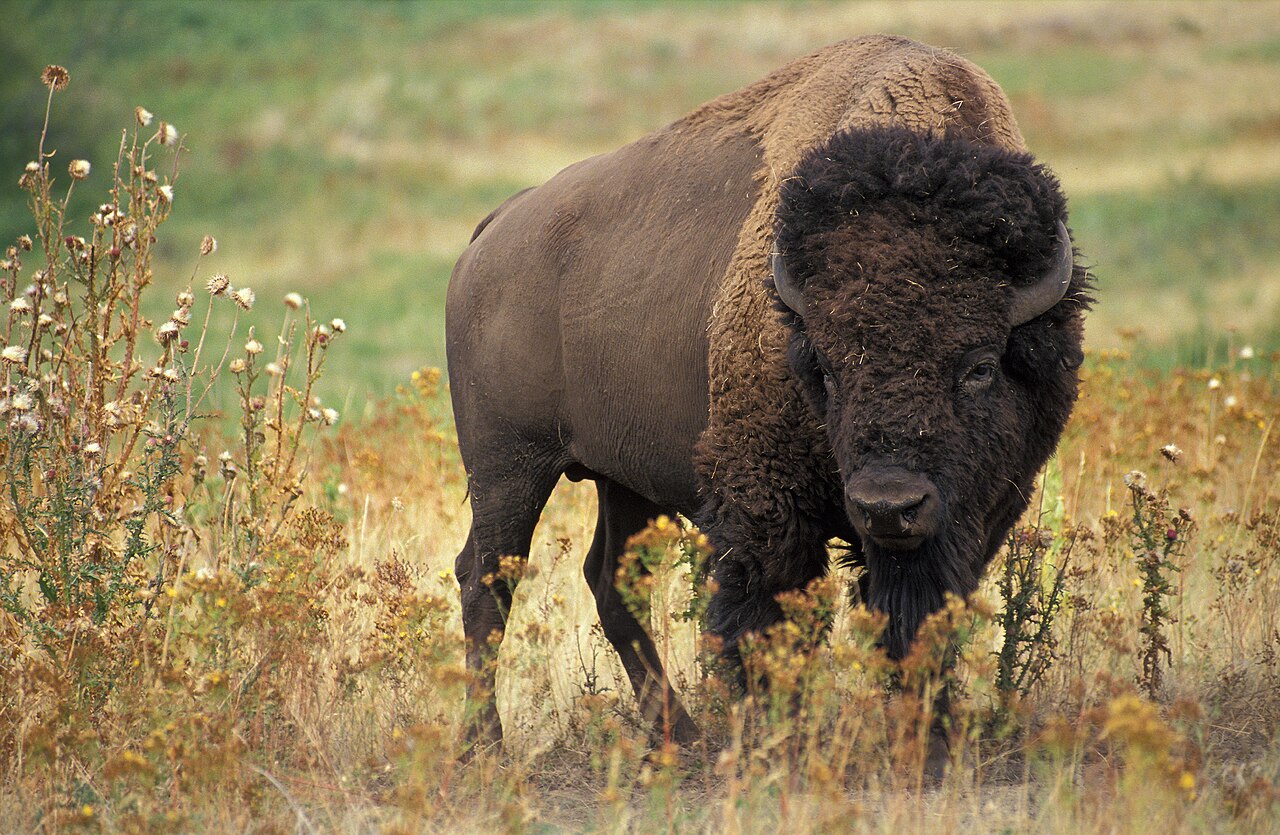
Bison bison
From tens of millions on the Great Plains to a few hundred by the 1880s, then a managed return.
Read entry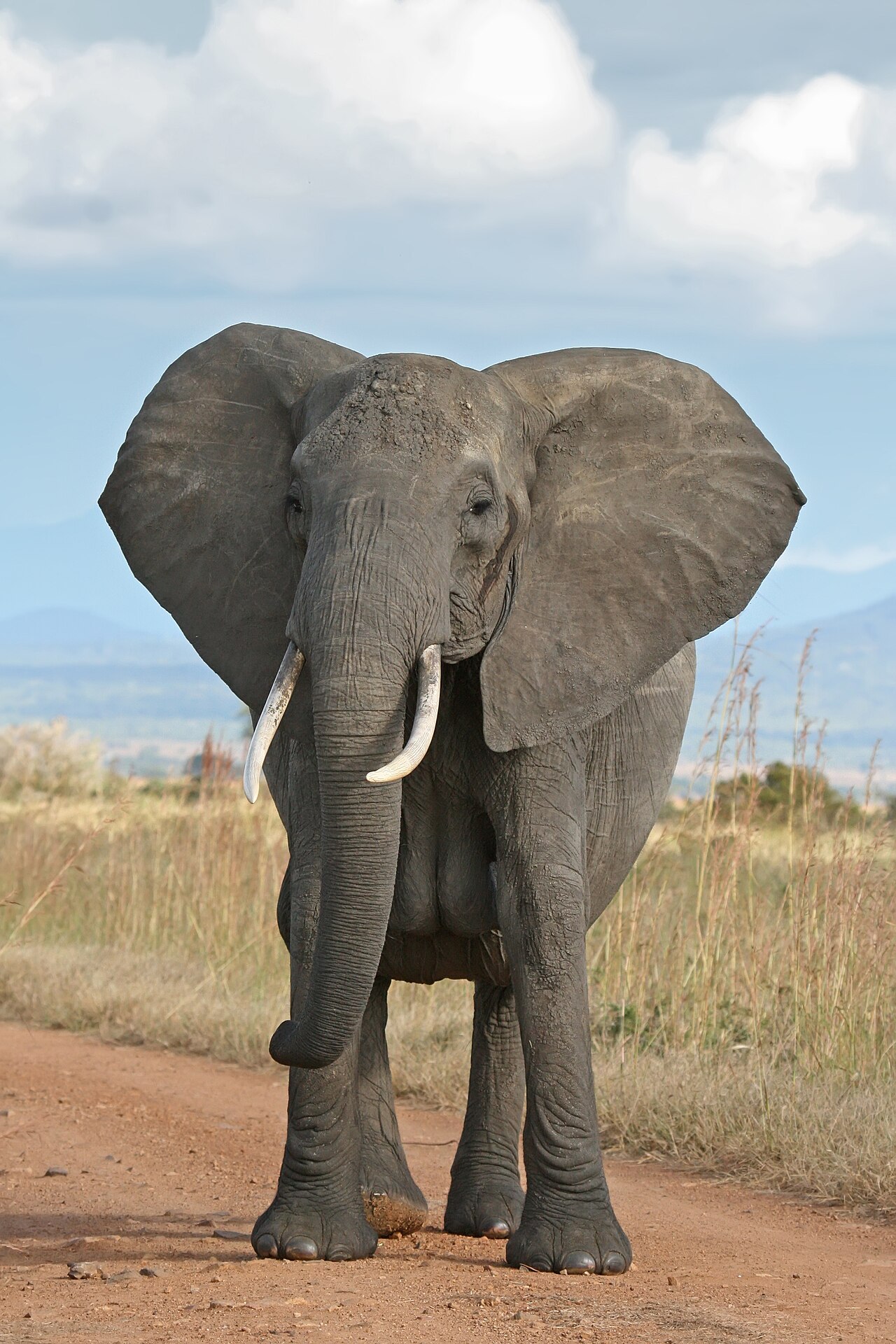
Loxodonta africana
Still the largest land animal: listed Endangered in 2021 after decades of ivory and habitat loss.
Read entry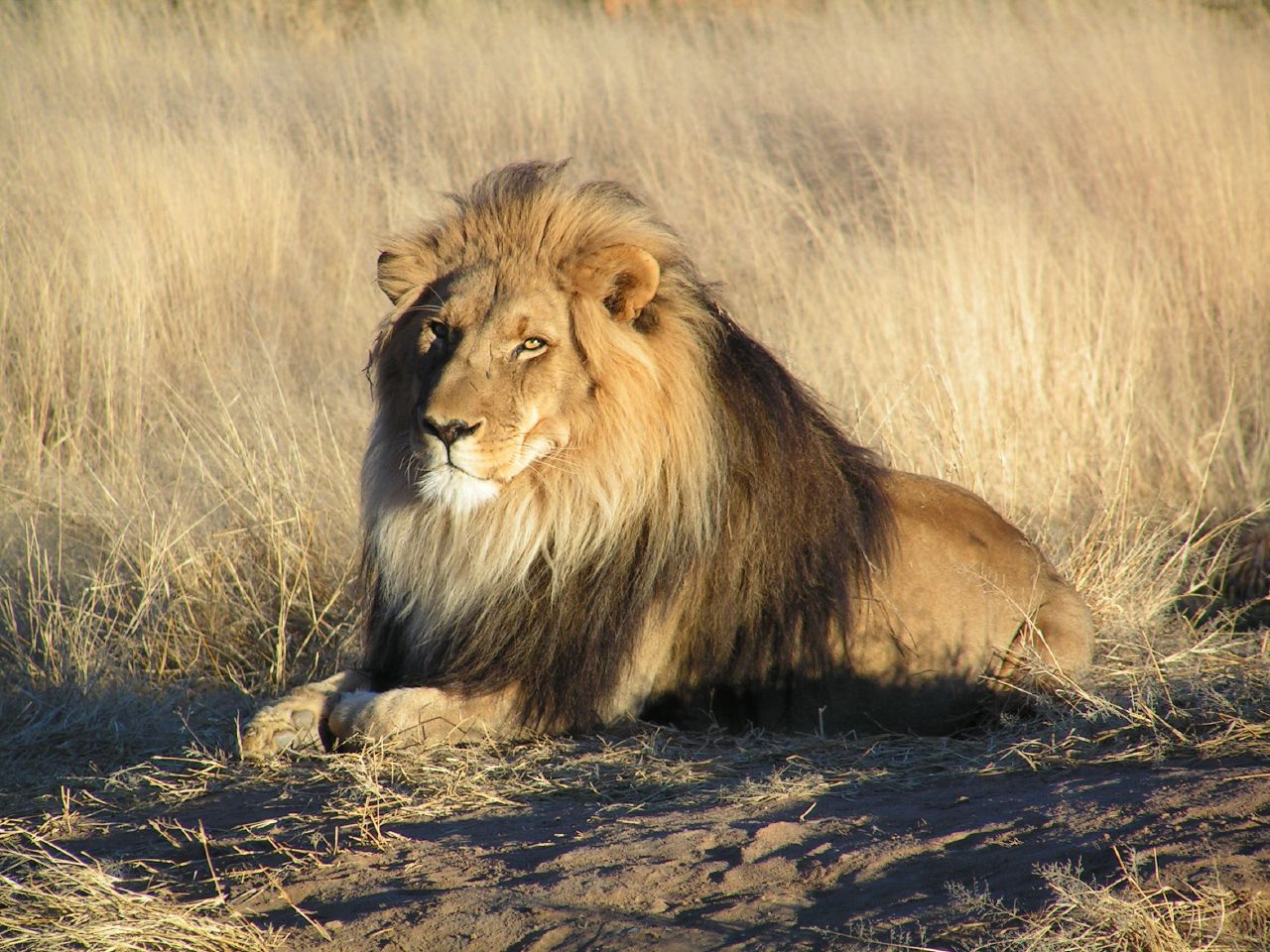
Panthera leo
Gone from Europe and almost all of Asia; surviving in African fragments and one Indian forest.
Read entry
Cervus elaphus
A European Ice Age survivor that is now common where forestry and hunting keep it that way.
Read entry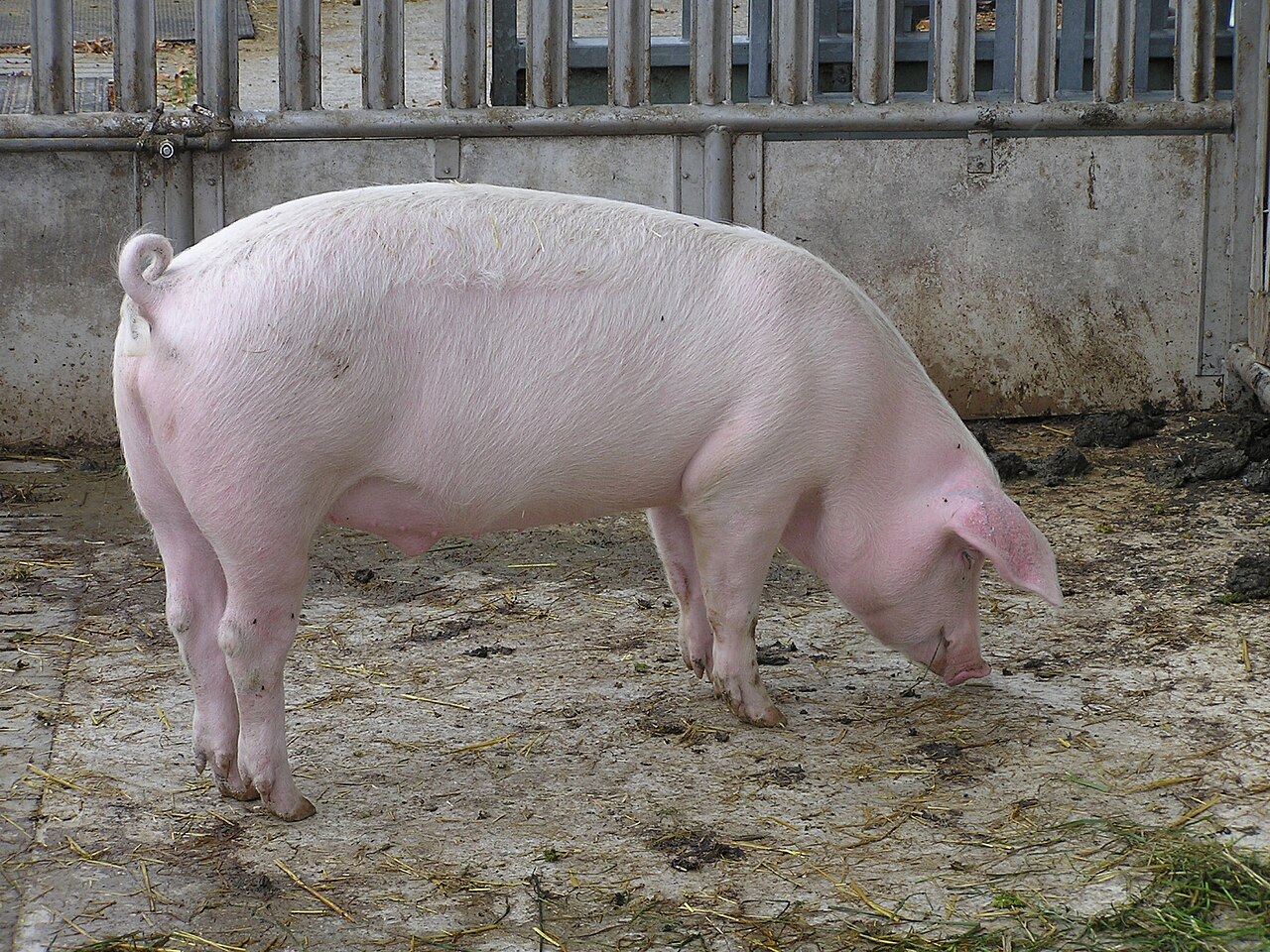
Sus scrofa
Hunted out of some countries, then returned, and became a farmland boom species.
Read entry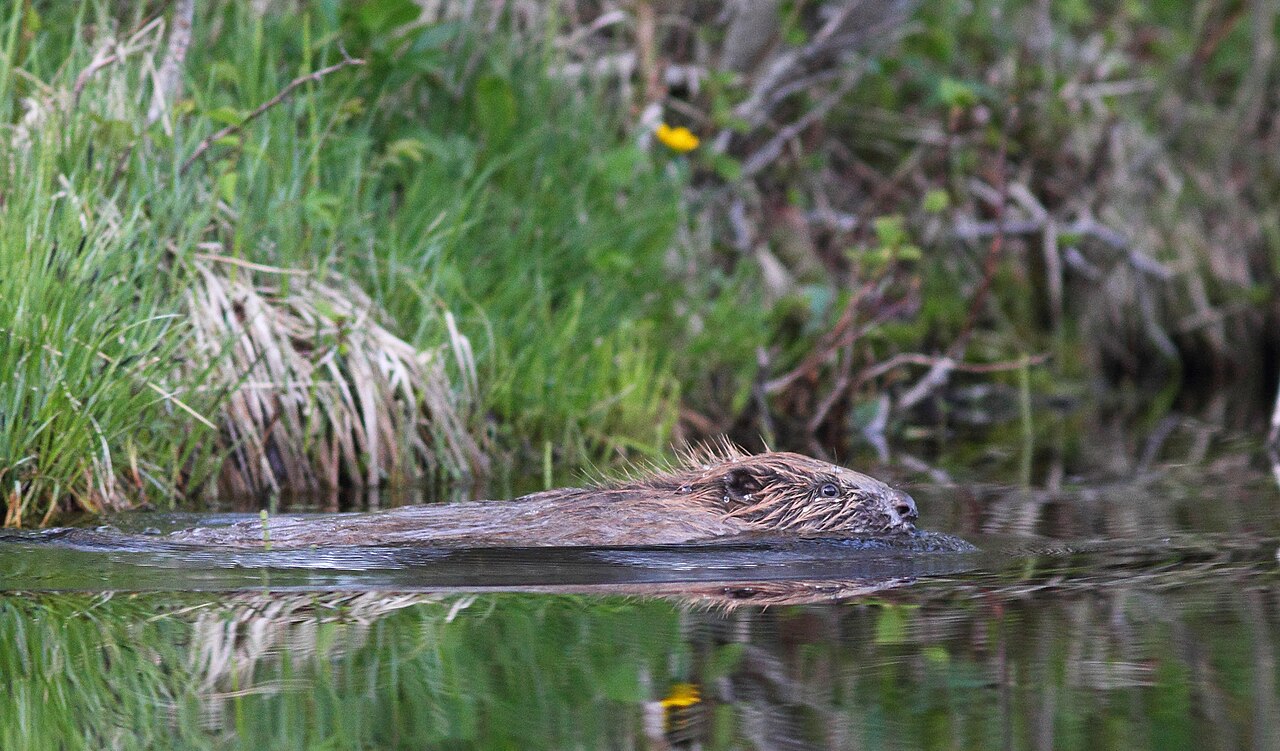
Castor fiber
Hunted to a handful of refuges, then brought back across Europe by reintroduction.
Read entry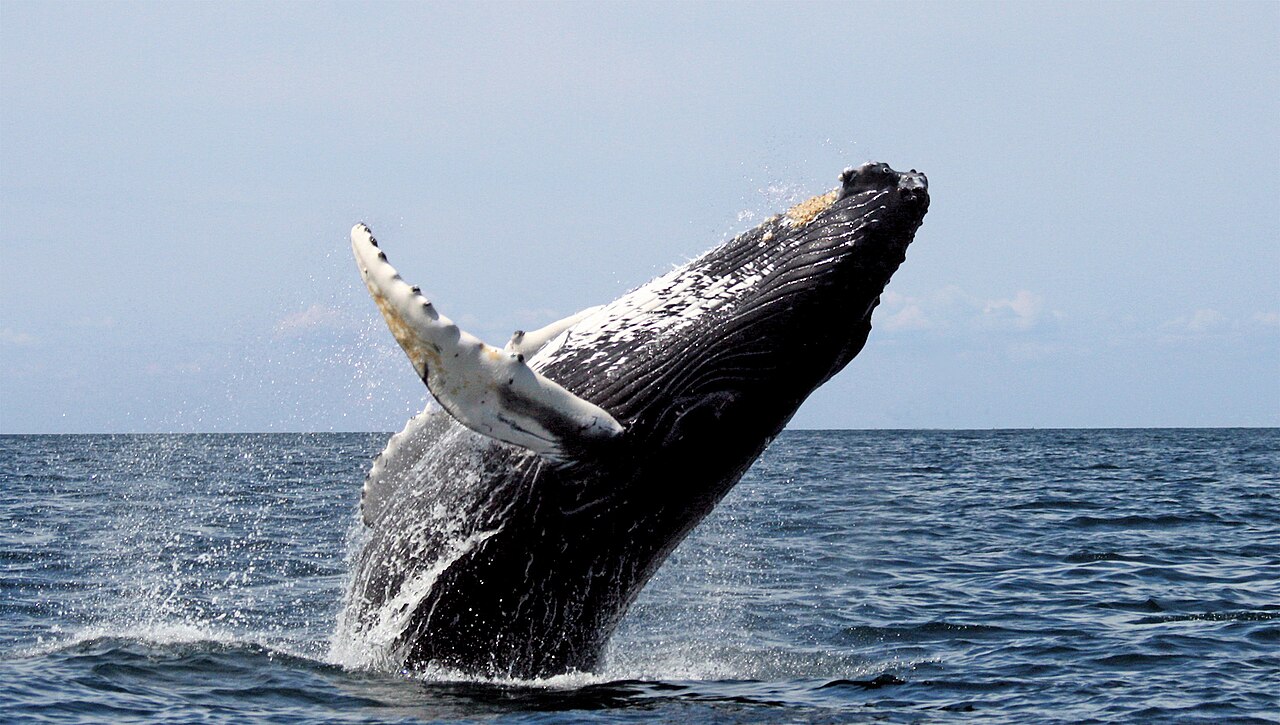
Megaptera novaeangliae
Industrial whaling removed more than 90 percent of most stocks; many have since rebounded.
Read entry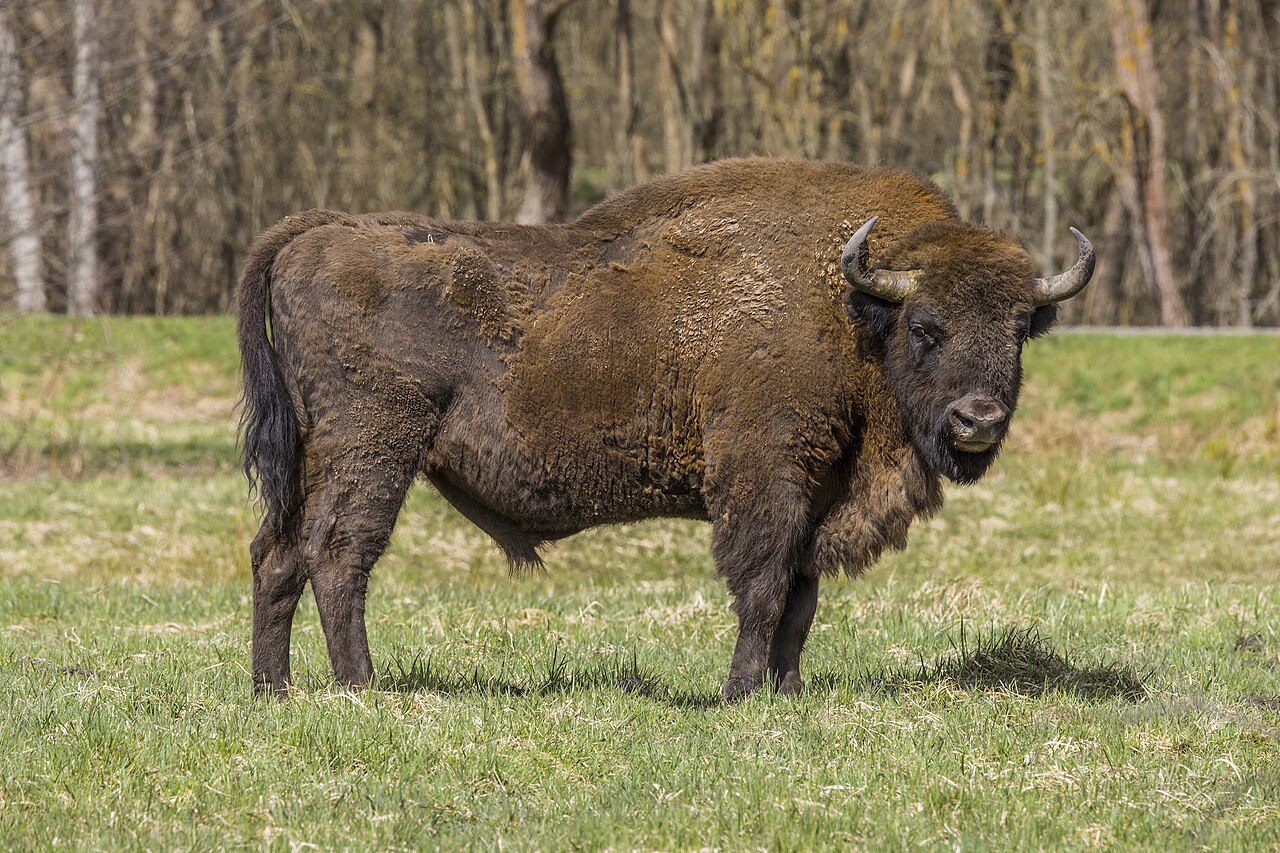
Bison bonasus
Wiped out in the wild in the early 1900s, then rebuilt: free-living herds grew from about 1,800 animals in 2003 to 6,244 across 47 subpopulations by 2019, and IUCN moved the species from Vulnerable to Near Threatened.
Read entry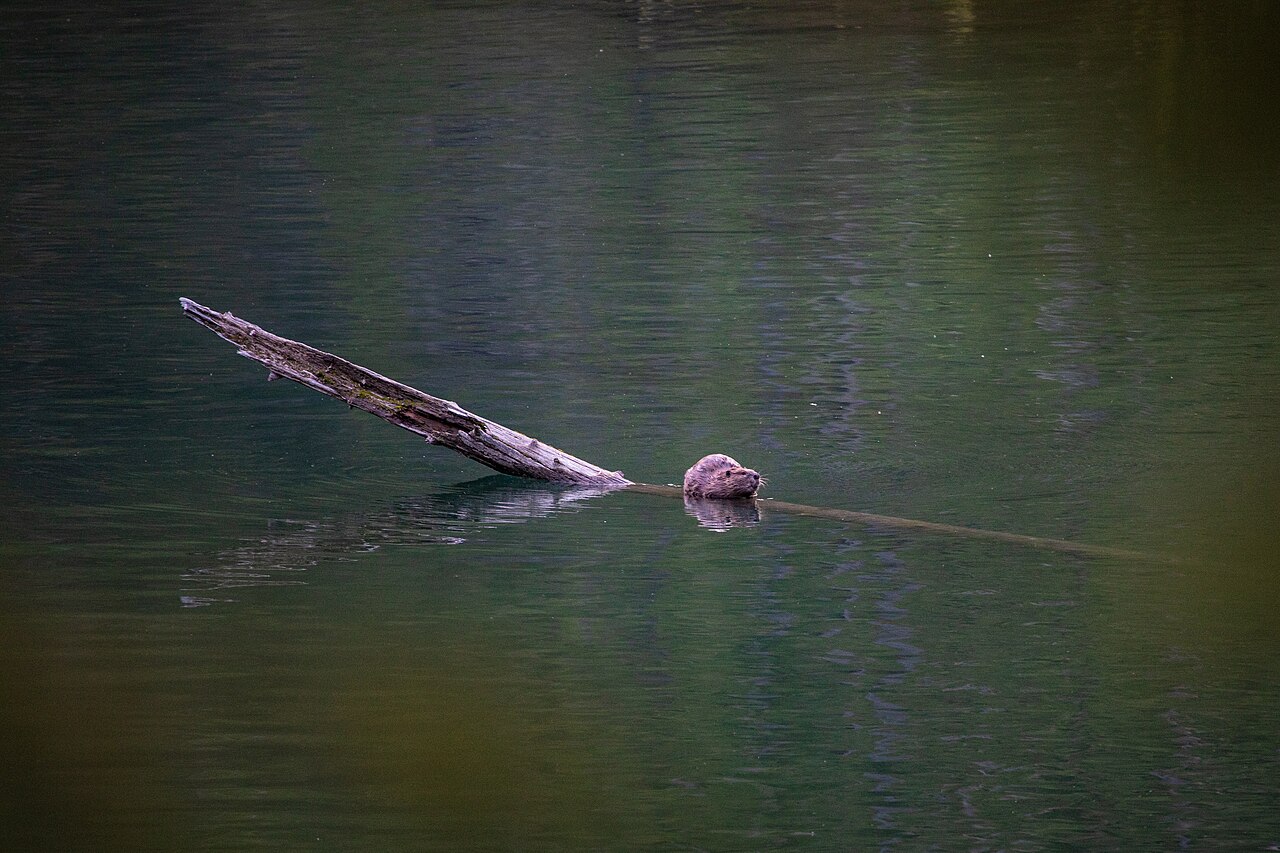
Castor canadensis
Almost erased across much of its range by about 1900 for felt hats; regulated trapping and mid-century reintroductions rebuilt a continent-wide keystone: IUCN now lists it Least Concern, with modern totals commonly estimated in the tens of millions (often ~10-15 million).
Read entry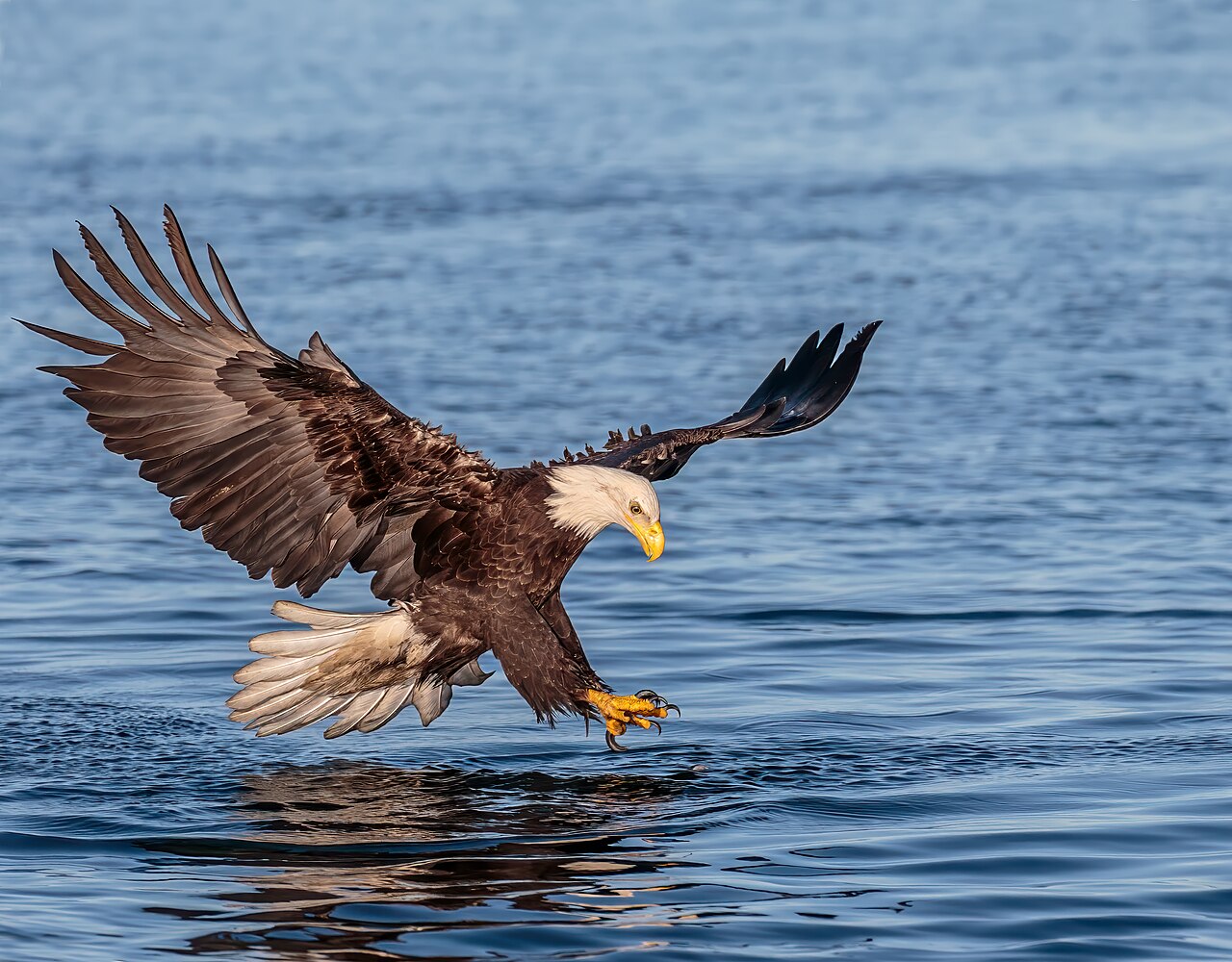
Haliaeetus leucocephalus
Down to 417 known nesting pairs in the lower 48 U.S. states in 1963. After the ban on dichlorodiphenyltrichloroethane and work under the Endangered Species Act, the U.S. Fish and Wildlife Service counted about 316,700 individuals and 71,467 occupied nests in the survey for 2018 to 2019.
Read entry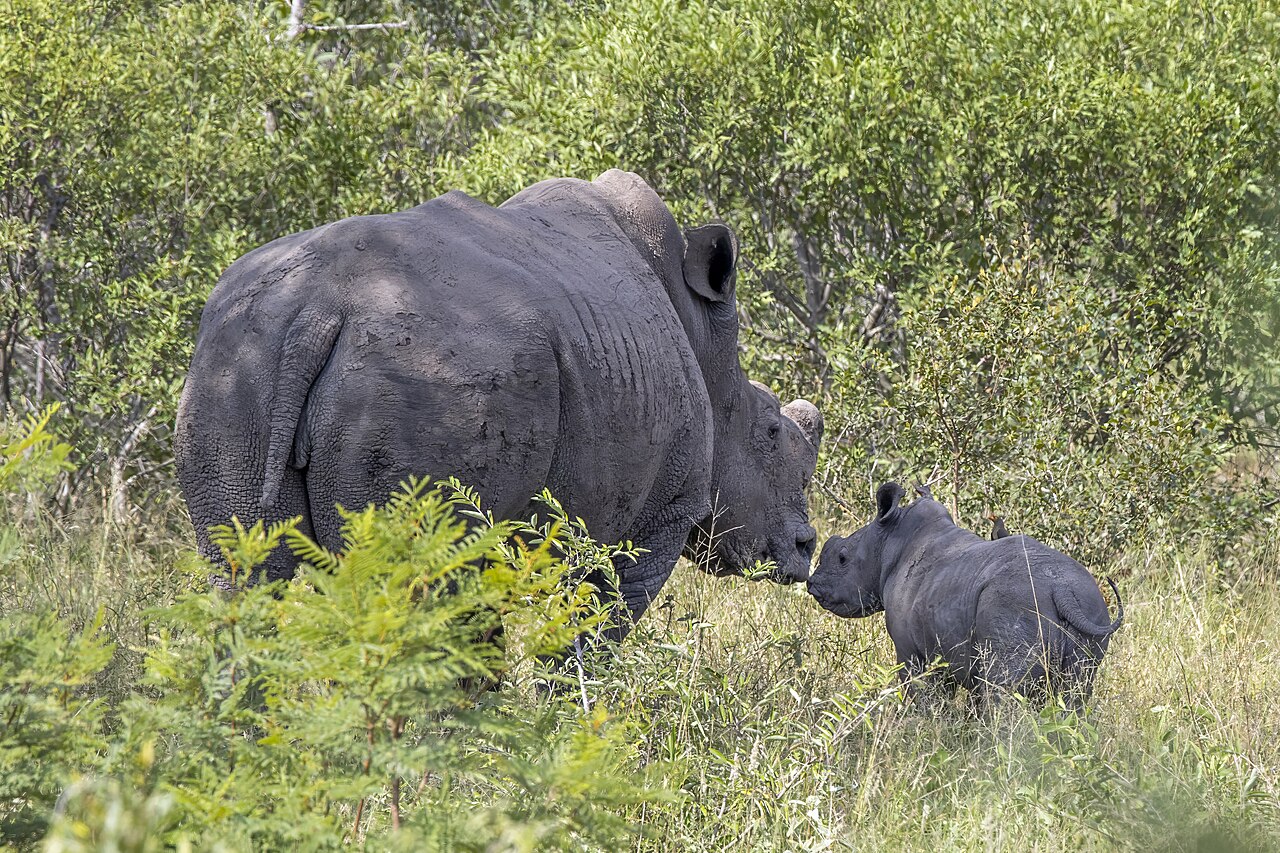
Ceratotherium simum
Southern white rhinos were hunted to a single South African refuge a century ago; IUCN/TRAFFIC now put African white rhinos at about 15,752 at end-2024: Near Threatened, and still the main living white-rhino stock.
Read entry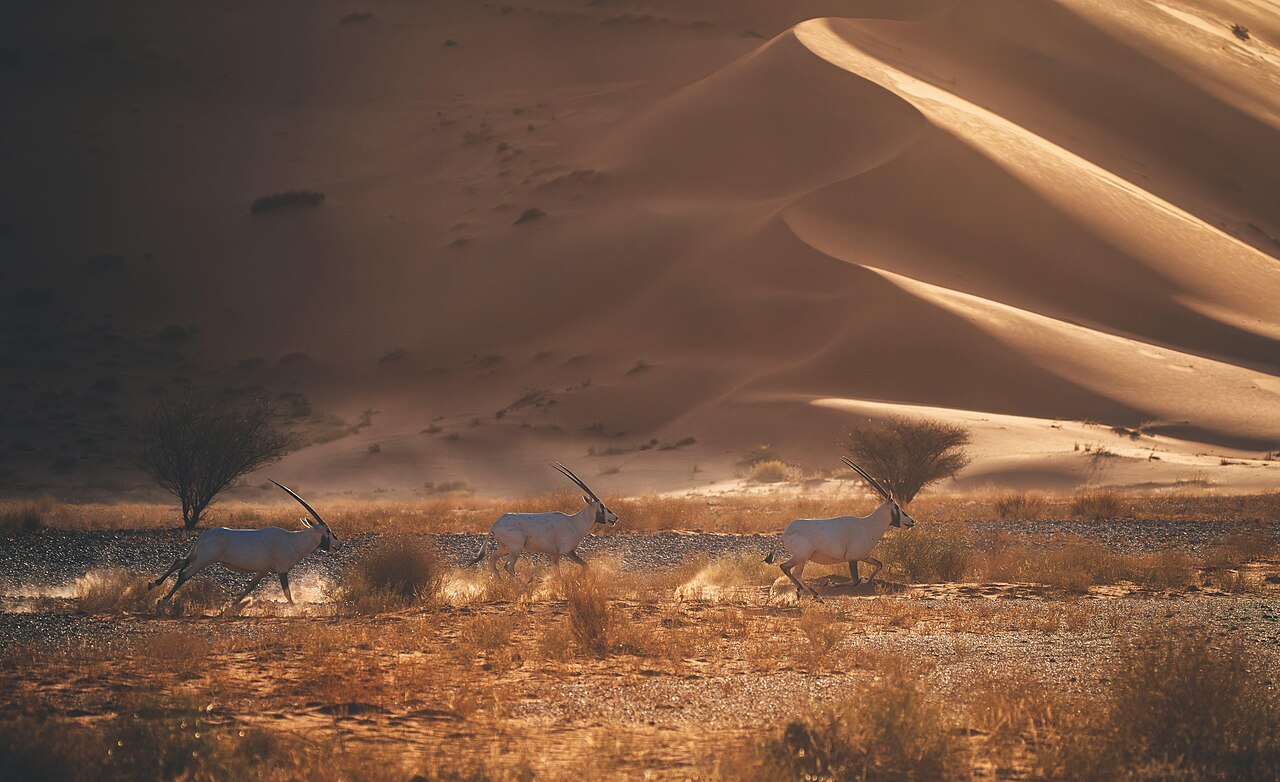
Oryx leucoryx
Declared extinct in the wild in the early 1970s, then returned from captive “world herds”; by the 2016 IUCN assessment about 1,220 animals lived wild again (850 mature), and the species became the first to move from Extinct in the Wild back to Vulnerable.
Read entry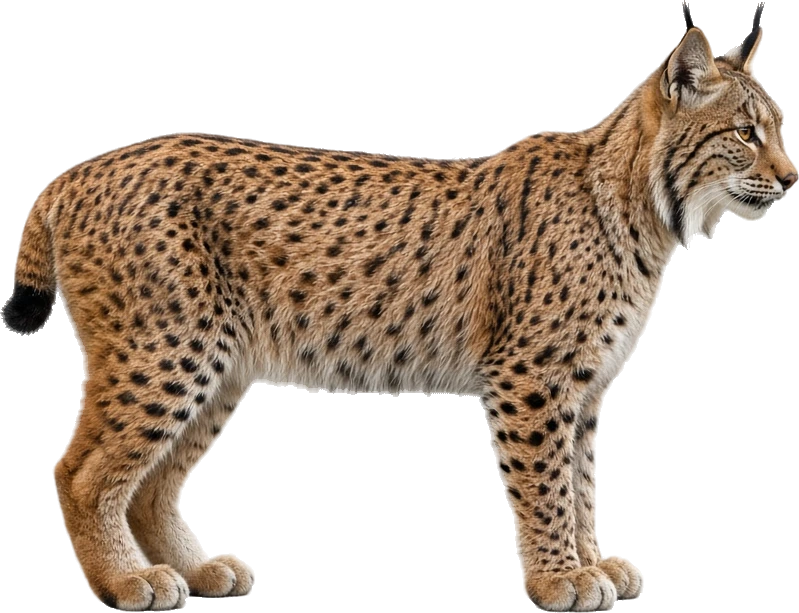
Lynx pardinus
Only 94 Iberian lynx were left in 2002, which made it the most endangered cat on Earth. The 2025 census counted 2,663 in Spain and Portugal.
Read entry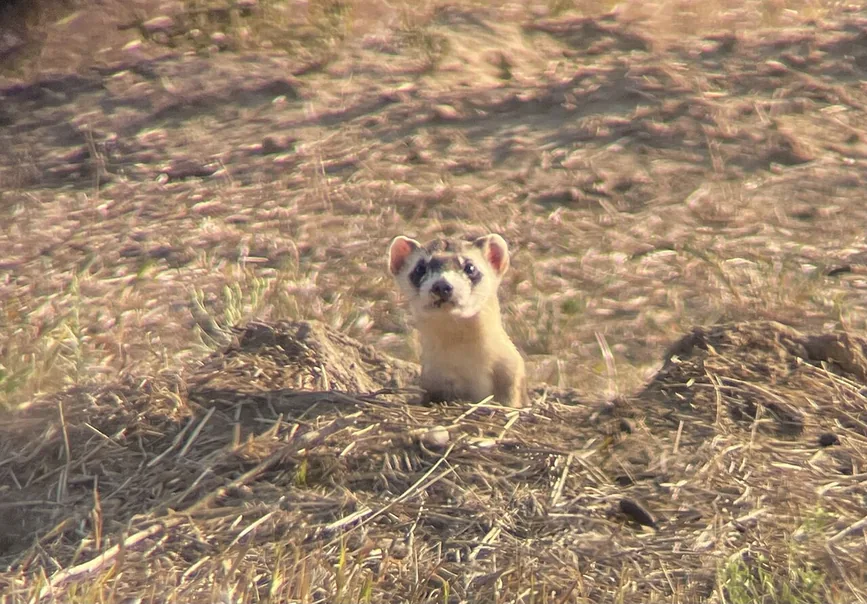
Mustela nigripes
North America's only native ferret, once thought extinct and saved from a last few wild animals.
Read entry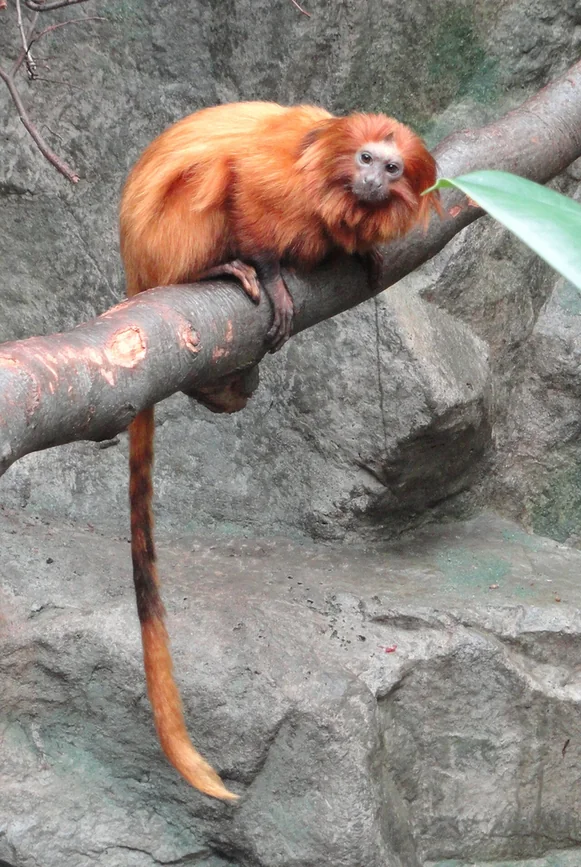
Leontopithecus rosalia
A tiny golden monkey of Brazil's coastal forest, brought back from about two hundred animals.
Read entry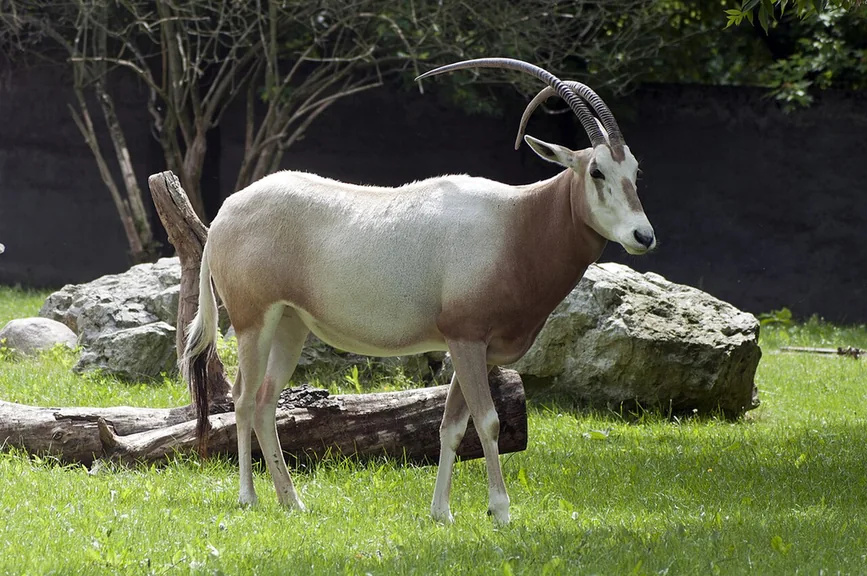
Oryx dammah
A desert antelope with sabre curved horns, once gone from the wild and now back in Chad.
Read entry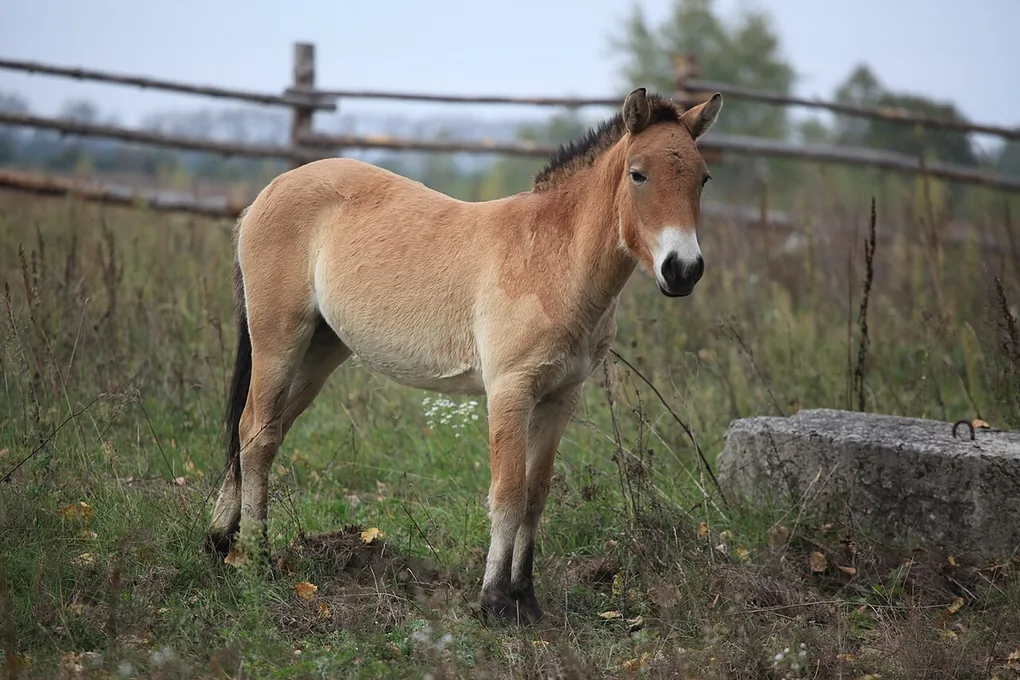
Equus ferus przewalskii
The last truly wild horse, saved in zoos and returned to the steppes of Asia.
Read entrySource: San Diego Zoo Wildlife Alliance Library: Przewalski's horse fact sheet
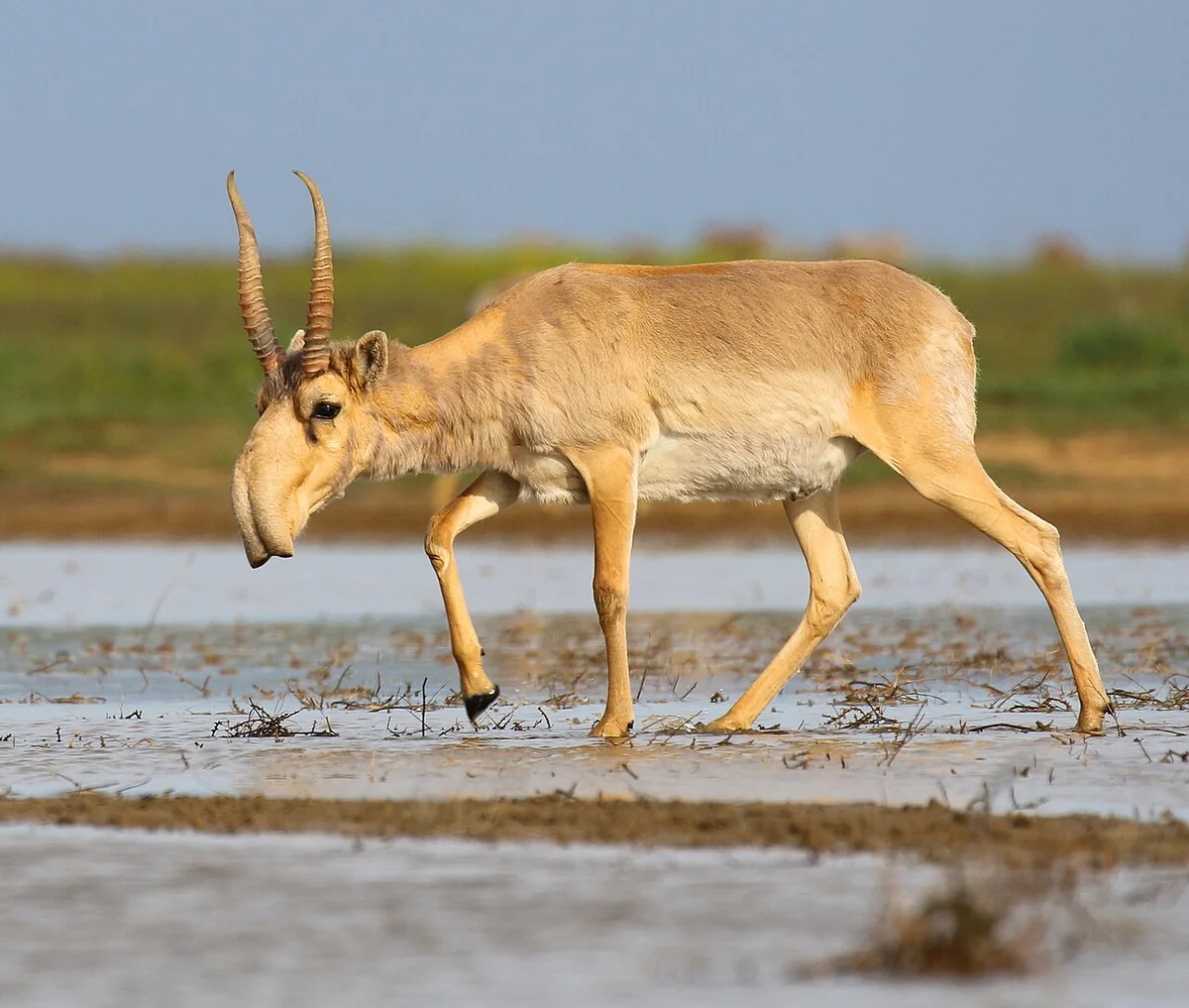
Saiga tatarica
A steppe antelope with a big soft drooping nose, brought back in Kazakhstan.
Read entry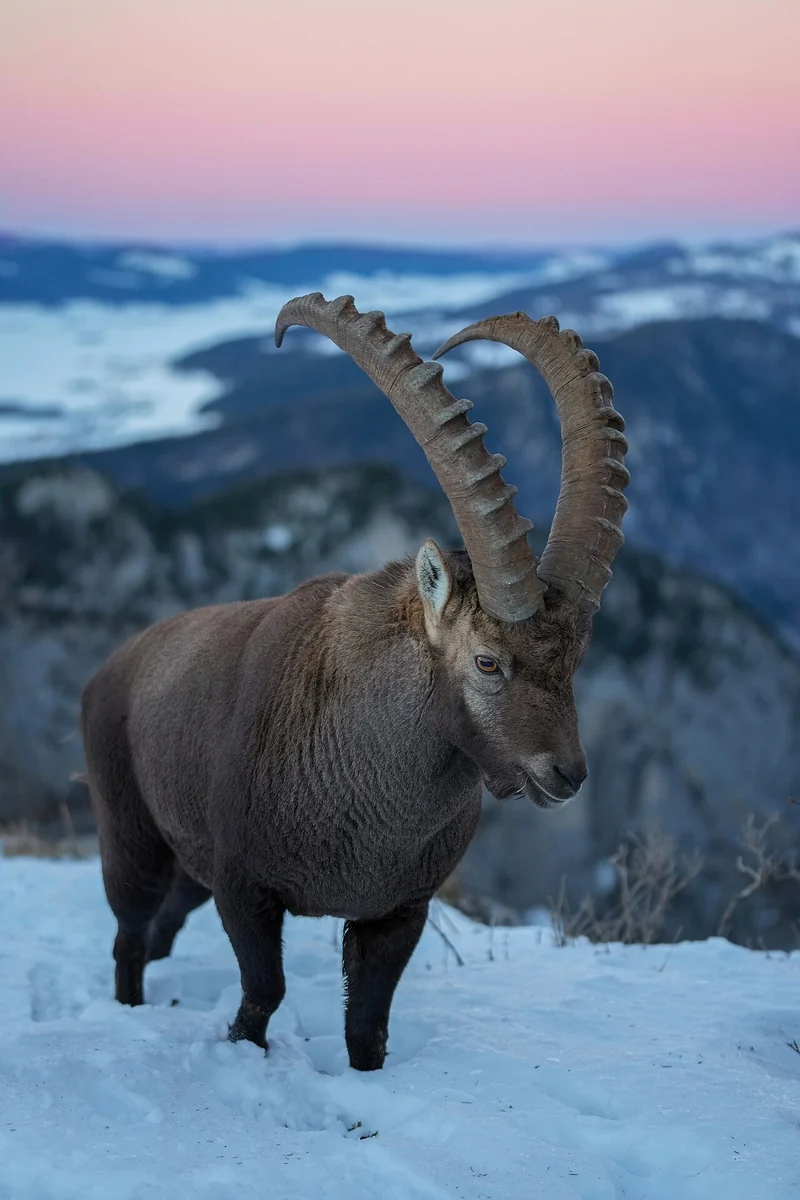
Capra ibex
A wild mountain goat of the Alps, saved from fewer than 100 animals in one Italian valley.
Read entry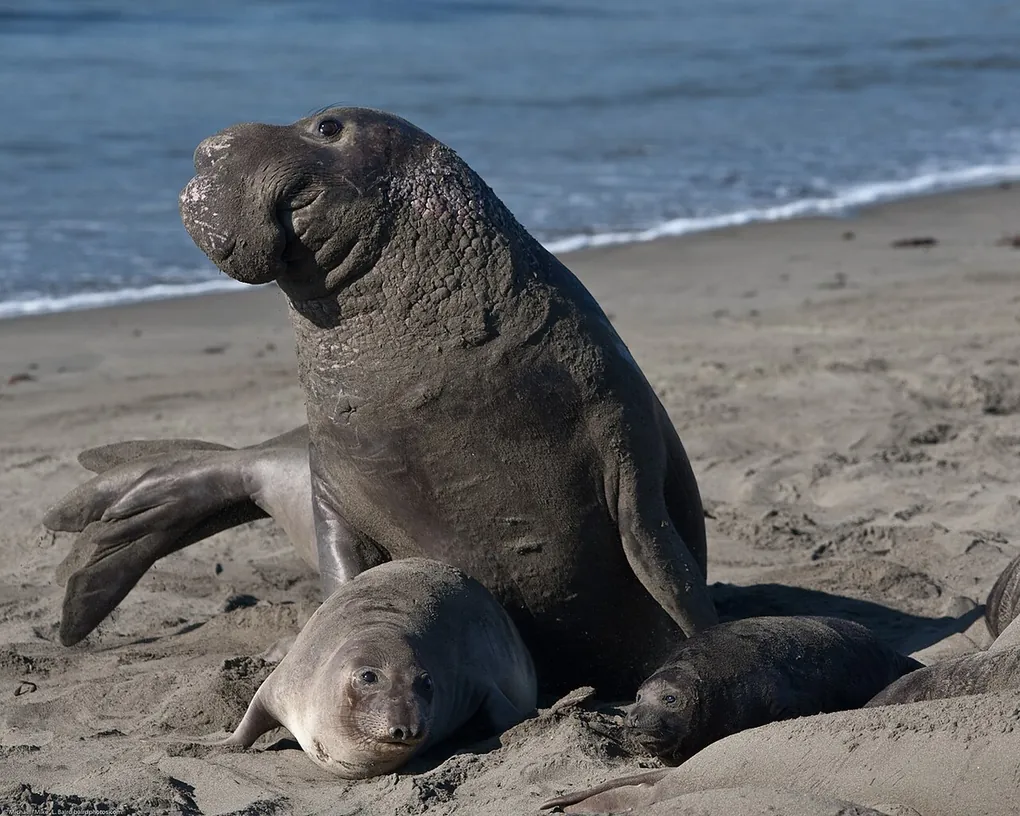
Mirounga angustirostris
A giant seal hunted until it was thought extinct, now crowding Pacific beaches again.
Read entry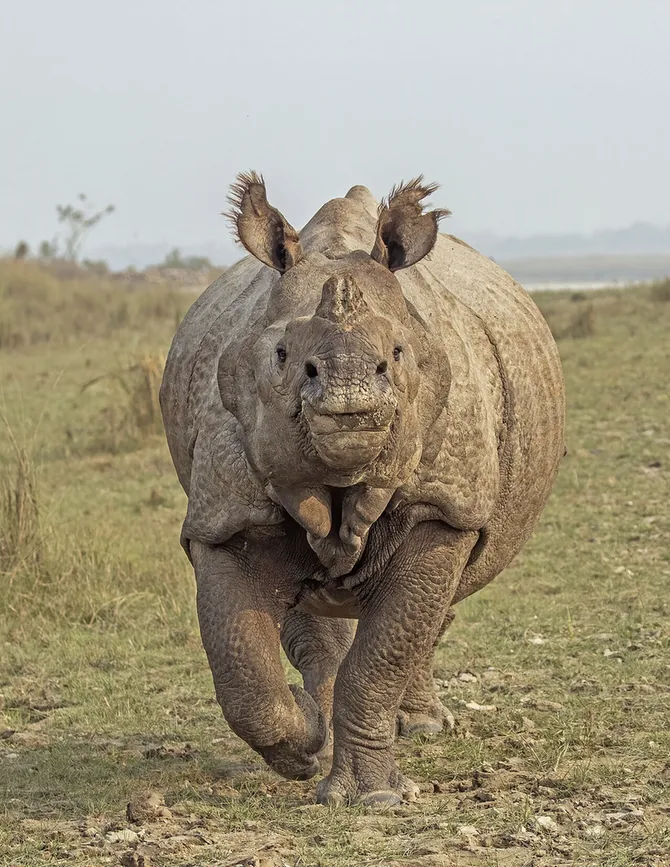
Rhinoceros unicornis
A one horned giant in armour like skin, brought back from fewer than 100 animals.
Read entry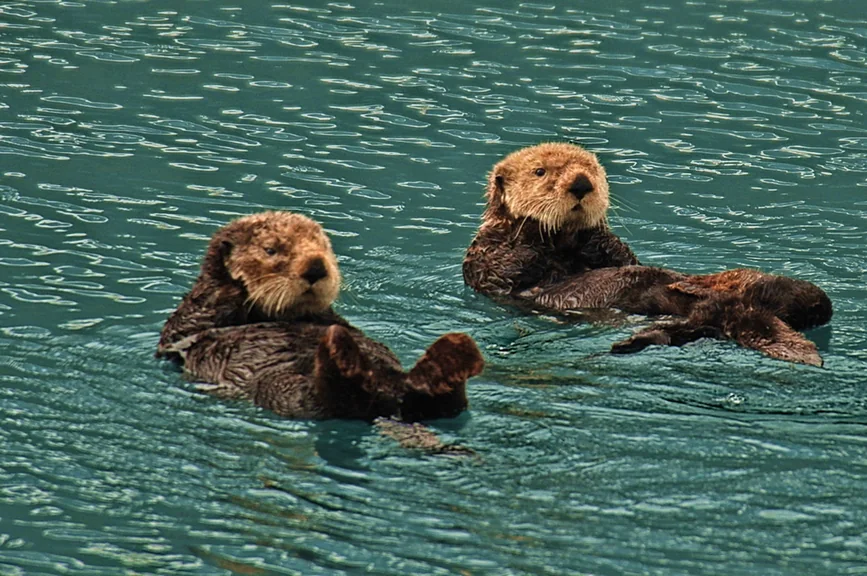
Enhydra lutris
The otter with the thickest fur of any animal, hunted almost to the end for it.
Read entry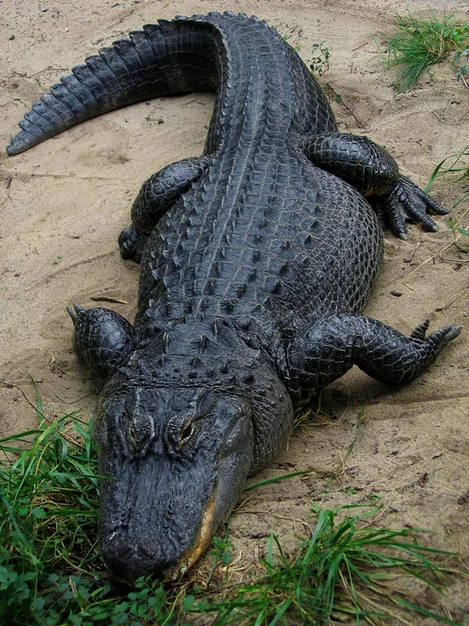
Alligator mississippiensis
A swamp giant once listed as endangered, now common again across the American South.
Read entry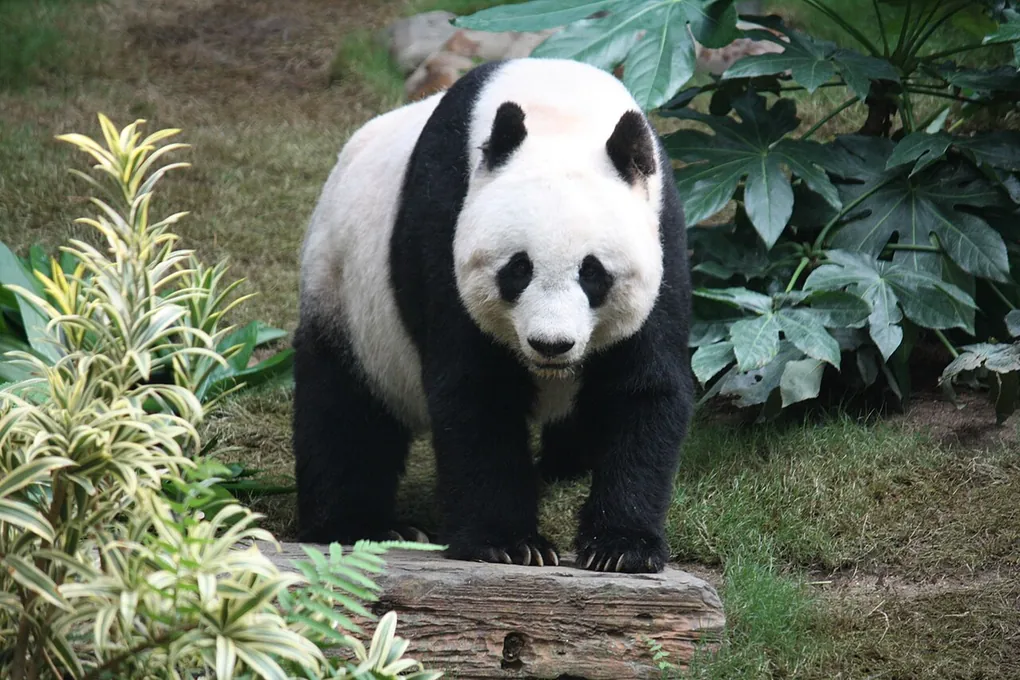
Ailuropoda melanoleuca
China's black and white bamboo eater, moved out of the Endangered category in 2016.
Read entrySource: San Diego Zoo Wildlife Alliance Library: Giant panda fact sheet
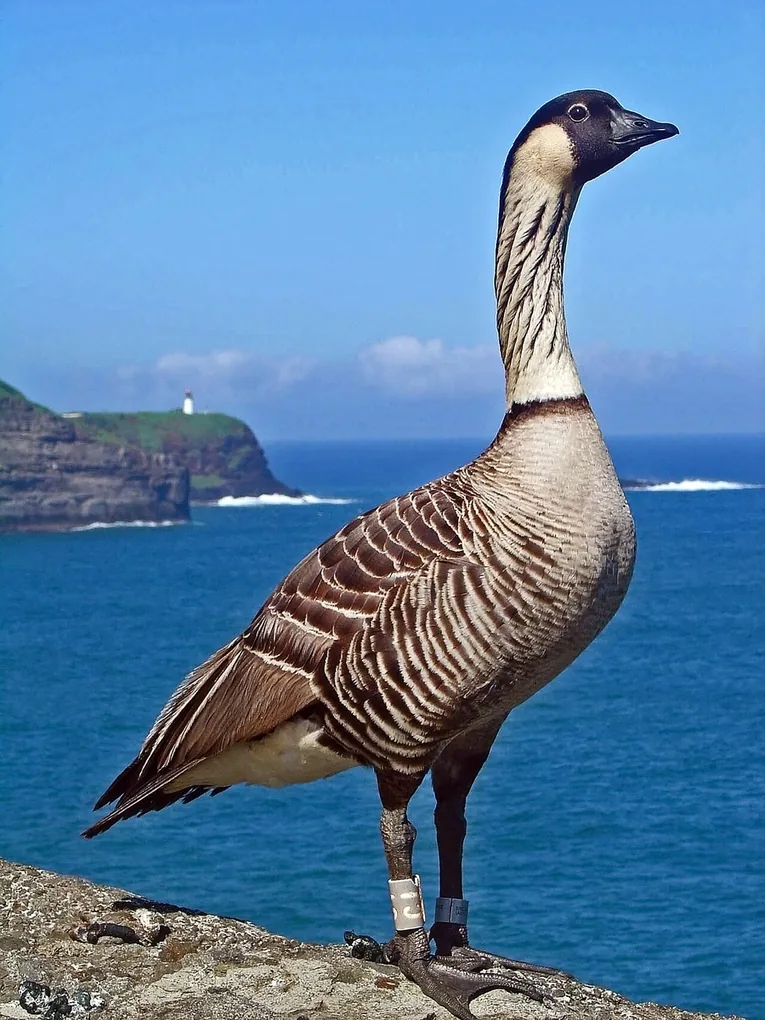
Branta sandvicensis
Hawaiʻi's own goose, brought back from about 30 wild birds.
Read entry