

What it is
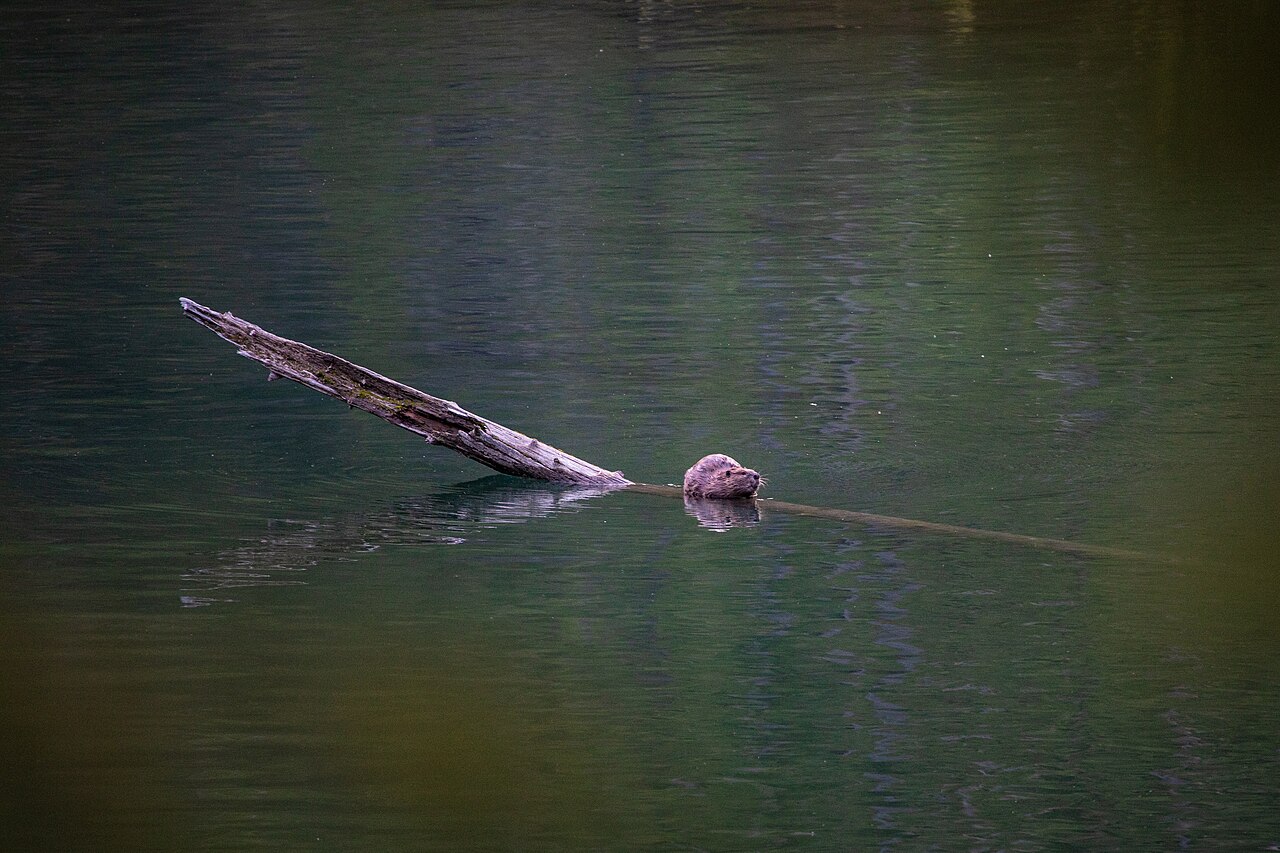
The New World dam-builder: same family as the Eurasian beaver already on this shelf, different species. It reshapes streams into wetlands that hold water, store carbon in ponds, and feed other wildlife.
Range
A continent-wide keystone again, restored where habitat remains, after being almost erased across much of its range. Not the Eurasian beaver (Castor fiber).
What happened
People hunted it to local extinction for fur, then brought it back. Where numbers are high it is now a farmland and road-culvert conflict species: a classic “still here, then boom” Surviving story, not an Endangered rarity.
When / status
By about 1900 beavers were nearly gone from many original habitats. USDA Forest Service Region 2 assessment: harvest rules, wetland protection, translocation, and natural spread restored populations where habitat remains. Modern totals are commonly estimated in the tens of millions (often ~10-15 million). A Stanford summary of recent mapping work cites a drop from rough pre-colonial 60-400 million guesses to about 10-15 million today: treat the historic ceiling as uncertain; the direction (collapse → millions again) is solid. IUCN: Least Concern.
Human role
The fur trade for felt hats nearly erased it. Regulated trapping and mid-century reintroductions rebuilt it.
Sources
IUCN Red List (Castor canadensis, Least Concern); Animal Diversity Web; USDA Forest Service Region 2 assessment; Stanford Report, 11 Aug 2025; Communications Earth & Environment (doi:10.1038/s43247-025-02572-y).