

What it is
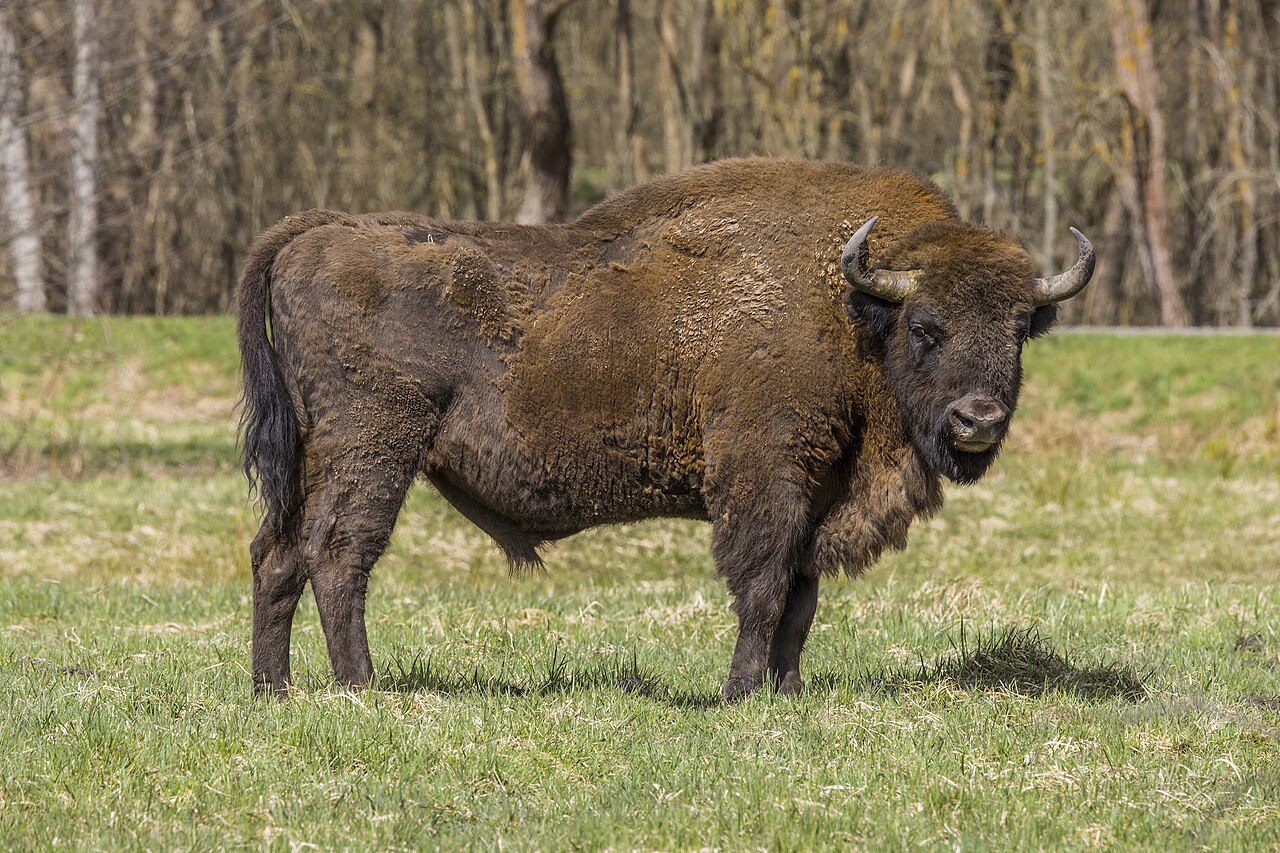
Europe’s largest land mammal: a wild cattle relative of the American bison, not the same species. Lowland and highland lines were saved in zoos after the last wild animals were shot, then released back into forests from the 1950s onward.
Range
Europe. By 2019 free-living animals were back in forests, across 47 subpopulations. Only about eight herds are large enough for long-term genetic viability; most herds stay small and mostly isolated.
What happened
This is a managed comeback after people emptied the range: captive breeding, reintroductions, and ongoing herd management. It is still conservation-dependent (small, mostly isolated herds), not an unthreatened boom like wild boar, but it is back on the landscape.
When / status
IUCN (2020 assessment): free-living population ~1,800 (2003) → 6,244 (2019) in 47 herds. Status: Near Threatened, moved from Vulnerable. A later Oryx note cited roughly 6,800 free-ranging by 2020 as planning continued.
Human role
People shot the last wild animals. Captive breeding, releases into forests from the 1950s, and ongoing herd management put free-living herds back.
Sources
IUCN Red List (Bison bonasus, Near Threatened, 2020); IUCN news, 10 Dec 2020; Oryx range-wide conservation action plan note.