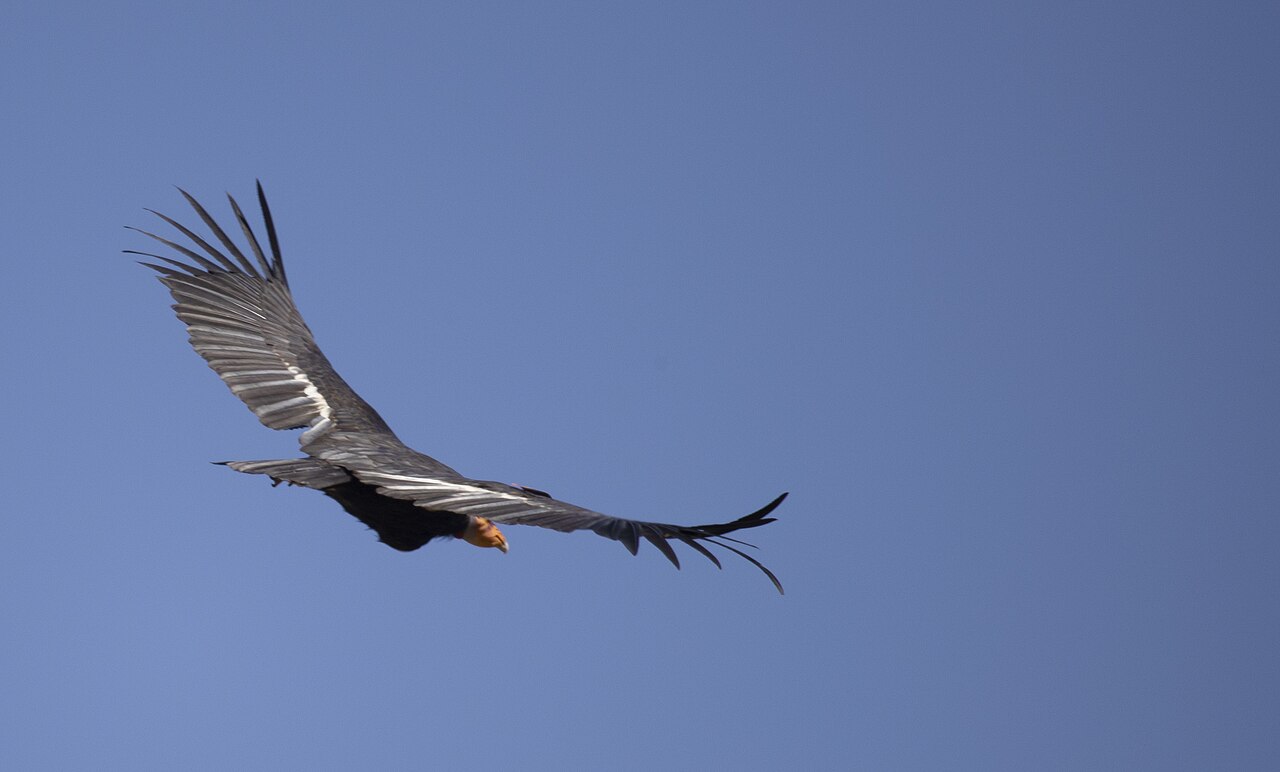
California condor
Gymnogyps californianus
North America’s largest land bird. Only 23 survived in 1982; captive breeding and release have helped the species recover, and lead poisoning still kills birds in the wild.
Read entryFive living birds and what has happened to their numbers: the California condor and the whooping crane of North America, the Atlantic puffin of the cold North Atlantic, the African penguin of the coasts of southern Africa and the wandering albatross of the Southern Ocean.
Gymnogyps californianus
North America’s largest land bird. Only 23 survived in 1982; captive breeding and release have helped the species recover, and lead poisoning still kills birds in the wild.
Read entry
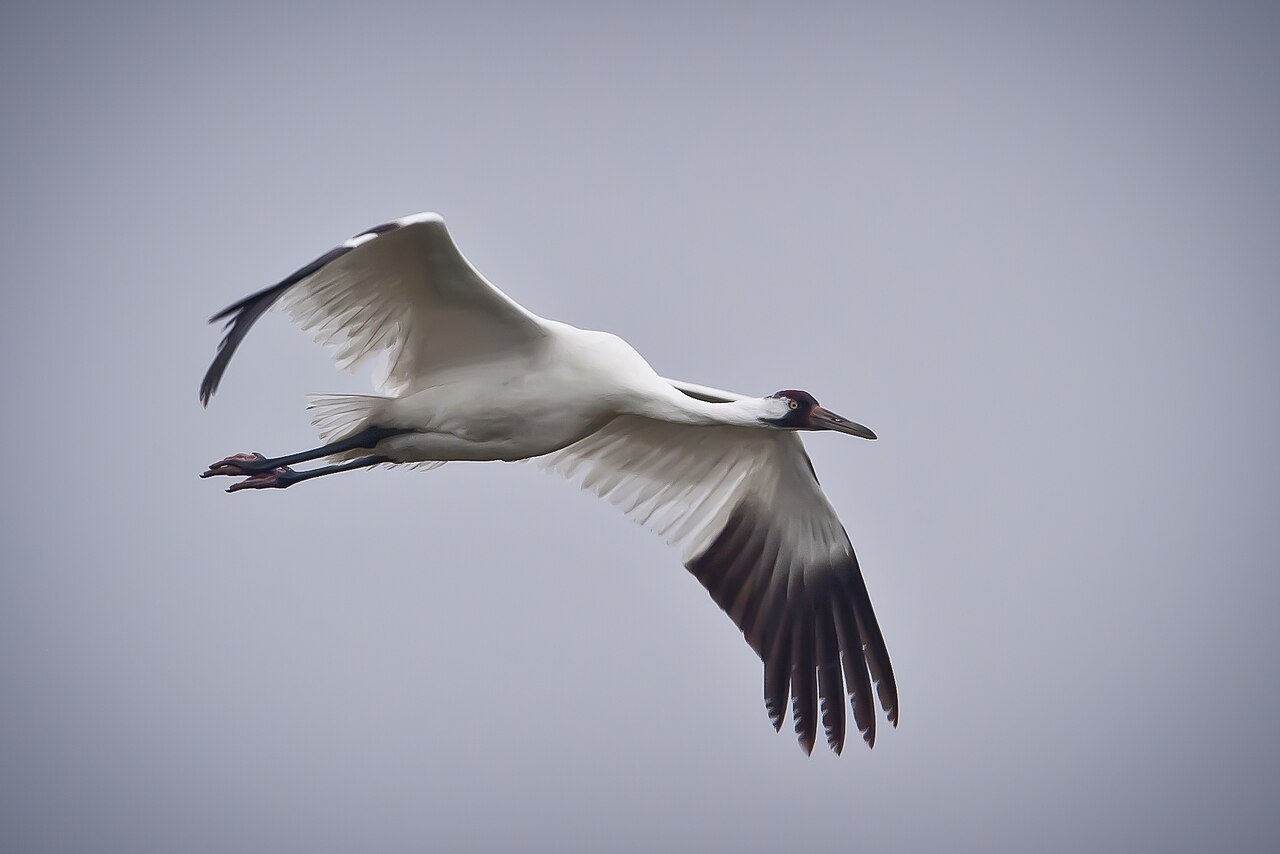
Grus americana
North America’s tallest bird. Only 16 were left in 1941; the one wild flock that sustains itself is now estimated at 557 and still migrates between northern Canada and the Texas coast.
Read entrySource: U.S. Fish and Wildlife Service, 2025 wintering whooping crane count
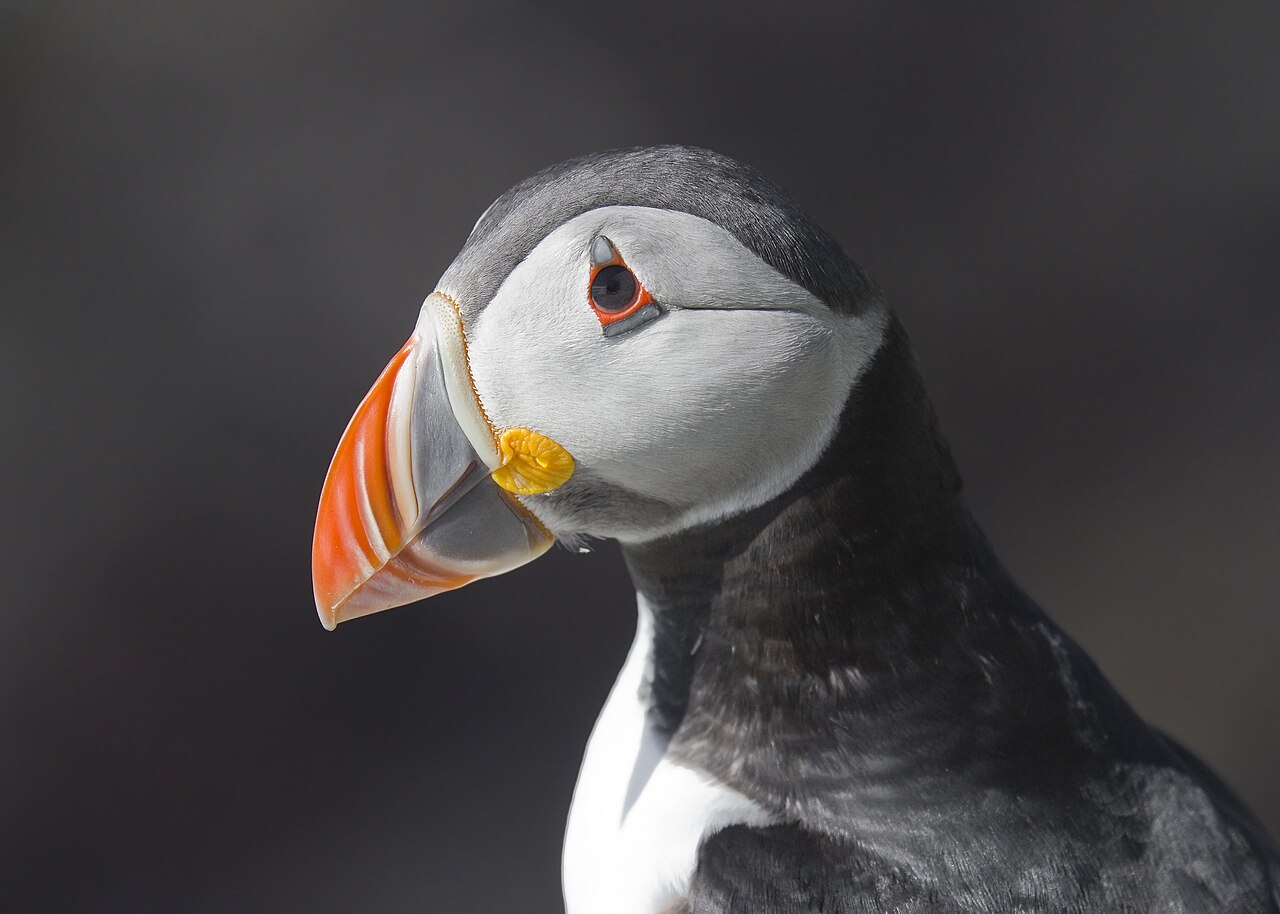
Fratercula arctica
A small seabird of the cold North Atlantic. Millions remain, but in Europe the population is estimated to have fallen by 68 percent in 50 years as seas warm and fish stocks change.
Read entry
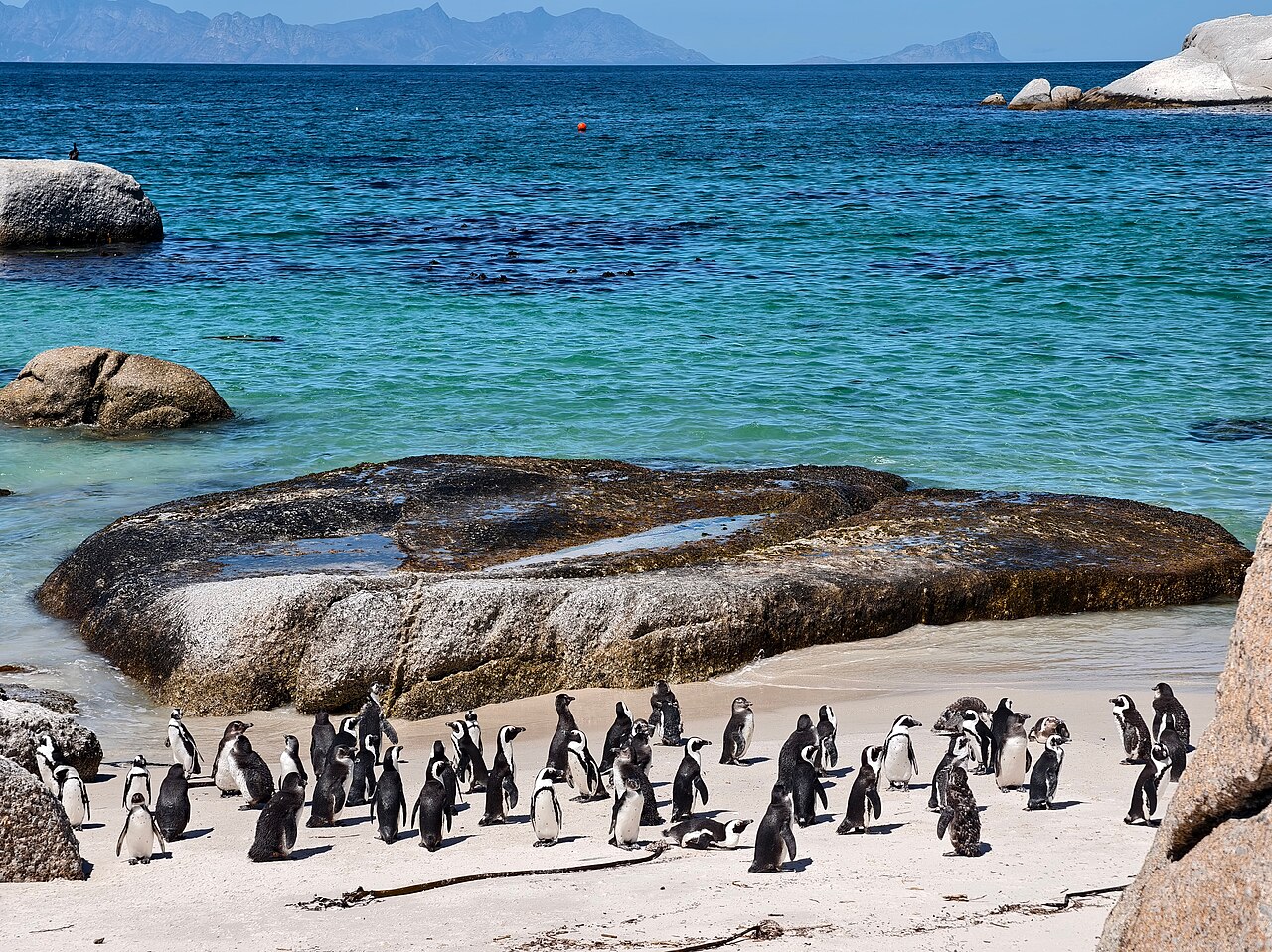
Spheniscus demersus
A small penguin of the coasts of South Africa and Namibia. Fewer than 32,000 are left in the wild, and in November 2024 its status was raised to Critically Endangered.
Read entrySource: BirdLife International, African penguin on the brink of extinction
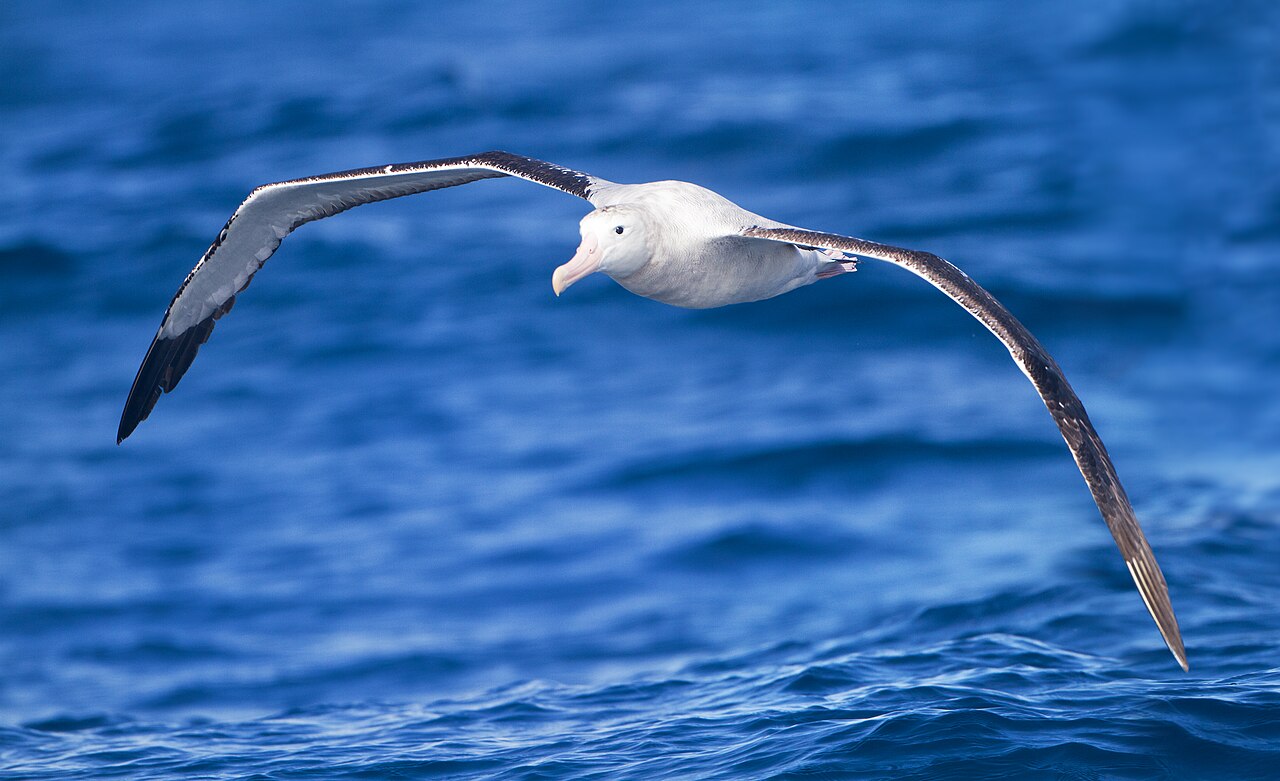
Diomedea exulans
A giant seabird that nests on a few Southern Ocean islands and breeds only every second year. Numbers have fallen where longline fishing is linked to lower adult survival.
Read entrySource: Agreement on the Conservation of Albatrosses and Petrels, wandering albatross assessment