
← Terraforming · Water & diversion
Jonglei Canal
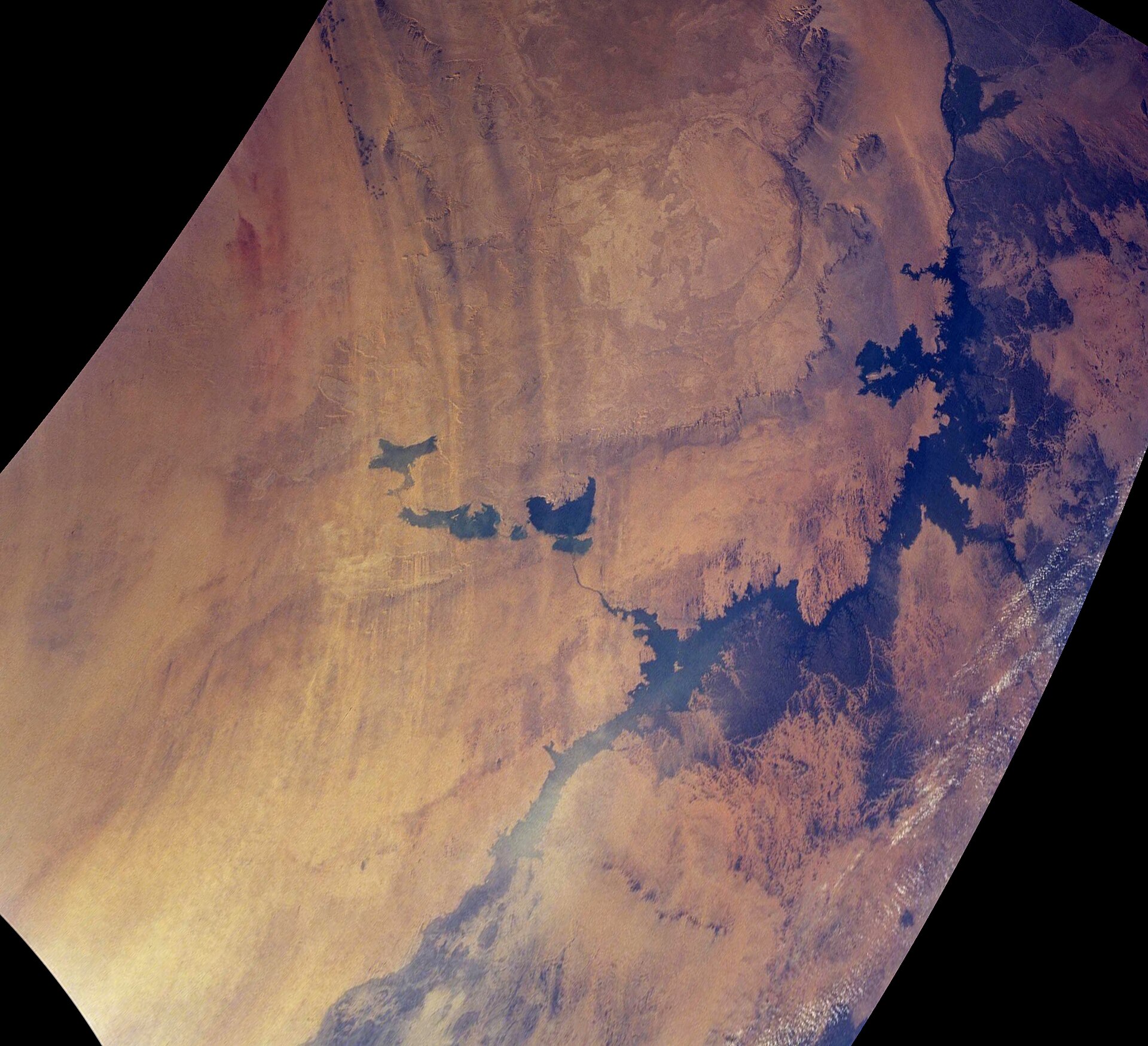
Bypass the Sudd so more White Nile water reaches Sudan and Egypt. About two-thirds of the cut was dug. War stopped the machine. The wetland is still there.

Jurisdiction: Sudan, then South Sudan (with Egyptian interest)
Years / status: British-era ideas from the 1900s; studies 1946 and 1954-59. Construction 1978-1984. About 240 km of ~360 km excavated. Status: failed / incomplete.
The plan
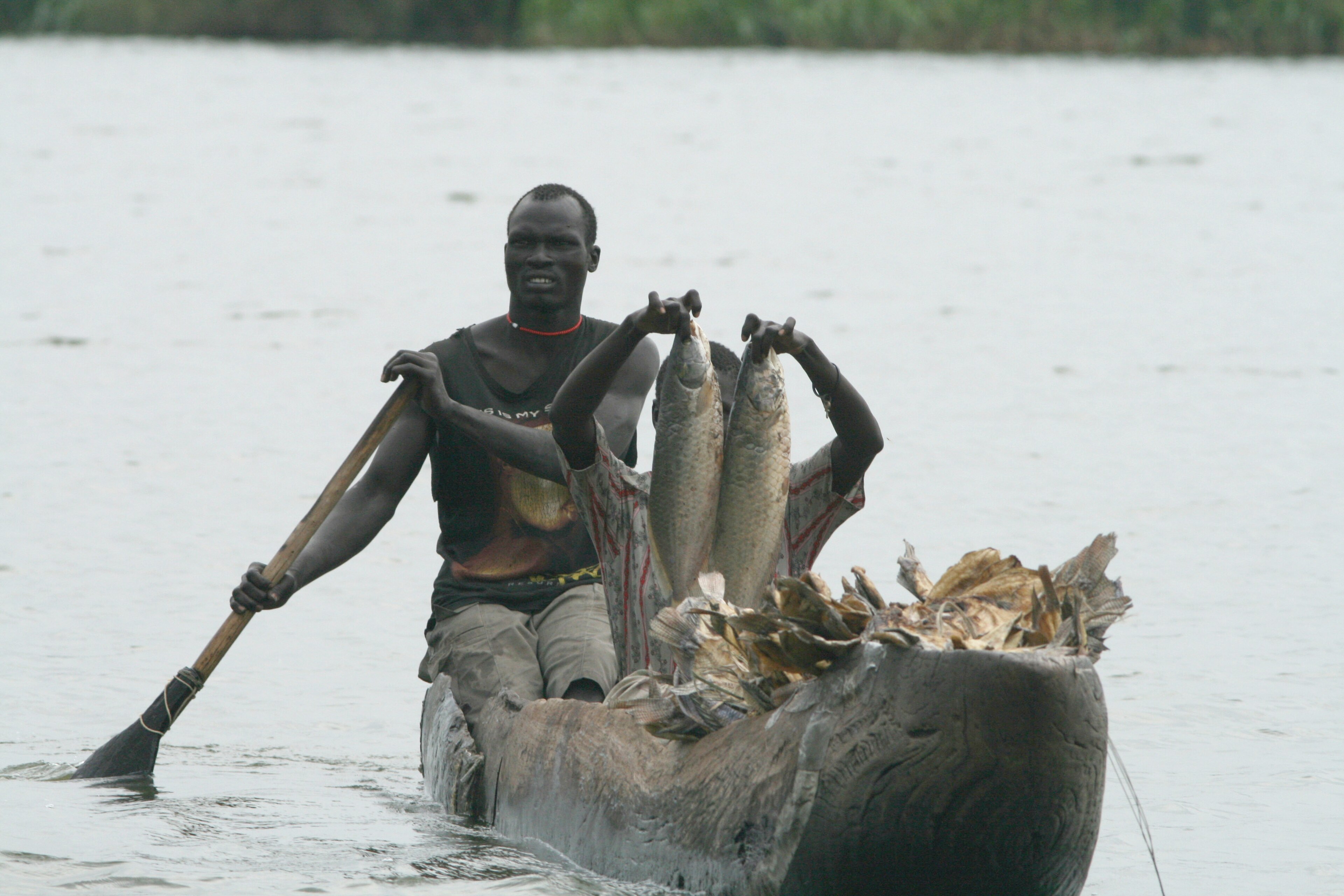
A canal from near Bor toward the White Nile below the Sudd would reduce evaporation in one of Africa’s largest wetlands and send on the order of several extra cubic kilometres a year downstream. Egypt and Khartoum wanted irrigation water. Local pastoral and fishing economies live on the flood.
Construction / status
Excavation began in 1978 with a giant German-built bucket-wheel machine. By 1984 the SPLA had halted the works; later accounts say the machine was attacked and left in the cut. Roughly 240 kilometres of a planned 360 were dug. The unfinished trench is still visible. South Sudan’s independence in 2011 removed Khartoum from the ditch.
What went wrong, or only partly worked
No completed canal, no measured extra Nile delivery from Jonglei. Periodic revival talk (feasibility studies, flood-control reframes) meets local opposition; AP reported a 2022 petition against restarting. Presidency officials have also said there is no plan to resume the old project. Hydrology papers still treat Sudd evaporation as large: that is a water account, not a permit to drain a Ramsar-scale wetland.
Lessons
A canal that ignores the people in the swamp will be fought as politics, not only as hydrology. “Lost” evaporation is someone else’s fishery and pasture. An incomplete megacut is not a half-success; it is a scar and a live argument.
Sources
AP 2022 on the incomplete canal and opposition to revival; NASA Earth Observatory on the Sudd; Howell, Lock & Cobb (Cambridge, 1988) on the original scheme.