← Solutions

Materials

Cement, metals, timber, and recycled building materials already cutting embodied carbon.

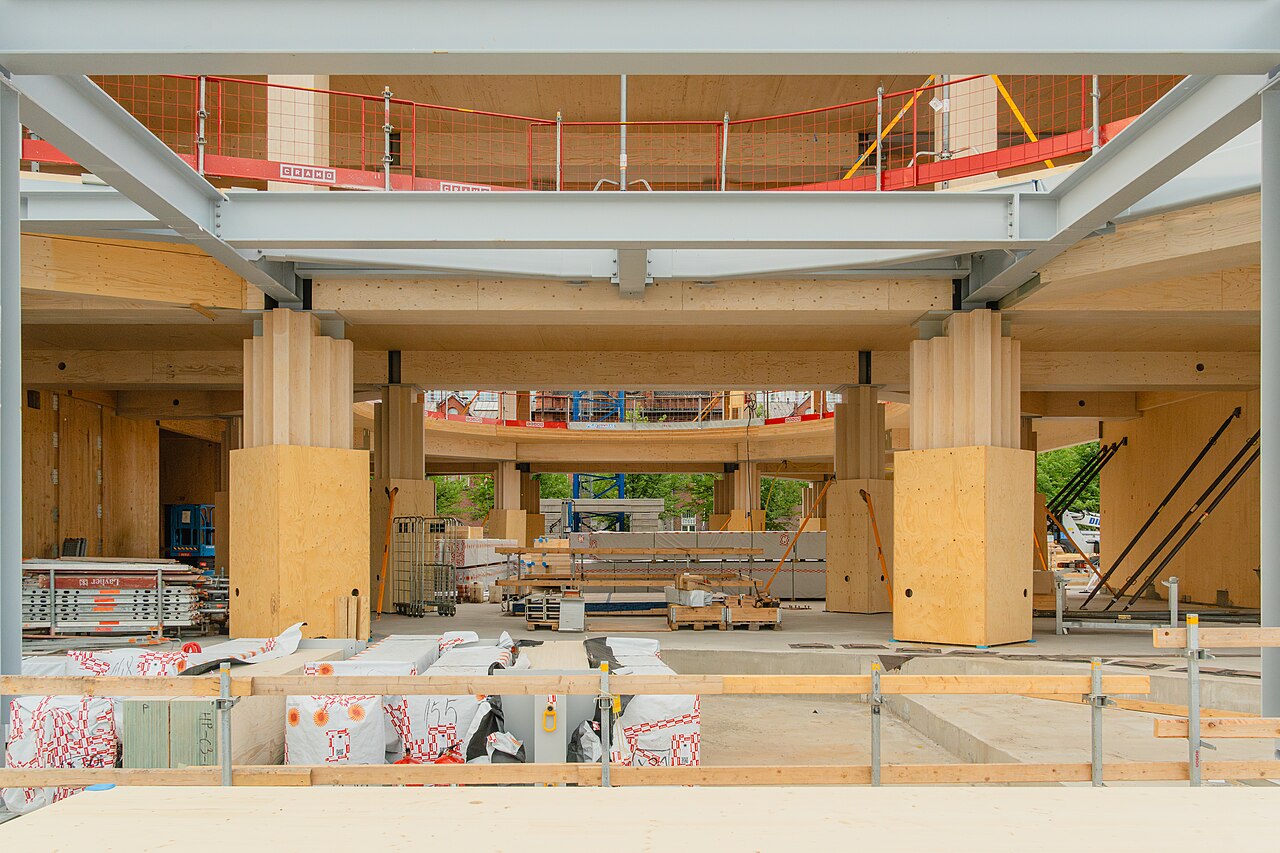
Mass-timber columns and beams of a mid-rise building under construction in Helsinki
Materials

Mass timber and CLT

Steel-and-concrete mid-rises

Problem
Mid-rise buildings usually mean steel and concrete, both carbon-heavy to make. Wood was long limited to small houses by fire codes.
Fix
Cross-laminated timber and related mass-timber panels are already used in mid-rise buildings in Europe, Canada, and a growing U.S. market: including projects such as Brock Commons in Vancouver and Nordic offices. Carbon stays stored only if the forest is not stripped and the building lasts. Fire, moisture, and honest forest sourcing are the real constraints: not a cartoon of wooden skyscrapers replacing all concrete.
Explore solution →

Source: USDA Forest Service: Forest Products Laboratory

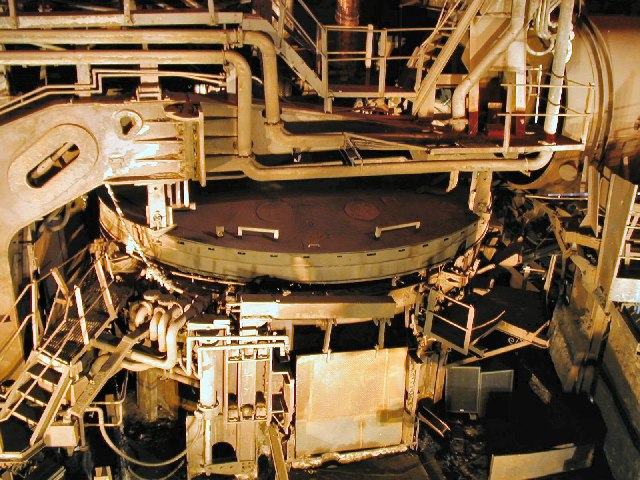
Interior of an electric-arc furnace hall with a circular furnace lid, pipes, and walkways
Materials

Scrap furnaces and hydrogen iron

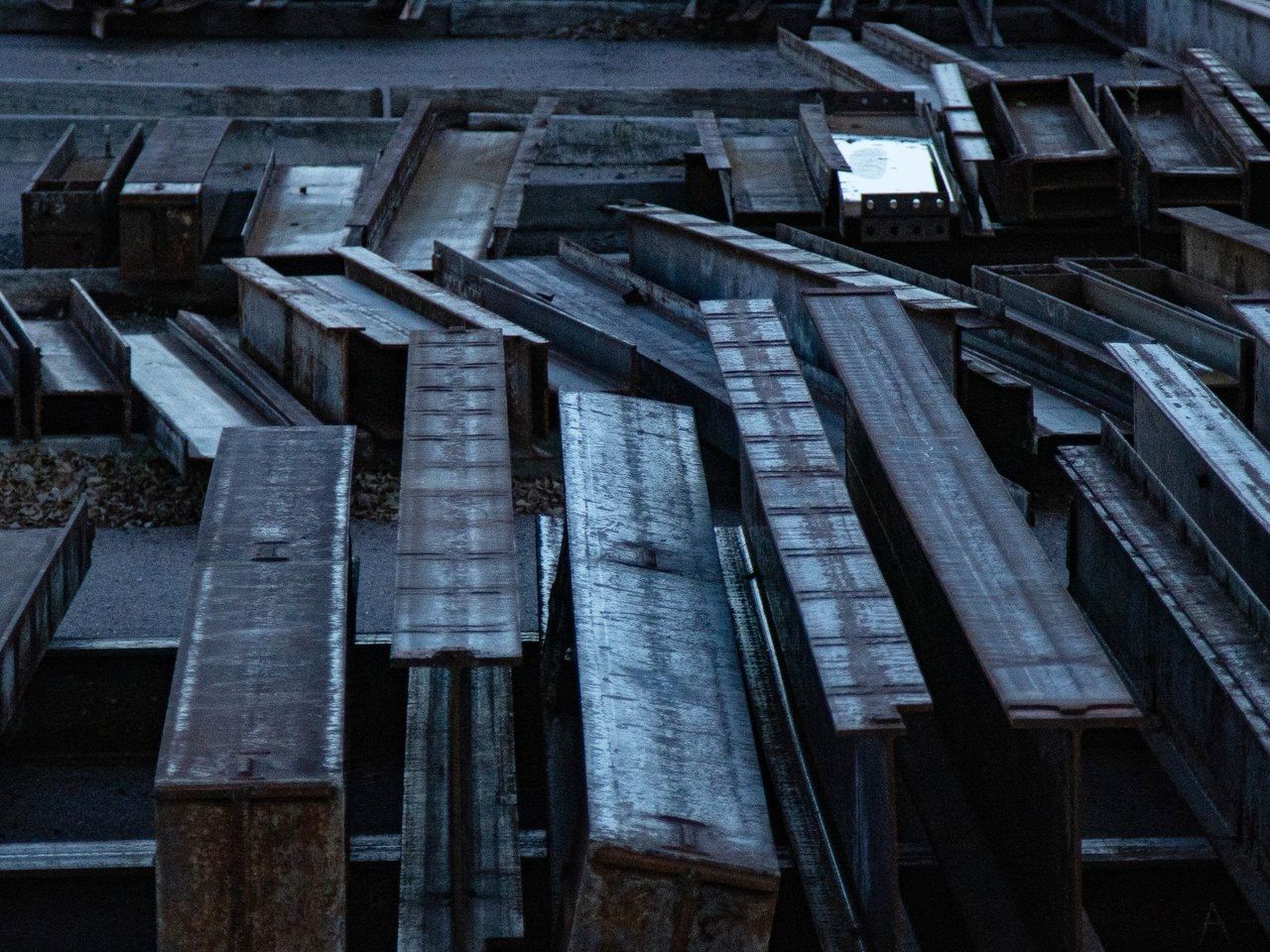
Blast-furnace steel

Problem
Making iron in a coal-fired blast furnace is one of the largest industrial CO₂ sources. The world still needs steel for rails, machines, and frames.
Fix
Melting scrap in an electric-arc furnace is the proven lower-carbon path where scrap and clean power exist. Hydrogen-based direct reduced iron: SSAB’s HYBRIT plant in Sweden is a serious industrial trial: is beginning, not a global swap. Scrap is limited, hydrogen is scarce, and most tonnes still come from coal.
Explore solution →

Source: IEA: Iron and Steel

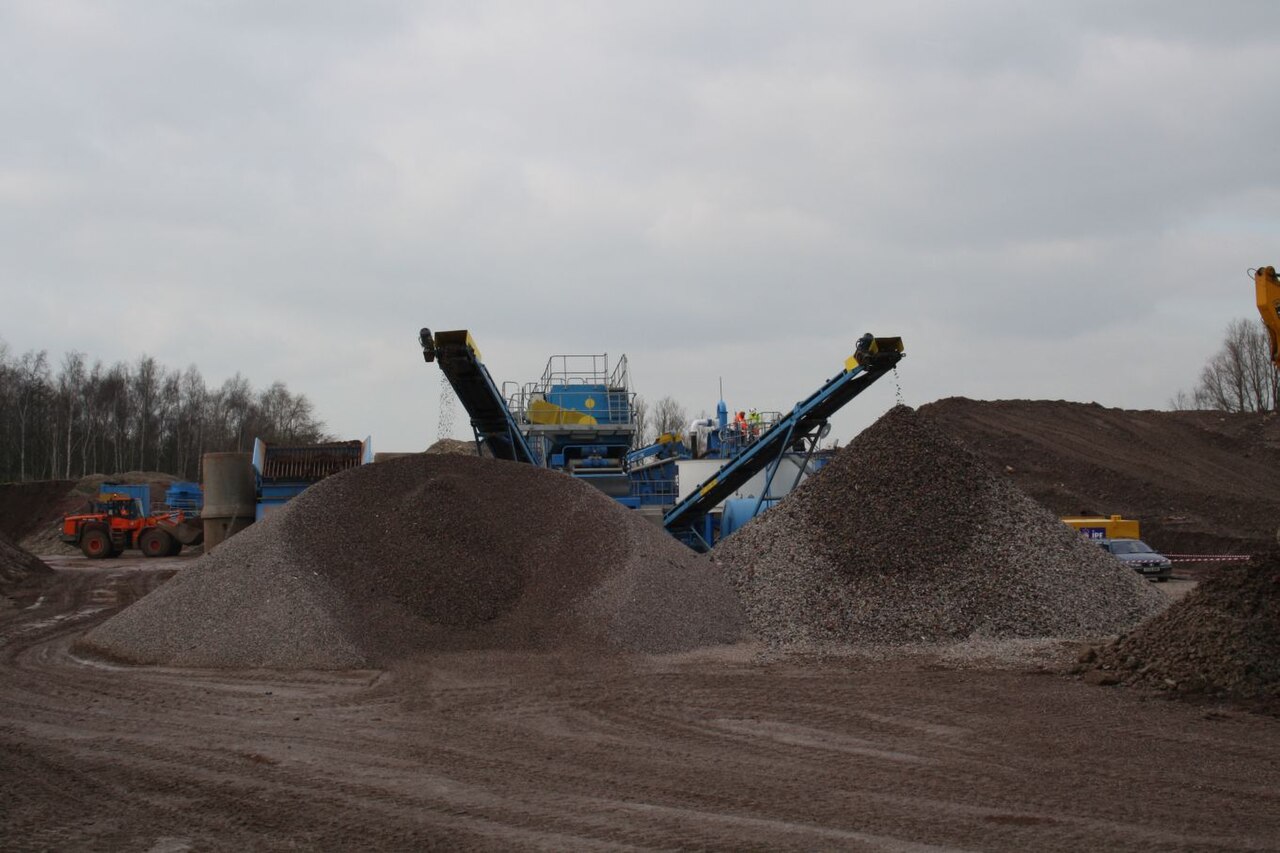
Open-air stockpiles of crushed recycled aggregate beside a materials yard
Materials

Recycled aggregate

Virgin stone while demolition rubble is dumped

Problem
Construction and demolition debris: soil, stone, concrete, brick, ceramics: is often Ireland’s largest waste stream. Virgin quarry rock still fills roads while that rubble goes to landfill.
Fix
Ireland’s EPA published national end-of-waste criteria for recycled aggregates in 2023. Clean crushed material can leave the waste regime and be sold as a product for general fill, roads, railway ballast, and other non-structural uses. A public register lists authorised producers. The criteria do not turn every mixed demolition pile into structural concrete. Contaminants stay waste. Recycling rubble is not a license to demolish faster.
Explore solution →

Source: European Commission: Construction and demolition waste

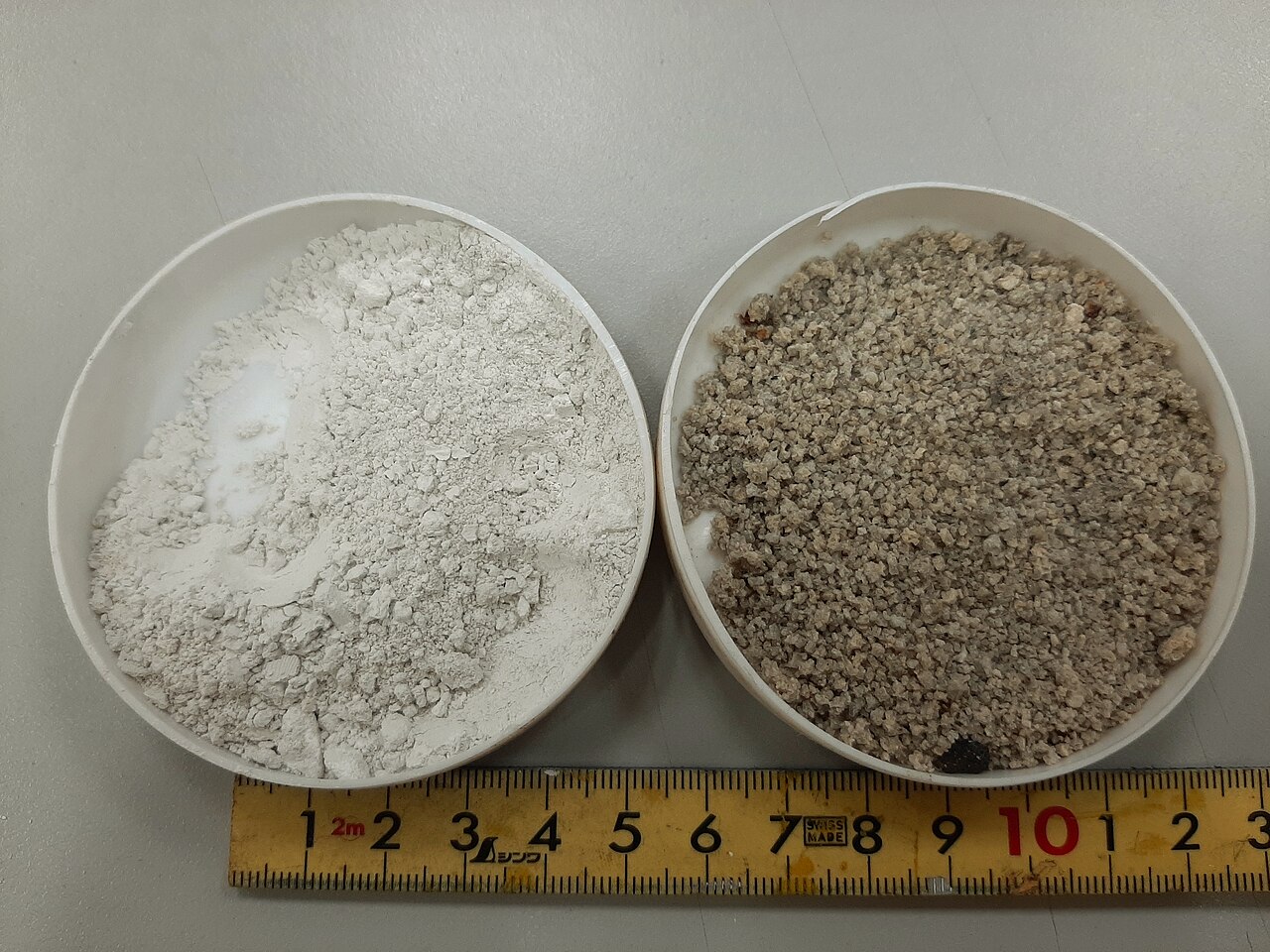
Two dishes of blast-furnace slag: a pale ground powder and coarser granulated slag beside a ruler
Materials

Geopolymer and alkali-activated binders

Binders that must cook limestone

Problem
Ordinary Portland cement needs a kiln that calcines limestone. That chemistry releases CO₂ even before the fuel is burned. Demand for concrete is still measured in gigatonnes.
Fix
A 2024 perspective in the Journal of the American Ceramic Society treats geopolymers and alkali-activated materials as binders made from aluminosilicate precursors: metakaolin, fly ash, slag: reacted with alkaline (or, less often, acid) activators instead of Portland clinker. Civil engineers often use the names loosely. The authors say life-cycle results are often better than Portland cement but not always, especially when sodium silicate and heat curing dominate. Precursors such as coal fly ash and blast-furnace slag are becoming scarcer. Codes, leaching tests, and worker safety for strong alkalis still limit everyday pours. This is not a drop-in bag of ordinary cement.
Explore solution →

Source: FHWA: TechBrief: Geopolymer Concrete

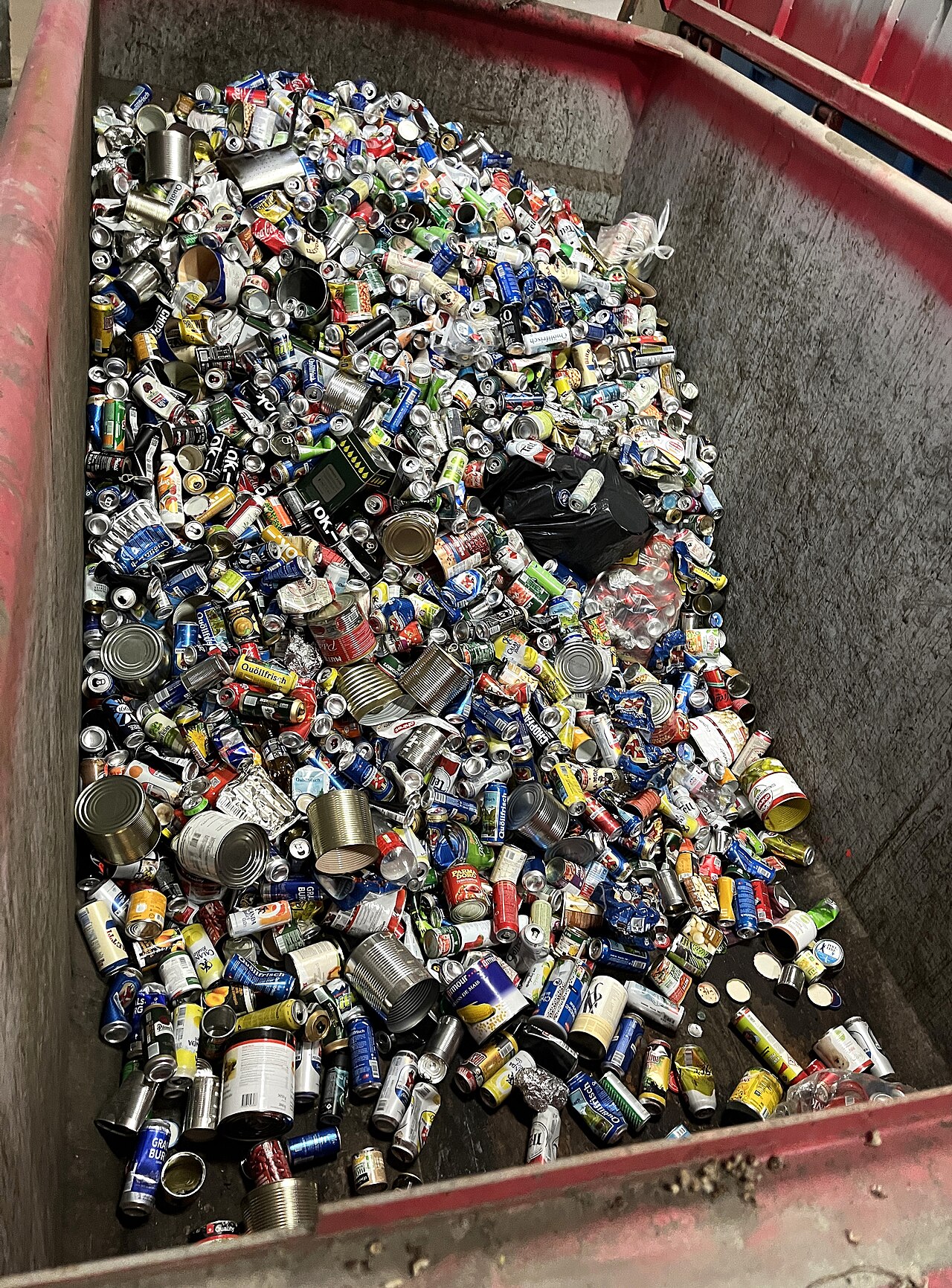
A red collection bin filled with used beverage cans and tins gathered for metal recycling
Materials

Recycled and secondary aluminium

New metal from ore when scrap already exists

Problem
Primary aluminium starts from bauxite and a power-hungry smelter. Scrap that could be remelted is still landfilled or exported as mixed waste.
Fix
The International Aluminium Institute says aluminium can be recycled repeatedly without losing its properties, and that about 75% of all aluminium ever produced is still in use. IAI figures for 2019 put primary energy at 186 GJ per tonne versus 8.3 GJ for recycled metal: about 95% less. For 2022 it reports 15.1 tonnes of CO₂e per tonne of primary metal versus 0.52 for recycled metal (gate-to-gate). Those are industry numbers. Recycling still needs collection, sorting, and a furnace. It does not make extra cans a climate strategy.
Explore solution →

Source: International Aluminium Institute: aluminium facts

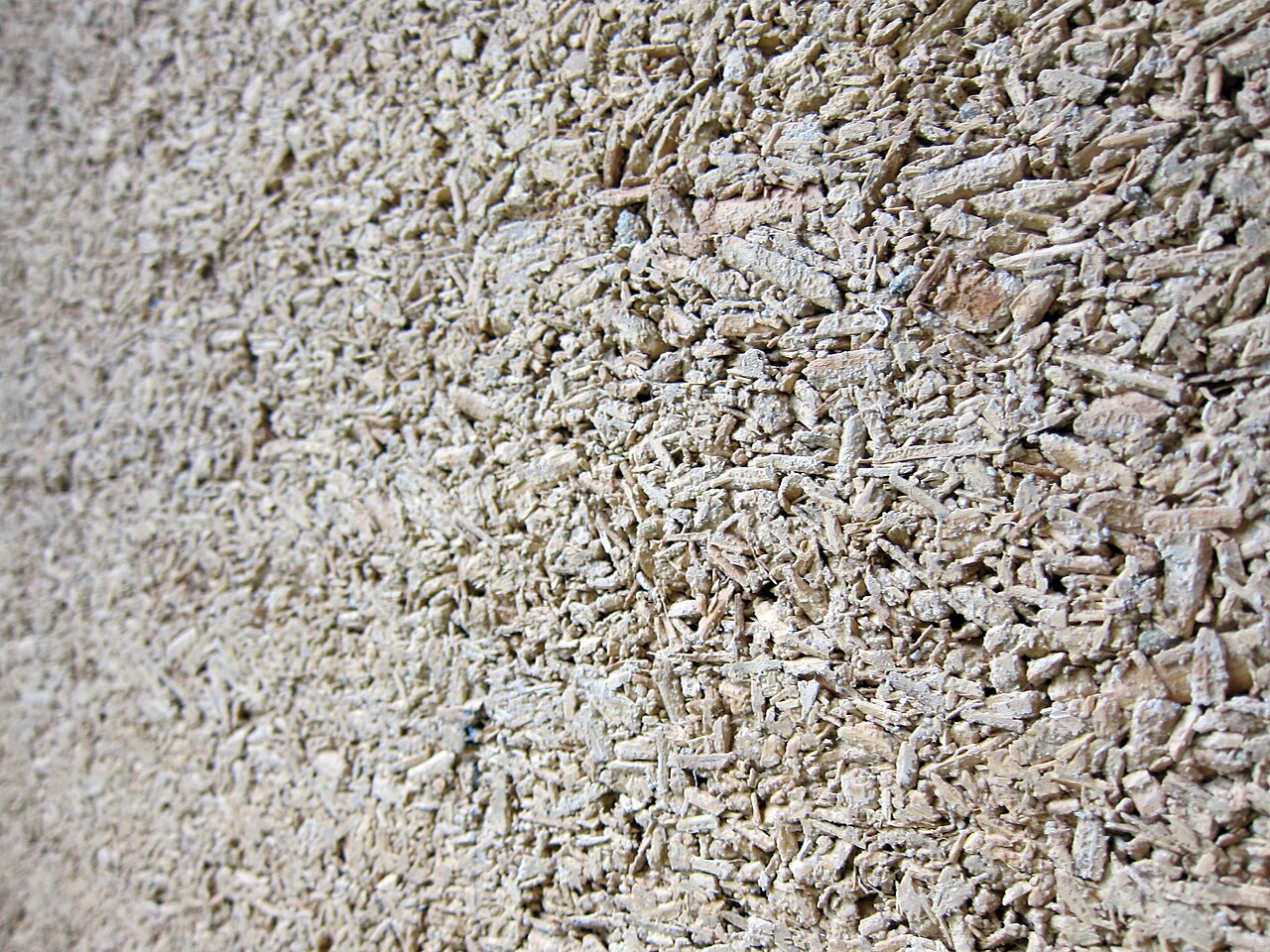
Close-up of a hempcrete wall: pale lime binder packed around short hemp hurd chips
Materials

Hemp fibre insulation and hempcrete

Insulation that starts as a fossil foam

Problem
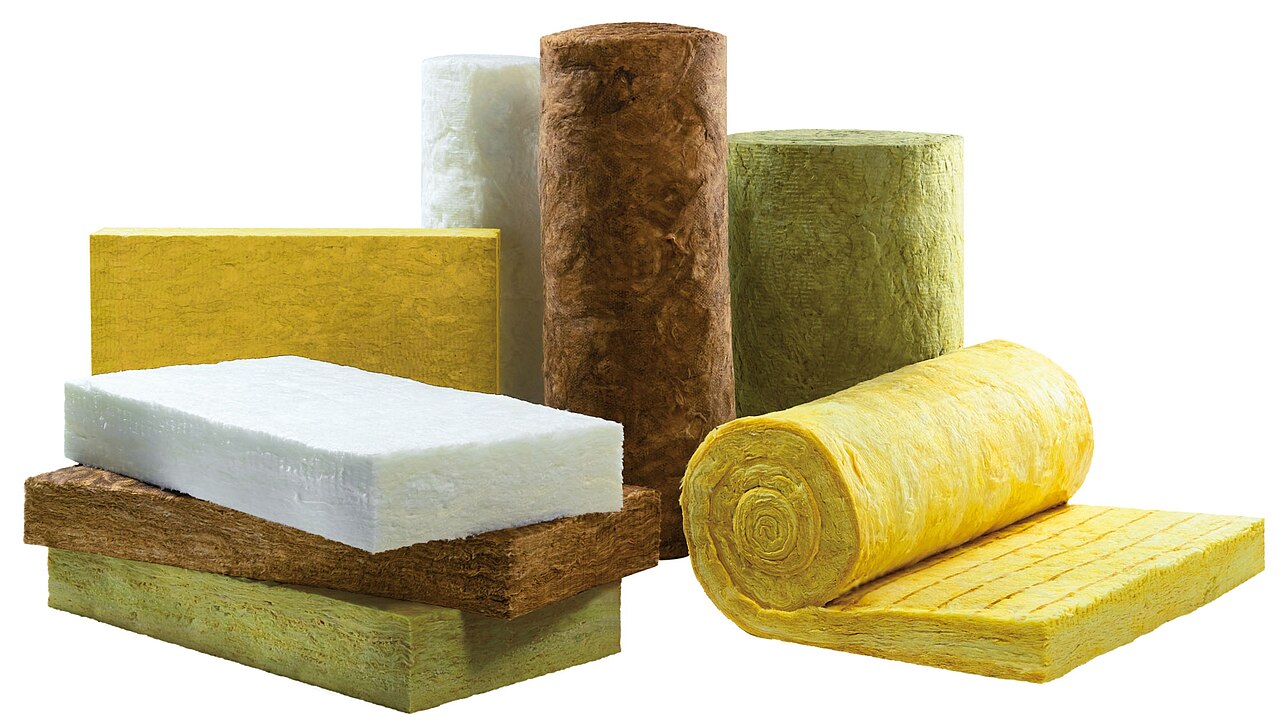
Much building insulation is mineral wool or plastic foam. Those products work, but they start from mined or fossil feedstocks and do little with agricultural fibre.
Fix
ISO 24260:2022 specifies factory-made hemp-fibre mats and boards for building insulation: products that are more than 50% hemp fibre by mass, with or without other natural fibre and a polymer balance. Hempcrete (hemp-lime) is a related but different bio-composite: hurd plus a lime binder, used as non-structural infill, not as a substitute for a concrete frame. The ISO document is a product specification, not a carbon score. Hemp insulation still needs dry detailing and a structure that can carry the wall.
Explore solution →

Source: ISO 24260:2022: hemp fibre mat and board

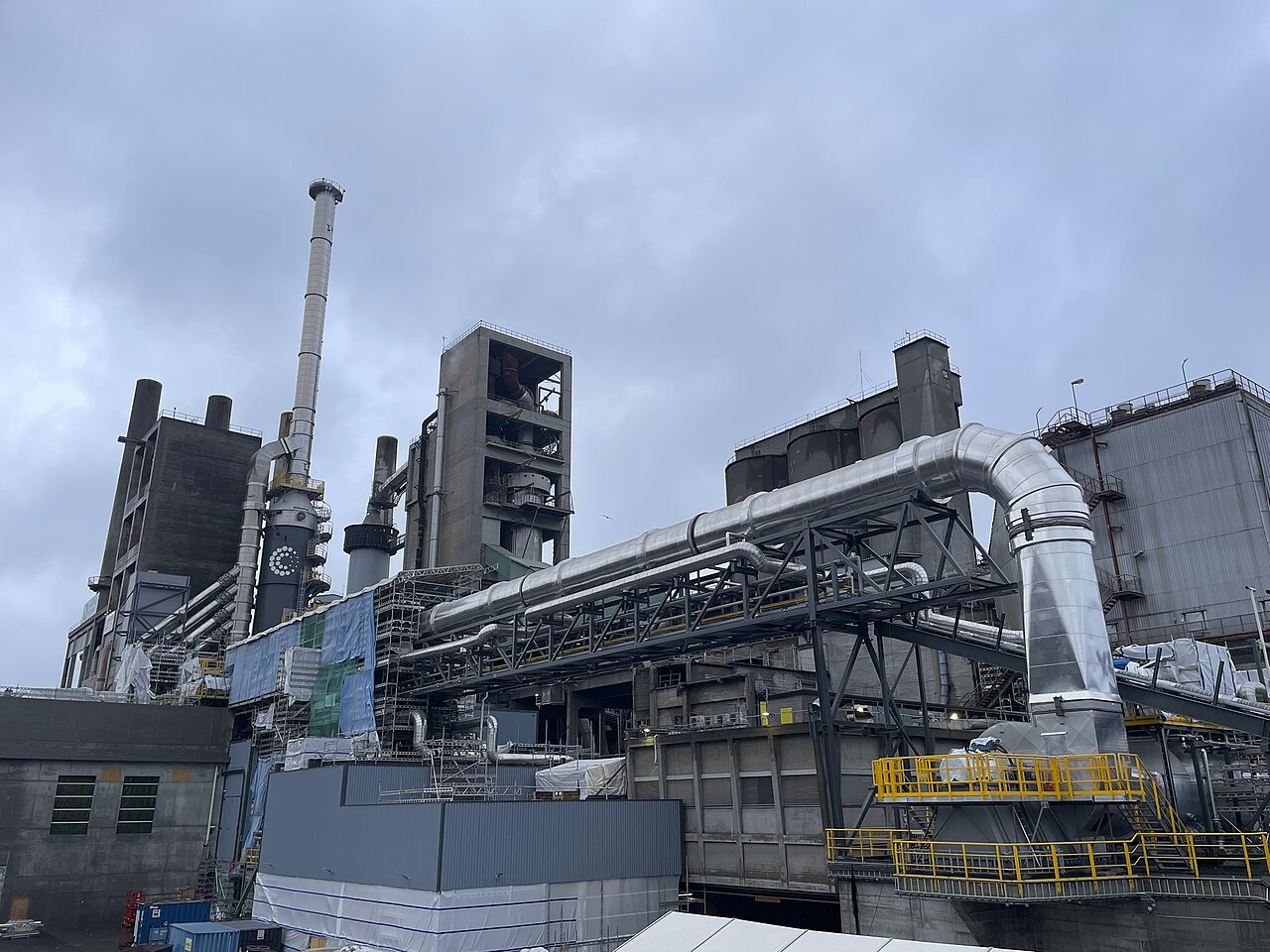
Insulated duct and towers at Heidelberg Materials’ Brevik cement carbon-capture plant under a grey sky
Materials

Cement-plant CO₂ capture (CCUS)

Process CO₂ that fuel-switching cannot erase

Problem
Heidelberg Materials notes that about two thirds of a cement kiln’s direct CO₂ comes from calcining limestone. That gas is chemistry, not just the burner. Lower-clinker blends help; they do not zero the stack.
Fix
Carbon capture, transport, and storage is the company’s stated path for the rest. At Brevik, Norway, Heidelberg commissioned what it calls the world’s first industrial-scale cement CCS plant in June 2025. DREAM, at Rezzato-Mazzano in Italy, is a planned hybrid capture project (oxyfuel plus amine) selected for the EU Innovation Fund; a final investment decision still depends on Italian CCS rules, incentives, and the Ravenna storage pipeline. Capture is not an excuse to pour more concrete. DREAM is a funded project, not a running Italian plant.
Explore solution →

Source: Global CCS Institute: Brevik CCS