
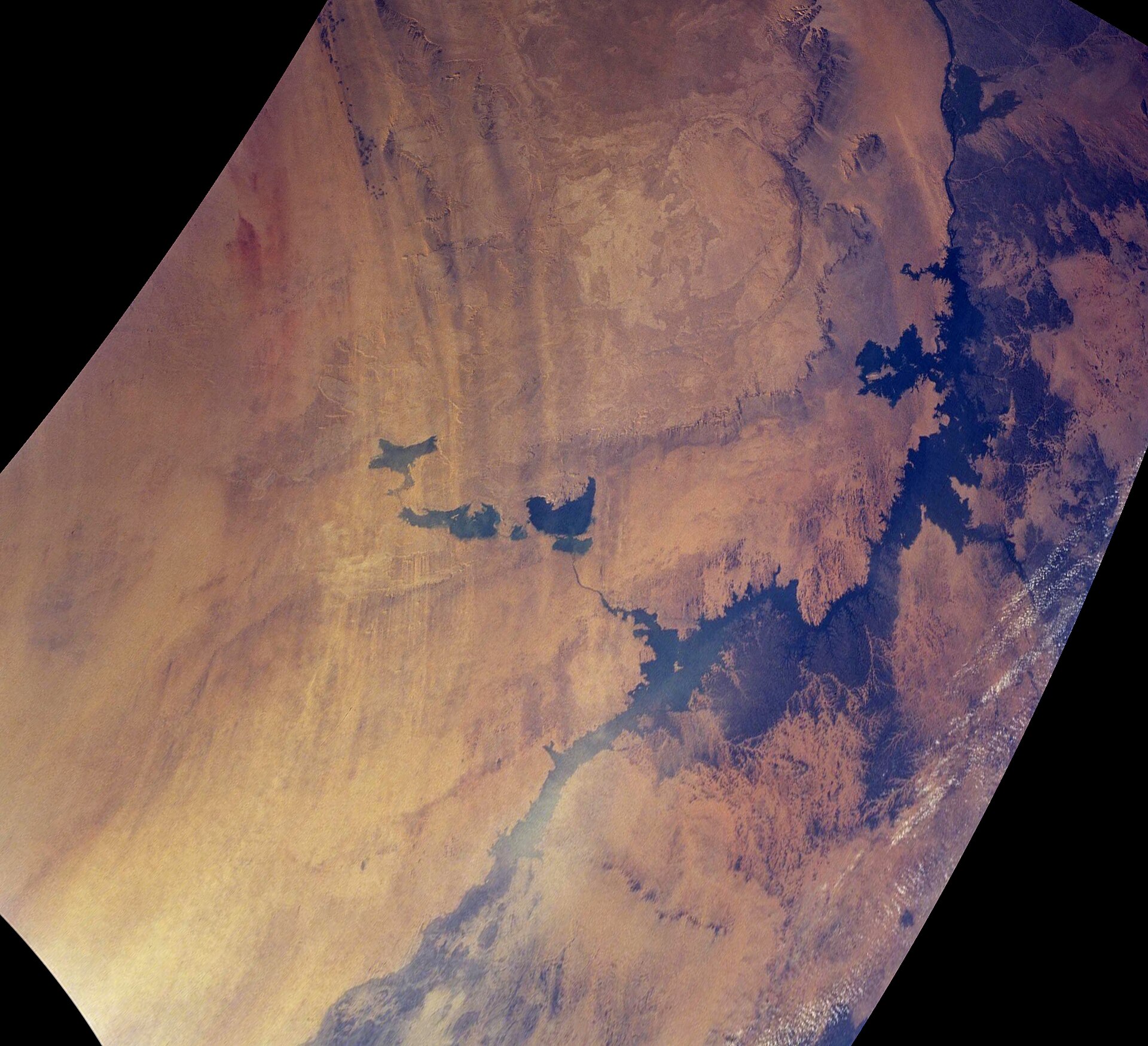
← Terraforming · Water & diversion
Qattara Depression proposals
Flood a below-sea-level desert with the Mediterranean and make hydropower from the fall. Egypt studied it for a century and, in 2026, formally said no.
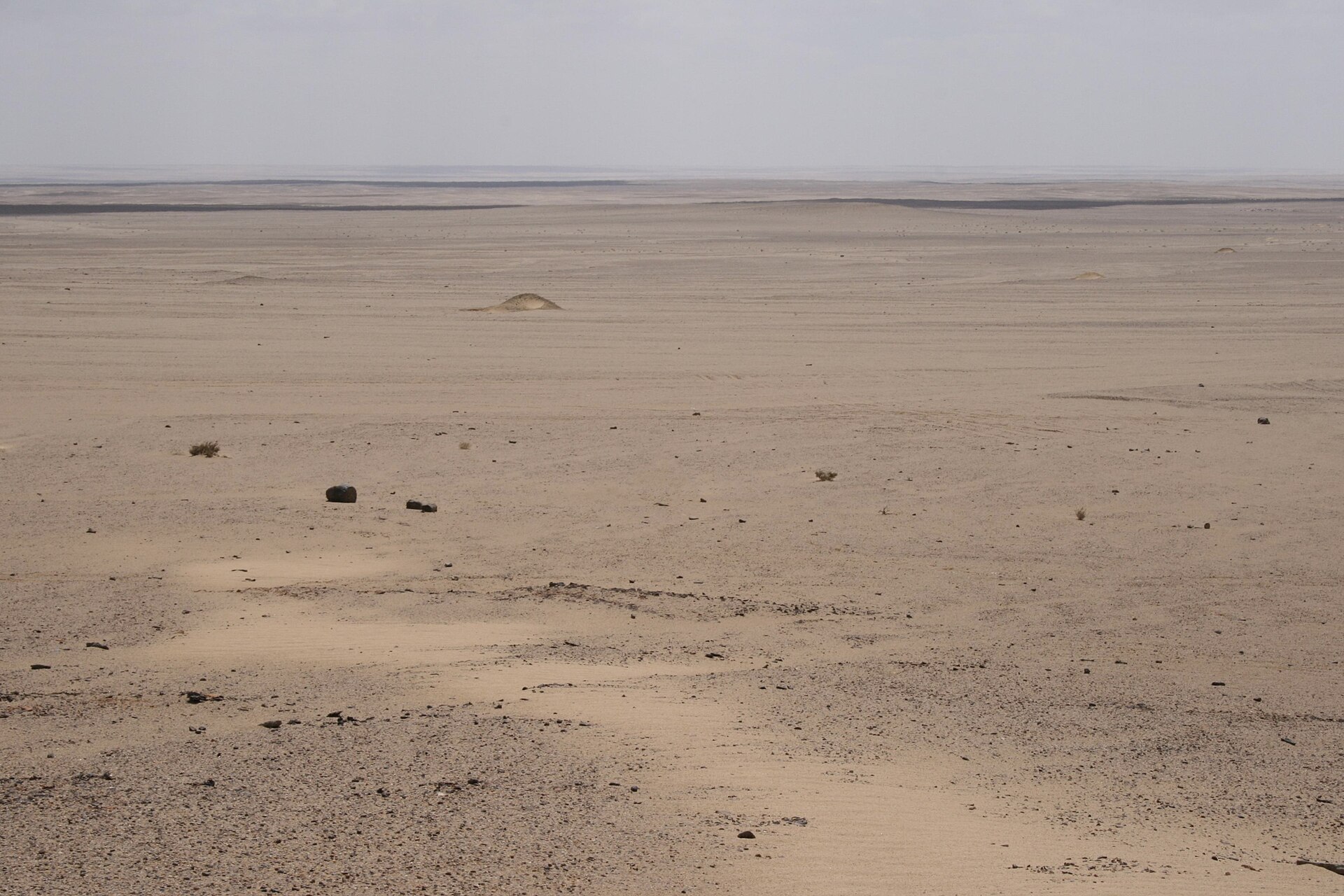

Jurisdiction: Egypt (Matruh / Western Desert)
Years / status: Ideas from the early twentieth century; German-backed feasibility work in the 1970s (including nuclear-excavation talk). Ministerial committee from 2016. Seawater scheme rejected May 2026. Status: proposed: never built.
The plan
The Qattara Depression sits more than 100 metres below sea level. Proposals would cut a canal or tunnel from the Mediterranean, drop seawater into the basin, generate power, and hold a large salt lake whose evaporation would keep a hydraulic head. Some versions added industry near El Alamein or talk of climate and settlement. Nature reported the idea seriously in 1975, including the nuclear-excavation variant.
Construction / status
No canal was dug. No lake was filled. The project stayed on paper while Aswan, Toshka and ordinary desert oilfields were real. A 2016 ministerial committee compared development options, including “dry” uses that do not flood the basin.
What went wrong, or only partly worked
In May 2026 the cabinet announced that seawater flooding is economically unviable next to solar and wind, and environmentally dangerous: saltwater seepage into aquifers and Siwa’s freshwater, higher soil salinity, damage to desert habitat, and interference with Western Desert oil and gas. The preferred path is development that leaves the depression dry.
Lessons
A contour on a map is not a power plant. Inland seas concentrate salt. Aquifers and petroleum fields are also “uses” of a depression. After a century of sketches, a formal no is a result: file it as rejected, not as delayed destiny.
Sources
Ahram Online 2026 cabinet decision; Nature 255, 570-571 (1975) on the mid-century scheme and its side effects.