
← Terraforming · Water & diversion
Great Man-Made River
The largest fossil-water pipeline ever built. It still drinks a desert that does not refill on a human clock, and it now runs at less than half of design.

Jurisdiction: Libya
Years / status: Construction from 1983; first water to Benghazi 1991, later phases through the 2000s. Operating, below design. Status: built and struggling.
The plan
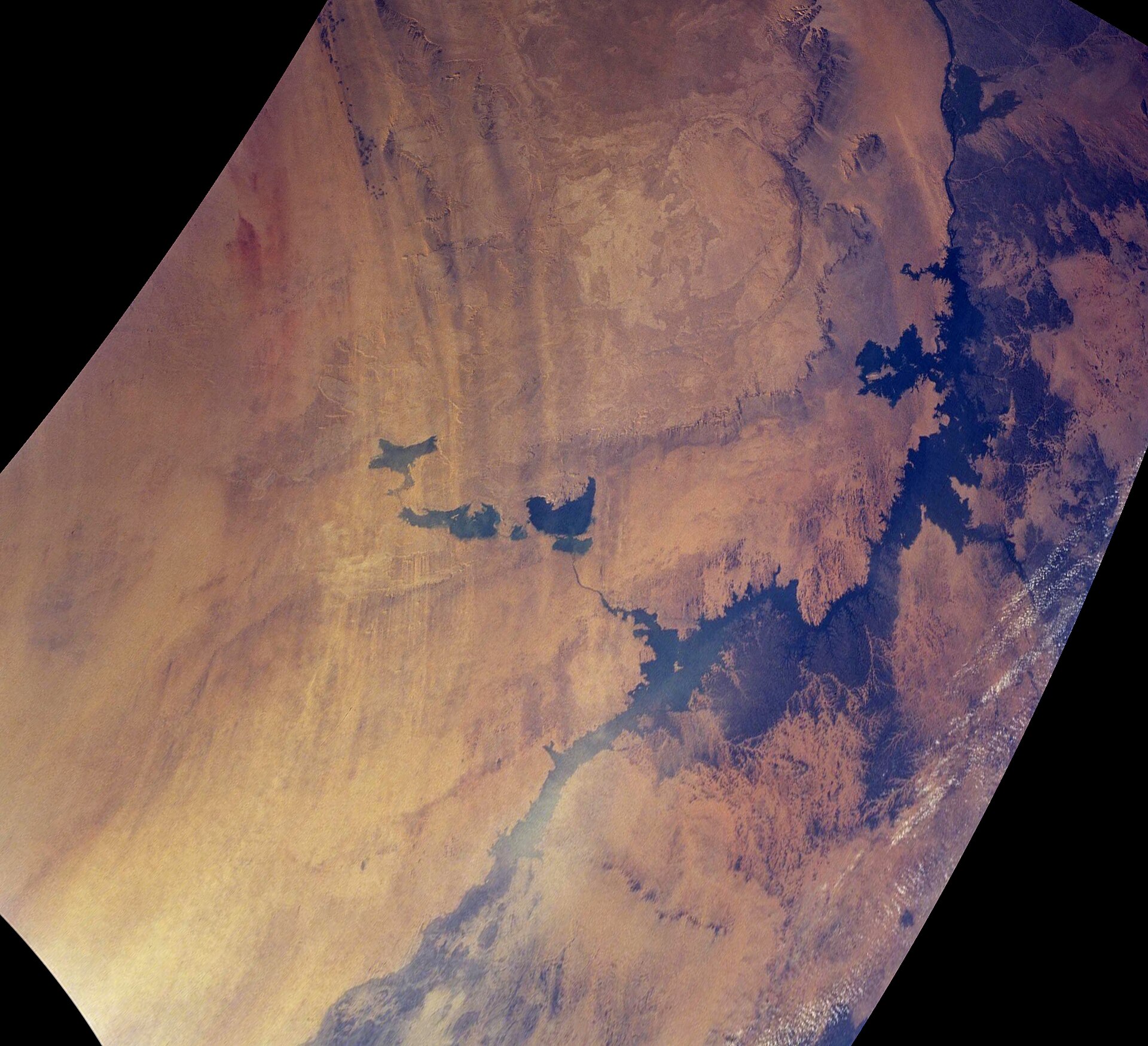
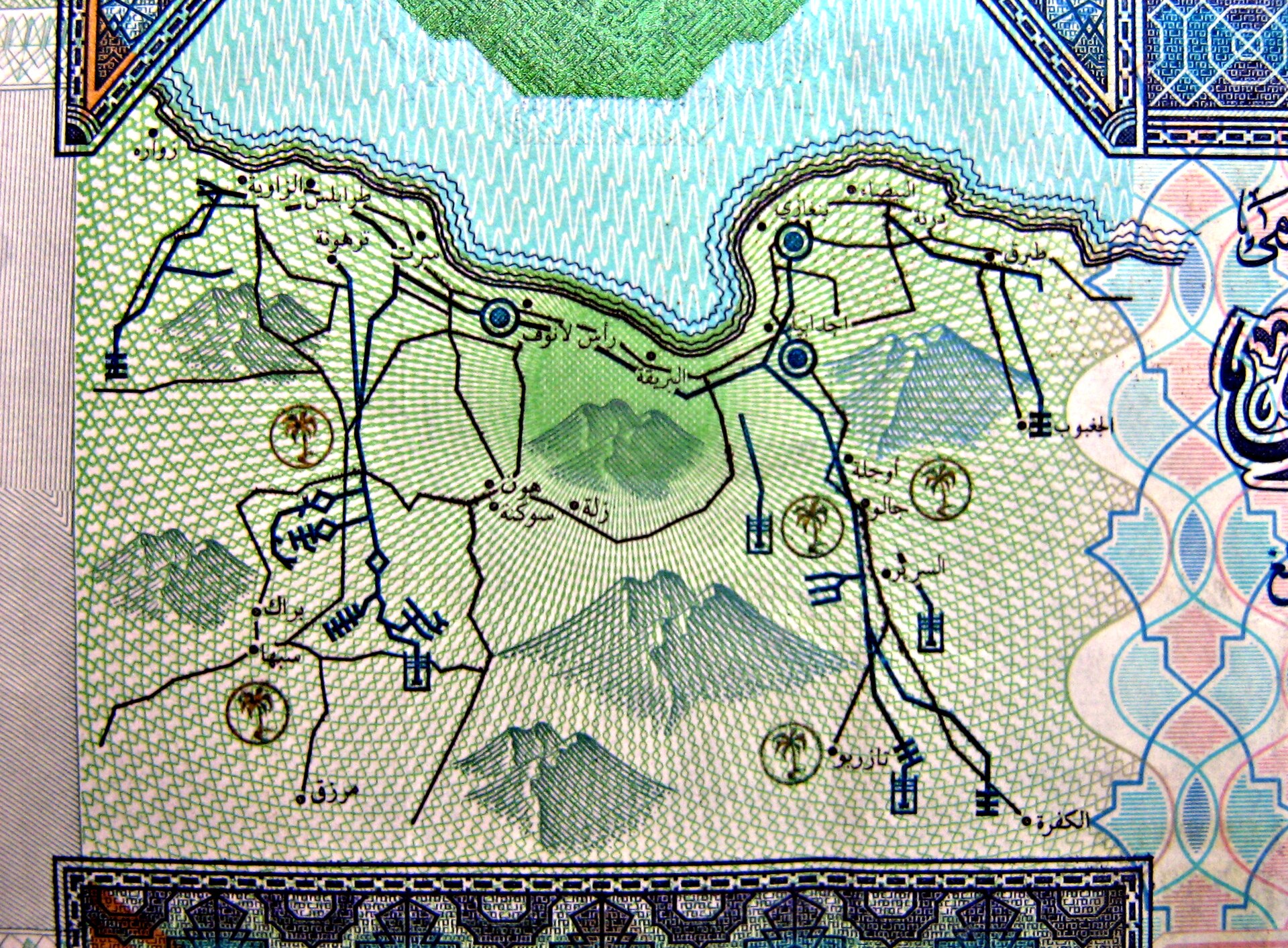
Muammar Gaddafi’s government set out to pump paleowater from southern well fields (Sarir, Tazerbo, Murzuq and related fossil systems, including parts of the Nubian Sandstone Aquifer) through prestressed concrete pipes to the coastal cities. The design story was enough water for cities and irrigation without desalination. Phases were meant to move on the order of millions of cubic metres a day when complete.
Construction / status
Hundreds of wells and more than a thousand kilometres of large-diameter pipe were laid. Water did reach Benghazi, Tripoli and other coastal demand centres. The civil engineering is real. So is the resource: most of the water is non-renewable storage, not rainfall this century.
What went wrong, or only partly worked
UNDP’s 2026 water-security work for Libya states that the Man-Made River now operates at less than half of planned capacity because of ageing pipes, power cuts and conflict damage. Desalination and wastewater plants are also far below nameplate. Agriculture still takes most of the water while adding little GDP. Localised aquifer drawdown is documented; the system is a finite transfer, not a new Nile.
Lessons
You can build a river of pipes. You cannot replenish a fossil aquifer on a political timetable. Maintenance, power and peace are as binding as geology. Pair any remaining abstraction with demand cuts, reuse, and honest desalination, and do not sell the pipes as eternal.
Sources
UNDP Libya National Water Security Strategy (2026); IGRAC Nubian Sandstone Aquifer System brief; FAO AQUASTAT country profiles for the groundwater context.