← Terraforming

Desert greening

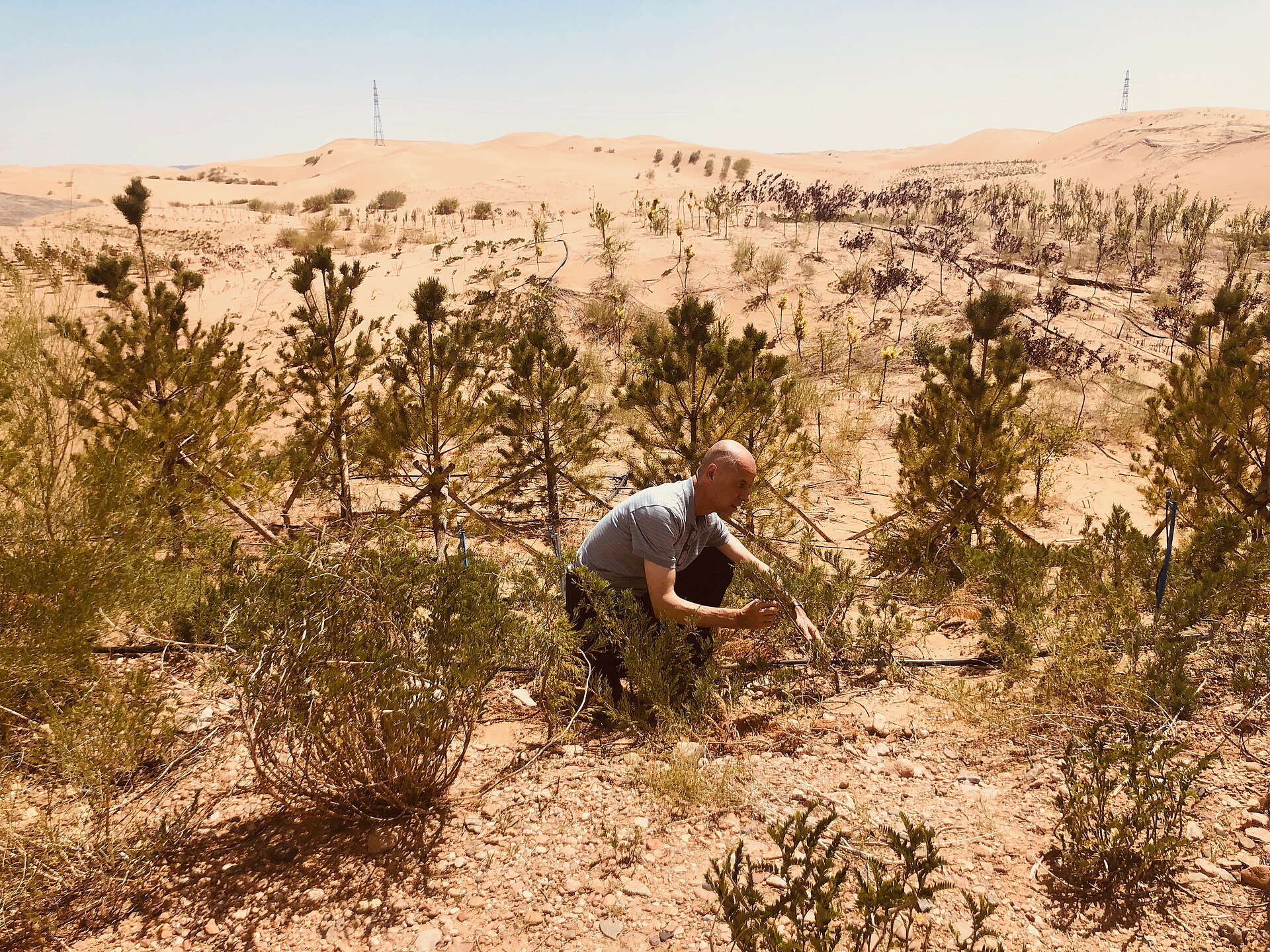
Shelterbelts and green walls. Surviving cover and water cost matter more than seedlings in a press release.

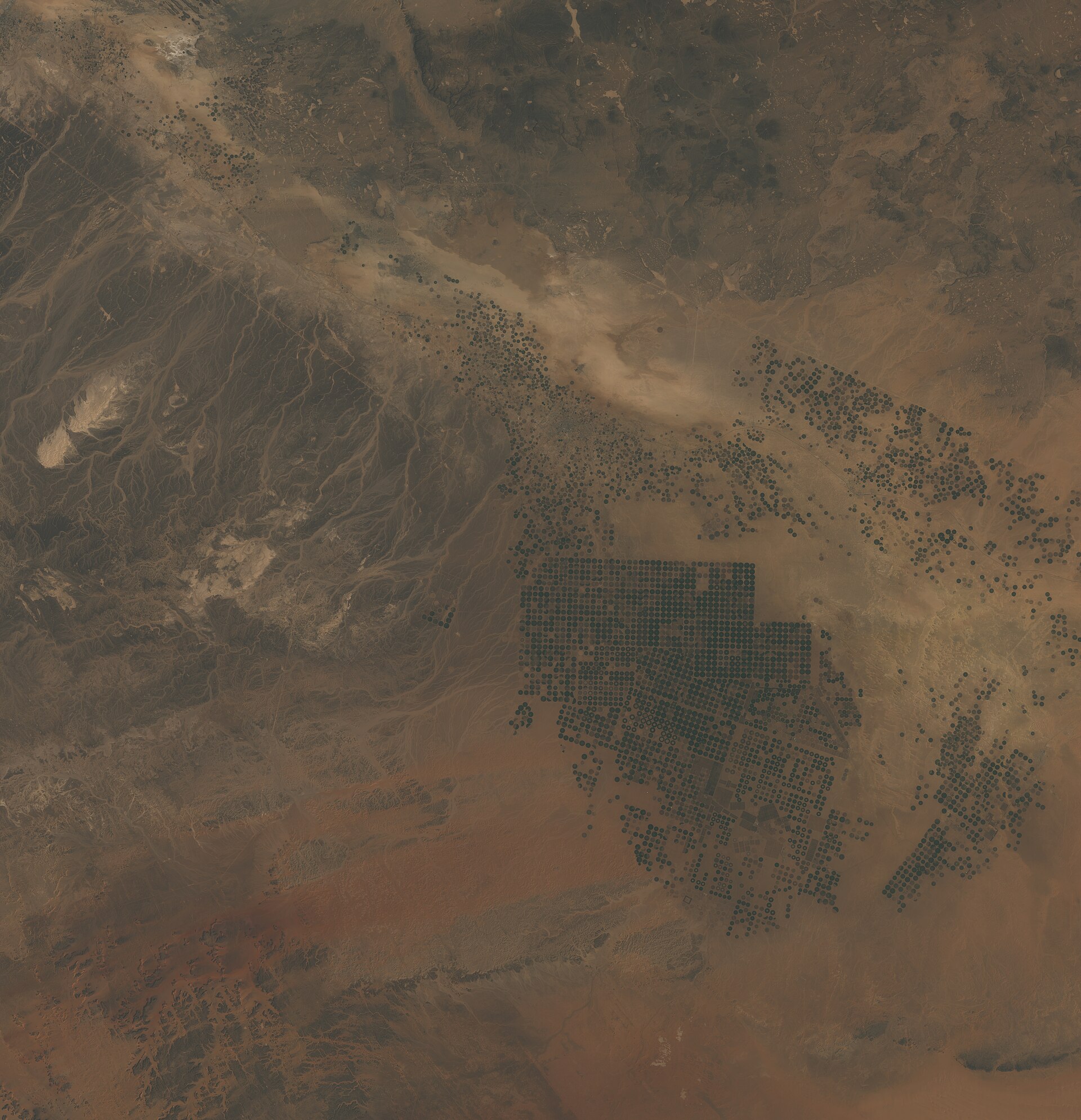
Center-pivot irrigation circles in Saudi Arabia: the older groundwater-agriculture landscape, shown here as context, not as SGI tree-planting
Saudi Arabia Ongoing

Saudi Green Initiative

Announced 2021 under Vision 2030. Target: 10 billion trees / about 40 million hectares rehabilitated. Official early-2026 claim: 1 million ha and 159 million trees. Status: ongoing. Separate history: 1980s-2010s fossil-groundwater wheat.

Vision 2030’s tree-and-land programme. Officials now claim the first million hectares. That is not the old wheat circles, and it is not yet ten billion trees.

Read the card →

Source: Vision 2030: Saudi Green Initiative

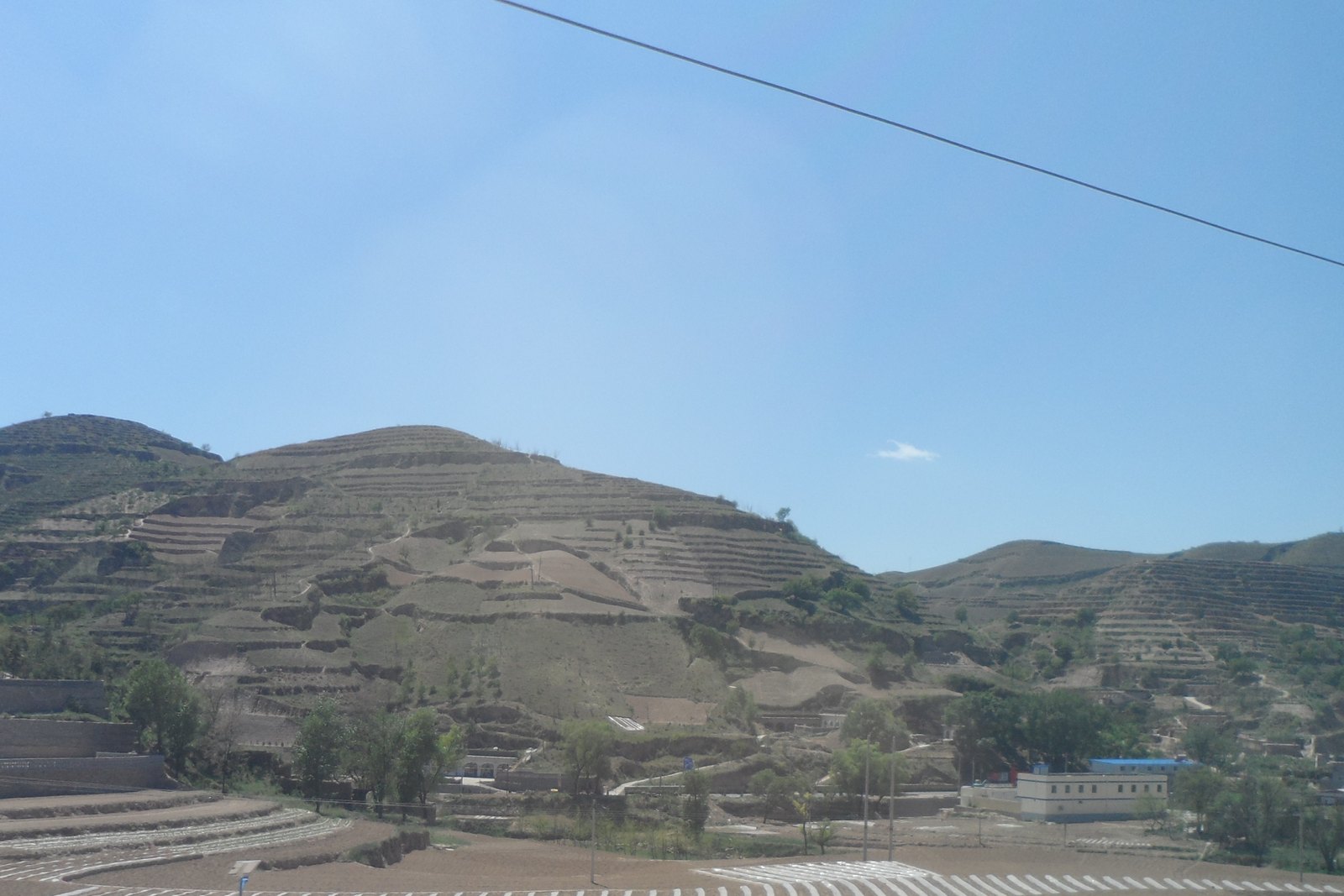
Terraced loess hills in Shanxi: the class of slope-to-terrace work the World Bank projects funded, not a proof that the whole plateau is greened
People’s Republic of China (Shanxi, Shaanxi, Gansu, Inner Mongolia: Yellow River tributary watersheds) Partial

Loess Plateau rehabilitation

Phase I (P003608) launched October 1994, completed 2002. Phase II (P056216) approved May 1999, closed June 2005. Status: partial: the World Bank phases are closed; the plateau was not “finished.”

World Bank-supported watershed work in China’s Loess Plateau (1990s-2000s): terraces, vegetation, grazing rules: erosion control and livelihoods, not a second “green wall” slogan.

Read the card →

Source: World Bank: Loess Plateau case study (PDF)

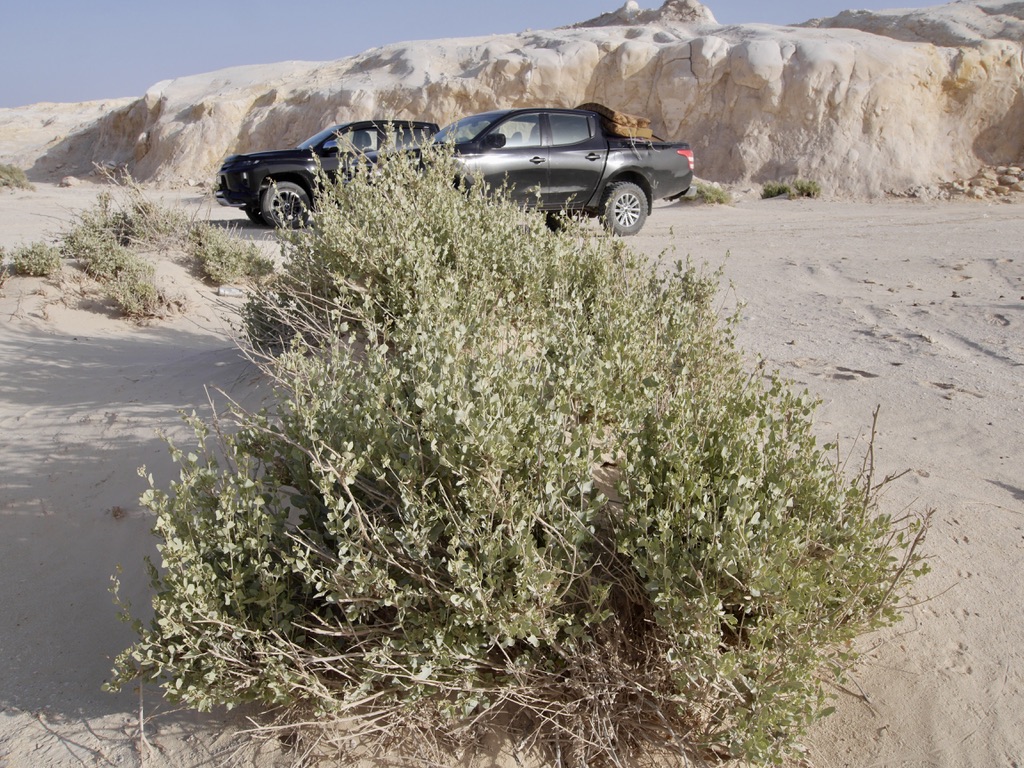
Saltbush (Atriplex) in the White Desert / Wadi Dahek of north-eastern Jordan: the class of native fodder shrub Badia restoration plants, not a photograph of a named UNCC plot
Hashemite Kingdom of Jordan (Badia rangelands) Partial

Jordan Badia restoration

UNCC Claim 5000304 award; Community Action Plan submitted 2013. Watershed works and grazing rules through the 2010s-2020s. Status: partial: award-funded programme, not a finished green wall.

Gulf War environmental compensation paid for dryland repair in Jordan’s Badia. Contour furrows, ponds, native fodder shrubs, and resting pastures: community grazing rules, not a belt of trees across Asia.

Read the card →

Source: UNCC: Claim 5000304 Badia rangeland restoration