← Solutions

Energy

Wind, solar, hydro, nuclear, storage, and heat already running on real grids.

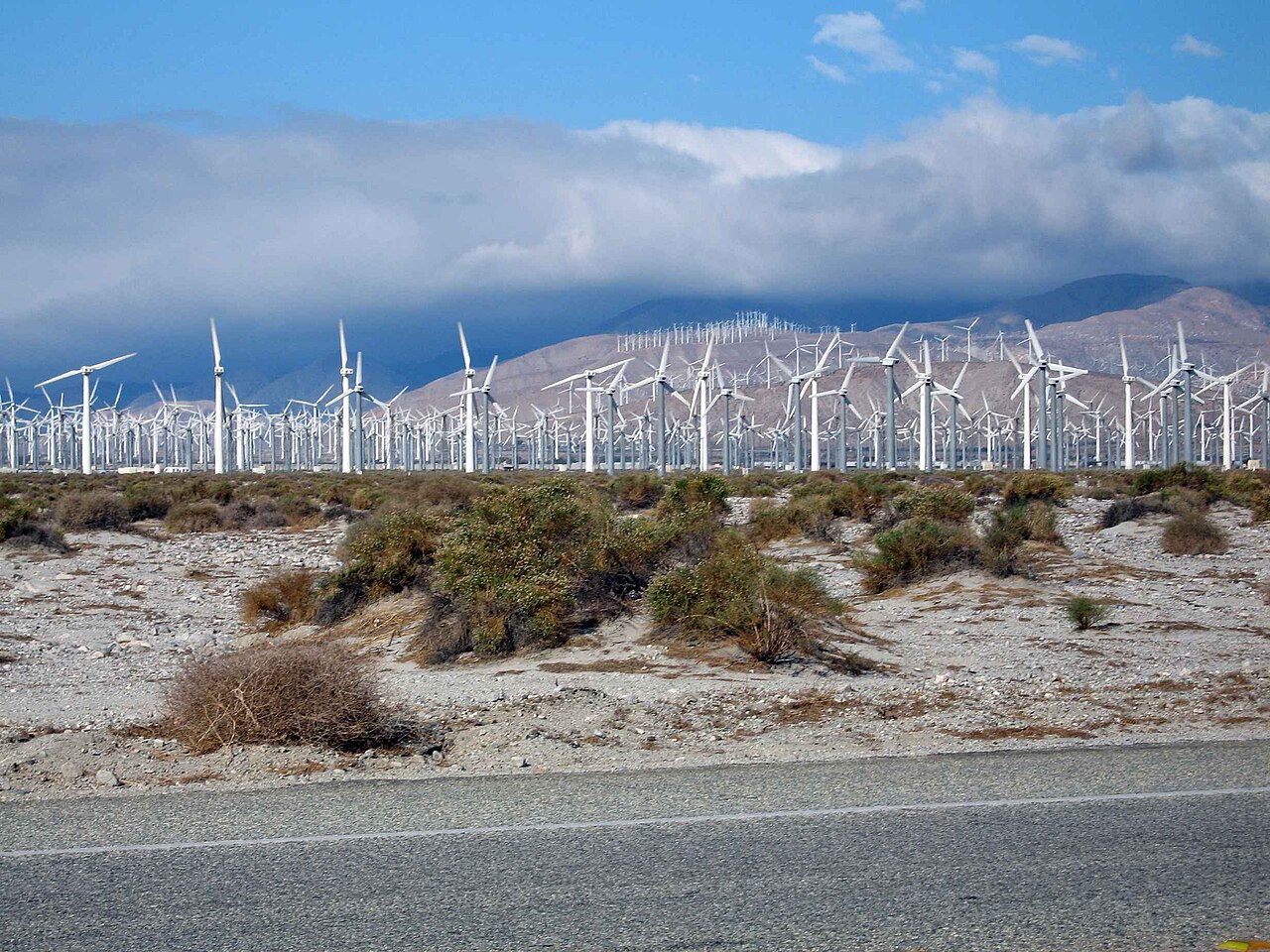
Rows of white onshore wind turbines across a desert plain toward distant mountains
Energy

Onshore wind on the grid

Fossil electricity

Problem
Coal and gas still set the clock on many grids. Power is the largest lever on national emissions where the grid is dirty.
Fix
Onshore wind is ordinary infrastructure: China, Europe, the United States, India, and Brazil already run large fleets. It needs transmission, backup or storage, and honest siting for wildlife and neighbors. It is not 24-hour power by itself, and it does not clean a grid that keeps building unabated coal.
Explore solution →

Source: IEA: Wind

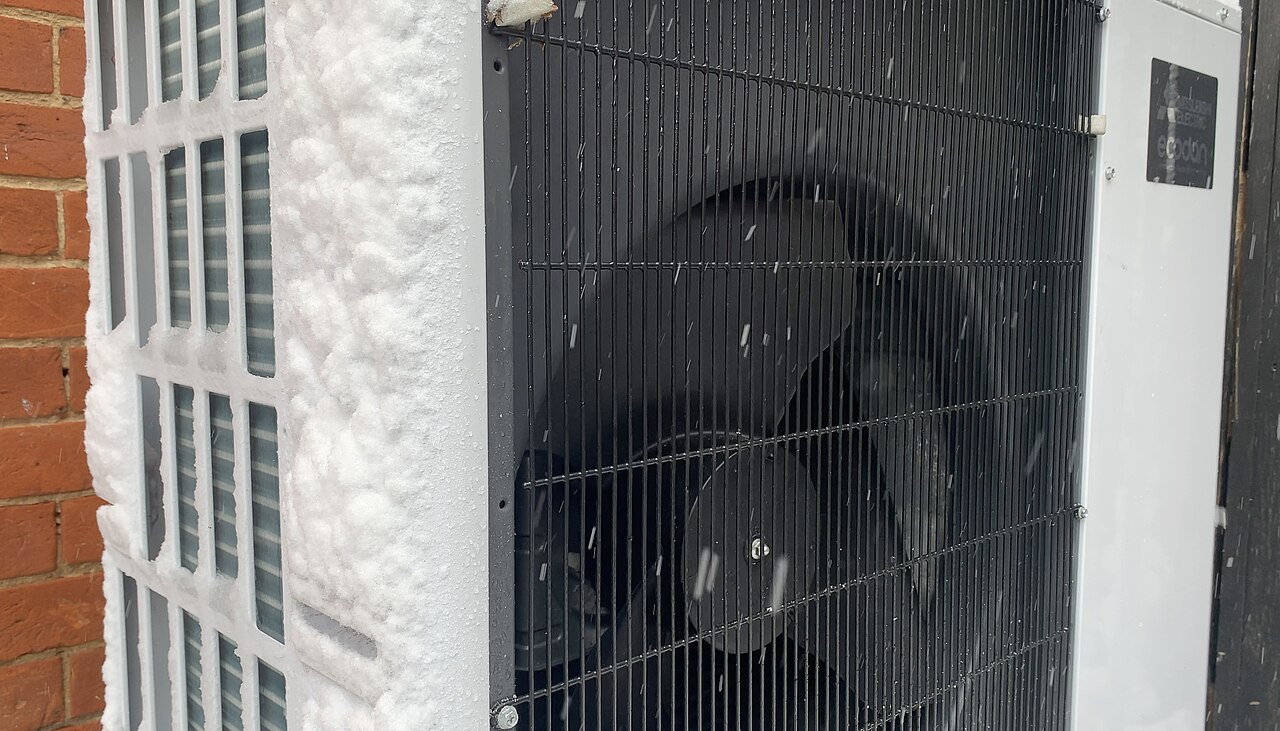
An outdoor air-source heat pump unit running beside a brick wall in falling snow
Energy

Heat pumps for buildings

Fossil heat in buildings

Problem
Space and water heating still burn gas or oil in much of Europe, North America, and temperate Asia. Buildings leak that heat all winter.
Fix
Air-source and ground-source heat pumps are the default heating kit in Norway, Sweden, and Finland and are rolling out across the EU. Cold-climate models work below freezing. They need a decent envelope, a grid that can take winter load, and refrigerants handled as chemicals, not slogans.
Explore solution →

Source: IEA: Heat pumps

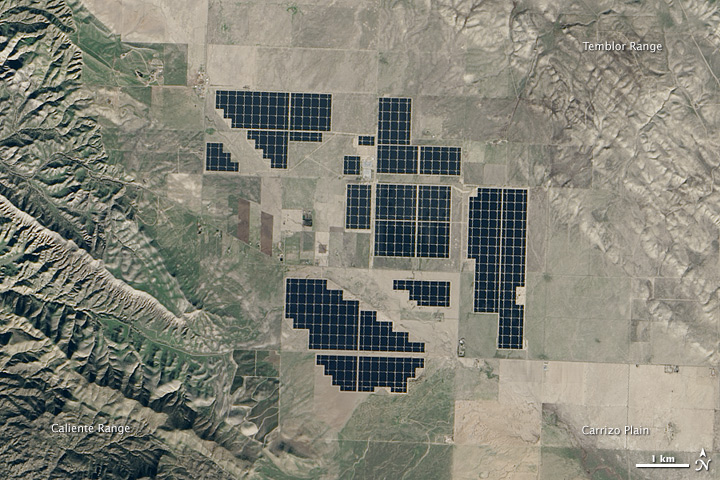
Satellite view of the Topaz Solar Farm: dark rectangular arrays across California Valley
Energy

Utility-scale solar PV

Daytime power still burned from fuel

Problem
Grids still meet a large share of midday and afternoon demand with fossil plants. Rooftops help households; they do not, by themselves, replace a power station.
Fix
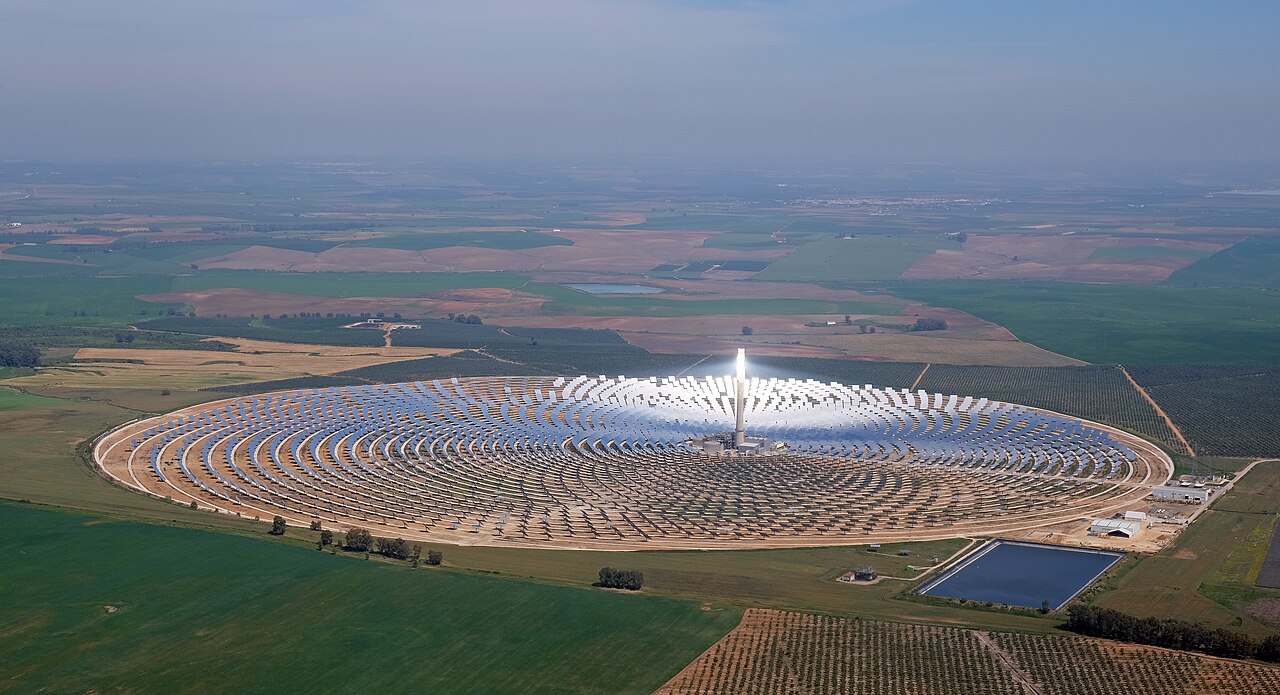
Utility-scale photovoltaic plants are fields of modules feeding a substation. IEA’s solar-PV briefing treats PV as a core generating technology whose plants range from small arrays to gigawatt stations. Land, permitting, and grid connection queues decide how fast it grows. A desert array still needs a line, storage or flexible backup, and a plan for the land. It is not a rooftop microgrid.
Explore solution →

Source: IEA: solar PV

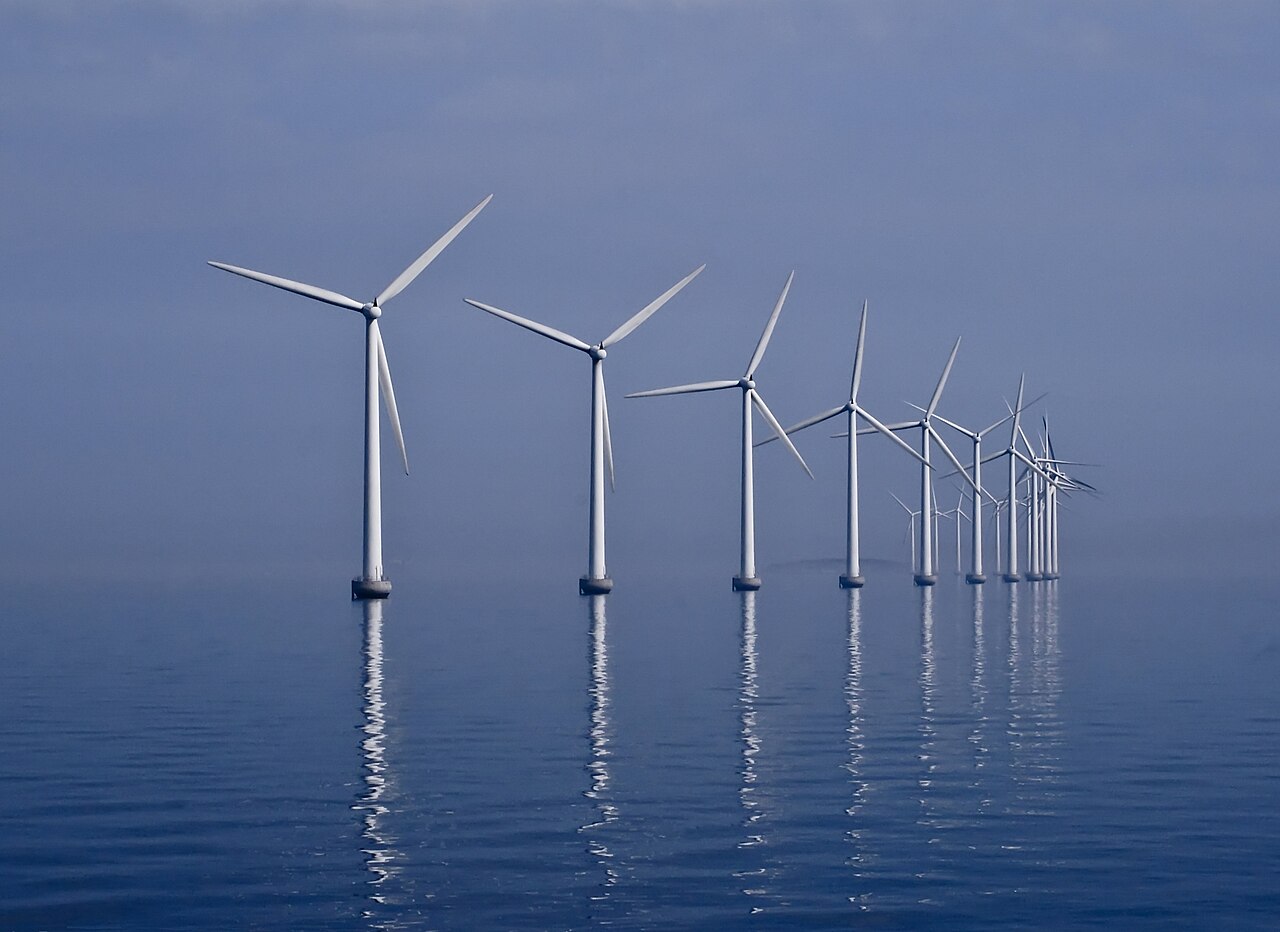
A curved row of offshore wind turbines at Middelgrunden in the Øresund, with Copenhagen on the horizon
Energy

Offshore wind

Strong wind over water, unused

Problem
Onshore wind is constrained by land, neighbours, and weaker coastal winds. The better resource often sits over the sea, farther from people and closer to some coastal demand.
Fix
The IEA’s Offshore Wind Outlook 2019 called the technology rapidly maturing. In 2018 it supplied only a tiny fraction of world electricity; IEA’s Stated Policies path then saw capacity rising about fifteen-fold to 2040 and becoming a roughly $1 trillion investment class, helped by larger turbines and floating foundations. Farms still need ports, vessels, and onshore grid upgrades. Floating units are newer than fixed-bottom North Sea piles. Offshore wind is not a reason to skip onshore sites that already work.
Explore solution →

Source: IEA: Wind

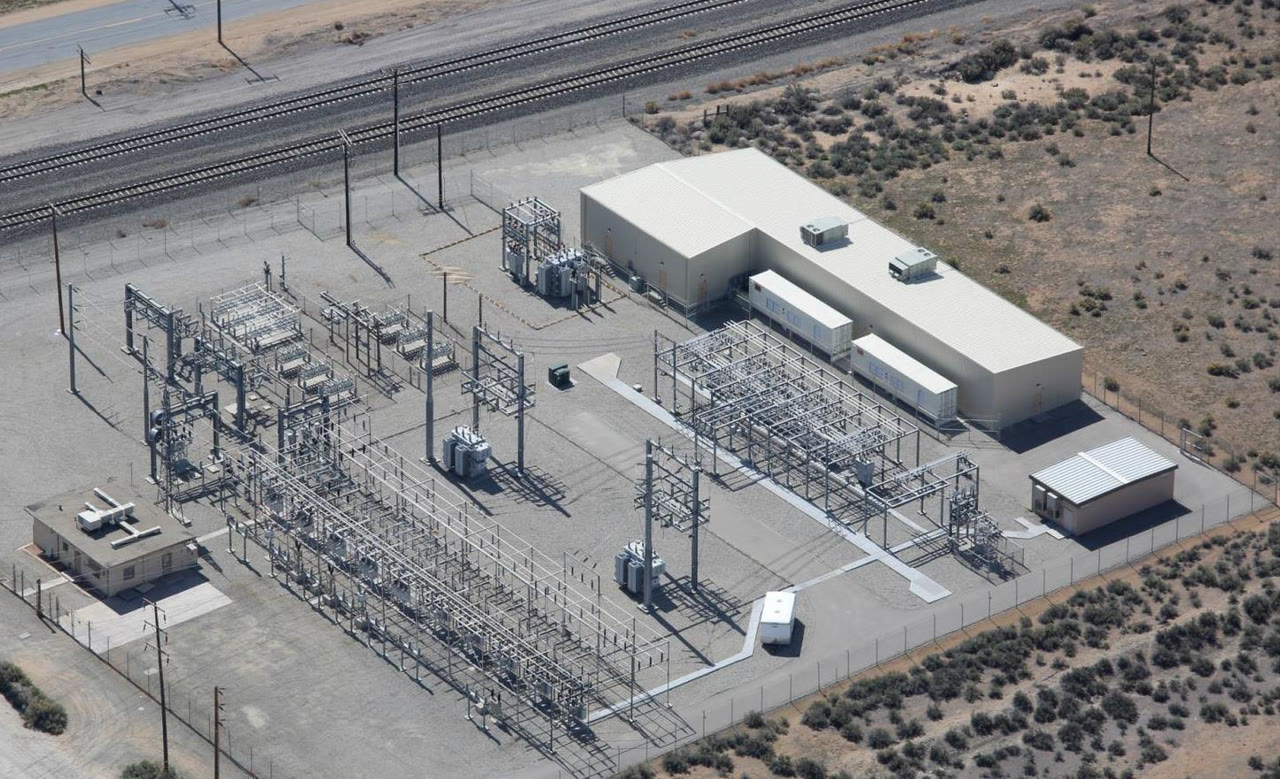
Overhead view of the Tehachapi Energy Storage Project: white battery halls beside a California substation
Energy

Grid-scale batteries

Surplus sun at noon, shortage after dark

Problem
Wind and solar output does not follow the evening peak. Without storage or flexible plants, grids curtail midday power and fire gas after sunset.
Fix
IEA’s grid-scale storage work treats utility batteries as short-duration flexibility: they shift energy across hours, supply fast balancing, and can ease some network upgrades. IEA’s Electricity 2026 analysis reports 63 GW of utility-scale battery additions in 2024 and 124 GW installed, with project costs falling about 40% that year to around USD 150/kWh: IEA’s figures. Batteries are not seasonal storage. Duration, minerals, and interconnection still bind. A container of cells is not a pumped-storage lake.
Explore solution →

Source: IEA: Batteries and Secure Energy Transitions

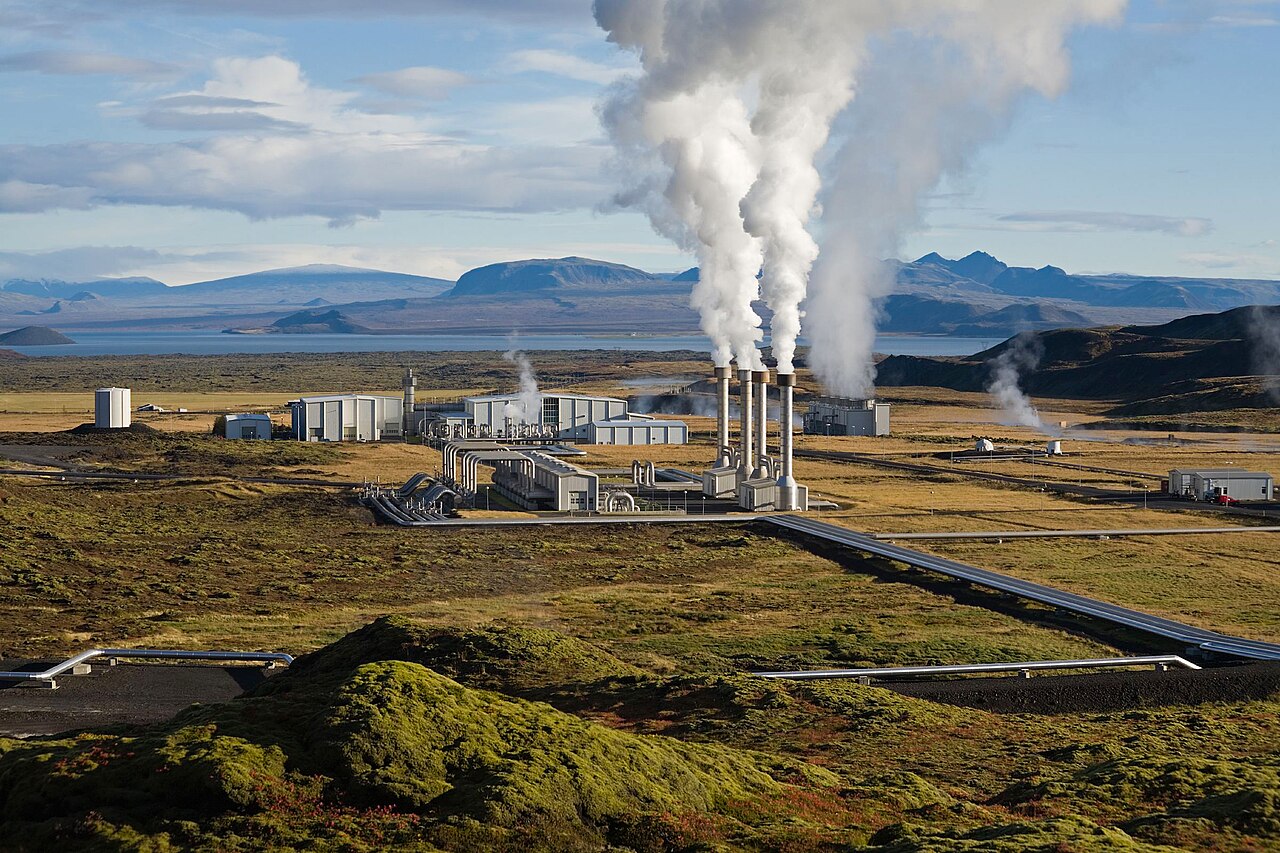
Nesjavellir geothermal power plant in Iceland: steam pipes and halls on a mossy lava field by a lake
Energy

Geothermal heat and power

Heat underfoot used in only a few countries

Problem
Conventional geothermal is still a niche. IEA says it meets less than 1% of global energy demand and is concentrated in places with volcanic or fault-hosted heat: the United States, Iceland, Indonesia, Türkiye, Kenya, and Italy.
Fix
IEA’s 2024 Future of Geothermal Energy report and news note that horizontal drilling and fracturing adapted from oil and gas could open deeper heat in many more countries. IEA says next-generation geothermal could meet 15% of global electricity-demand growth to 2050 if costs keep falling: up to 800 GW in that framing, and that conventional plants already supply firm power and district heat where the resource is easy. Next-generation projects remain early and capital-heavy. A steam field is not a license to ignore induced seismicity or water use.
Explore solution →

Source: IEA: The Future of Geothermal Energy

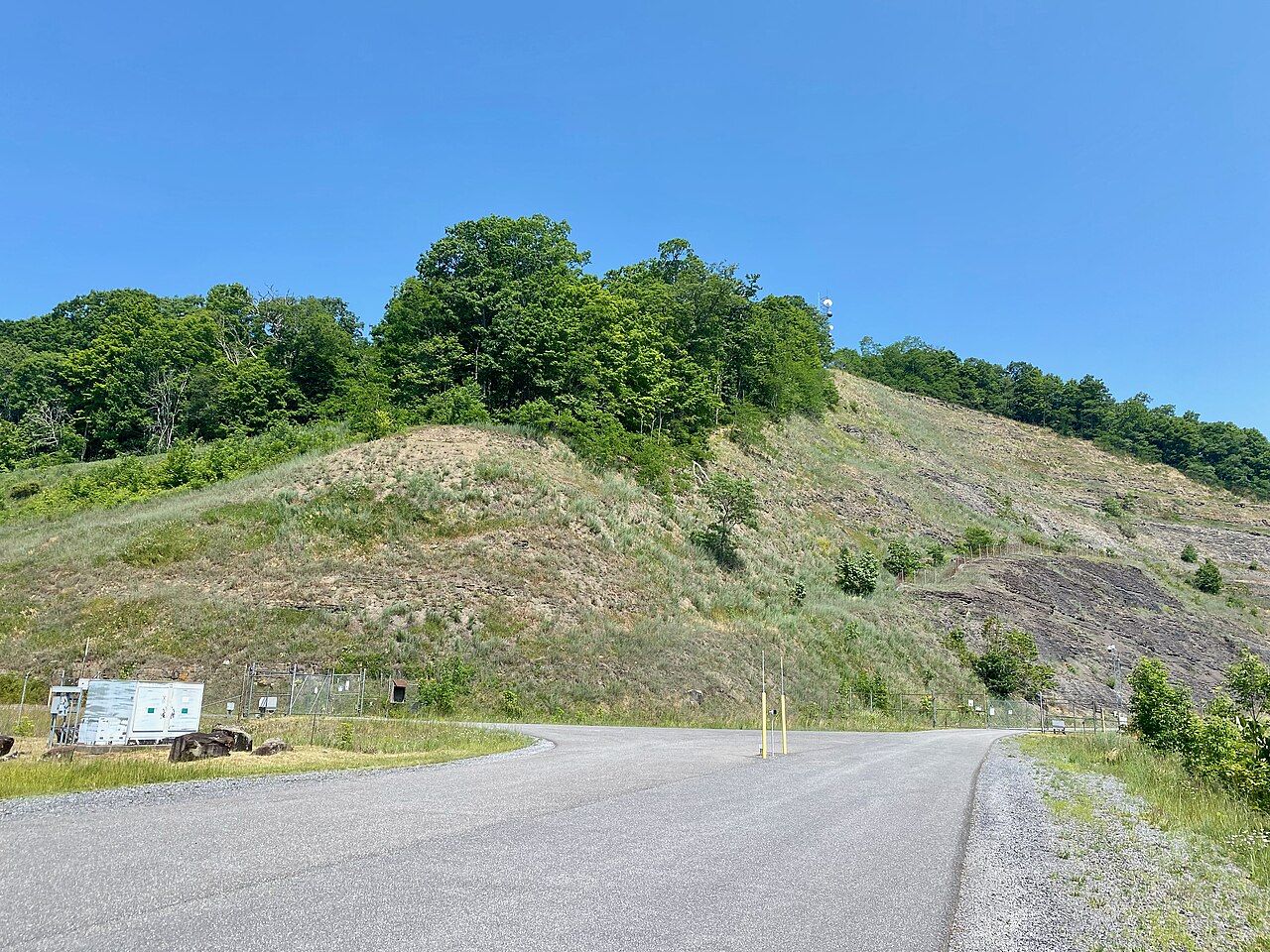
The tree-lined upper reservoir of Bath County Pumped Storage Station held in a mountain bowl
Energy

Pumped-storage hydropower

Nowhere to put surplus electricity for the night

Problem
Batteries cover hours. Grids with a lot of wind and solar also need longer, cheaper bulk storage. Few technologies move that much energy.
Fix
Pumped storage lifts water to an upper reservoir and runs it down through turbines when power is scarce. IEA’s Hydropower Special Market Report calls the flexibility of reservoirs and pumped plants unmatched, and forecasts pumped storage as 30% of net hydropower additions through 2030. IEA estimated existing conventional reservoirs can store about 1,500 TWh in one cycle: far more energy than today’s pumped fleet or batteries. New plants need two basins, years of permitting, and a market that pays for storage, not only kilowatt-hours. Pumping is not a new river.
Explore solution →

Source: IEA: Hydropower Special Market Report (executive summary)