

What it is
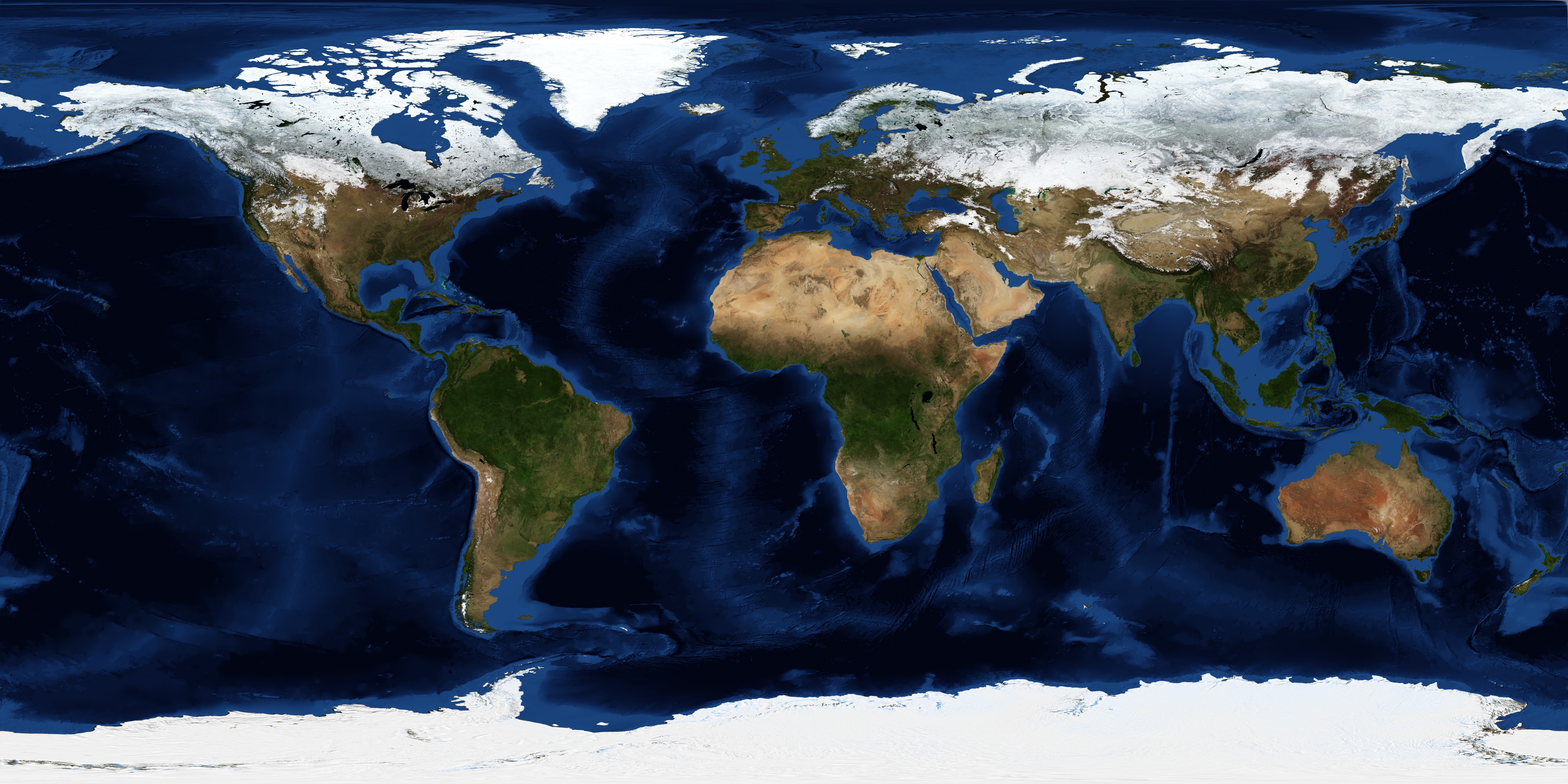
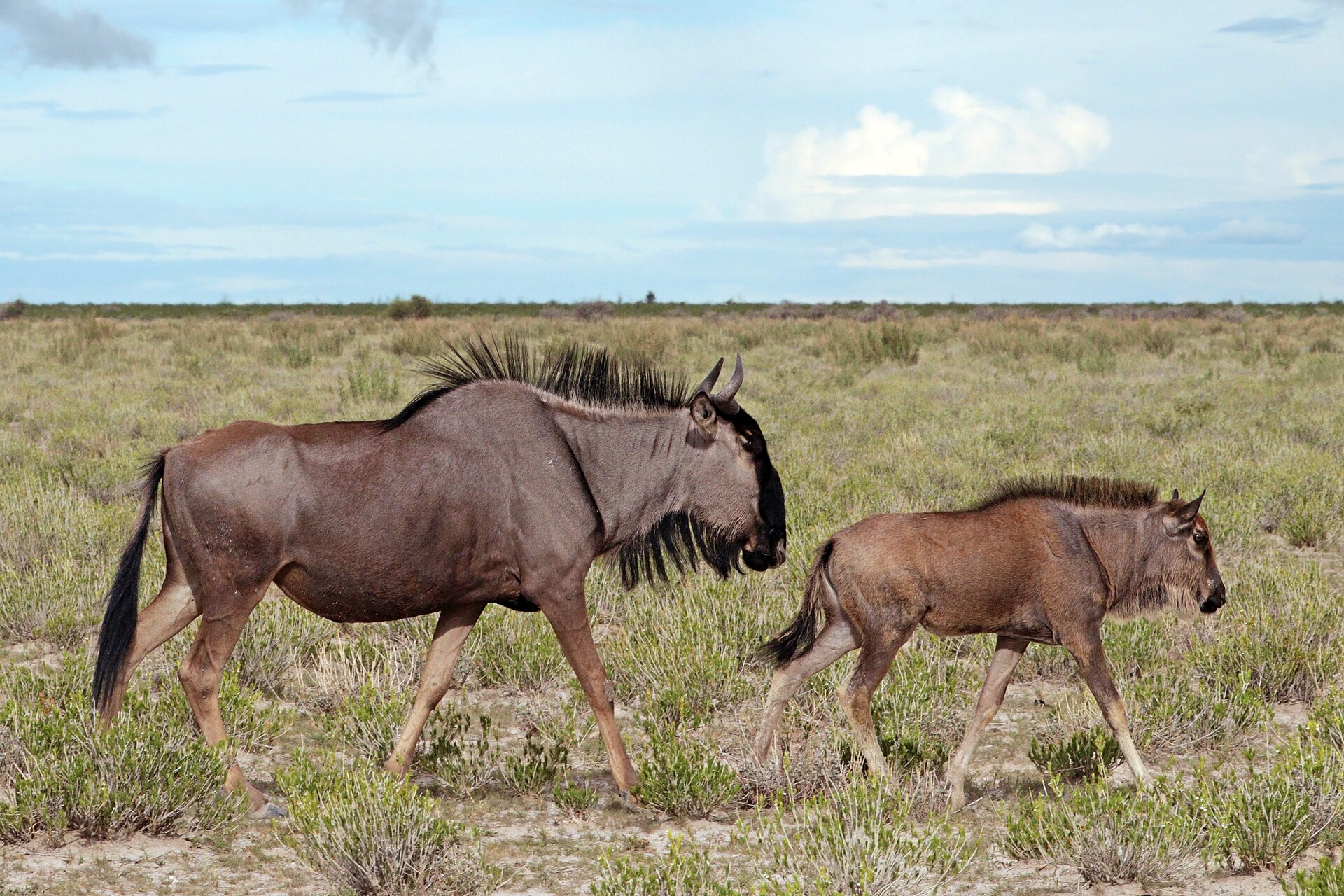
The blue wildebeest is a grazing antelope of eastern and southern African savannas, IUCN Least Concern. The Serengeti-Mara population is the famous migratory one; other populations move less or not at all. UNESCO lists Serengeti National Park in part for this seasonal movement.
Route
In the usual year, the large Serengeti herd calves on the southern short-grass plains in the wet season, then moves west and north as those plains dry, crossing into Kenya’s Maasai Mara in the dry season, and returning south when the rains restart. River crossings on the Mara are a bottleneck in that loop, not a separate migration.
Why: drivers
Holdo, Holt & Fryxell (2009) and the older Sinclair-Mduma Serengeti work treat the loop as a coupling of rainfall, grass nitrogen, and grazer density. Animals follow new, nutritious grass and surface water. Predators follow the grazers. This is a resource clock, not an ice-age corridor.
When
Calving on the southern plains in the wet season (roughly January-March in many years); dry-season presence in the north (mid-year). Exact weeks shift with rain. Treat tourist “Great Migration” calendars as approximations.
What is changing
Fences, farms, and roads can cut a loop that only works if the plains remain connected. Drought years already kill calves. The Serengeti-Mara system is still large; the same species elsewhere has been reduced to resident fragments. That contrast is the conservation point.
Sources
UNESCO Serengeti listing; Holdo et al. 2009 for the rainfall-grass mechanism; IUCN Least Concern for the species. Herd size is on the order of a million-plus in this ecosystem and is counted, not guessed here as a slogan.