
What it is
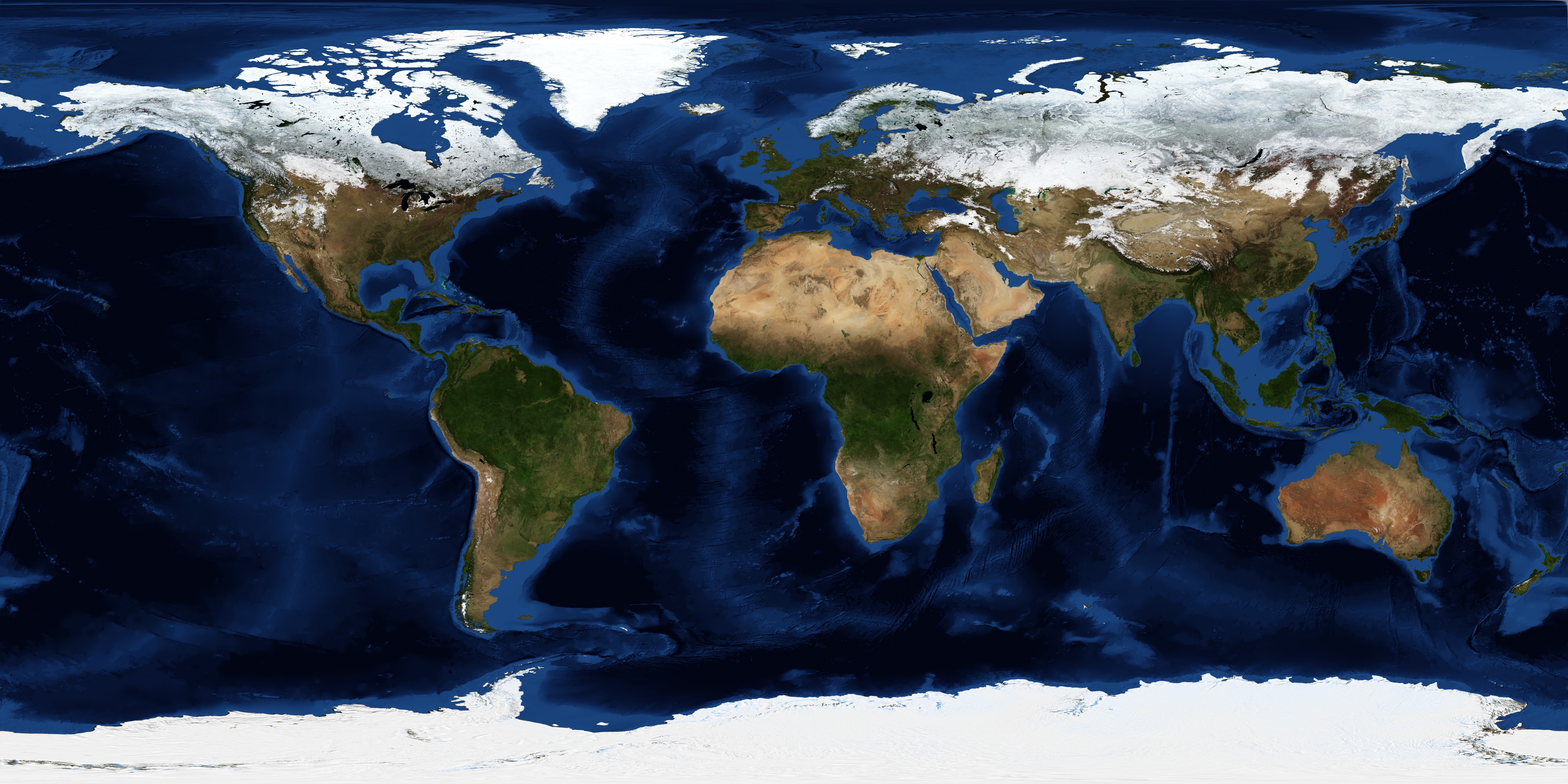
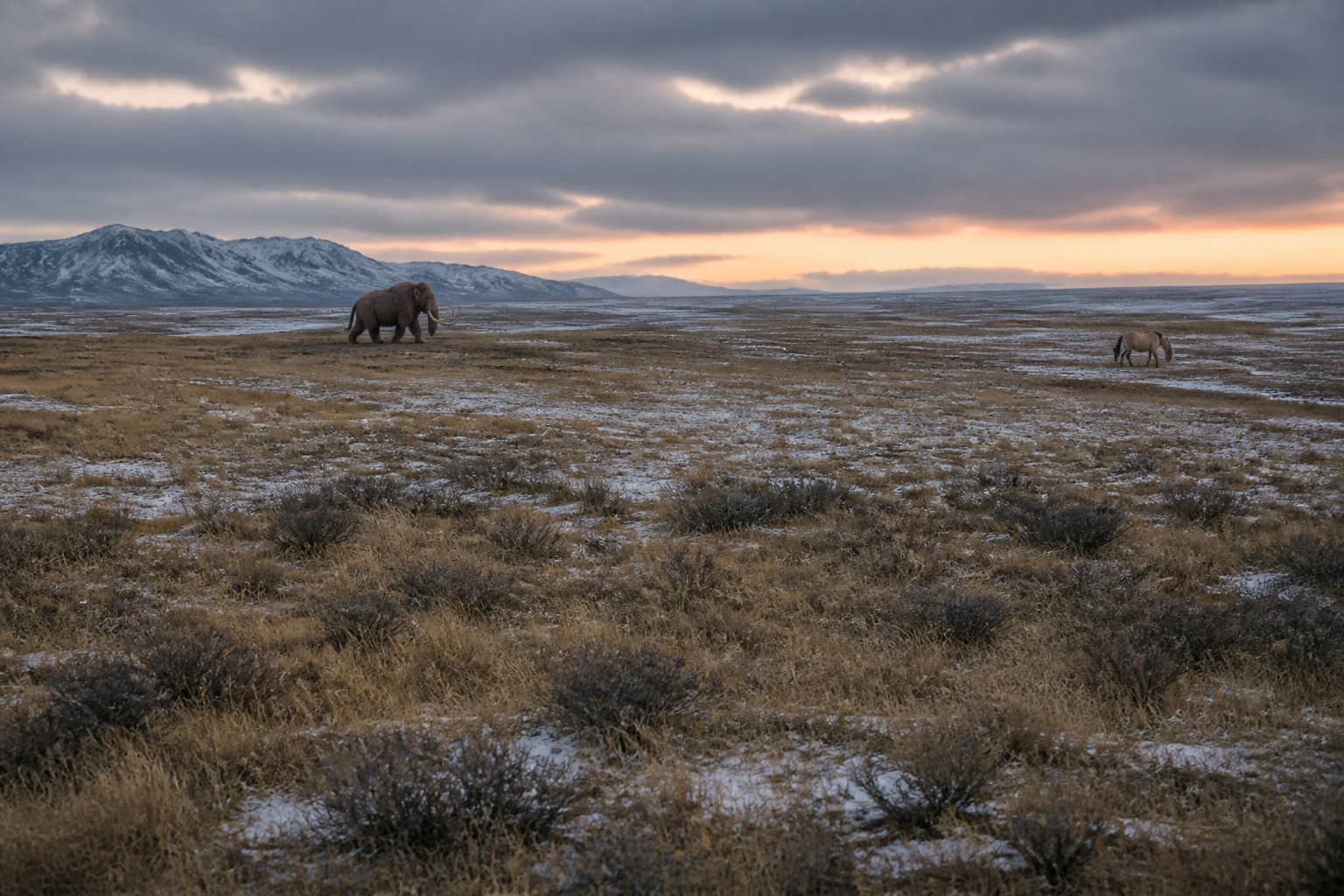
Between about 20,000 and 8,000 years ago the mammoth steppe: Guthrie’s name for the cold, dry, high-productivity grassland that ran from western Europe across Siberia into Alaska: was replaced by wetter mosaics of forest, bog, and tundra. Horses, steppe bison, woolly rhinos, and mammoths did not only die locally. Their dated last records show ranges shrinking and shifting. For northern Eurasia the last mainland pockets are in the interior east: western Siberia, the Trans-Urals, later island refugia: not a simple march “north into the Arctic.” This card is a range-shift story. The Wildlife Extinct shelf keeps the species pages.
Route
The Pleistocene envelope was west-east, not a polar highway. As Europe forested, dated last records of giant deer (Megaloceros, the “Irish elk”) leave western Europe earlier and persist in western Siberia to about 7,700 years ago (Stuart, Kosintsev, Higham & Lister 2004). Woolly mammoths vanish from most of the mainland near the Pleistocene-Holocene boundary, then survive on Wrangel Island to about 4,000 years ago: contemporary with early Bronze Age states, not with a last ice pulse (Vartanyan, Garutt & Sher 1993). Altai-Sayan and Kazakhstan steppe-mountain belts keep assemblages closer to the Pleistocene mix than western Europe does; treat that as a biogeographic remainder, not a GPS track of every herd walking east.
Why: drivers
Climate and vegetation are the named first-order drivers: warming, wetter soils, paludification, and the spread of closed forest remove the dry grass that the steppe guild needed (Guthrie 2001; the Stuart et al. 2004 contrast between giant deer and mammoth). Human hunting is real where dates and archaeology overlap; it is not a single-cause slogan for every region and every species. Island isolation (Wrangel) is a later, smaller clock.
When
Last Glacial Maximum around 26-19 thousand years ago; the main vegetational replacement in the millennia after. Giant deer: ~7,700 years in western Siberia. Wrangel mammoths: to ~4,000 years. Alaska sedimentary DNA (Haile et al. 2009) reports mammoth and horse to about 10,500 years: later than bones alone. Later bone-based Arctic surveys treat that ghost range as contested (possible reworked sedaDNA). This page labels the disagreement; it does not pick a slogan.
What is changing
The steppe itself is gone as a Holarctic biome. What remains are fragments and analogies. Do not read a modern reindeer herd as a mammoth-steppe survivor. The extinction pages on Wildlife hold the species lists; this card holds the movement.
Sources
Guthrie 2001 for the biome. Stuart et al. 2004 for giant-deer Holocene Siberia and the Wrangel contrast. Vartanyan et al. 1993 for Wrangel. Haile et al. 2009 for Alaska sedaDNA, labeled as disputed by later bone surveys.
- Stuart, Kosintsev, Higham & Lister, Nature, 2004: giant deer to ~7,700 years in western Siberia; range shifts vs Wrangel mammoths
- Vartanyan, Garutt & Sher, Nature, 1993: Holocene mammoths on Wrangel Island
- Haile et al., PNAS, 2009: sedaDNA of mammoth and horse in interior Alaska to ~10,500 years (later bone surveys dispute the ghost range)
- Guthrie, Quaternary Science Reviews, 2001: origin and cause of the mammoth steppe