
What it is
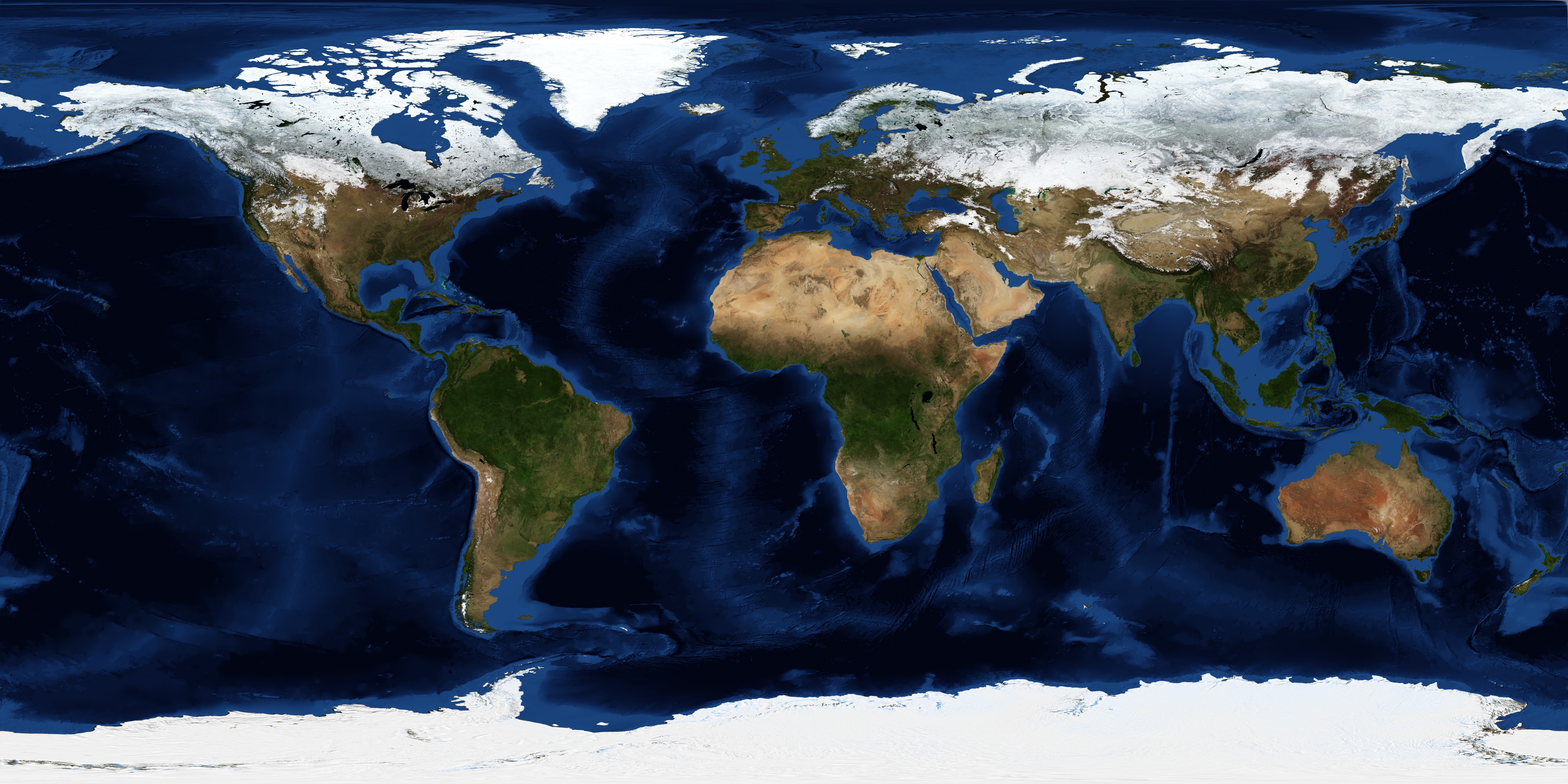
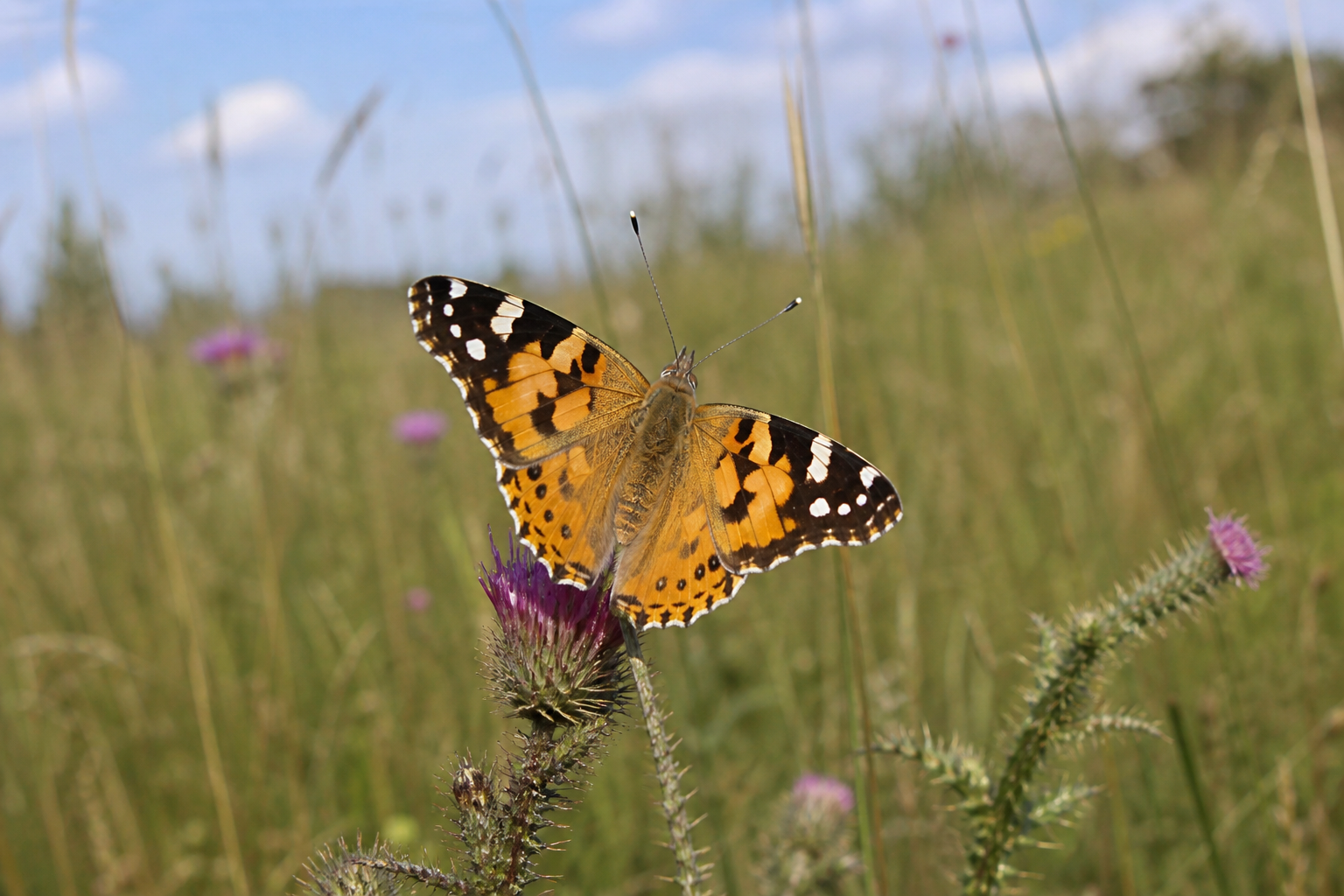
“Mass” here is not a Serengeti loop. It means two sourced facts. First, assemblages of butterflies have shifted their breeding ranges toward the poles and upslope as climates warm: Edith’s checkerspot in western North America (Parmesan 1996) and a global fingerprint across many taxa (Parmesan & Yohe 2003). Second, a few species make true long-distance seasonal migrations. The painted lady (Vanessa cardui) is the best-documented: multi-generational circuits between tropical Africa and Europe (Stefanescu et al. 2013). This card does not invent a single worldwide butterfly highway.
Route
Range shifts are local-to-regional: colonies wink out at the warm or dry edge and establish farther north or higher. Painted ladies move on a seasonal circuit that can link the Sahel and the Maghreb to Europe, then back: a chain of generations, not one insect flying the whole map. Other famous migrants (monarch in the Americas) are a different system and are not pasted onto this card as if they were the same story.
Why: drivers
For range shifts the driver is climate: warming and drying that make a former breeding site fail, and new sites become usable. For painted ladies the driver is seasonal pulses of host plants and nectar. Neither is an ice-age corridor in the human sense.
When
Range-shift papers report decades, not a migration calendar. Painted lady pulses are seasonal and vary by year; treat “invasion years” in Europe as documented peaks, not a fixed timetable.
What is changing
Climate continues to move the envelope. Habitat loss (grassland, host plants) can block a shift that looks easy on a map. Insect declines are a separate, broader pressure; this card does not invent a global butterfly census.
Sources
Parmesan 1996 and Parmesan & Yohe 2003 are the named range-shift papers. Stefanescu et al. 2013 is the painted-lady circuit. “Mass” is labeled as those two meanings, not a wildebeest analogue.