
What it is
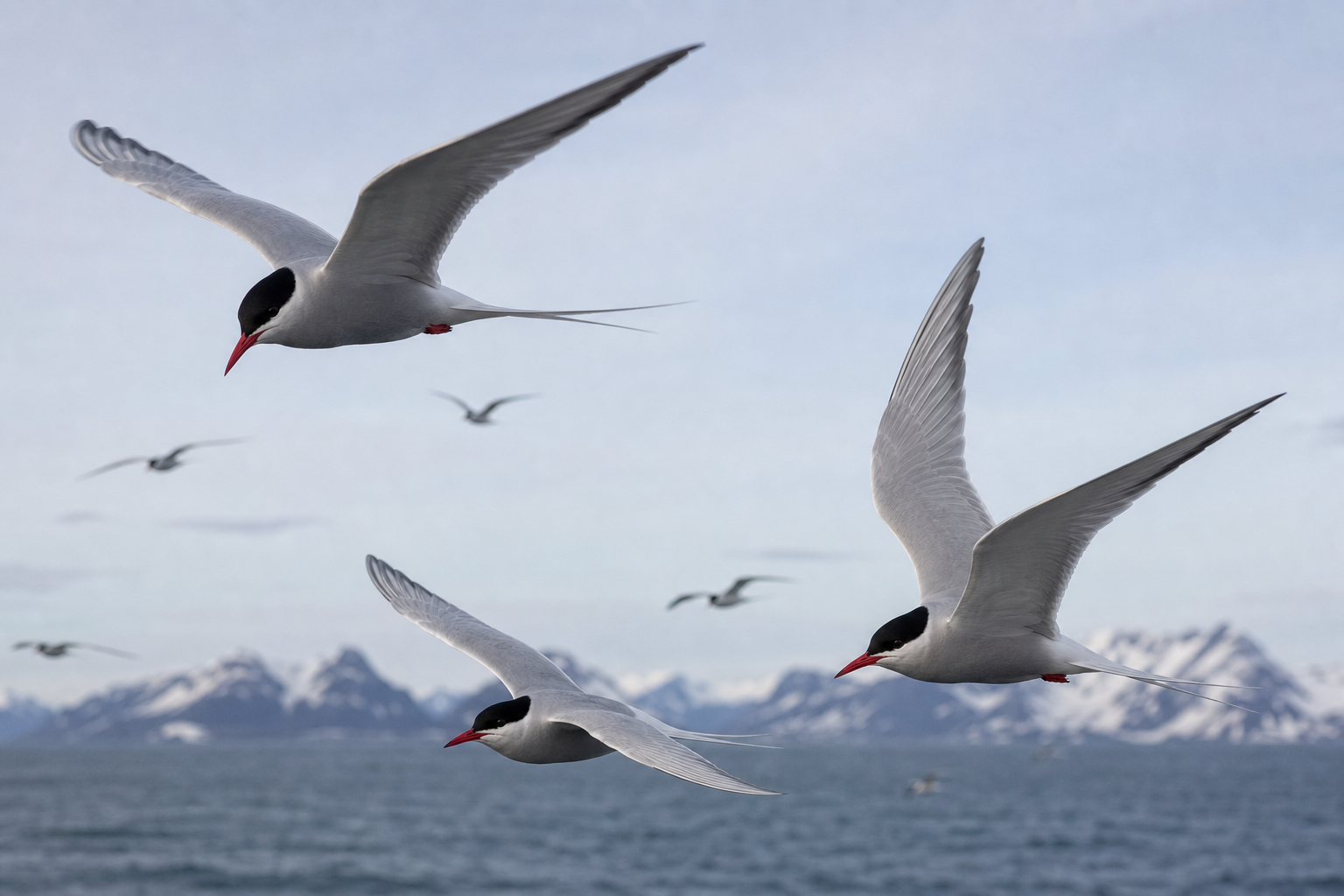
Many birds that breed on Arctic and sub-Arctic tundra leave when the light and insects fail. Arctic terns run pole-to-pole (Egevang et al. 2010). Peregrine falcons follow prey along coasts and flyways. Shorebirds (godwits, knots, sandpipers) stage on a few mudflats. Geese follow grass and thaw. BirdLife and CMS describe the flyway families; CAFF’s Arctic Biodiversity Assessment is the regional synthesis. Seasonal migration already existed in the glacial (models run tens of thousands of years). What changed after the ice was geography: breeding compressed south, especially in North America under the Laurentide sheet, then the Holocene opened the Arctic summer again. Thorup et al. (PNAS, 2021) hindcast the red-backed shrike’s Afro-Palearctic loop for 120,000 years: seasonal migration likely persisted through the glacial, often inside Africa; suitable European summer habitat expanded again after the last glacial maximum. That is a modeled class example.
Route
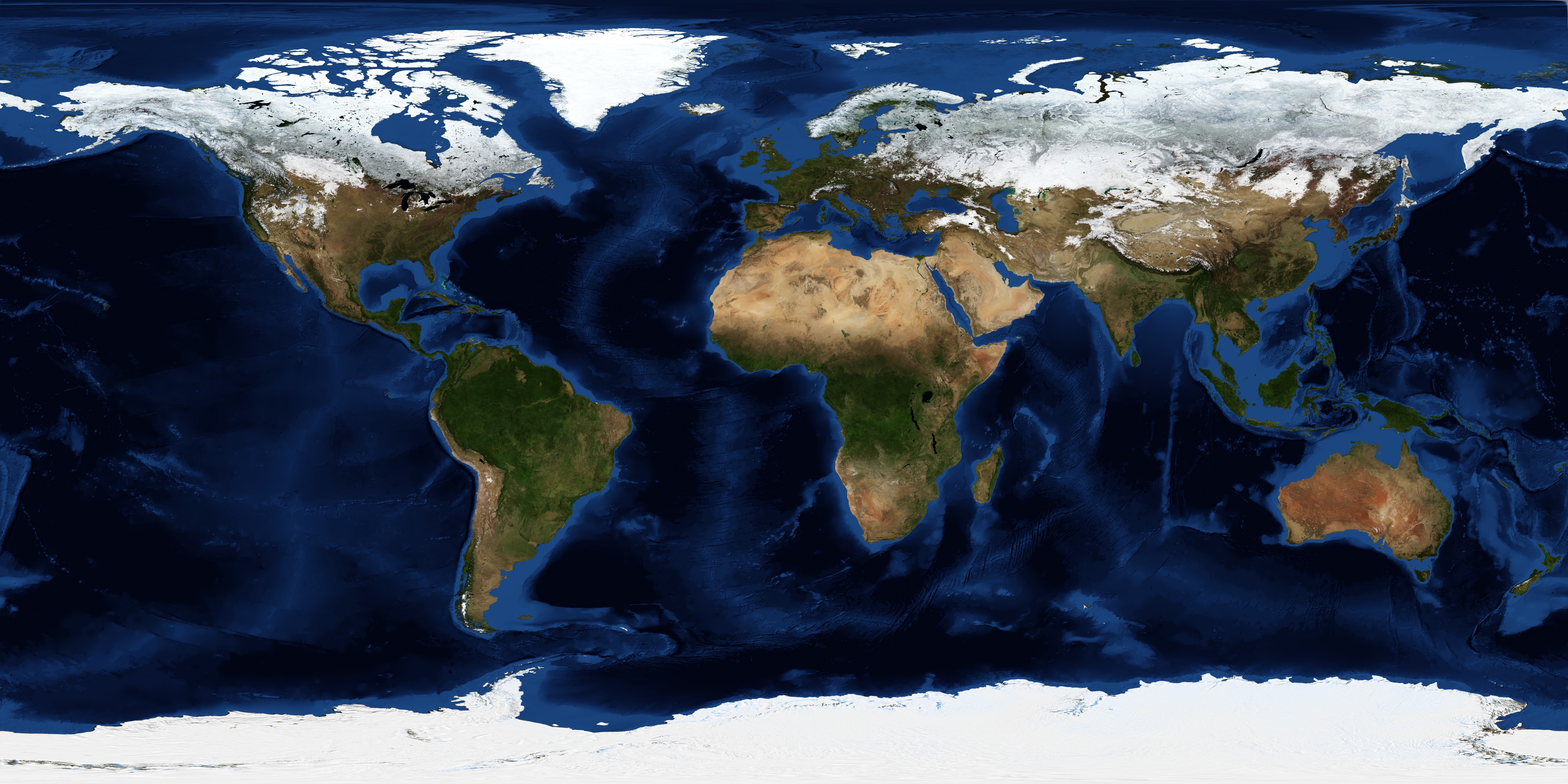
Breeding in the long Arctic day; non-breeding grounds in temperate or tropical wetlands, coasts, or: for terns: Antarctic pack ice. East Atlantic, East Asian-Australasian, Mississippi, and Pacific Americas flyways all carry Arctic breeders. Gu et al. (Nature, 2021) tracked Eurasian Arctic peregrines on five modern flyways and argue those routes formed as breeding grounds shifted through the Last Glacial Maximum into the Holocene. Thorup’s shrike model is the Afro-Palearctic counterpart: a loop that survived glaciation by shifting breeding latitude, not by inventing migration from scratch. The lines are envelopes, not GPS of every flock. A godwit’s Alaska-New Zealand crossing is a Pacific shortcut, not the average.
Why: drivers
Seasonal production. High-latitude summers offer long days and a burst of insects, fish, and new grass. Polar winters do not. Wind and coasts steer the cheap route. This is a food-and-breeding clock, not a refugee story.
When
North in the northern spring, south after breeding. Arrival has shifted earlier in some populations as springs warm: phenology, not a new flyway. Treat headline kilometre records as named tracking papers.
What is changing
Climate is moving ice edges, thaw dates, and prey. Reclamation of Yellow Sea and other staging flats removes fuel depots. Hunting, disturbance, and fisheries add local losses. CAFF and BirdLife together protect Arctic migrants along their routes.
Sources
Egevang et al. 2010 for terns; Gu et al. 2021 for peregrine flyway assembly after the ice; Thorup et al. 2021 for the red-backed shrike loop across 120,000 years; BirdLife flyways; CAFF Arctic Biodiversity Assessment; CMS.
- Egevang et al., PNAS, 2010: Greenland Arctic terns, ~70,900 km round trip
- BirdLife International: migratory birds and flyways
- CAFF / Arctic Council: Arctic Biodiversity Assessment, migratory birds
- CMS: Convention on the Conservation of Migratory Species of Wild Animals
- Gu et al., Nature, 2021: Eurasian Arctic peregrine flyways formed as breeding grounds shifted from the LGM into the Holocene
- Thorup et al., PNAS, 2021: red-backed shrike Afro-Palearctic loop hindcast ≥120 ka; LGM breeding likely in northern Africa, Holocene summer habitat back in Europe