← Solutions

Oceans

Catching plastic, restoring shores, fishing with less bycatch, plus protected areas, ship rules, and water-column farms.

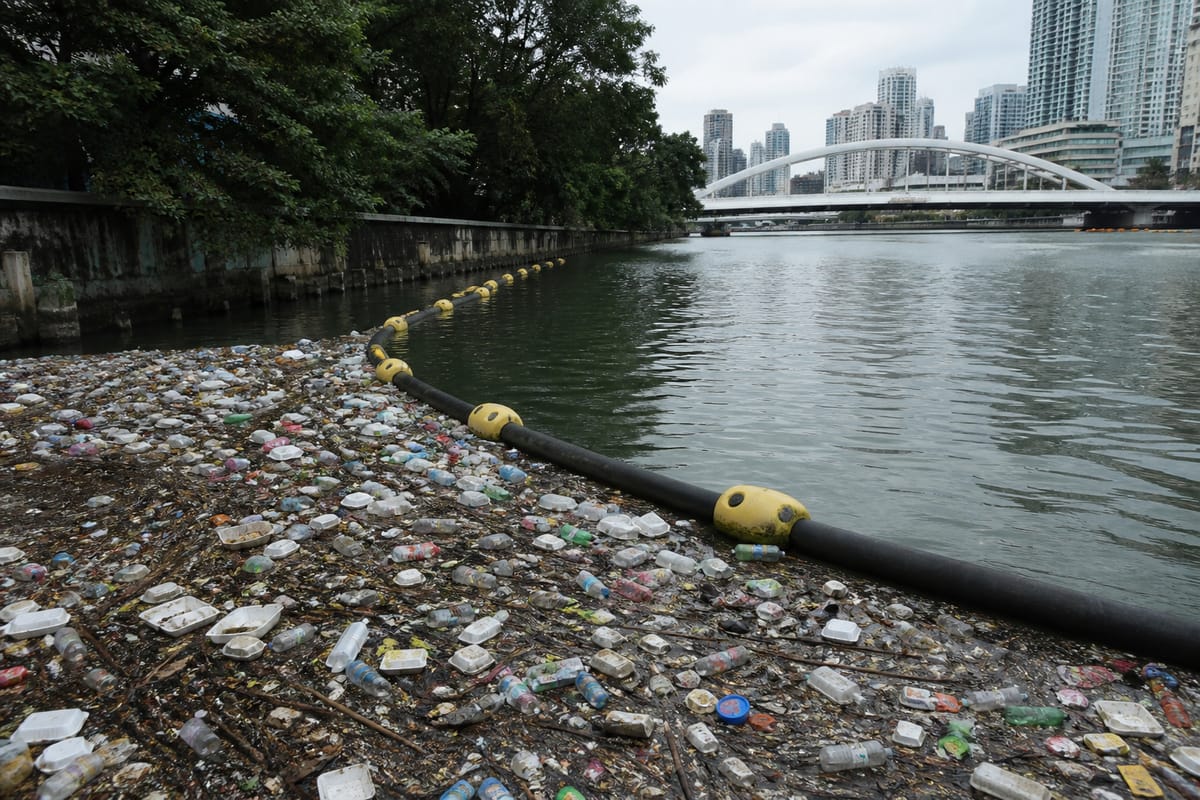
Floating river boom with yellow buoys holding back plastic bottles and litter
Oceans

River interceptor barriers

Plastic leakage

Problem
Rivers carry most recognizable plastic to the sea after rain. Once the litter is offshore, collection is slower and more expensive than stopping it in the channel.
Fix
Floating booms and river interceptors hold litter at a barrier so it can be lifted out. The Ocean Cleanup’s Interceptor is one named, produced family of these systems; many cities also use simpler booms. A barrier is a catcher at a choke point: not a substitute for collection upstream or for making less plastic.
Explore solution →

Source: The Ocean Cleanup: Rivers

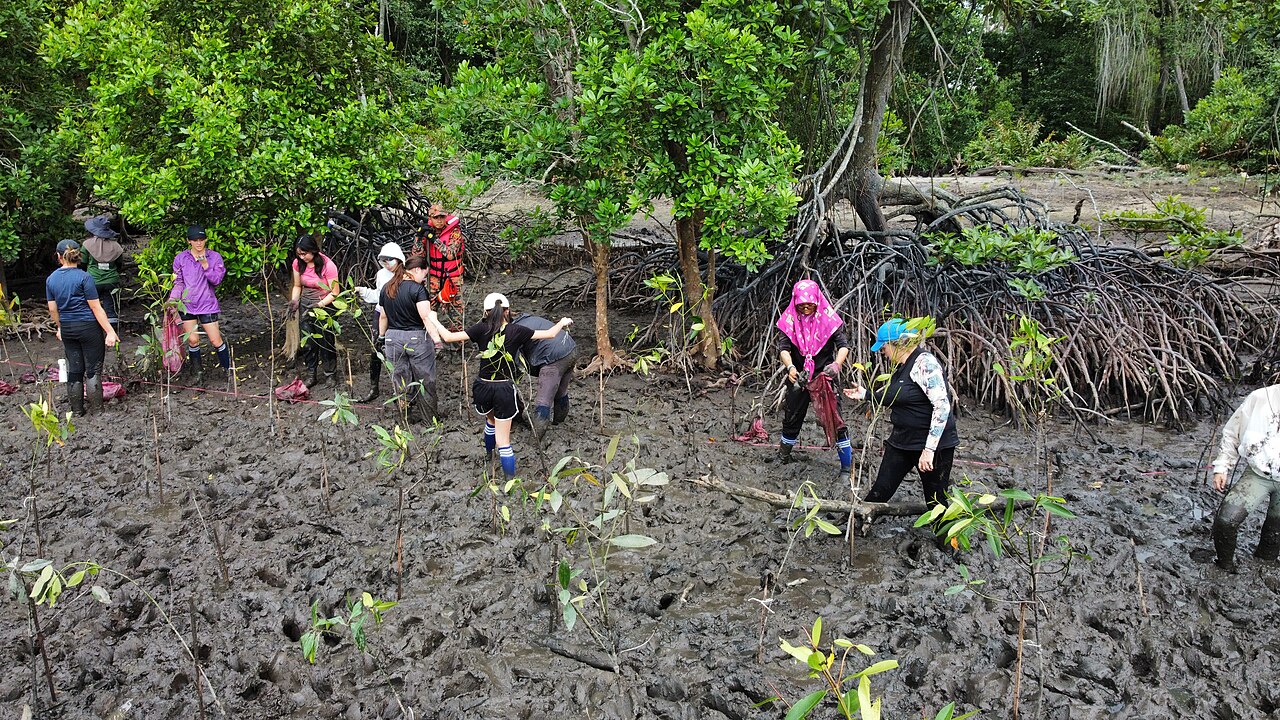
People planting young mangrove saplings in coastal mud beside mature stilt-rooted trees
Oceans

Mangrove restoration

Cleared coasts, weaker shores

Problem
Shrimp ponds, ports, and charcoal cutting have removed mangrove belts that held sediment, fish nurseries, and a living breakwater.
Fix
Restoring hydrology and planting the right species has brought mangroves back in parts of the Mekong, Indonesia, Senegal, and Florida when the tide still fits. Failed projects dump seedlings on the wrong mudflat. Restoration is local coastal work; it does not offset a coal plant.
Explore solution →

Source: Global Mangrove Watch

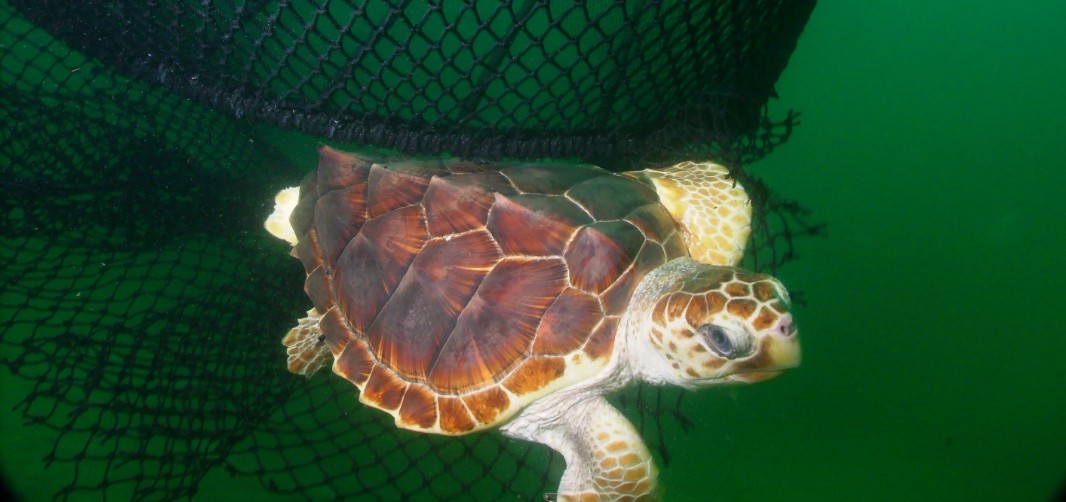
A loggerhead turtle swimming clear of a shrimp trawl after passing a turtle excluder device
Oceans

Selective fishing gear

Wildlife caught with the catch

Problem
Trawls, longlines, and gillnets catch turtles, dolphins, seabirds, and juvenile fish that nobody meant to land. Bycatch can empty a species while the target stock still looks fine.
Fix
Turtle excluder devices in shrimp trawls, circle hooks, bird-scaring lines, and acoustic pingers are required or common in several fisheries and have cut specific bycatch where enforcement exists. Gear is not a marine park. It fails if rules are weak or nets are used in the wrong place.
Explore solution →

Source: NOAA Fisheries: Bycatch

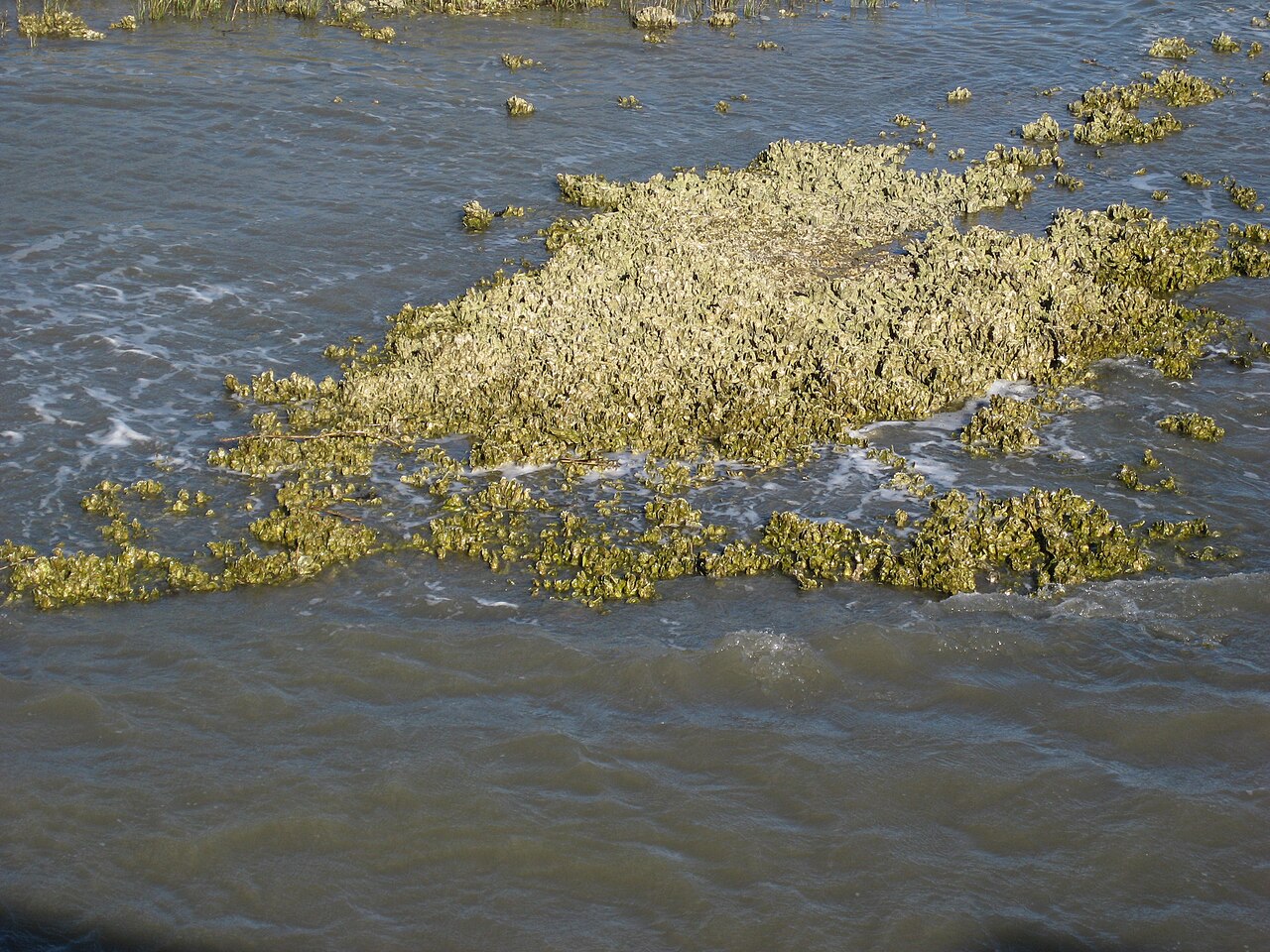
An intertidal oyster reef of clustered shells breaking the surface beside marsh grass
Oceans

Oyster reefs and living shorelines

Bare, eroding estuaries

Problem
Dredged oyster beds and bulkheaded shores leave mud and waves with nothing to break them. Water gets murkier; the edge eats itself.
Fix
Rebuilding oyster reefs and planting living shorelines: marsh, shell, and reef structures: is underway in Chesapeake Bay, parts of the U.S. Gulf, and New York Harbor. Oysters filter locally and the structure can slow erosion. These are estuary projects, still rebuilding from a historic collapse: not a global seafood miracle.
Explore solution →

Source: NOAA: Living shorelines

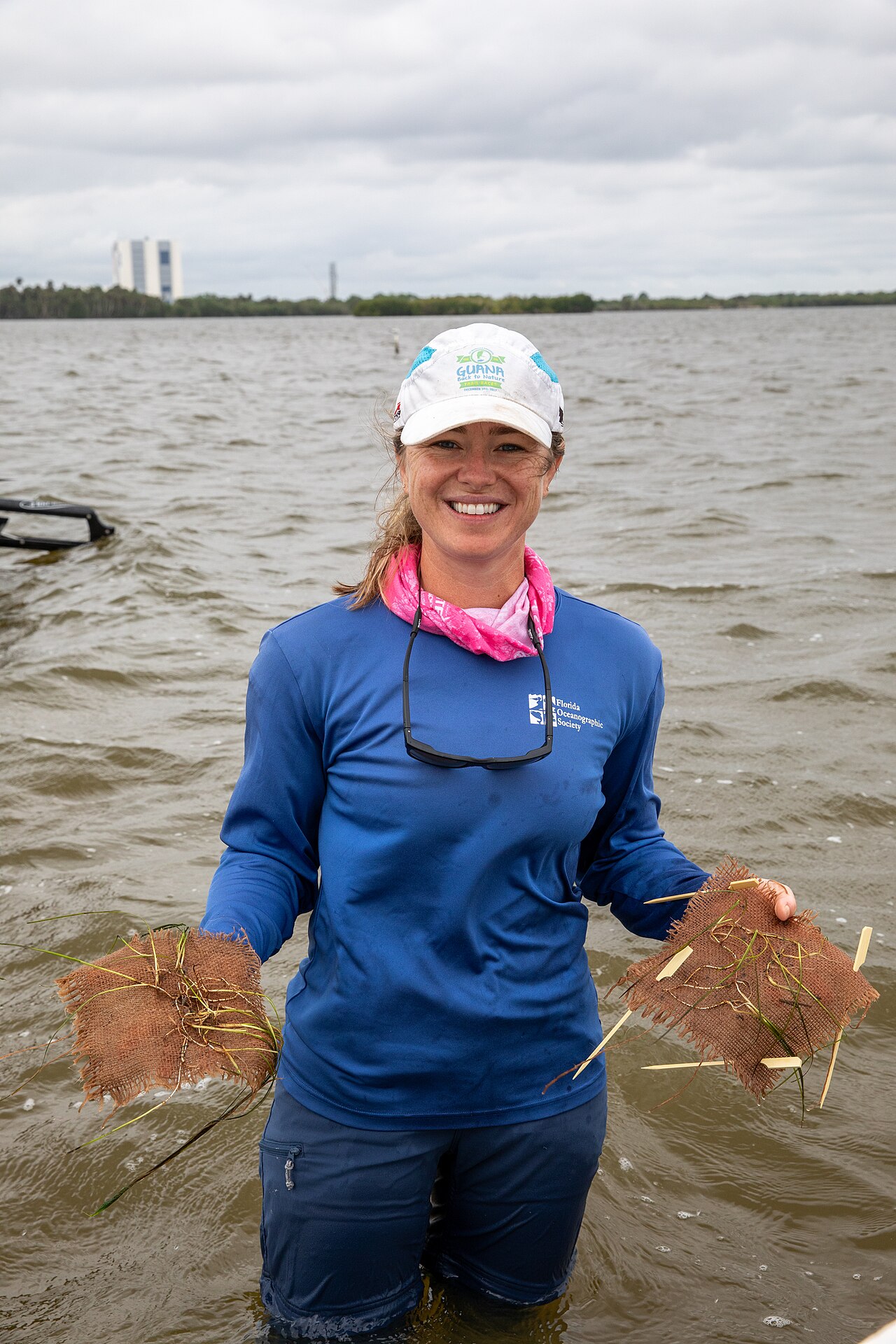
Workers in a shallow Florida lagoon planting seagrass plugs during a NASA Kennedy restoration project
Oceans

Seagrass restoration

Meadows that vanish after algal blooms

Problem
Seagrass holds sediment, shelters baitfish, and feeds manatees. NOAA reports that algal blooms wiped out nearly 75% of seagrass in Florida’s Indian River Lagoon between 2011 and 2020.
Fix
NOAA is funding planting in that lagoon with Indian River County: about 13 acres at Big Slough and 10 acres at Preacher’s Hole in 2025, with cages to keep boats and stingrays off the plugs for up to a year. Staff are aiming for 80% survivorship and note natural recovery in some unplanted areas. Planting is slow, depth-limited, and fails if water stays too dirty. It is not a permit to keep dumping nutrients.
Explore solution →

Source: NOAA Fisheries: Indian River Lagoon seagrass and wetlands

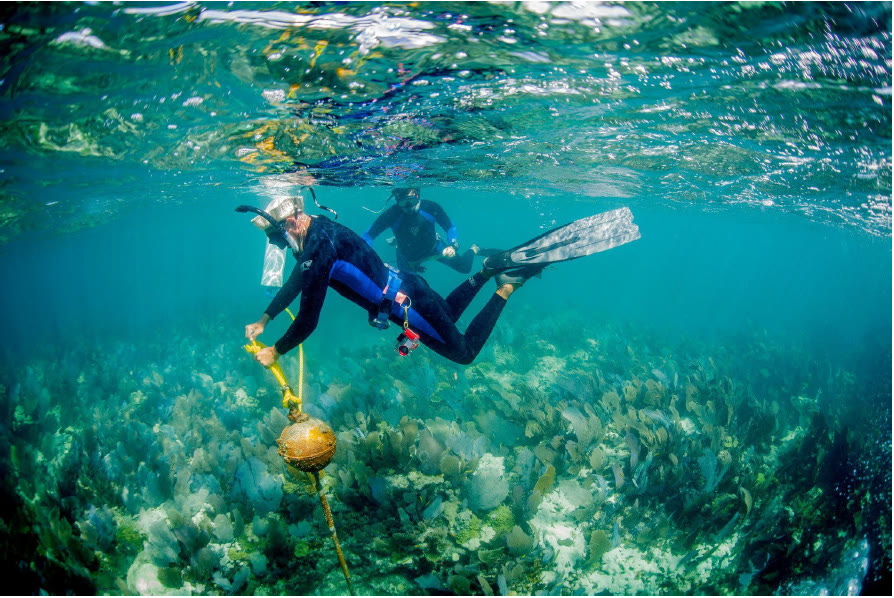
Staghorn coral fragments hanging from a mid-water nursery tree on a NOAA restoration site
Oceans

Coral restoration

Reefs dying faster than they grow

Problem
NOAA says the world has already lost 30 to 50% of its coral reefs to heat, acidification, pollution, invasives, and physical damage. Local gardening cannot rewrite ocean chemistry.
Fix
Nurseries grow fragments and outplant them with cement, ties, and nails. NOAA reports more than 20 Caribbean nurseries supplying over 40,000 corals a year. Mission: Iconic Reefs aims to raise coral cover at seven Florida Keys sites from 2% to an average of 25%. Emergency crews reattach storm-broken colonies. Restoration is a local hold. It does not replace cutting emissions, runoff, and destructive fishing.
Explore solution →

Source: NOAA Fisheries: restoring coral reefs

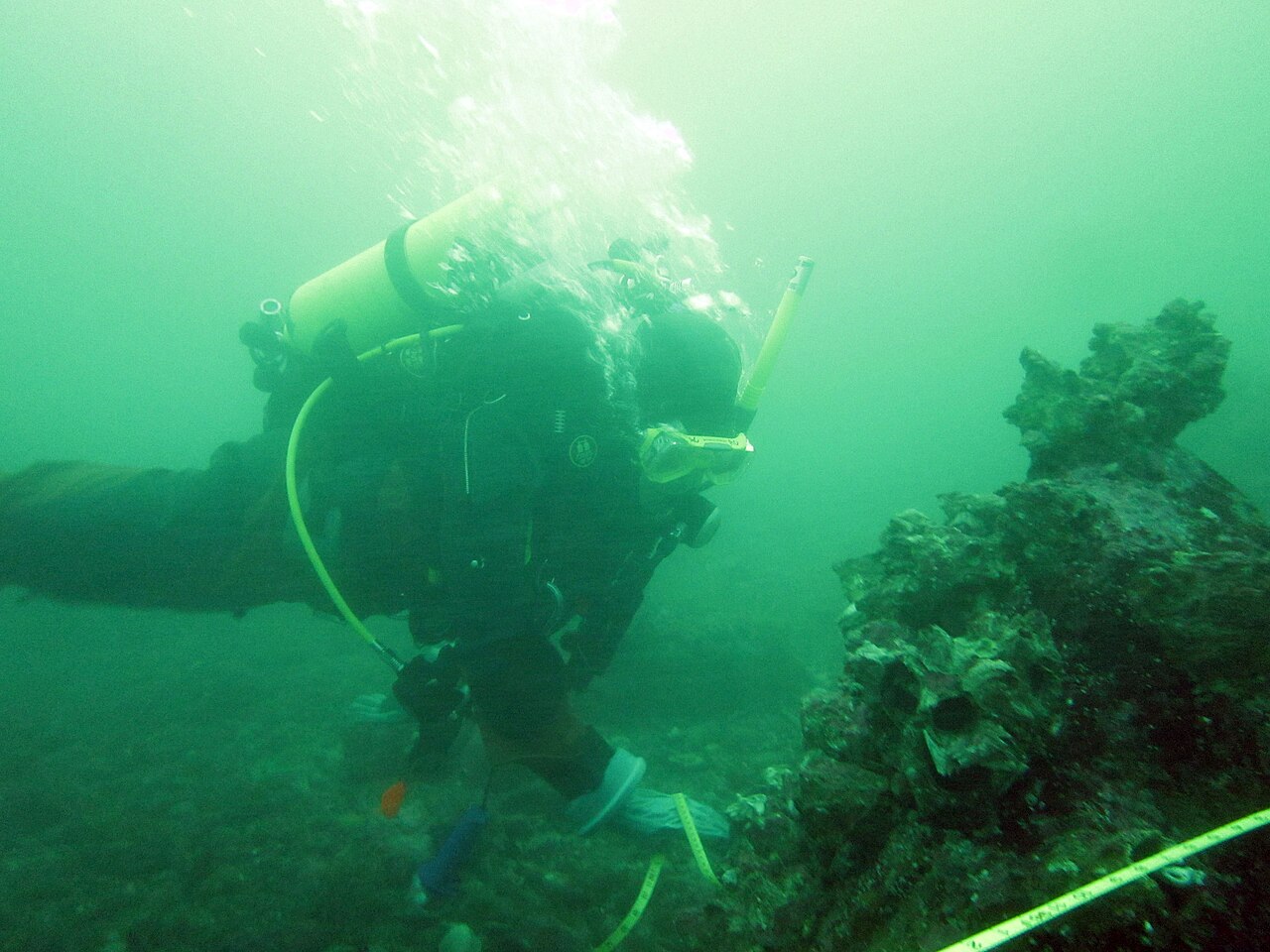
An EPA diver in Puget Sound lifting a mass of abandoned fishing net from the seabed
Oceans

Ghost-gear recovery

Nets that keep fishing with no boat

Problem
Abandoned, lost, or discarded fishing gear (ALDFG) keeps trapping animals and snagging habitat after the vessel has gone. It is a gear problem, not only a bottle problem.
Fix
The Global Ghost Gear Initiative is a cross-sector alliance: industry, governments, NGOs, researchers: that maps, reports, and funds retrieval and prevention. Its North American Net Collection Initiative is a transboundary project across the western United States, Mexico, and Canada. A cleaned beach is not a fishery reform. Prevention (marking, retrieval rules, port reception) matters as much as diving for nets.
Explore solution →

Source: Global Ghost Gear Initiative

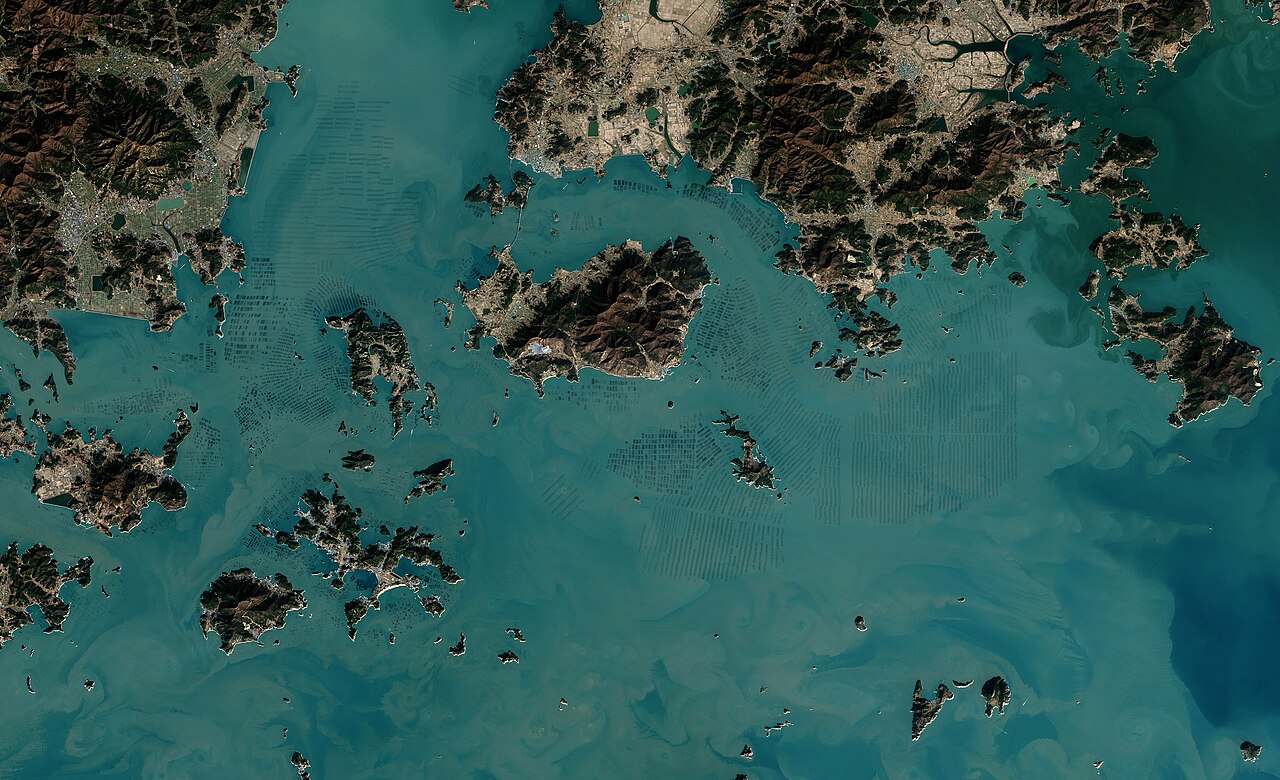
Satellite view of rectangular seaweed-farm plots in coastal water among South Korean islands
Oceans

Kelp forests and seaweed culture

Lost kelp forests and unmanaged harvest

Problem
Kelp forests: UNEP calls them the most extensive marine vegetated ecosystem: are stressed by warming, heatwaves, poor water quality, and unregulated harvest. Coastal fisheries and shorelines lose the structure.
Fix
UNEP’s 2023 synthesis Into the Blue reviews science and management: protect and restore wild forests, and treat harvest as an activity that needs stock assessment and adaptive rules. Seaweed and kelp farming is a related, growing use of the same algae, not a substitute for a wild forest. Farms need siting, biosecurity, and native species. A rope of kelp is not an offset for a cleared reef.
Explore solution →

Source: UNEP: Into the Blue: kelp forests

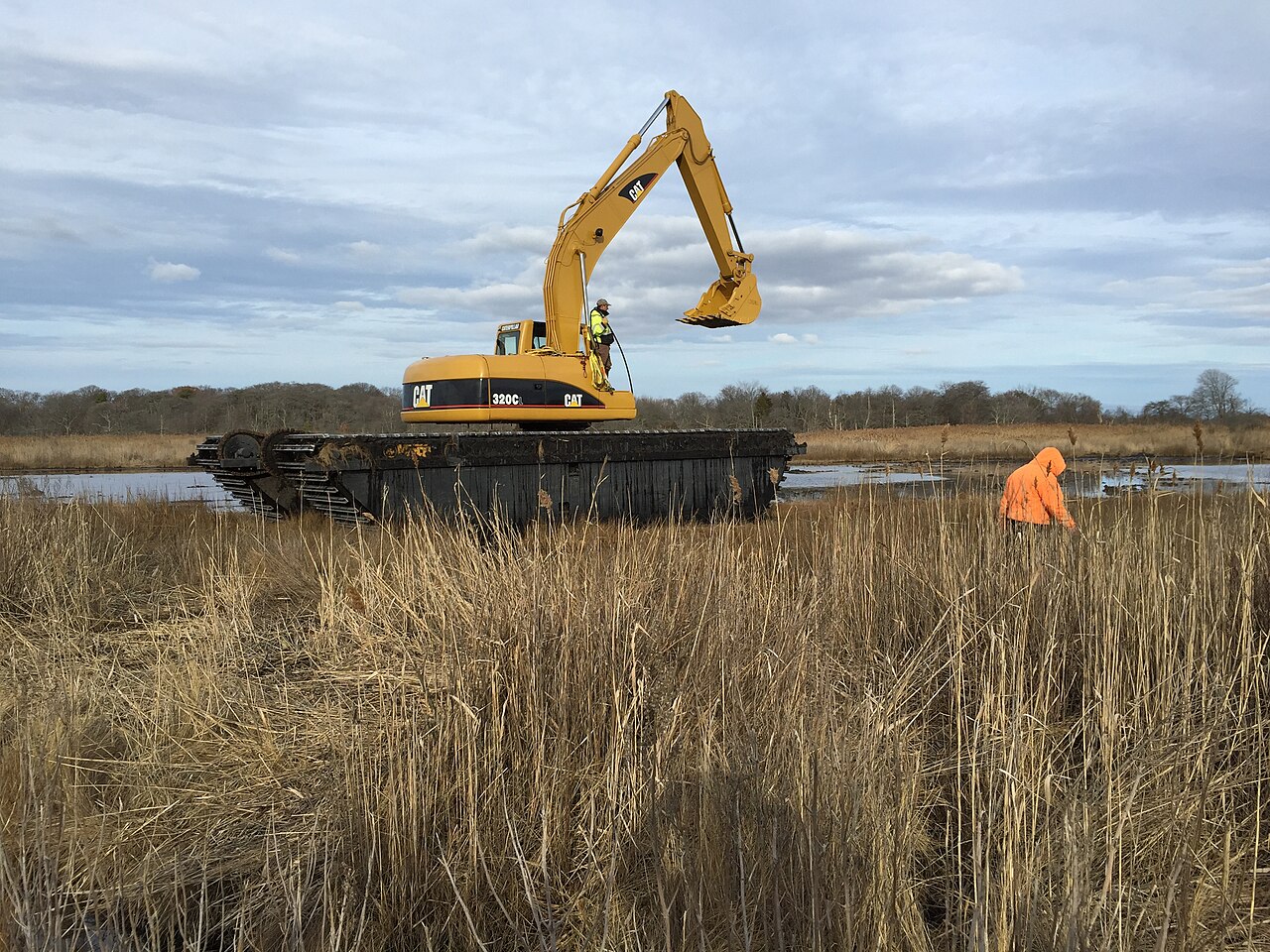
An excavator working a tidal channel through Spartina marsh at Seatuck National Wildlife Refuge
Oceans

Salt-marsh restoration

Ditched, diked, and drowning marshes

Problem
Atlantic salt marshes buffer storms, filter water, and hold peat. They were ditched for farming and mosquitoes and are now overtopped as seas rise. The saltmarsh sparrow nests nowhere else and is losing ground.
Fix
The U.S. Fish and Wildlife Service’s Salt Marsh Keystone Initiative (announced 2024) coordinates restoration along the Atlantic Coast, building on Hurricane Sandy work: runnels to drain perched water, undoing old ditches, and realigning marshes. FWS notes that healthy marsh peat can store carbon much faster than terrestrial forests: “up to 50 times” is the Service’s phrasing. A runnel is local hydrology, not a seawall, and it will not outrun sea-level rise if the upland is walled off.
Explore solution →

Source: U.S. Fish and Wildlife Service: salt marsh keystone