
What it is
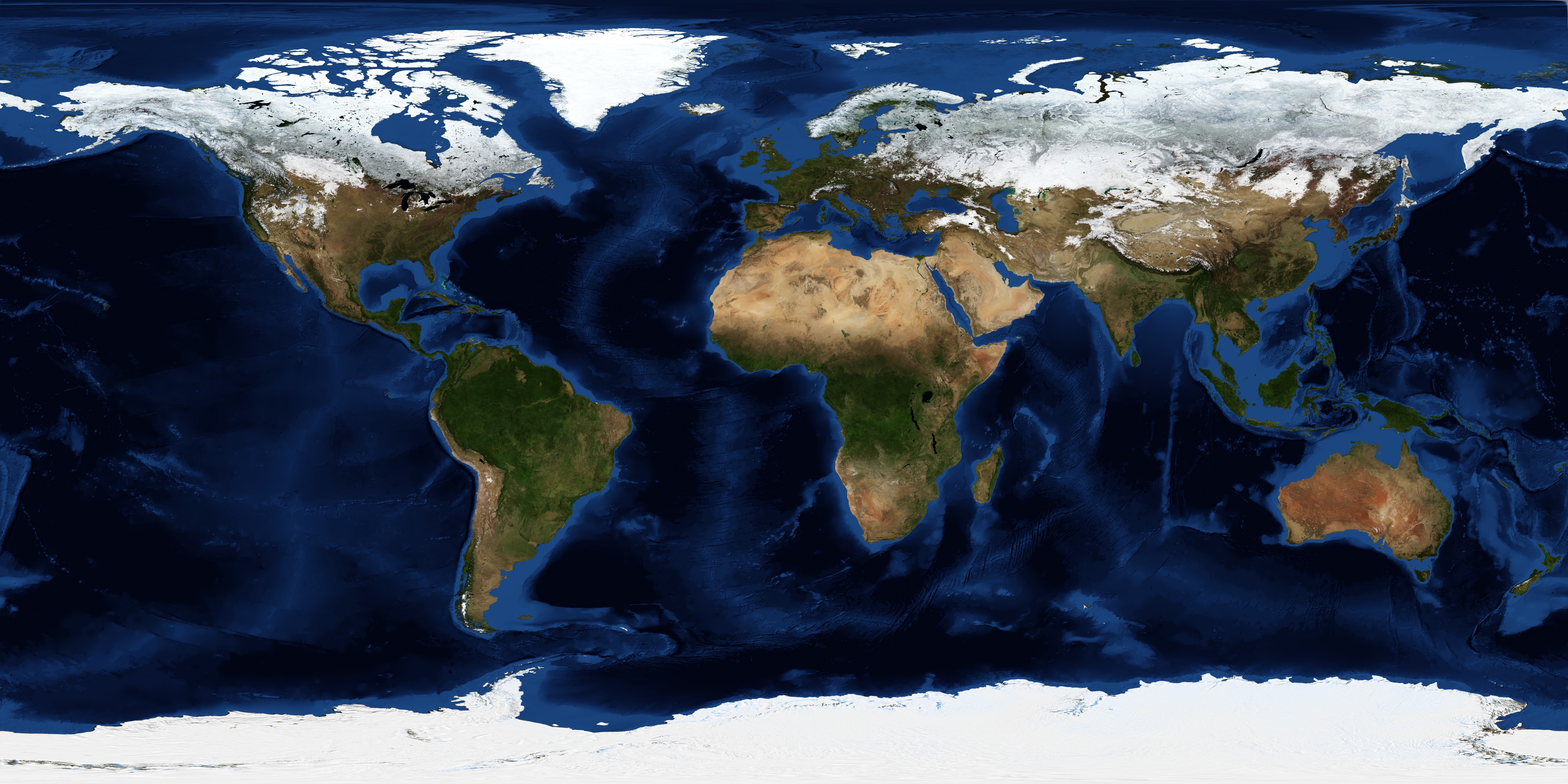
At glacial low sea level, the Bering Land Bridge joined northeastern Siberia to Alaska as a continuous, often wet and harsh plain: at maximum hundreds of kilometres across, in some reconstructions approaching 1,600 km. It was a filter, not a free highway. Ancient horse genomes show repeated two-way exchange. A Ural-Arctic lineage entered North America several times between about 50,000 and 19,000 years ago; earlier east-to-west pulses left traces back in Eurasia (Vershinina, Librado and colleagues, Science 2025; Vershinina et al. 2021). Bison used the later ice-free corridor in both directions once it opened. Woolly rhinoceros never reached the Americas. American camel and short-faced bear never reached Asia. Absence is evidence too.
Route
West-east and east-west across the exposed shelf, then: after the Laurentide and Cordilleran ice began to part: along the ice-free corridor of western Canada. Heintzman et al. (2016) date the first southern bison into that corridor at about 13,400 years ago, and northern bison by about 13,000. Horses that later entered the corridor did not expand far; the Science 2025 study reads the deglaciated ground as too wet for cryoxeric steppe. Coastal Pacific routes are a separate, earlier story in the horse genomes, not a second bridge.
Why: drivers
Sea level and ice. When the ocean is low the shelf is land; when ice sheets lock water, the bridge exists. Habitat on the bridge: moisture, grass, mountains: decided who could live there long enough to cross. This is not a human Out-of-Africa arrow pasted onto animals.
When
The last long open phase includes the interval ~50-19 thousand years for the horse cline in the 2025 genomes. The ice-free corridor is a latest-Pleistocene door (closed after ~23,000 until ~13,400). The Holocene flood ends the bridge as dry land.
What is changing
The bridge is underwater. The lesson is permeability: some species crossed many times, some never. Do not invent a census of every crossing, and do not treat Beringia as an empty road.
Sources
Science 2025 horse genomes for two-way Late Pleistocene traffic and the Ural lineage. Vershinina et al. 2021 for earlier bidirectional pulses and the filter. Heintzman et al. 2016 for bison in the corridor. Woolly rhino / camel / short-faced bear absences are the standard Holarctic record, not a new count made here.
- Vershinina / Librado et al., Science, 2025: Late Pleistocene horse genomes; two-way Beringian exchange, Ural-Arctic cline ~50-19 ka
- Heintzman et al., PNAS, 2016: bison enter the ice-free corridor from the south ~13.4 ka and from the north by ~13.0 ka
- Vershinina et al., Molecular Ecology, 2021: horse dispersals across the Bering Land Bridge; the bridge as a filter