

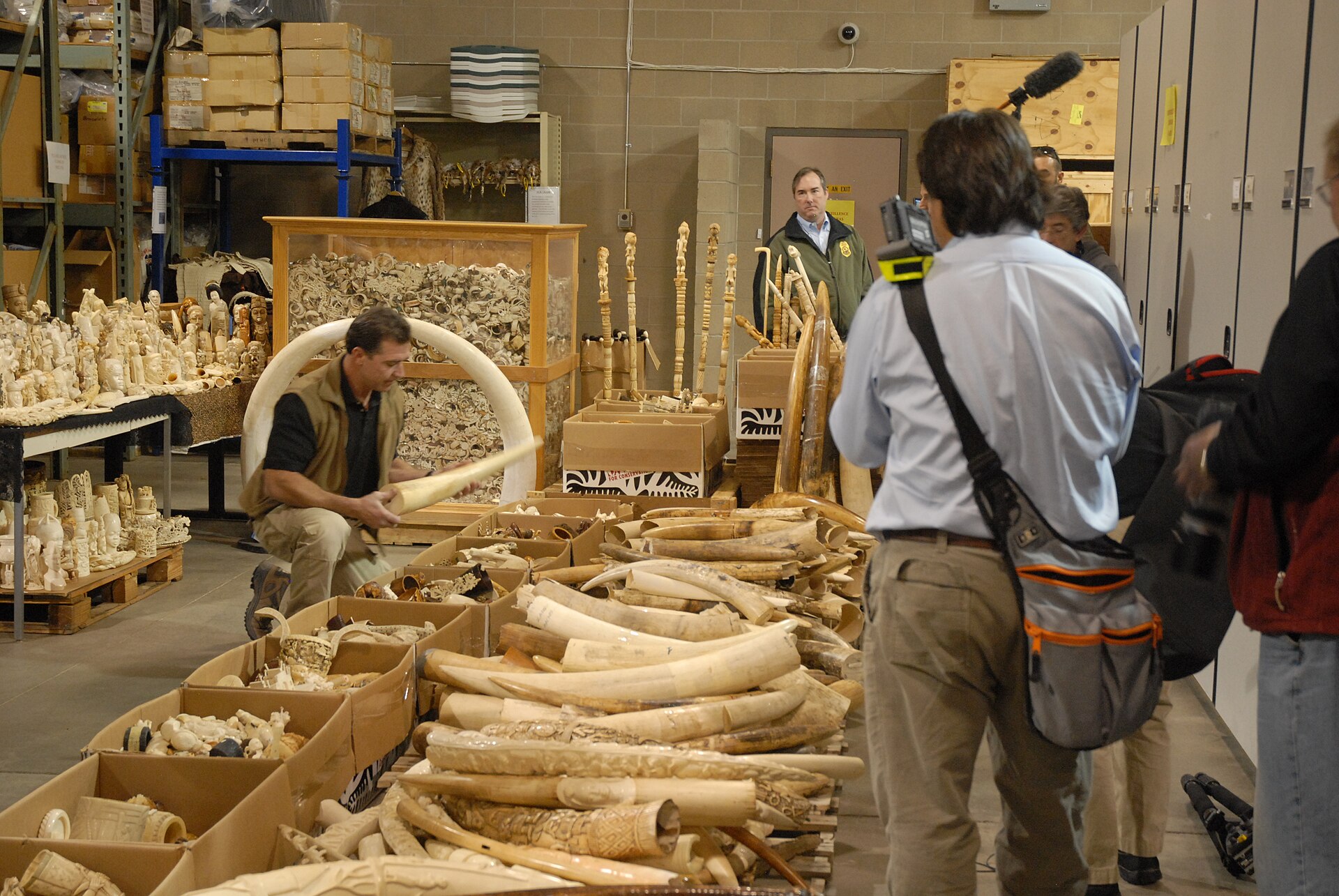

Official name: Lacey Act
Citation: Lacey Act, 16 U.S.C. §§ 3371-3378 (origins 1900; major wildlife-trade amendments including 1981)
Year / status: First passed in 1900. Major wildlife amendments in 1969, 1981, and 1988, with later plant-related updates. Still in force.
What it does
Prohibits trafficking in wildlife, fish, and plants taken illegally under underlying law, plus false labeling of wildlife shipments and certain marking failures. It lets U.S. enforcers attach federal penalties to violations of foreign or state conservation rules when product crosses into U.S. commerce. The 2008 Farm Bill extended the Act to plants and timber products.
Where it applies / status
U.S. federal law; first passed 1900; major wildlife amendments 1969, 1981, 1988 and later plant-related updates. The U.S. Fish and Wildlife Service administers the wildlife provisions. NOAA Fisheries applies the Act to fisheries.
Documented benefits or intended effects
Intended effects: close U.S. markets to illegally taken wildlife and support foreign and state conservation laws through federal prosecution. Effectiveness depends on detection and underlying foreign/state law quality.
Caveats
Not CITES. Lacey is the U.S. statute on trafficking in illegally taken wildlife, fish, and plants. Not the ESA listing rules. Not the MMPA take rules. Lawful trade with clean provenance remains possible.
Sources
U.S. Fish and Wildlife Service Lacey Act page; NOAA Fisheries laws and policies.