


Official name: Endangered Species Act of 1973
Citation: 16 U.S.C. § 1531 et seq.
Year / status: Enacted 28 December 1973. Still in force, with later amendments.
What it does
The ESA requires the federal government to list endangered and threatened species on the basis of science, designate critical habitat in many cases, forbid “take” of listed animals (with permits and exceptions), and make federal agencies consult so their actions are not likely to jeopardise listed species. Recovery plans are required but are not self-executing magic.
Where it applies / status
United States, including the territorial sea as the statute provides. It is domestic law that also implements CITES in part.
Documented benefits or intended effects
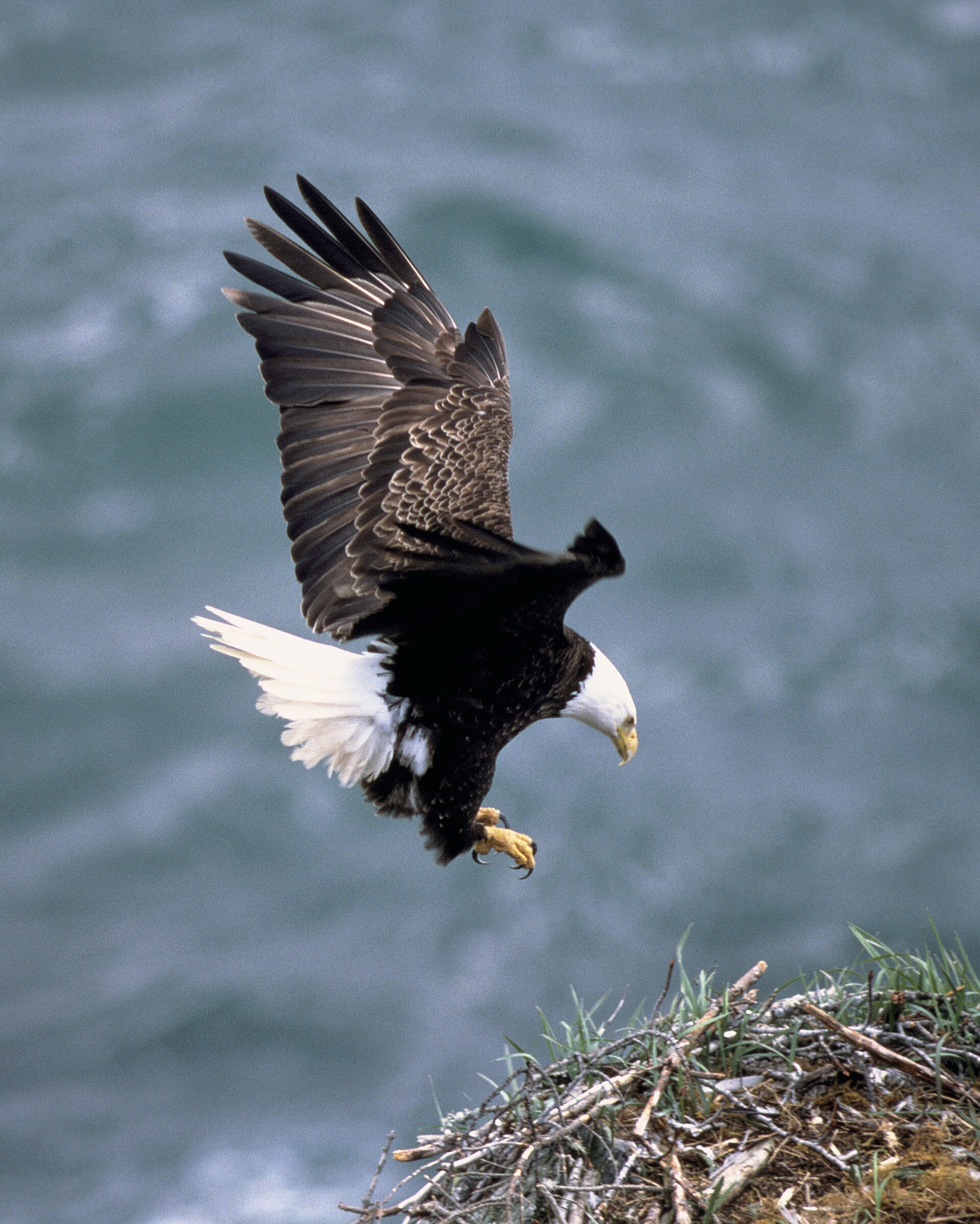
Intended effect: prevent extinction and recover listed species. FWS and NOAA publish status reviews and some delistings (the bald eagle is the usual textbook case). Recovery is uneven; many listed species remain listed. This page does not invent a “90 percent saved” figure.
Caveats
Listing and critical-habitat decisions are litigated. The Act is stronger on animals than on most habitat conversion by private parties without a federal nexus. It is not a corridor-funding bill.
Sources
FWS ESA law page and programme page; U.S. Code chapter 35.