

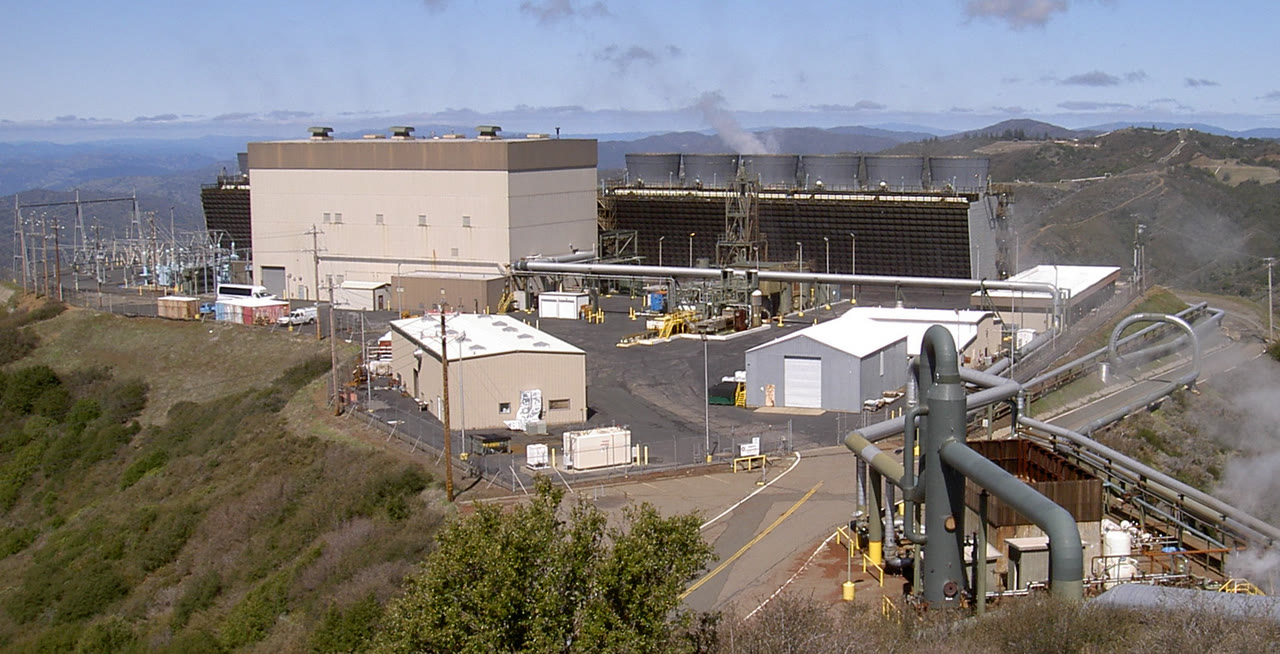
Image: Stepheng3 ( CC0 )

What it is
Enhanced geothermal systems (EGS) drill into hot rock that lacks a natural hydrothermal reservoir, then create a flow path and run water through it. Fervo Energy’s Project Red in Nevada made electricity in 2023 for a Google contract. Cape Station near Milford, Utah: next to the DOE FORGE site: is the larger follow-on. A 5 September 2026 CNBC report said the project was on pace to send power to the grid the following month, which would make it the first U.S. EGS plant in commercial operation. That is a reported schedule, not a delivered kilowatt-hour until the plant actually runs.
Problem it targets
Conventional geothermal is scarce: you need heat, water, and permeability in the same place. Most of the Earth’s heat is in dry rock. EGS tries to unlock that heat without waiting for a geyser. Data-center buyers want firm, low-carbon megawatts.
How it works
Fervo drills a pair of wells more than two miles deep, with a lateral that can run more than a mile, fractures the granite, and circulates non-potable water heated above 400°F through a heat exchanger. The brine is cooled and reinjected in minutes. This is mining heat with steel and pumps, not “free energy.”
Status and players
Fervo Energy; Google and other offtakers (Southern California Edison, Shell Energy, NV Energy). CNBC reported about 1 GW contracted after a 2026 Google PPA and a May IPO. Traditional hydrothermal still supplies most geothermal megawatts worldwide.
Risks and limits
Drilling cost, induced seismicity, water use, and first-of-a-kind delays. A Utah schedule is not a terawatt. Geology varies; a Nevada or Utah well is not a global template.
Sources
CNBC Cape Station report (5 Sep 2026): on track for first commercial U.S. EGS power, not a confirmed online date. Project Red electricity in 2023 is the earlier fact.